

Historic Gentleman Portrait
An authentic historic gentleman portrait captures the likeness, status and character of male sitters across centuries through enduring painted and graphic mediums.
Historic Gentleman Portrait
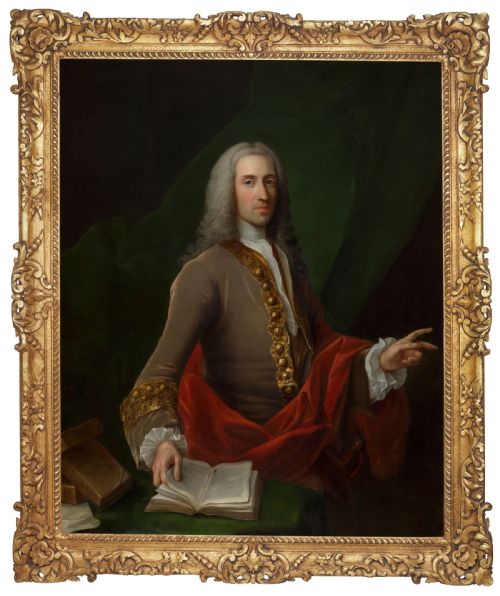
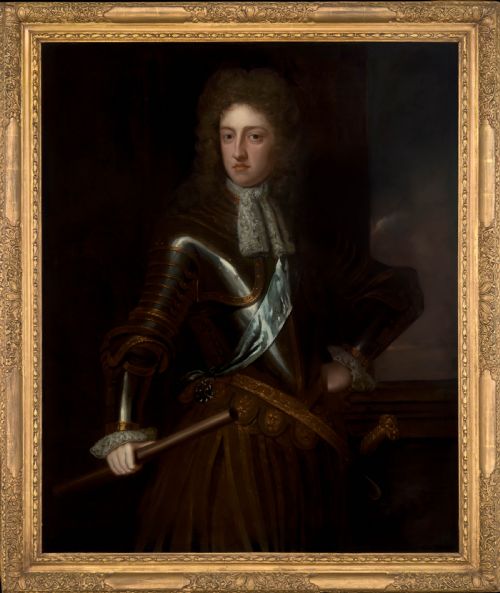
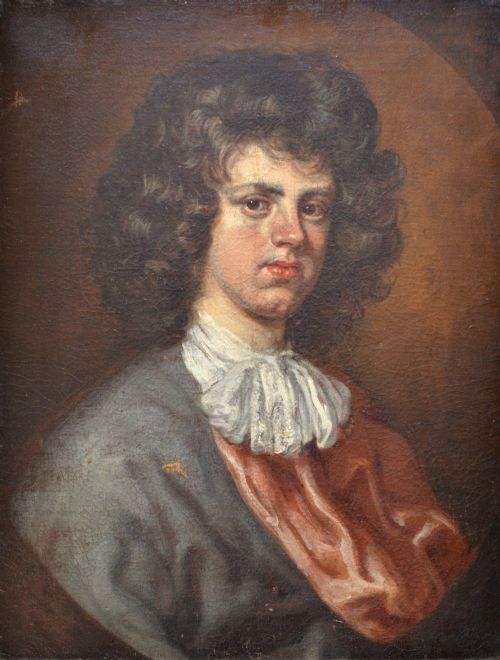
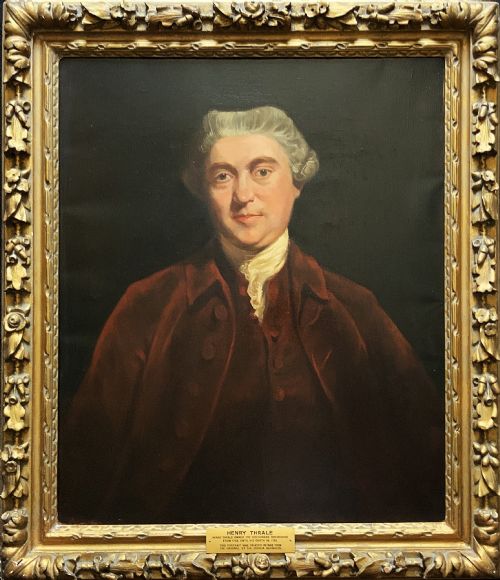
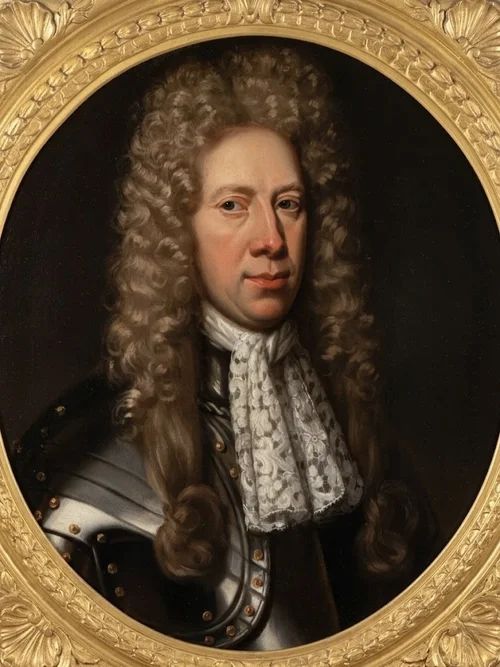
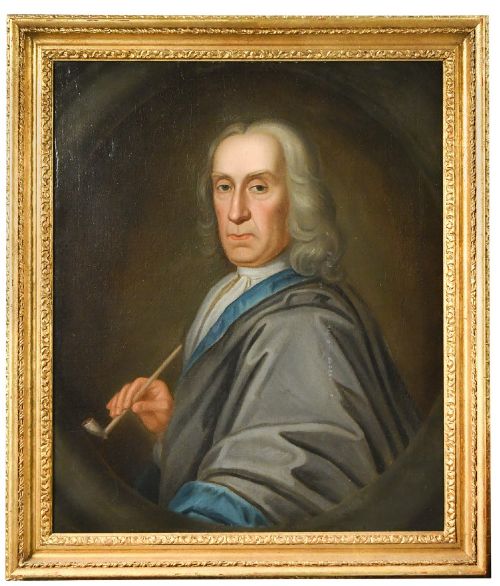
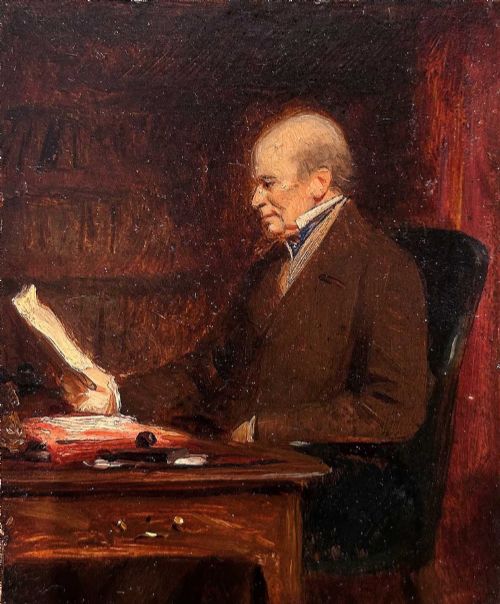
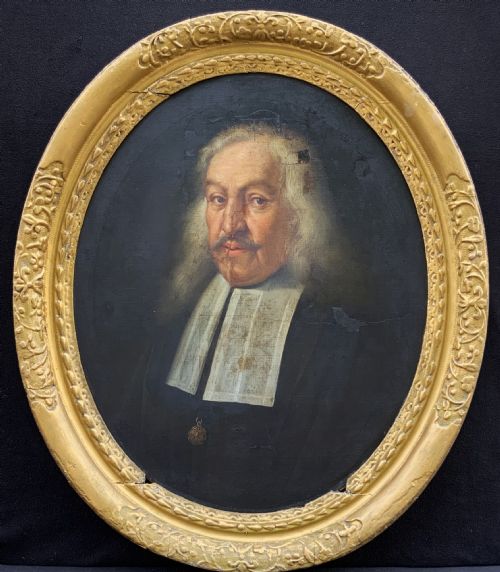
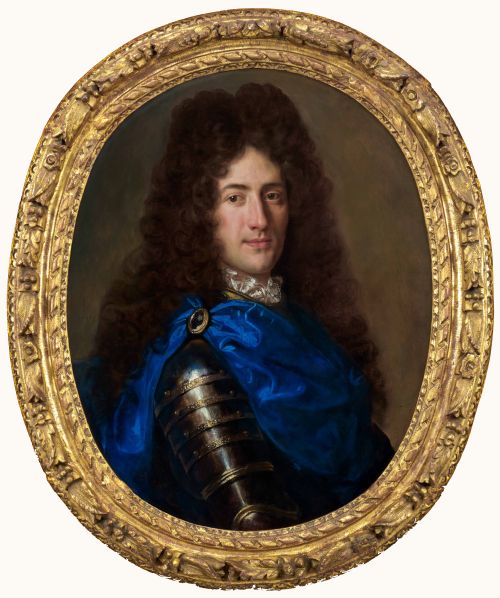
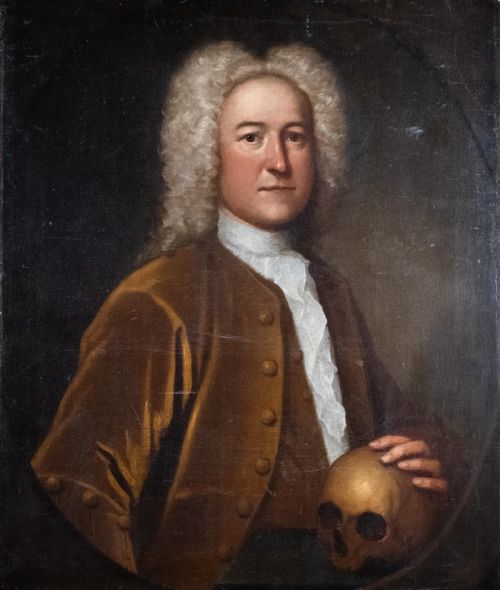
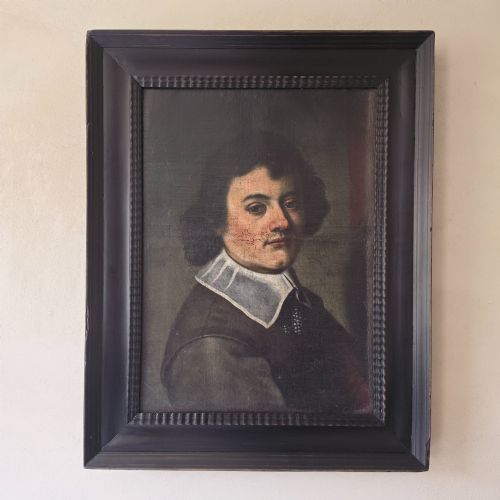
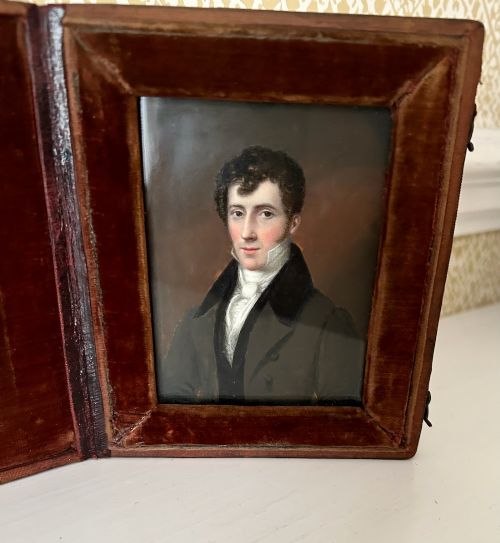
A historic gentleman portrait portrays identifiable or anonymous male sitters, ranging from nobility and judges to physicians and literary figures, rendered in oil paint, watercolour or silhouette. These works span the seventeenth, eighteenth and nineteenth centuries, reflecting the shifting fashions, armour, court dress and civic attire of their respective eras.
The selections available here frequently originate from British and continental European schools, displaying the conventions of Baroque, Georgian, Regency and Victorian portraiture. Buyers encounter everything from large canvas oil paintings attributed to established circles of artists down to intimate portrait miniatures and plumbago drawings on paper.
Subjects are depicted with characteristic accessories such as books, letters, pipes, skulls or arms, anchoring the individual within a specific professional, intellectual or martial context. The framing often relies on original giltwood or wood surrounds that complement the age and aesthetic of the canvas.
Materials and Construction
The primary vehicle for these works is oil paint applied to woven canvas or wood panels, utilising layered pigments to build depth in drapery, flesh tones and background shadows. Ground layers and primed surfaces prepared the support before the artist introduced organic binders and oils.
Graphic and miniature works employ alternative techniques, such as delicate plumbago graphite drawing on vellum or paper, watercolour washes, and silhouette cuttings. These smaller formats demand meticulous precision with fine brushes or ink rather than the broad impasto of large oil canvases.
Frames utilise carved wood and applied gilt ornamentation, often retaining historic gilding techniques over gesso grounds. The joinery and moulding profiles of these surrounds provide structural support and aesthetic completion to the artwork.
Listings feature works across oil on canvas, giltwood frames, and glass, spanning the seventeenth through the twentieth centuries.
Evaluating Execution
Material preservation heavily influences the standing of a piece, specifically the stability of the original canvas, the absence of excessive overpaint, and the condition of the ground layer. Works that retain their original unlined canvas and untouched pigment layers command greater appreciation among collectors.
The integration of the artwork with its period frame contributes significantly to overall integrity, as matching historic giltwood surrounds preserve the complete historic object. Surviving inscriptions, signatures and documented provenance further elevate the historical importance of the portrait.
Sir William Beechey·Jeremiah Davison·Sir Godfrey Kneller·Mary Beale·Sir Joshua Reynolds·John Scougall·Edouard Pingret·Stephen Pearce·Pieter Borseler·Joseph Vivienne·Joseph Highmore·John Taylor·William Millar·C.J. Basbe·George Chinnery·Richard Cosway·Henry William Pickersgill·William Robinson·Samuel Cooper·Sir James Guthrie·Abraham Van Blyenberch·John Bettes the Elder
The Historic Gentleman Portrait Glossary
- Plumbago
- A drawing executed in graphite, taking its name from the Latin word for lead ore. These detailed monochrome works gained popularity during the seventeenth and eighteenth centuries for intimate portraiture.
- Jabot
- A decorative lace or cambric ruffle attached to the front of a shirt collar. This accessory appears frequently in eighteenth-century portraiture to denote the refined status of the sitter.
- Circle of
- A designation indicating that an artwork was produced by an unidentified artist working closely within the immediate style and studio environment of a named master. It denotes proximity rather than direct autograph production.
- Giltwood
- Wood, typically carved timber or gesso-coated framing, covered with a thin layer of gold leaf or metal leaf. It provides the traditional reflective border for historic oil paintings.
- Oil on Canvas
- A painting medium where pigments are suspended in a drying oil, such as linseed, and applied to a stretched fabric support. This combination offers flexibility and longevity for large-scale compositions.
Historic Gentleman Portrait: Frequently Asked Questions
What do the objects in these listings represent?
These pieces represent painted and drawn likenesses of male subjects created primarily during the seventeenth, eighteenth, and nineteenth centuries. They record the appearance, status, and attire of gentlemen from various walks of life.
The works range from large oil paintings on canvas by regional European schools to intimate portrait miniatures and plumbago drawings. Each item serves as a visual document of historic fashion, status symbols, and portraiture conventions.
How were these portraits used historically?
Historic portraits served as symbols of lineage, authority, and personal achievement within family estates, civic buildings, and private residences. Commissioned sitters displayed them to project their social standing and professional success.
Smaller formats like miniatures and silhouettes functioned as portable mementos exchanged between family members or close associates. Larger canvases anchored the ancestral portrait galleries of country houses and institutional boardrooms.
How do I live with a historic oil painting?
Displaying an oil painting requires stable environmental conditions away from direct sunlight and excessive humidity fluctuations. Maintaining consistent indoor temperatures protects both the canvas support and the delicate paint layers from cracking.
Selecting a wall with adequate load-bearing capacity ensures the heavy wood and giltwood frames hang securely. Regular, gentle dusting with a soft, dry brush keeps the surface clear without disturbing historic pigments.
How can I tell different periods apart?
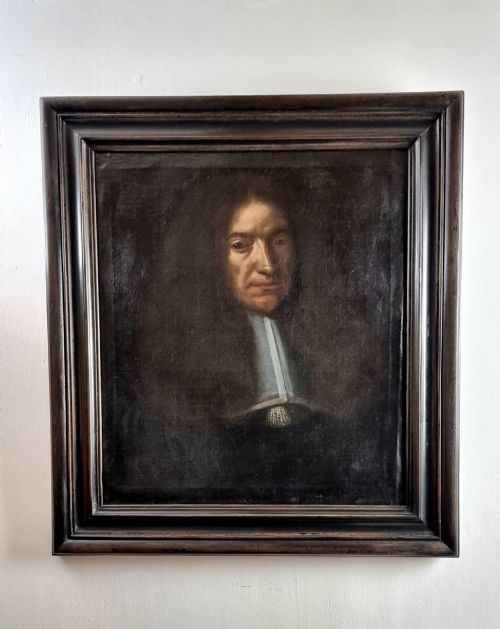
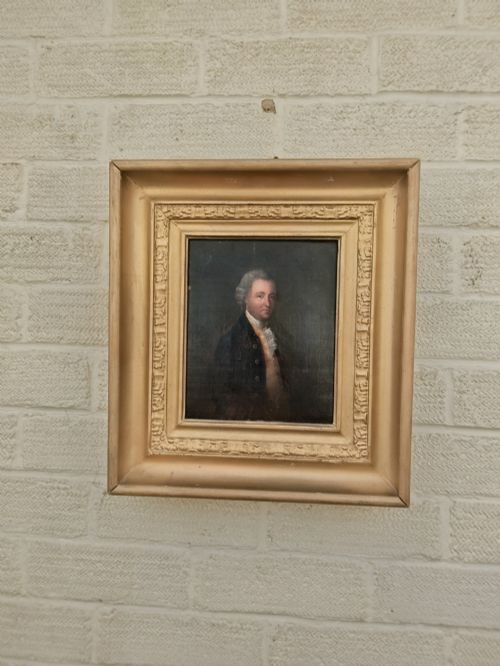
Stylistic clues such as clothing, hair styles, and framing conventions help distinguish one century from another. Seventeenth-century pieces often feature lace collars, armour, and darker palettes, while eighteenth-century sitters frequently wear powdered wigs, waistcoats, and open coats.
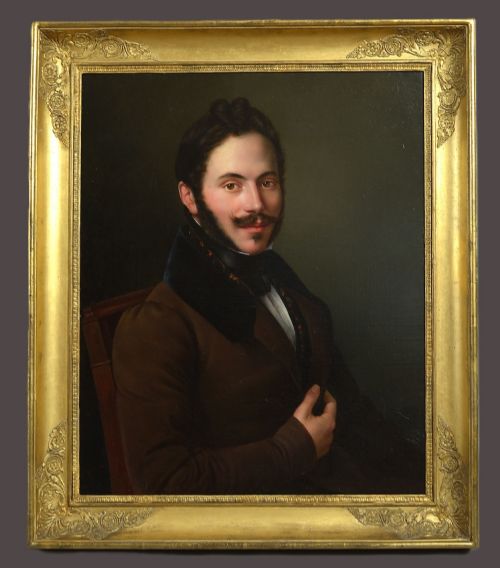
Nineteenth-century works shift toward contemporary civilian tailoring, more natural hair styles, and different canvas proportions. Examining the back of the canvas, stretcher bars, and framing techniques also yields clues to the age of the object.