
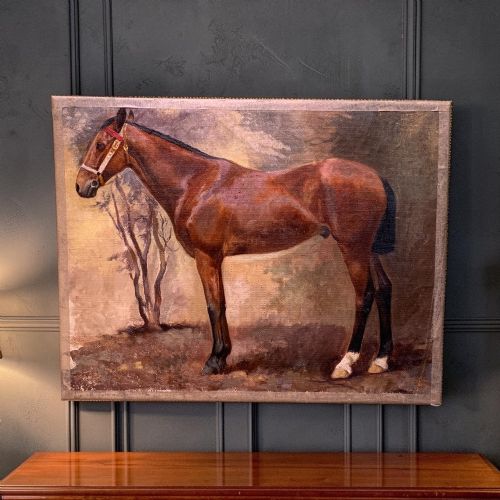


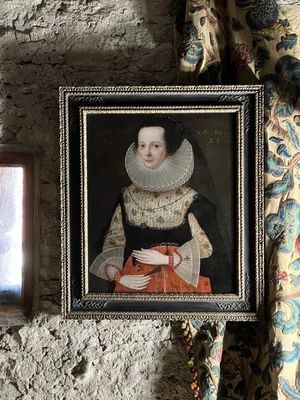
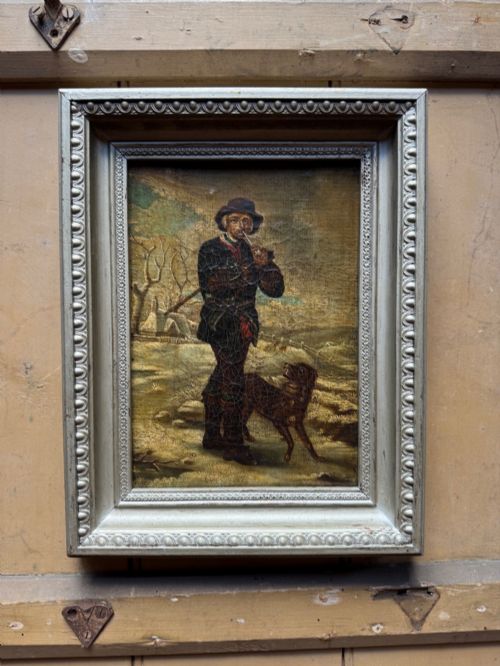
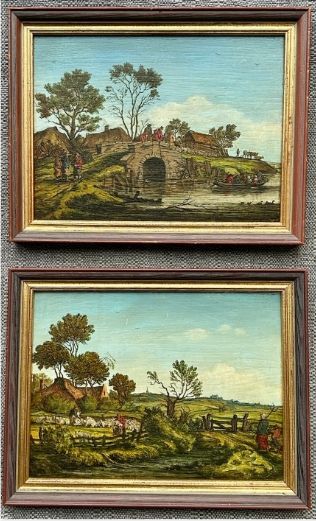
Traditional Oil Artwork
Traditional oil artwork brings centuries of handled pigment and woven canvas into a room, offering enduring portraiture and pastoral scenes.
What traditional oil artwork pieces are
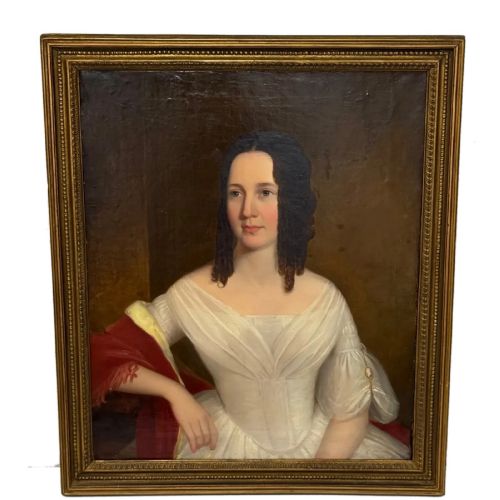
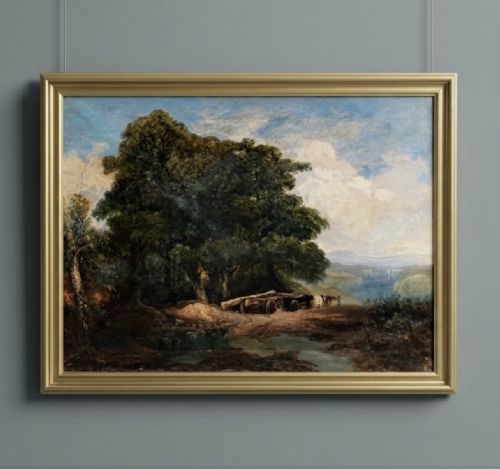
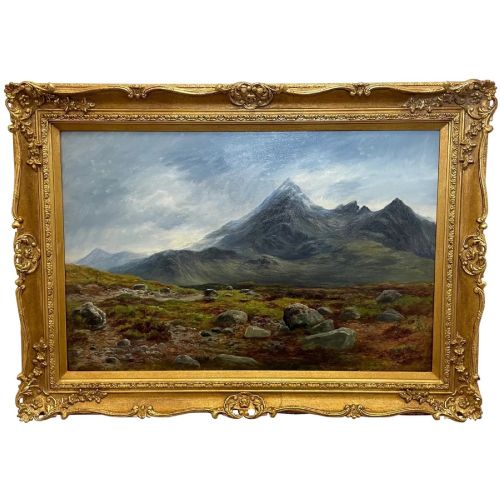
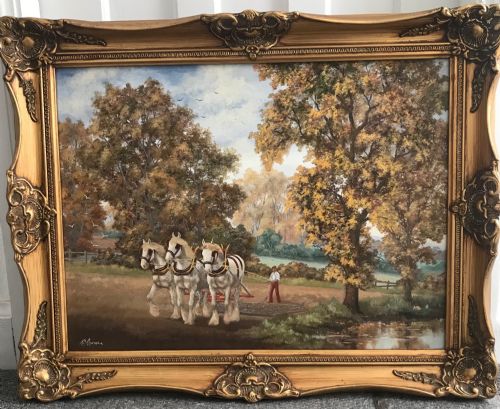
Traditional oil artwork encompasses framed paintings executed in oil paint across several distinct periods, ranging from the eighteenth century to the mid twentieth century. Buyers seeking this phrase encounter varied subjects, including individual portraits, botanical still lifes, and wide landscapes.
The selections on this page span Georgian, Victorian, Edwardian, and Baroque Revival styles, alongside early twentieth-century and mid-century works. These pieces often arrive set within decorative giltwood or wooden frames.
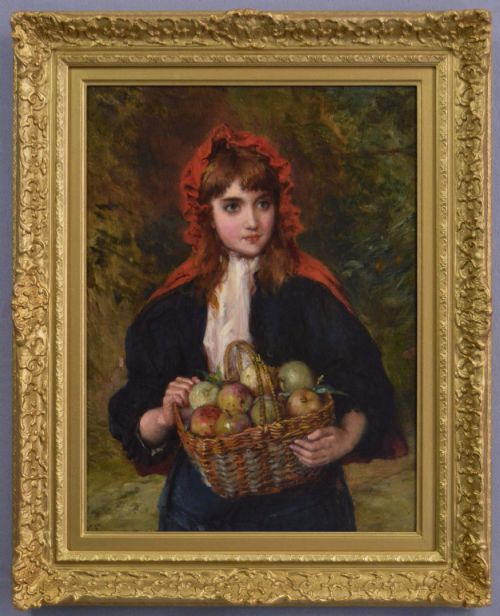
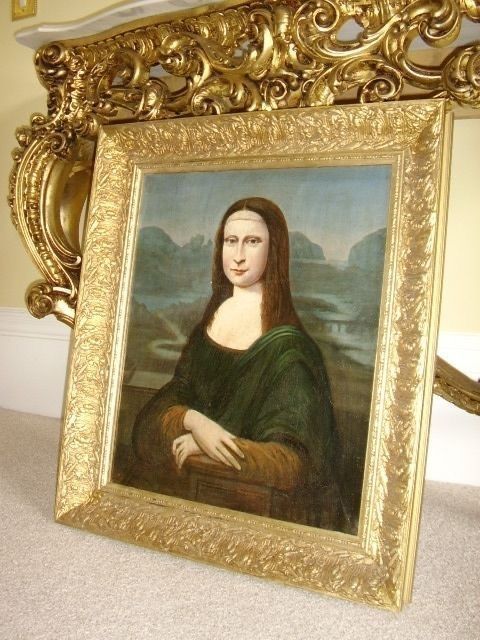
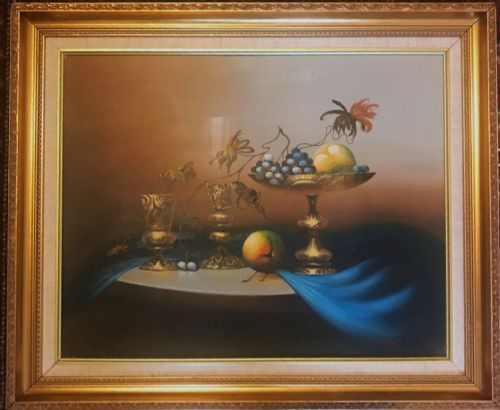
Portraits dominate the offerings, depicting historical figures, prominent individuals such as Bristol tycoons, and ladies in the manner of established masters. Alongside portraits, buyers find landscapes and detailed studies of baskets filled with apples and grapes.
How traditional oil artwork pieces were made
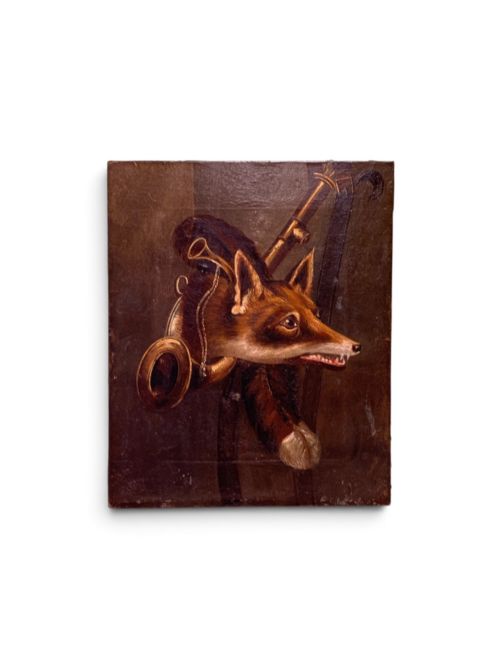
Makers applied oil paint directly onto stretched canvas or prepared wooden boards, building up rich textures and deep tones over time. Some works utilise heavy opaque gouache alongside traditional oils to achieve specific visual effects.
Frames frequently incorporate gold leaf and gilt wood, providing an ornate boundary that complements the painted surface within.
Retail Price Guide 2026
Typical UK retail prices for traditional oil artwork, calculated from the Sellingantiques database of over a million retail prices indexed since 2003. This retail price guide relies exclusively on Sellingantiques data; no external sources or auction records are used, so the figures do not describe the wider market.
Apples and grapes frequently posed patiently in fruit baskets, enduring hours of artistic scrutiny without bruising.
What varies in quality
The framing also dictates distinction, where genuine period giltwood enhances the visual weight and historical integrity of the canvas it surrounds.
Michael Dahl·Sir John Gilbert·Godfrey Kneller
The Traditional Oil Artwork Glossary
- Oil on Canvas
- A traditional painting medium where oil-based pigments are applied to a woven fabric stretched across a wooden frame. This combination allows for subtle blending and rich surface textures.
- Giltwood
- Timber that has been coated with a thin layer of gold leaf or gold paint. It frequently appears on ornate period picture frames designed to complement traditional paintings.
- Still Life
- An artwork depicting inanimate subject matter, typically commonplace objects such as baskets of fruit or cut flowers. These compositions focus on rendering light, shadow, and texture.
- Baroque Revival
- A nineteenth-century stylistic movement that revived the drama, exuberant ornamentation, and grandeur of the seventeenth-century Baroque era. Works in this style often feature theatrical lighting and rich decorative frames.
Frequently Asked Questions
How do I care for an oil painting?
Keep the artwork away from direct sunlight and dramatic fluctuations in temperature or humidity. Avoid using commercial cleaners on the painted surface.
Dust the canvas and frame gently with a soft, dry brush as needed. Professional conservation should be sought for any structural repairs.
How can I tell the period of a painting?
Examine the materials of the canvas, stretcher bars, and frame for signs of age. Nail types, canvas weave, and wood oxidation often provide clues to the decade of creation.
Stylistic conventions in clothing, hair, and portrait composition also help narrow down the historical era.
What is a portrait circle or manner?
Attributions to a circle indicate the artist worked in proximity to a master, sharing similar techniques and style. Manner implies the work follows the distinct artistic approach of a known painter.
These designations help contextualise historical pieces where direct signatures are absent.
Where should I hang a traditional oil painting?
Select an interior wall with stable ambient conditions, away from radiators, fireplaces, or damp areas. Position the artwork at eye level to appreciate the brushwork and detail.
Pairing the gilt frame with traditional interior lighting enhances the depth of the oil pigments.