




Traditional Oak Sofa Table
A traditional oak sofa table brings enduring timber grain and practical surface area directly behind a sofa or into a hall.
Traditional Oak Sofa Table
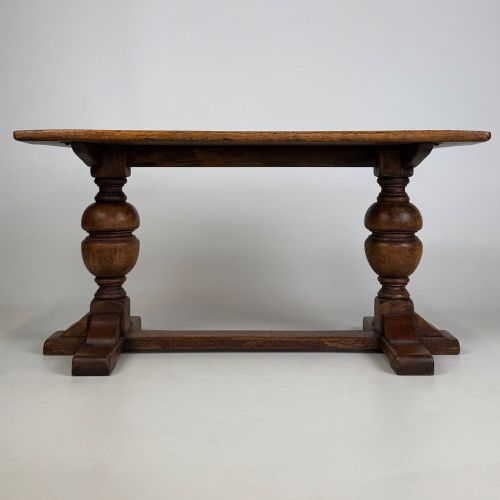
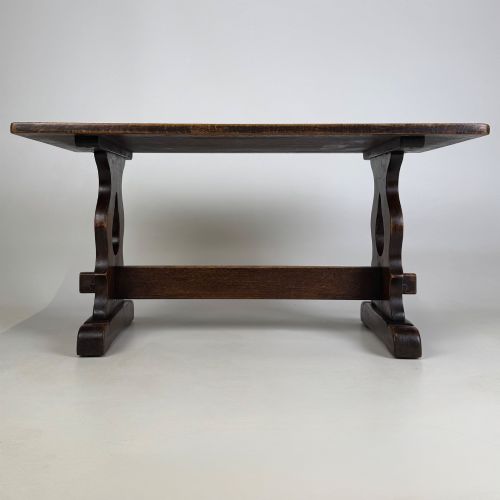
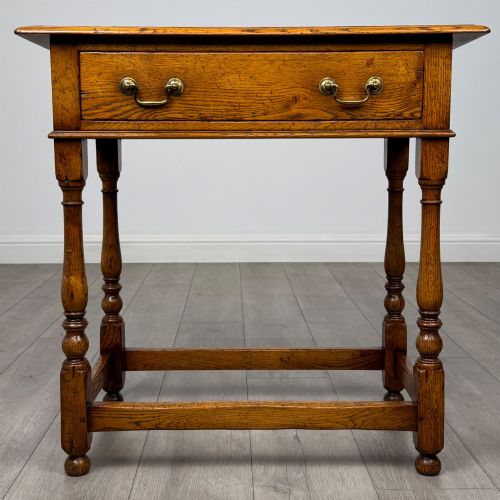
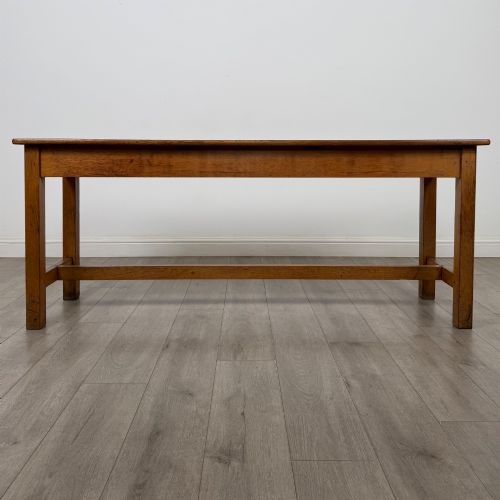
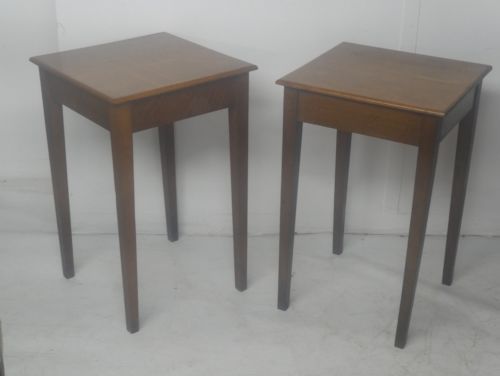
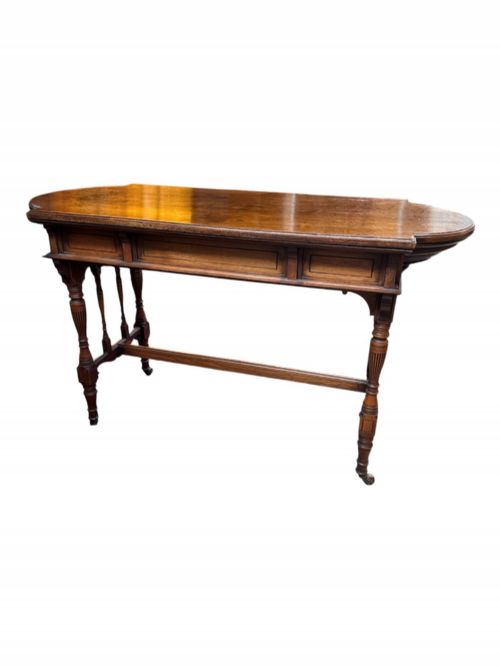
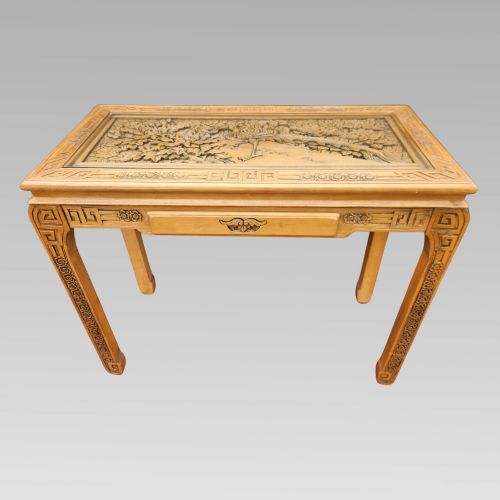
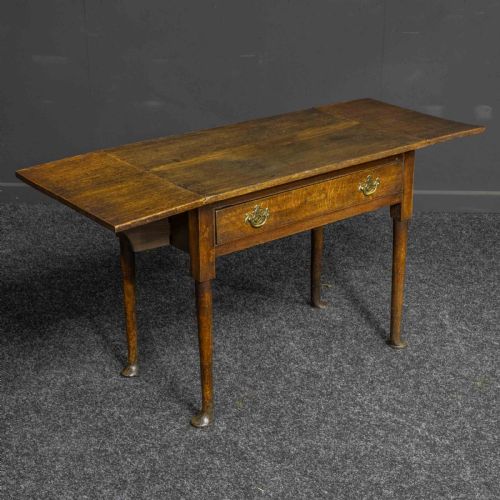
A traditional oak sofa table appears primarily in forms such as side tables, console tables, and coffee tables, drawn from periods spanning the Victorian era through the Edwardian years and into the early twentieth century. These pieces serve domestic spaces by offering sturdy wooden surfaces shaped by regional British styles like English and Scottish country craftsmanship.
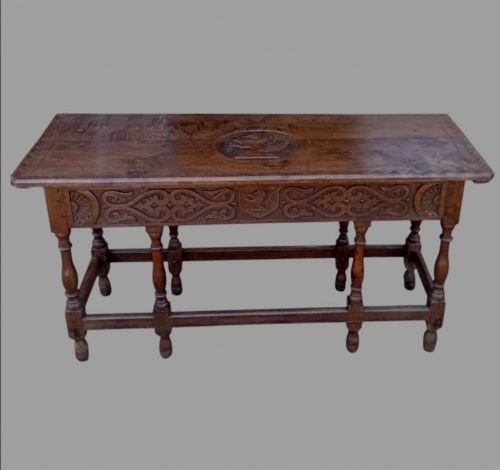
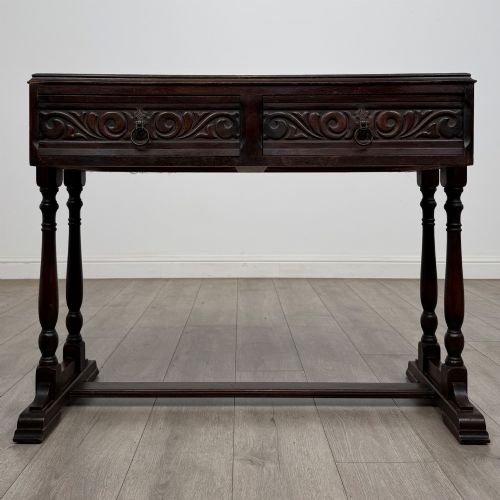
The inventory on this page shows variations including carved oak hall tables, solid oak oblong tables, and occasional pieces linked to Jacobean Revival or Arts and Crafts movements. Buyers seeking a traditional oak sofa table will find examples ranging from compact Edwardian coffee tables to larger nineteenth-century refectory or console forms.
How they were made
Makers utilised solid oak alongside brass and metal hardware, shaping the timber through traditional joining and occasional surface carving.
Some pieces incorporate distinctive finishes such as bleached or golden oak treatments, reflecting the period preference for highlighting natural grain figures.
Object forms grouped under this search range from small coffee tables and lamp tables to console and refectory serving tables.
What varies in quality
The standard of timber selection and the precision of surface carving largely define the character of each piece, distinguishing simple utility items from more decorative examples.
Structural integrity relies on the quality of the original joinery and the condition of the oak, where depth of colour and surface patina indicate age and wear.
The Traditional Oak Sofa Table Glossary
- Oak
- A durable hardwood valued for its prominent grain pattern and strength in traditional furniture making. It forms the primary material for the pieces gathered here.
- Console table
- A table designed to stand against a wall, frequently used in hallways or living spaces. These pieces often feature narrow rectangular tops supported by legs or brackets.
- Edwardian
- Pertaining to the period from nineteen hundred to nineteen ten, characterised by lighter furniture forms and revived historical styles. Pieces from this era often display clean oak surfaces.
- Jacobean Revival
- A nineteenth-century style imitating seventeenth-century English decoration, featuring turned legs and carved panels. This aesthetic appears frequently in heavier oak tables.
Traditional Oak Sofa Table: Frequently Asked Questions
Where should I place a sofa table?
A sofa table traditionally sits immediately behind a low sofa in an open room layout, providing a stable surface for lamps or books.
Alternatively, many buyers position these narrow tables against hallway walls or beneath windows where floor space is limited.
How do I identify Edwardian oak furniture?
Edwardian oak pieces typically date from the first decade of the twentieth century and often show lighter golden tones compared to darker Victorian timber.
Makers during this period frequently combined functional proportions with restrained carving influenced by Arts and Crafts ideals.
Are these tables made of solid oak?
The listings include pieces described as solid oak alongside items built primarily from oak with complementary secondary timbers.
Examining the grain pattern across the top and sides helps determine the construction method used by the maker.
How do I care for antique oak surfaces?
Antique oak benefits from regular dusting with a dry cloth and occasional application of appropriate beeswax to nourish the timber grain.
Keeping wooden furniture away from direct heat sources and strong sunlight prevents the oak from drying out or splitting over time.