


Traditional Oak Serving Table
These traditional oak serving table examples bring sturdy timber and honest utility to a room, offering surface space rooted in centuries of craftsmanship.
Traditional Oak Serving Table
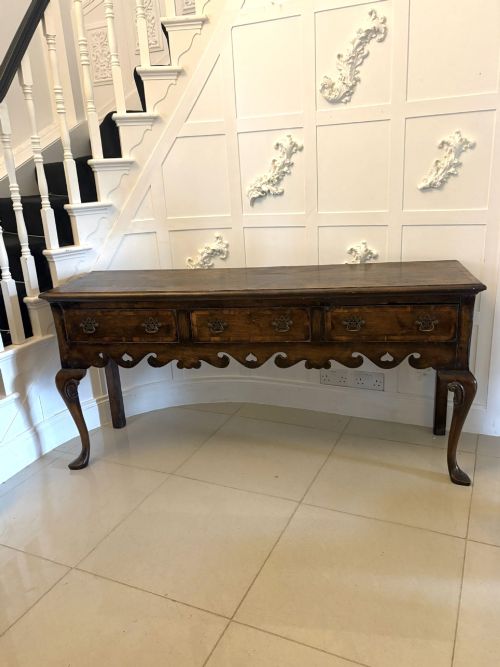
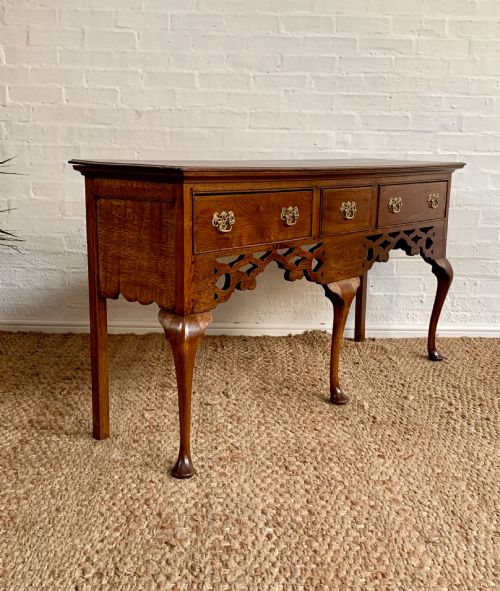
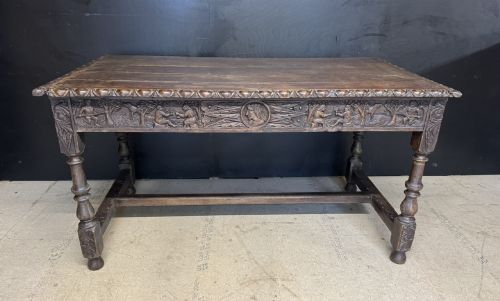
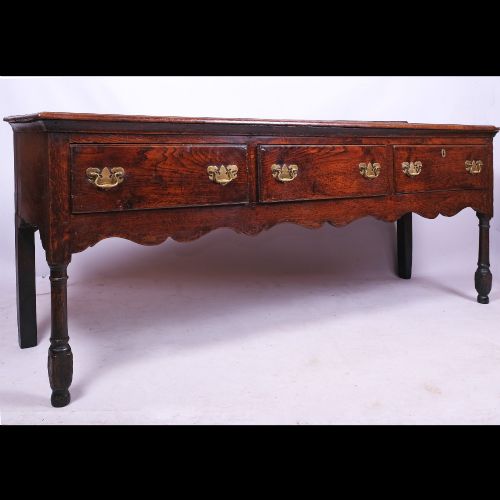
A traditional oak serving table encompasses robust furniture forms designed for practical service, spanning dresser bases, sideboards, refectory styles and tray tables. You will frequently encounter sturdy 19th-century and Edwardian pieces, alongside earlier 18th-century forms featuring substantial timber construction.
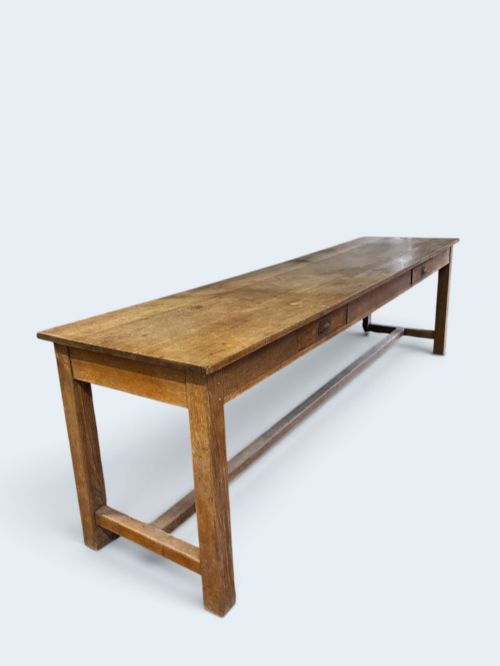
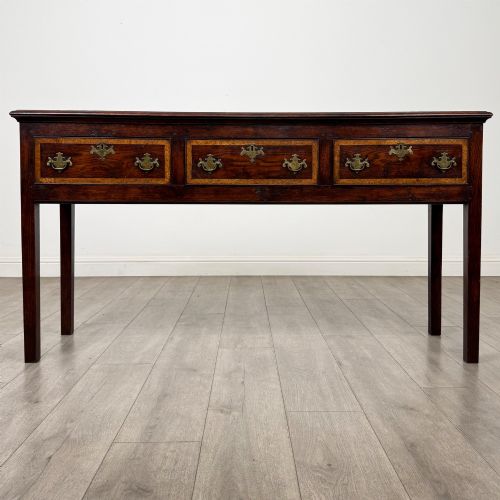
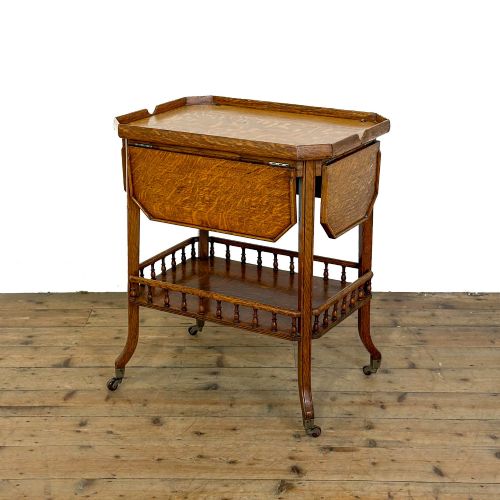
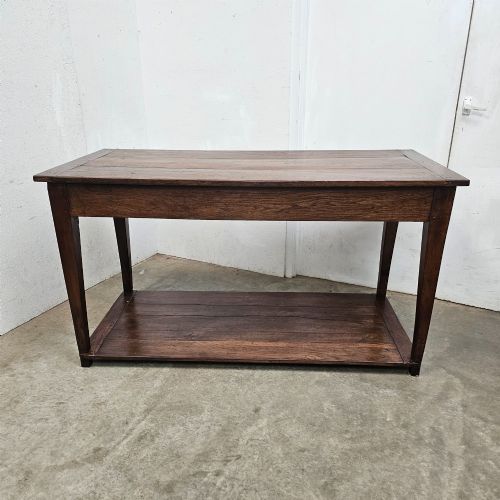
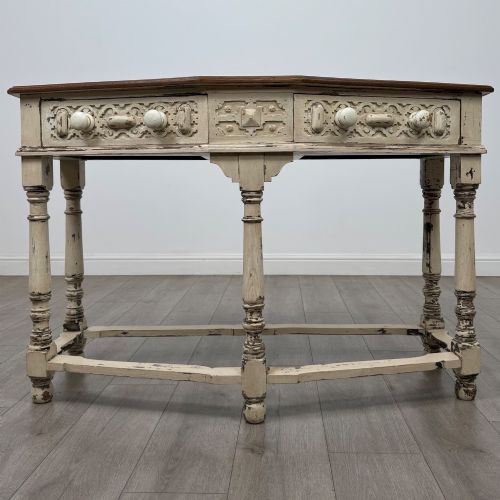
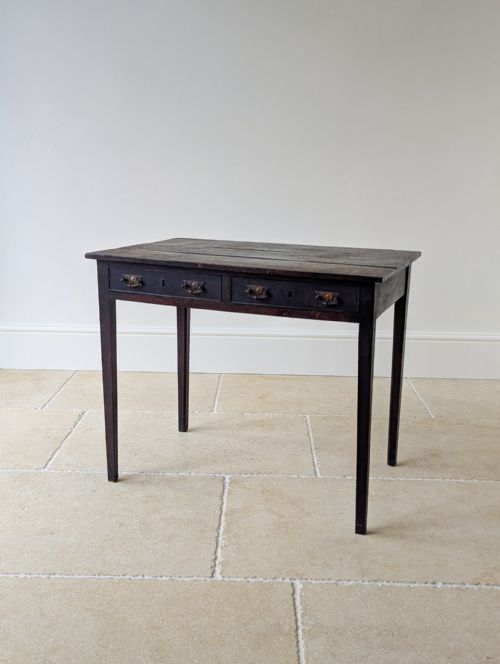
The selection ranges from rustic farmhouse tables with drawers to elegant Georgian-style console tables and folding butler's trays. These items serve equally well in dining rooms for food presentation or in hallways as decorative console surfaces.
How they were made
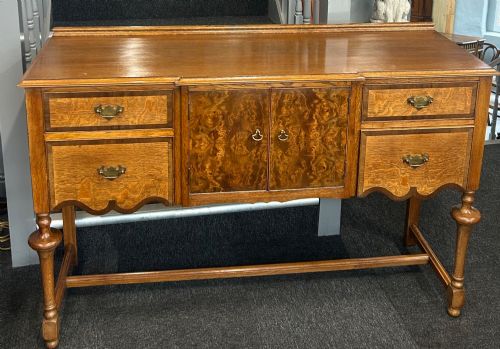
Makers utilised solid oak, often complemented by secondary timbers, brass hardware and iron fixtures to build durable furniture designed for daily use. Surfaces display the natural grain of the wood, sometimes enhanced through bleaching, carving or contrasting burr walnut veneers.
Construction techniques rely on traditional joinery methods appropriate to the period, whether dealing with 18th-century turned legs or Edwardian two-tier trolleys. Carved detailing appears on specific styles like Gothic revival or country house pieces, adding texture to the solid timber frames.
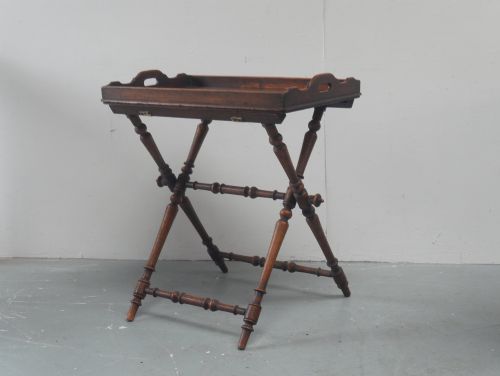
Some folding tray stands still bear the faint, irregular ink stains of long-vanished afternoon teas poured in Victorian drawing rooms.
What varies in quality
Quality rests in the selection of the timber and the integrity of the construction, distinguishing humble utility items from finer formal furniture. Dense solid oak with a rich, natural grain and careful proportioning separates superior pieces from heavier or clumsier proportions.
The refinement of the carving and the preservation of original surfaces also dictate the standing of a piece. Subtle details such as well-fitted drawers, authentic hardware and clean turning on legs elevate the overall presence of the table.
The Traditional Oak Serving Table Glossary
- Dresser base
- A low sideboard or serving table typically fitted with drawers along the front. This form originated in country houses for food preparation and service.
- Butcher's tray
- A removable wooden tray set upon a folding or fixed wooden stand. Portable tray tables gained popularity during the 19th century for serving drinks or meals.
- Refectory table
- A long, narrow dining or serving table traditionally used in communal dining halls. These pieces feature long stretches of solid oak supported by robust legs.
- Console table
- A table designed to stand flat against a wall, often supported by brackets or legs. Georgian and Edwardian versions bring formal elegance to entrance halls.
- Burr walnut
- A figured wood veneer harvested from the burl growths of walnut trees. It provides a rich, swirling contrast when combined with oak cabinetry.
Traditional Oak Serving Table: Frequently Asked Questions
How do I use an oak serving table today?
These tables function brilliantly in dining spaces for laying out food and drinks during gatherings. They also work well in living areas or hallways to display lamps and decorative objects.
The deep drawers and lower shelves provide practical storage for table linens, serving platters or everyday items, combining utility with traditional character.
Are these tables solid oak?
Most examples utilise solid oak construction, sometimes paired with secondary hardwoods for internal drawer linings or structural support. Certain pieces incorporate decorative veneers like burr walnut on secondary surfaces.
Examining the underside and drawer construction reveals the timber composition and confirms the traditional building methods employed by the maker.
How do I distinguish 18th-century pieces from later revivals?
Earlier 18th-century examples often display hand-turned legs, pegged joints, and timber showing the deep patina of age and use. Georgian style and Edwardian revival pieces made around 1900 emulate these historic forms.
Construction marks, tool traces and the specific style of carving help differentiate original antique furniture from later interpretations built in historical revivals.
What is a butler's tray table?
A butler's tray consists of a shallow wooden tray with hinged sides, designed to lift off a folding wooden stand. This portable design allowed servants to clear dishes and transport items easily.
Victorian and Edwardian iterations often double as convenient coffee tables or side stands in contemporary interiors, preserving their dual nature of portability and surface space.