

Traditional Oak Panel Chair
A traditional oak panel chair brings solid timber and sturdy joinery into a room, offering an enduring seat built for daily use.
Traditional Oak Panel Chair
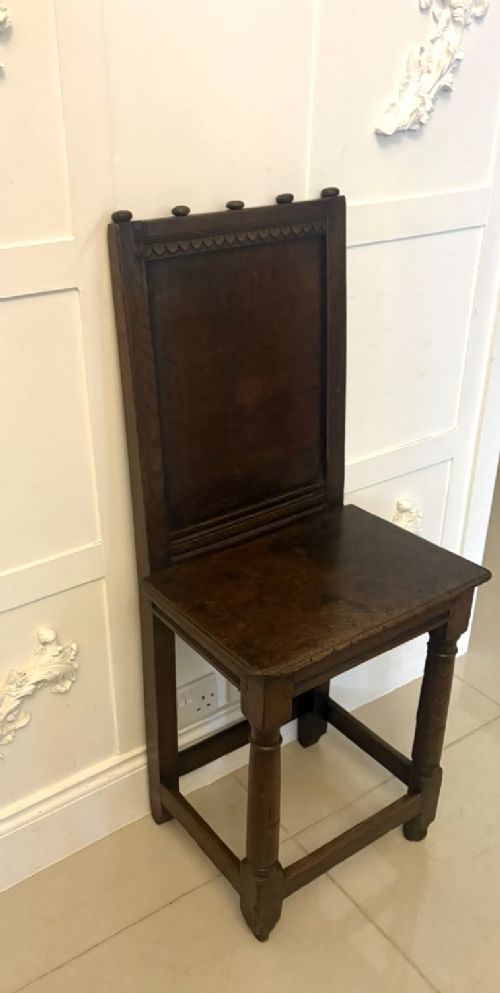
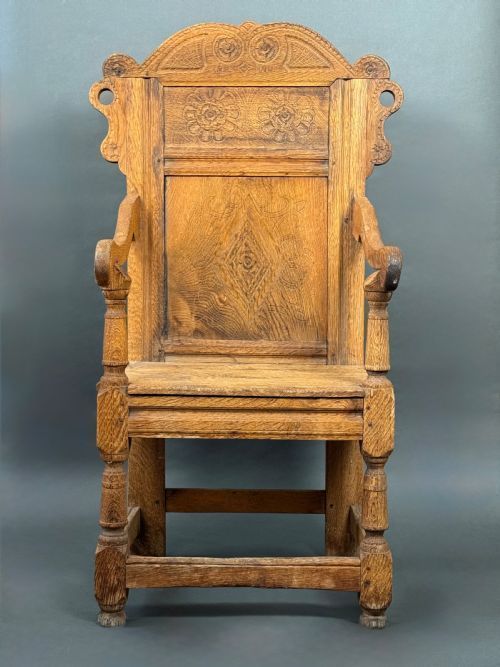
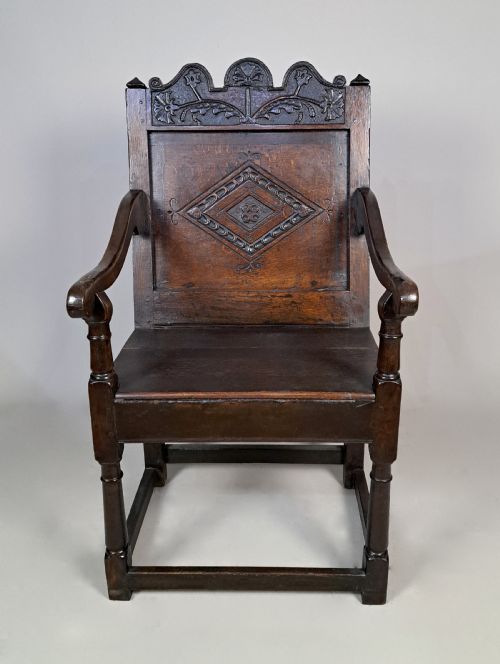
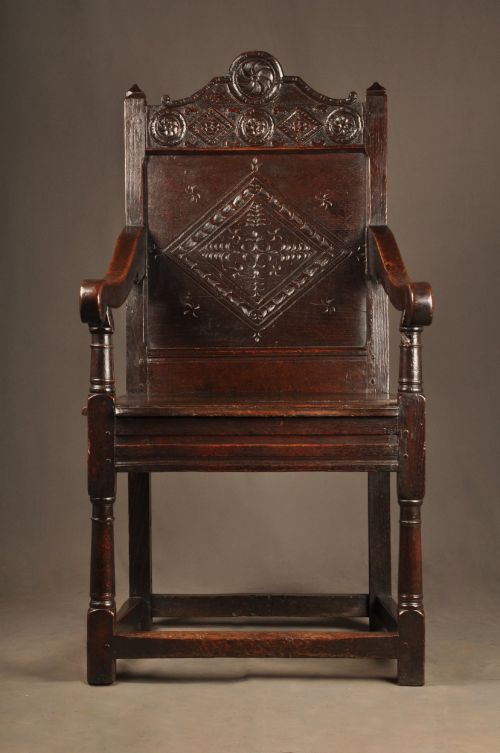
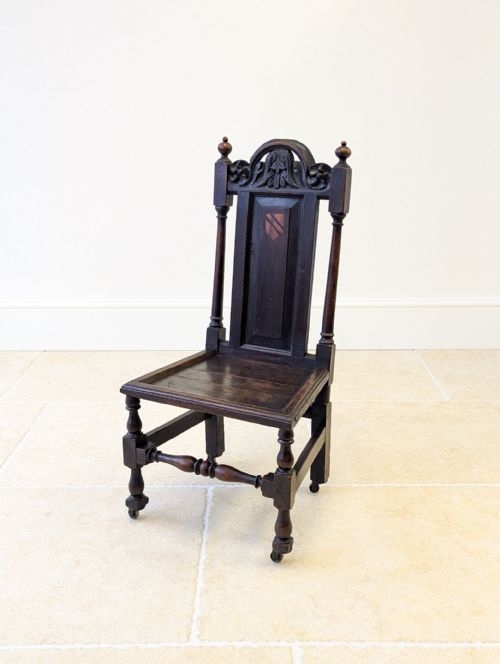
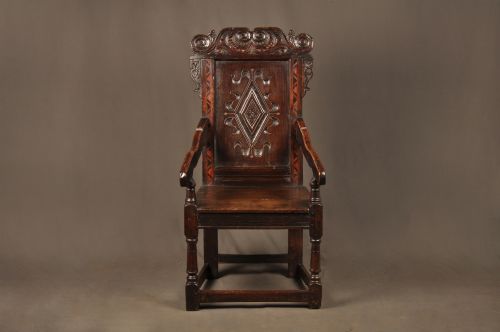
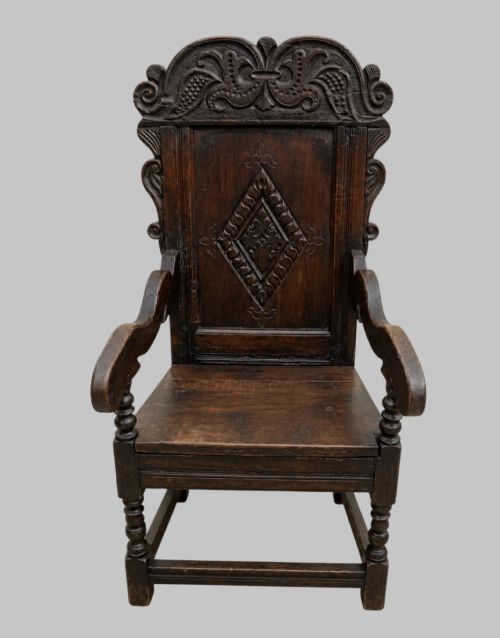
A traditional oak panel chair comprises heavy seating furniture built primarily around solid wood construction and distinct solid backs. When you search for this phrase, you encounter wainscot arms, tall panel backs, and robust side chairs originating from periods spanning the seventeenth century through to later revival eras.
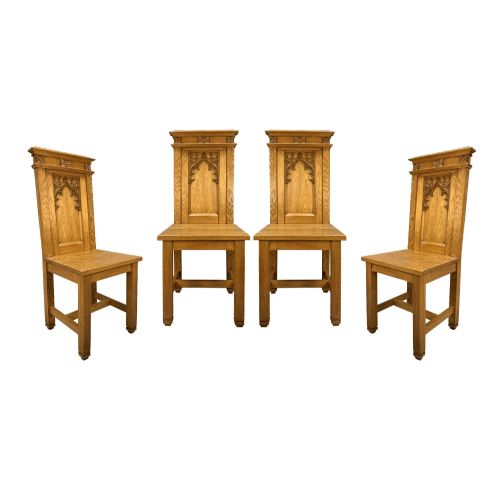
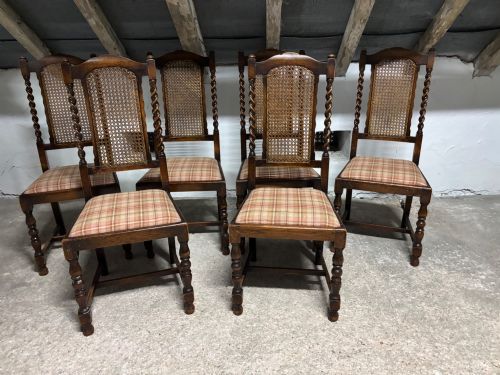
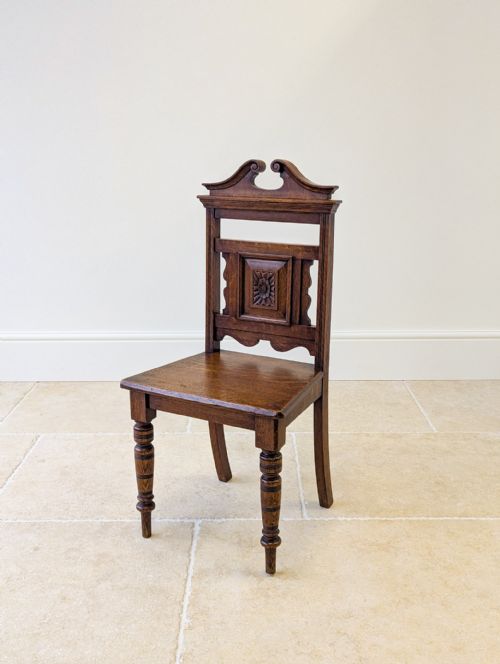
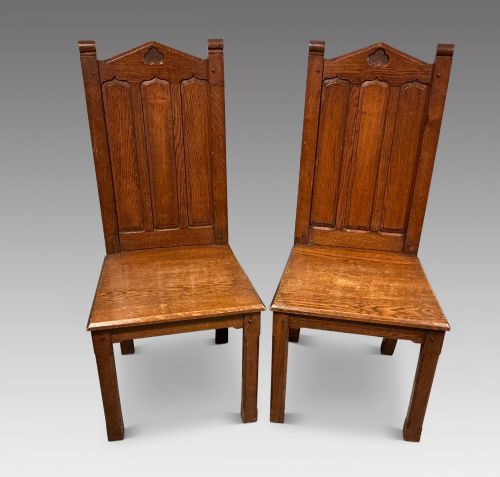
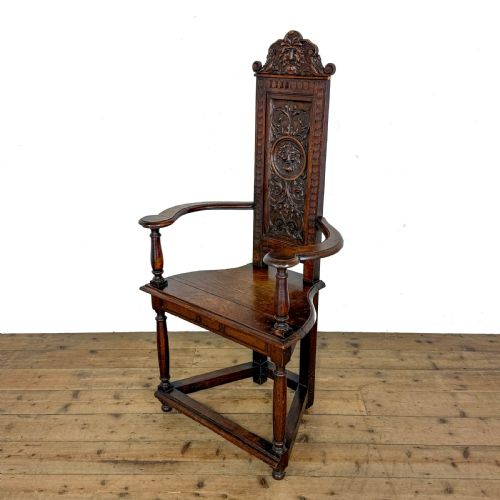
The selections on this page lean heavily towards seventeenth century wainscot armchairs and eighteenth century regional variants, alongside nineteenth century Jacobean revival pieces. You also find sets of dining chairs, hall chairs, settles, and occasional benches sharing the same heavy timber vocabulary.
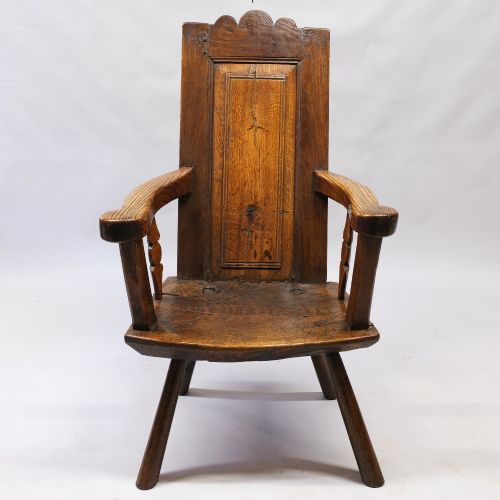
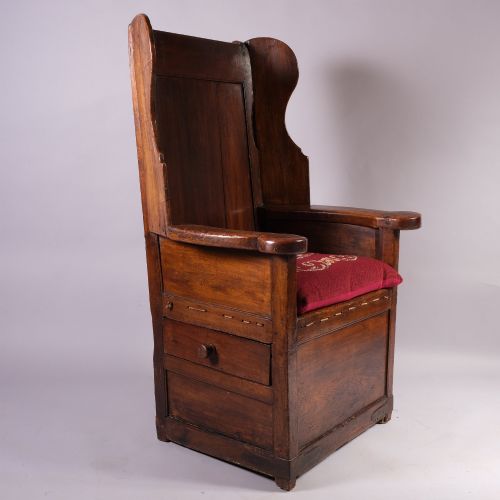
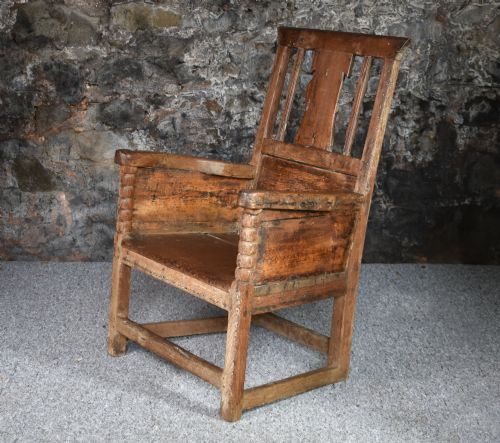
Regional forms appear frequently, from North Wales and Yorkshire workshops to Fair Isle crofter seating. These regional variations alter the proportions and carving motifs while retaining the core panel construction.
What varies in quality
The integrity of the original framing and the extent of timber survival determine the standing of an example. Chairs retaining their primary pegged joints and unthinned panels hold greater structural honesty than those subjected to extensive later timber replacement.
Carving depth and execution set individual pieces apart, moving from plain functional vernacular boards to deeply carved lunettes, scrolls, and crest rails. The sharpness of the carving and the coherence of the regional style dictate how an example is regarded.
Listings feature oak material predominantly, alongside elm, pine, fabric, and brass across periods spanning the seventeenth century to the 1930s.
The Traditional Oak Panel Chair Glossary
- Wainscot
- A heavy wooden armchair featuring a solid panel back and solid wooden seat, common in the seventeenth and eighteenth centuries.
- Joint stool
- A sturdy four-legged wooden stool built with mortise and tenon joints, serving as a precursor or companion to panel chairs.
- Settle
- A wooden bench featuring a high solid panel back and enclosed arms to block draughts, often incorporating storage beneath the seat.
- Stile
- The upright vertical member forming the outer edge of a chair back or panel frame.
- Jacobean Revival
- A nineteenth and early twentieth century design movement that copied or reinterpreted the heavy carved oak styles of the early seventeenth century.
Traditional Oak Panel Chair: Frequently Asked Questions
How do I identify a genuine period panel chair?
Examine the construction methods, tool marks, and timber shrinkage patterns visible on the frame and underside. Genuine early pieces display hand-riven grain, pegged tenons, and wear appropriate to centuries of handling.
Compare the carving style and proportions against documented regional examples from the seventeenth or eighteenth centuries. Consistency in timber oxidation and traditional joinery helps distinguish authentic vernacular work from later revival interpretations.
Are these chairs comfortable for daily use?
Traditional panel chairs feature upright wooden seats and straight backs designed for posture rather than lounging. Adding a loose cushion provides extra comfort for modern sitting habits.
Their solid construction makes them remarkably durable for everyday placement in hallways, dining rooms, or studies. The heavy timber frames withstand constant use without losing structural stability.
How should I care for old oak furniture?
Maintain a stable indoor humidity level to prevent the solid oak panels and framing from drying out or splitting. Avoid placing the chair near direct heat sources or in strong sunlight.
Apply traditional beeswax periodically to nourish the timber surface and maintain a soft sheen. Avoid modern silicone polishes that build up a sticky residue over time.
What is the difference between wainscot and hall chairs?
Wainscot chairs are substantial armchairs featuring high panelled backs and solid wooden seats, historically reserved for the head of a household. They possess a heavy, architectural presence.
Hall chairs are lighter side chairs, often produced in the Victorian era during the Gothic and Jacobean revivals. They usually lack arms and were designed for temporary seating in entrance spaces.