




Traditional Oak Library Bookcase
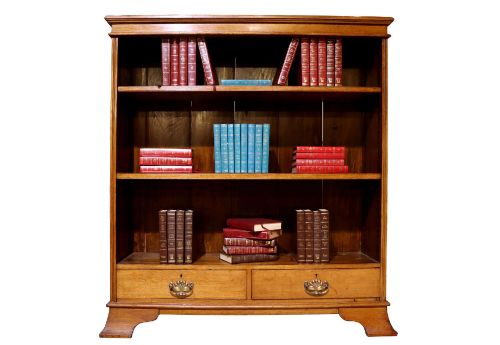
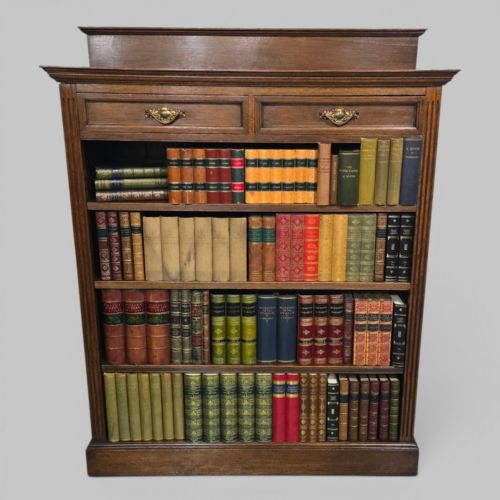
A traditional oak library bookcase brings scale and grain to a room, offering sturdy open shelving designed to hold substantial volumes.
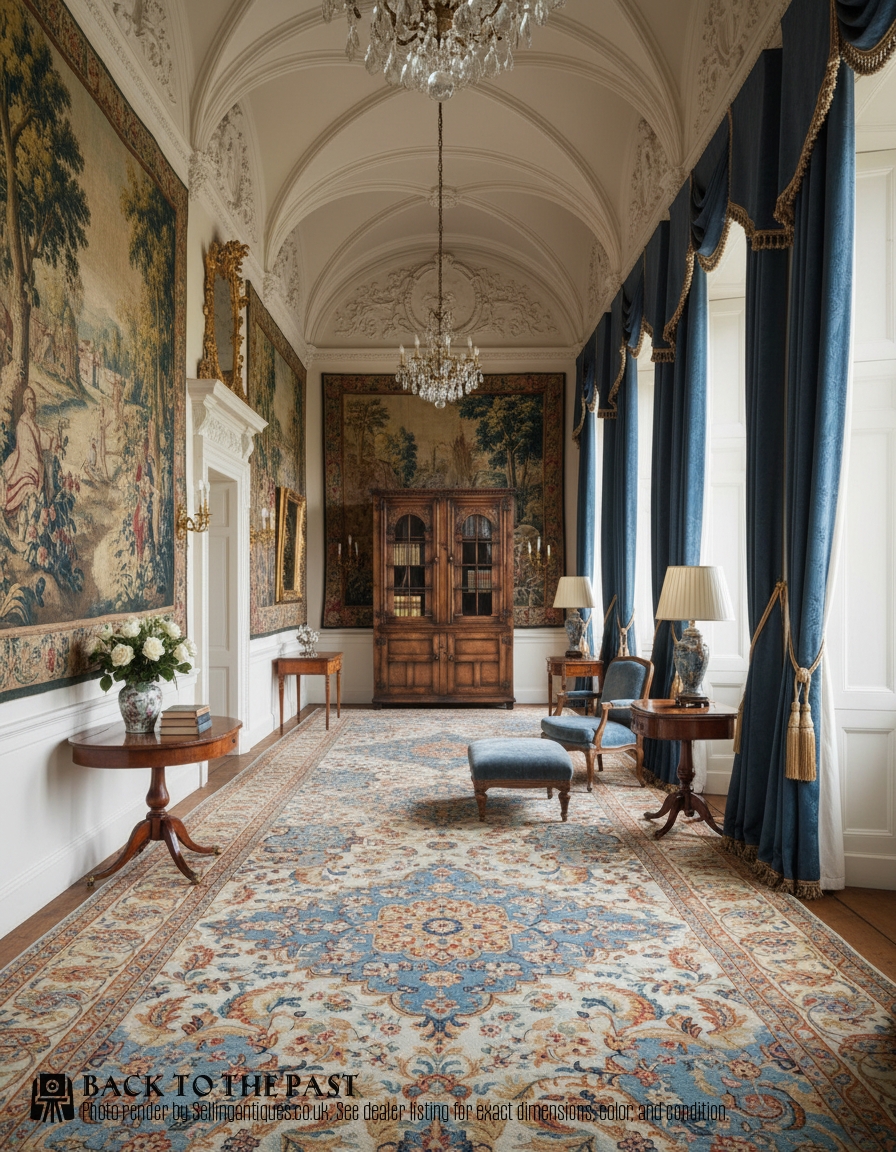
Traditional Oak Library Bookcase
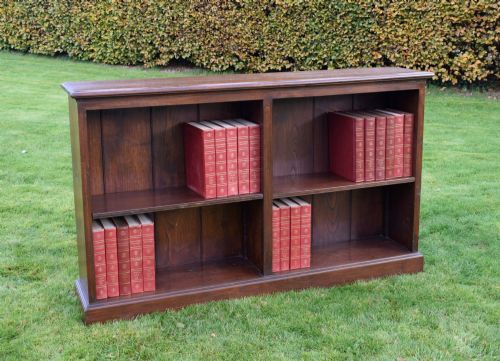
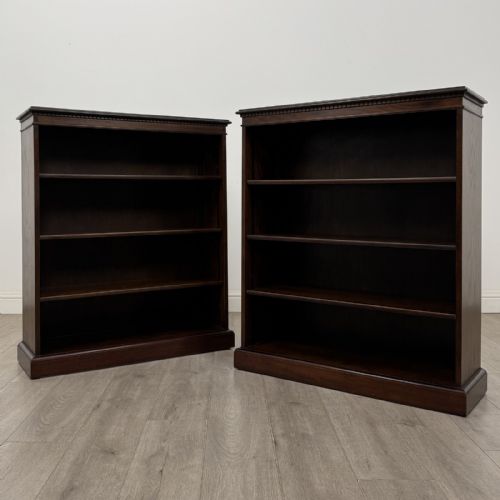
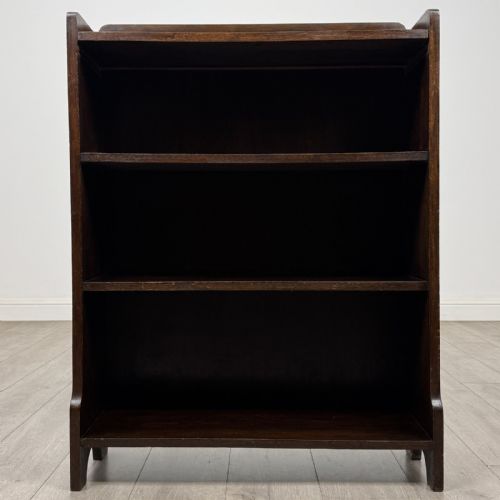
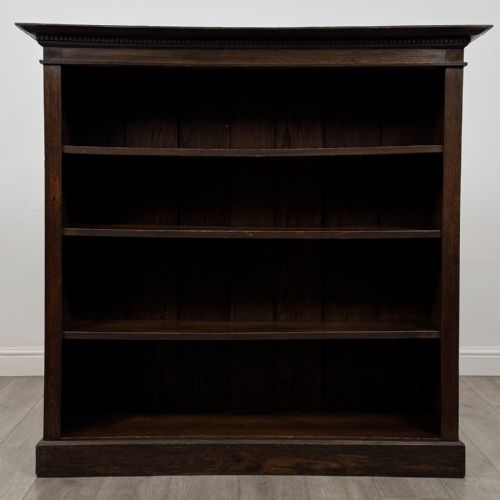
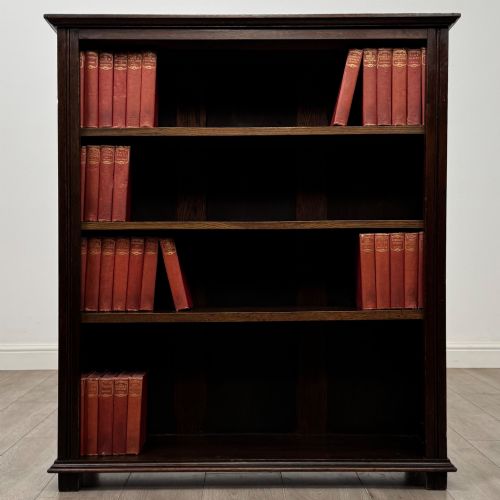
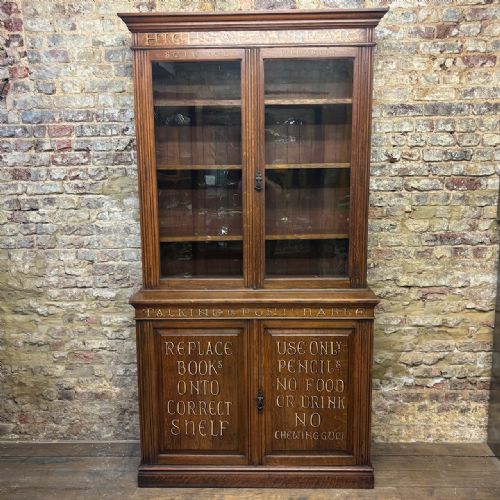
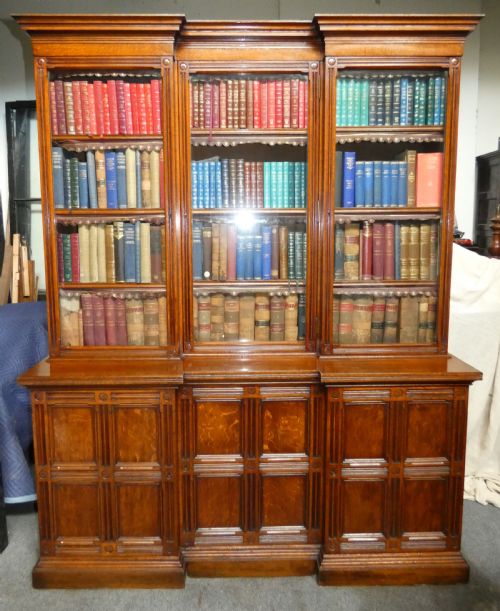
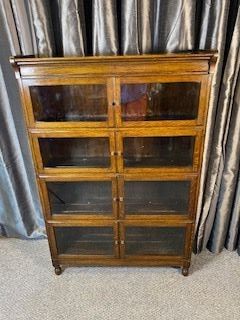
A traditional oak library bookcase stands as a substantial piece of furniture designed for organising and displaying volumes. The selection encompasses open front layouts, glazed door formats, and breakfront configurations spanning the Georgian, Victorian, Edwardian, and early twentieth-century periods.
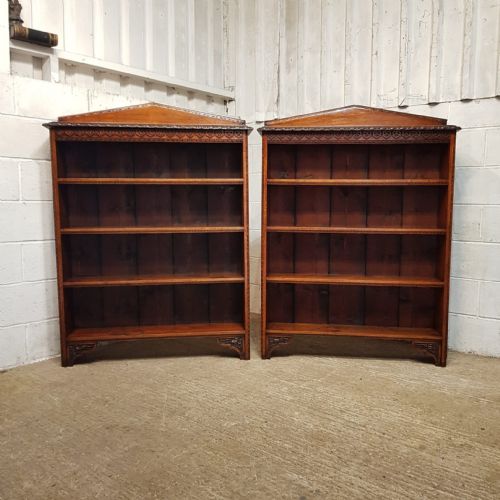
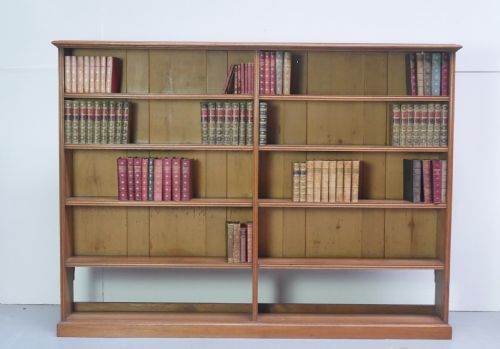
Most pieces encountered on this page utilise open shelving, often with adjustable heights to accommodate varying book sizes. Makers from the nineteenth and early twentieth centuries produced these items in standard standing formats, alongside occasional matched pairs and larger breakfront suites.
Origins stretch from English workshops to French provincial makers, utilising solid timber construction. Alongside standard bookcases, related library furniture such as library steps occasionally appears within the selection.
Materials and Construction
Construction relies primarily on oak, sometimes described as golden oak, paired with secondary timbers for internal partitions and backing boards. Glazed versions incorporate glass panels, while hardware frequently includes brass hinges and iron fixings.
Cabinetmakers utilised traditional joinery techniques to build durable frames capable of supporting heavy rows of books. Adjustable shelving systems employ wooden supports or metal pins set into vertical slots within the bookcase interior.
Traditional Oak Library Bookcase Retail Price Guide 2026
Typical asking prices for traditional oak library bookcase among the pieces listed under this phrase on Sellingantiques today, from the lower quarter to the upper quarter. They describe what is for sale here now, not the wider market.
Samuel Pepys makes an unexpected appearance in nineteenth-century revivals.
Craftsmanship and Proportion
Quality rests in the selection of the oak timber, the precision of the joinery, and the balance of the proportions. Superior examples display thoughtful grain matching across the facade and cleanly finished carved details.
Functionality influences standing value, particularly the smooth operation of adjustable shelf mechanisms and the structural integrity of tall or breakfront bodies. Finer items maintain original hardware and stable, plumb frames without excessive timber movement.
Waring and Gillows
The Traditional Oak Library Bookcase Glossary
- Breakfront
- A cabinet design where the central section projects forward from the flanking outer sections. This architectural arrangement creates depth and visual variety in large library furniture.
- Adjustable shelves
- Shelves that can be moved to different heights within the bookcase interior. This system relies on vertical rows of slots, holes, or ratchets built into the cabinet sides.
- Open bookcase
- A bookcase lacking doors, providing direct access to the books stored within. These pieces often feature graduated shelf depths and decorative top cornices.
- Golden oak
- A bright, warm finish and natural tone applied to oak timber. This appearance gained popularity during the late nineteenth and early Edwardian periods.
- Library steps
- A set of portable wooden stairs designed to reach high bookshelves. They frequently share timber and decorative styles with contemporary library bookcases.
Traditional Oak Library Bookcase: Frequently Asked Questions
What periods do these bookcases cover?
The listings span from the Georgian era through the Victorian and Edwardian periods into the early twentieth century. Pieces also reflect revival styles such as George III and Jacobean influences.
Most items originate from the nineteenth and early twentieth centuries, capturing traditional British cabinetmaking methods and regional variations.
Are the shelves adjustable?
Many of the open bookcases feature adjustable shelves designed to hold books of different heights. This allows the interior layout to adapt as a collection changes.
Makers achieved this using slots or supports set into the inner uprights of the bookcase frame.
What wood was used?
Oak serves as the primary material across the selection, appearing in solid form with rich grain patterns. Some examples are specifically noted as golden oak.
Secondary woods, glass panels, and brass or iron hardware complete the construction of glazed and open variations.