
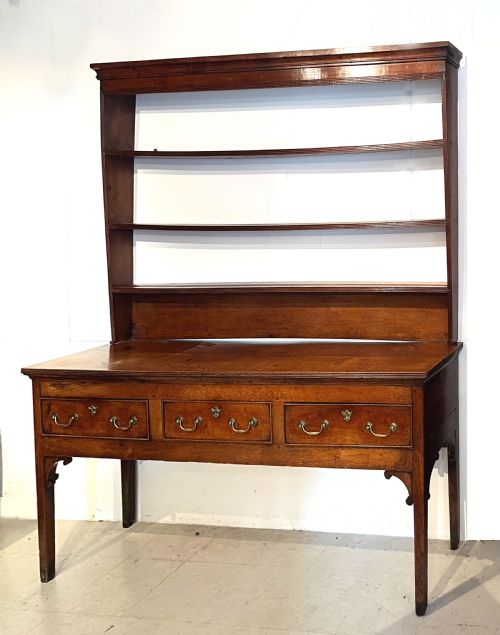
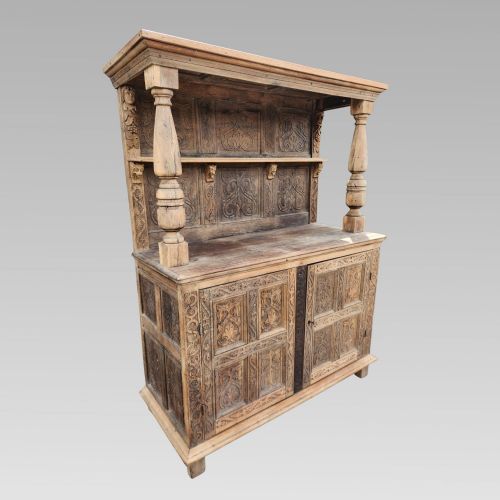


Traditional Oak Kitchen Cabinet
A traditional oak kitchen cabinet brings enduring utility and provincial character to a room, offering heavy timber storage built for domestic life.
Traditional Oak Kitchen Cabinet
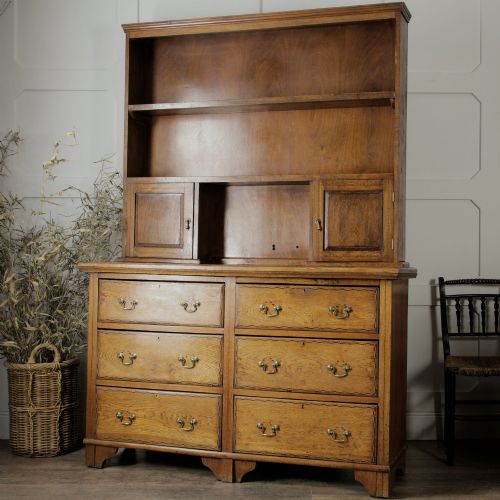
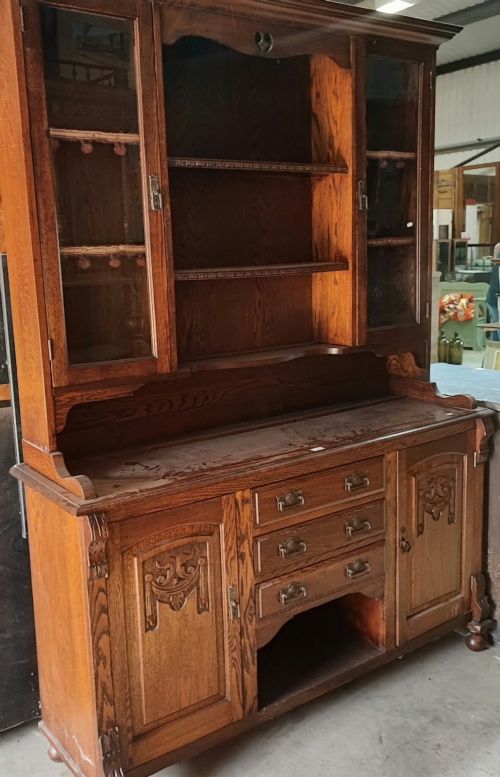
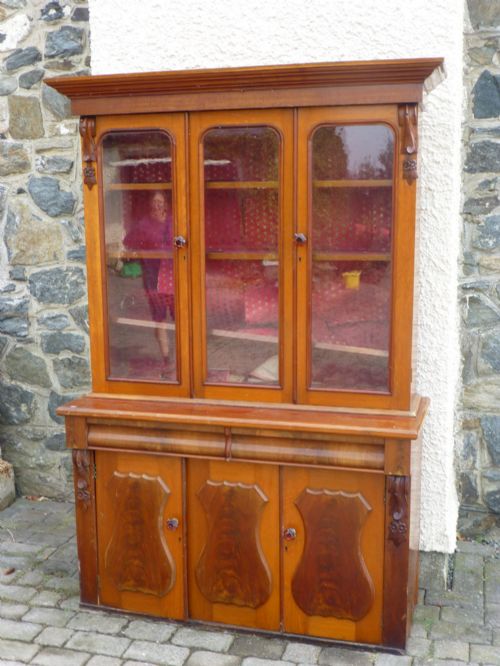
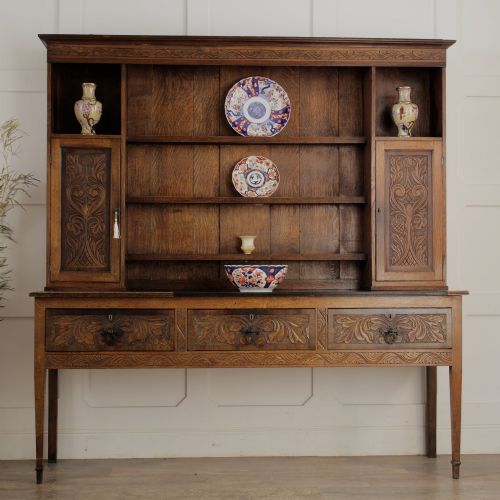
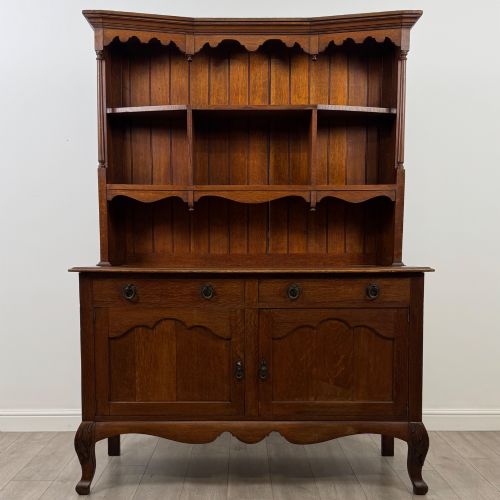
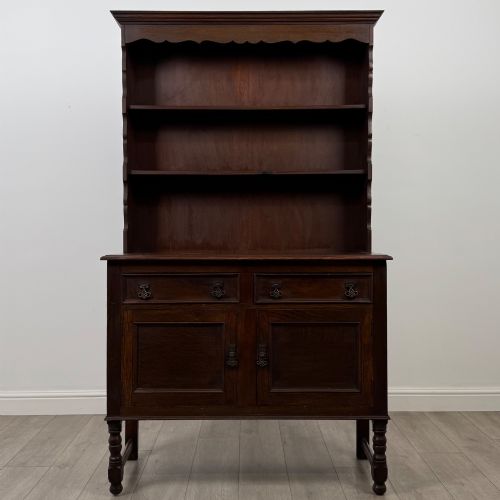
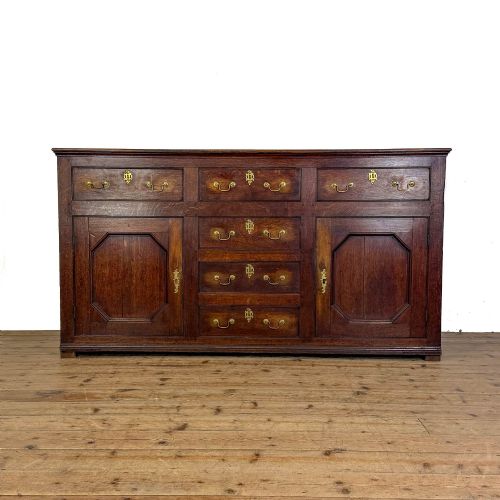
A traditional oak kitchen cabinet encompasses robust storage forms designed for storing provisions, tableware and household linens in country houses and town properties. The pieces on this page span several centuries, drawing heavily from 18th-century, 19th-century and Edwardian traditions.
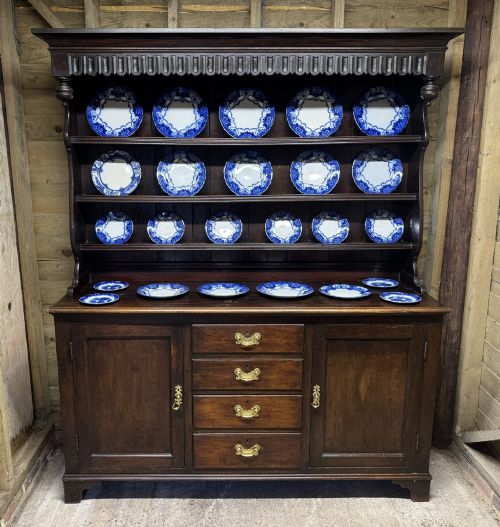
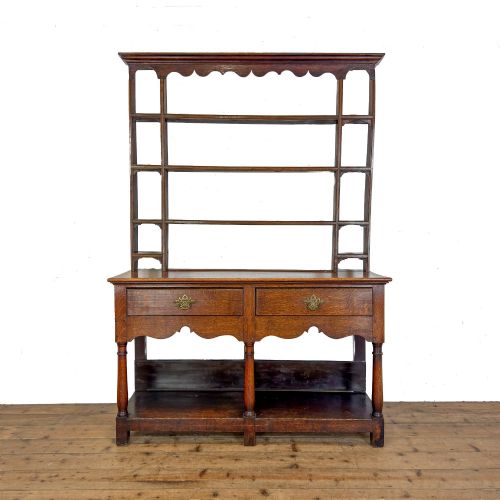
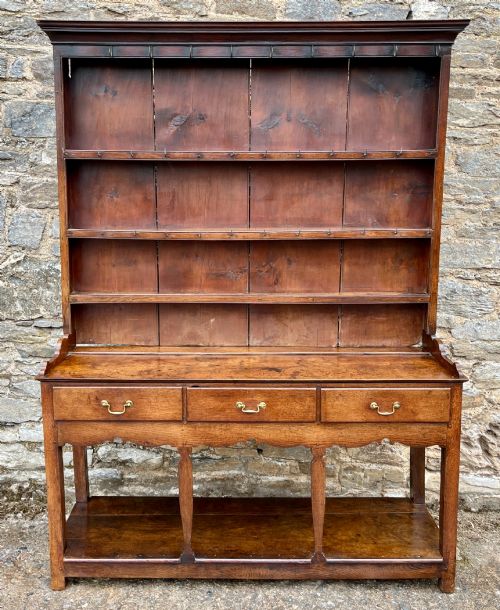
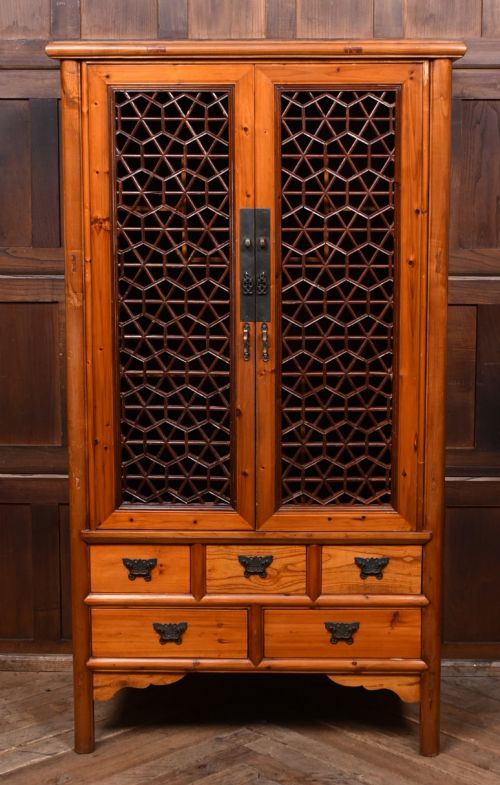
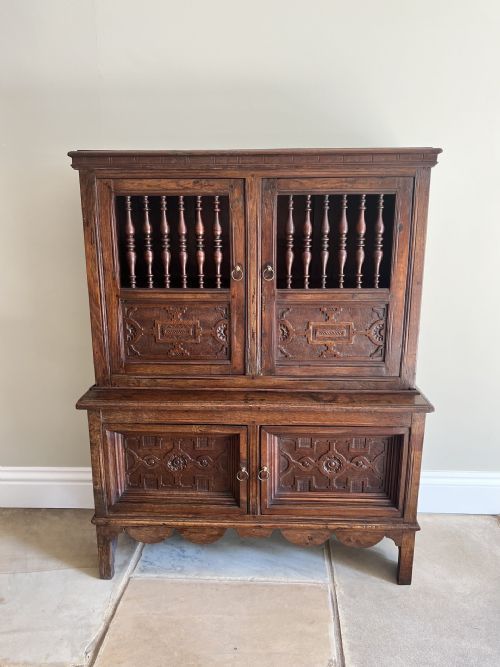
Buyers will most frequently encounter dressers, Welsh dressers with plate racks, housekeepers cupboards and larder cupboards. These forms originate from regional English and Welsh workshops, alongside provincial French and Japanese examples.
Construction relies primarily on solid oak, often paired with secondary timbers like pine or mahogany, supplemented by brass and iron hardware. The forms range from simple potboard bases to expansive glazed bookcase cupboards.
What varies in quality
The distinction between standard utility furniture and superior examples lies in the selection of the timber and the depth of provincial carving. Honey and tiger oak variants display striking grain patterns that elevate the visual weight of a dresser or cupboard.
Proportion and regional fidelity dictate desirability, with vernacular pieces showing crisp drawer moulding and integrated potboards standing apart from later revived styles. Original brass hardware and undisturbed patination on the oak surfaces indicate careful preservation over generations.
Several cupboards retain decades of kitchen smells locked deep inside their ancient oak floorboards.
The Traditional Oak Kitchen Cabinet Glossary
- Potboard
- An open slatted lower shelf on a dresser base traditionally used for storing pots and pans.
- Welsh dresser
- A kitchen cabinet featuring an open plate rack mounted above a base of drawers and cupboards.
- Housekeepers cupboard
- A tall, large storage cabinet traditionally utilised for linens, dry goods and domestic provisions.
- Vernacular
- Furniture built by local country craftsmen following regional traditions rather than metropolitan pattern books.
Traditional Oak Kitchen Cabinet: Frequently Asked Questions
How do I date an oak dresser?
Dating relies on examining construction methods, timber selection and handle types. Hand-cut dovetails and pegged joints generally indicate earlier 18th-century or Georgian origins.
Later Victorian and Edwardian examples often utilise machine-sawn backing boards and different internal framing techniques while retaining traditional oak materials.
What is the difference between a dresser and a housekeepers cupboard?
A dresser typically includes an open plate rack or display shelves above a lower section of drawers and cupboards. It served both storage and display functions in the kitchen.
An estate or housekeepers cupboard is a fully enclosed, tall storage piece designed primarily for hiding away linens and provisions behind heavy doors.
Where were these cabinets made?
Many pieces originate from regional English workshops, including West Country and Ipswich makers, alongside Welsh vernacular makers. Other examples hail from provincial French workshops.
Local craftsmen utilised accessible regional timbers, giving each piece distinct structural characteristics tied to its geographic origin.
How do I care for antique oak furniture?
Solid oak benefits from occasional applications of beeswax to nourish the timber and maintain its natural lustre. Avoiding direct sunlight and sudden temperature changes protects the wood from splitting.
Keep humidity stable in the room to preserve the joints and the historic patination accumulated over the centuries.