
Traditional Oak Console
A traditional oak console brings substance and straightforward grain to a hallway or reception room.
Traditional Oak Console
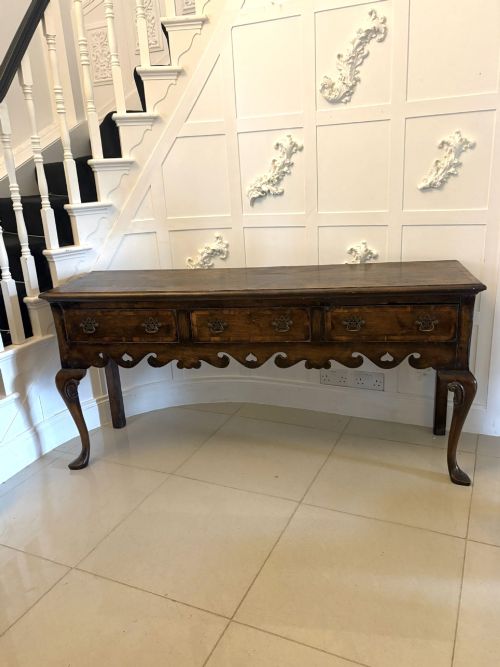
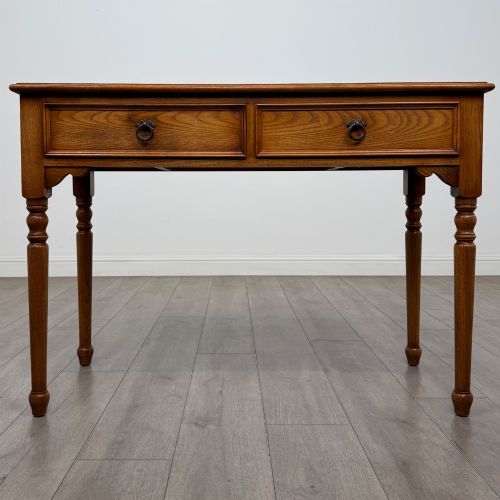
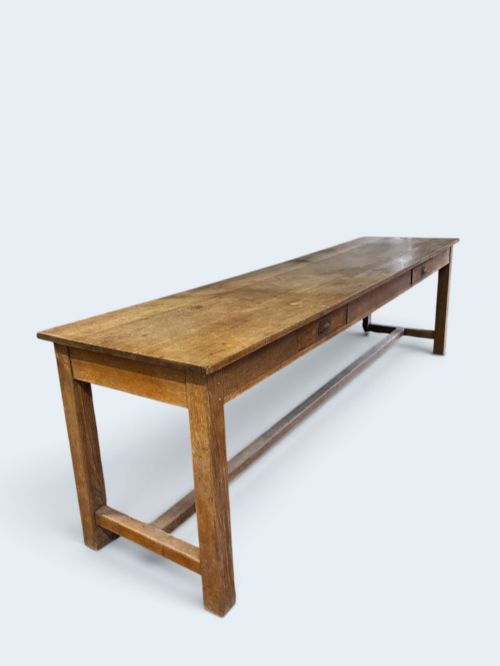
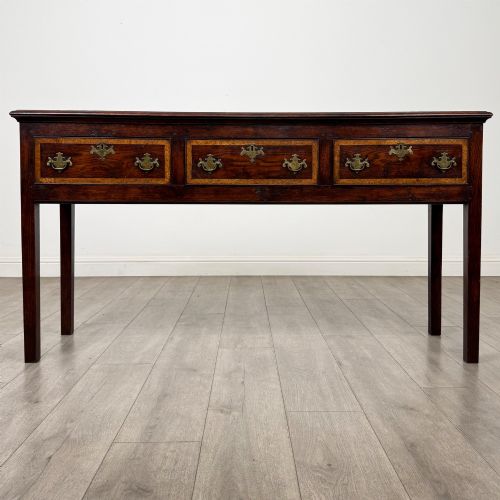
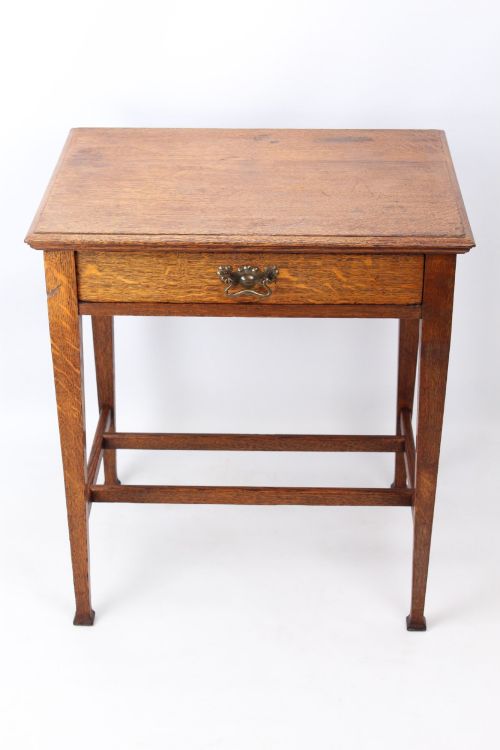
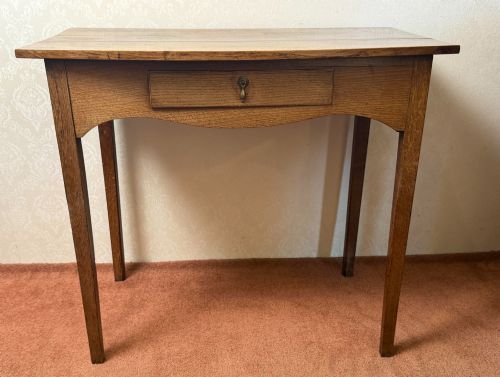
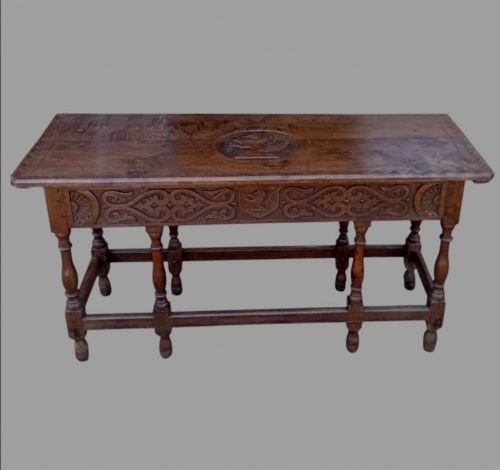
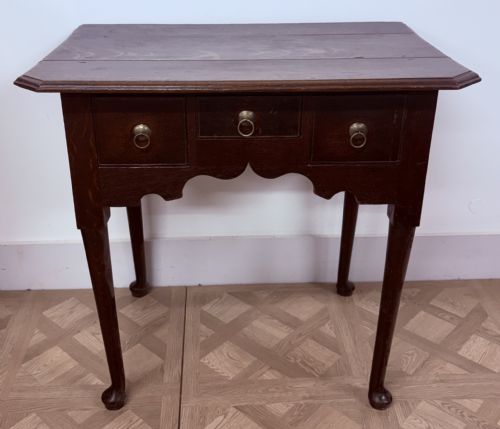
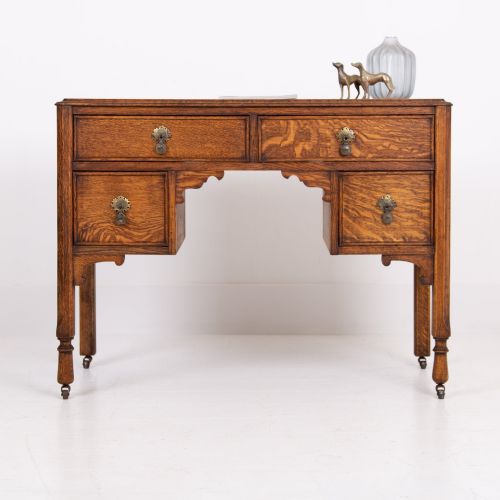
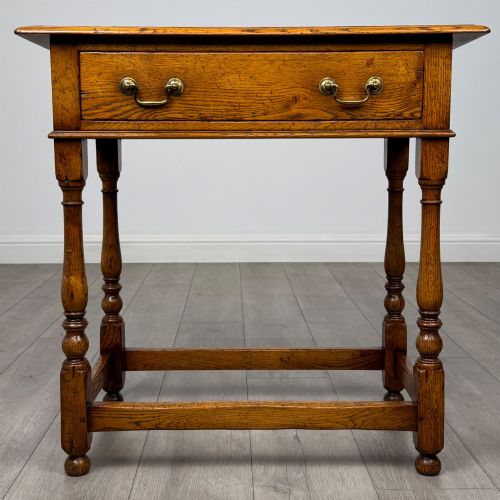
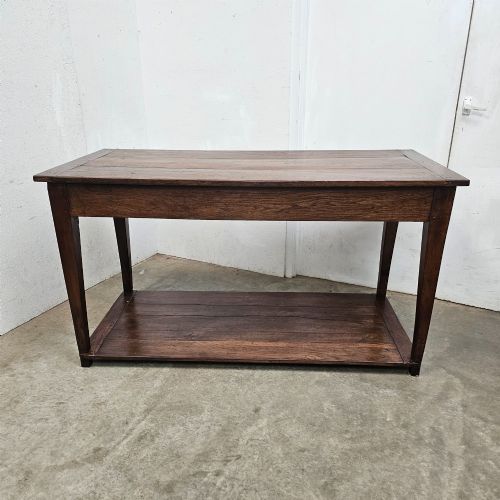
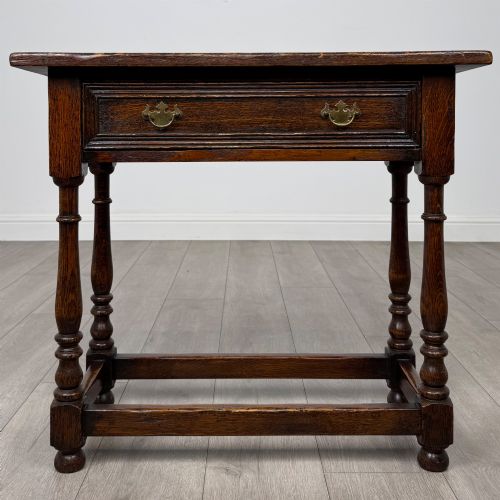
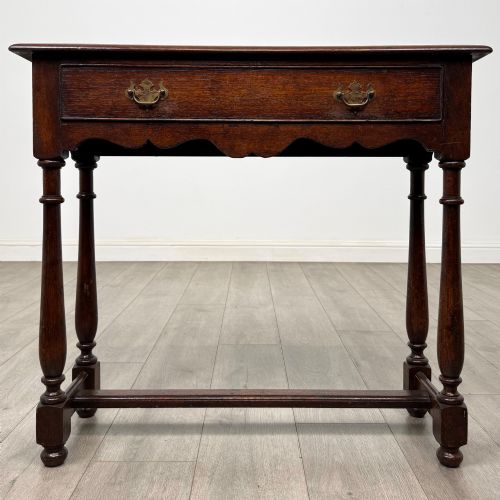
When searching for a traditional oak console, buyers encounter a lineage stretching from eighteenth-century country house side tables and lowboys to early twentieth-century Edwardian hallway furniture and revival dresser bases. The selection leans heavily towards side tables, narrow serving tables, and dresser bases rather than narrow wall-mounted console ledges, reflecting the sturdier domestic forms built in Britain and Europe.
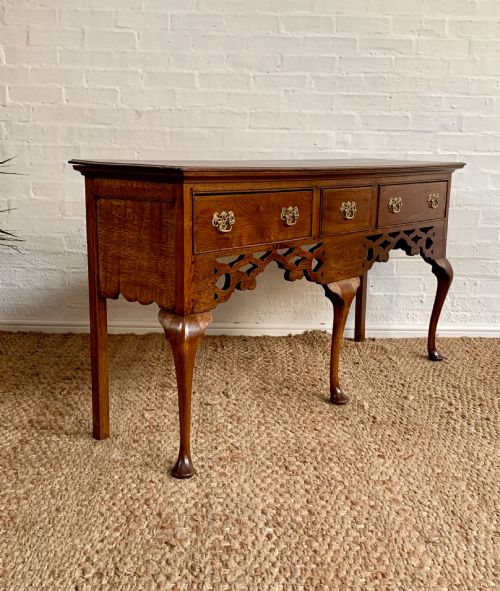
Early examples include eighteenth-century lowboys with fitted drawers and Welsh dresser bases featuring potboards, while later pieces span Victorian library tables and Edwardian hall stands. These items served practical domestic storage roles in kitchens, halls, and libraries, resulting in functional proportions suited to circulation spaces.
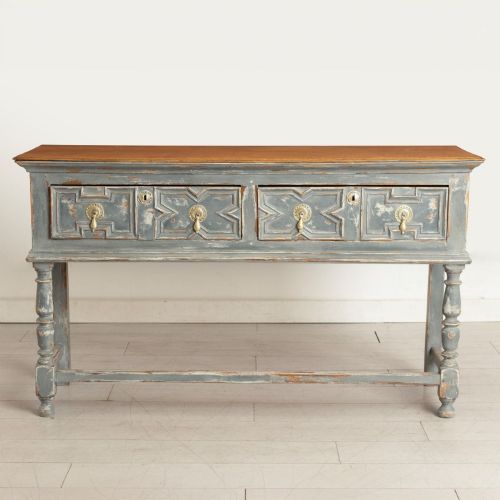
Revival pieces also feature strongly, reproducing seventeenth-century Jacobean characteristics or Georgian proportions during the Edwardian era and the nineteen-twenties. Buyers will find that English country, rustic farmhouse, and arts and crafts aesthetics dominate the surviving inventory.
Factors influencing quality and craftsmanship
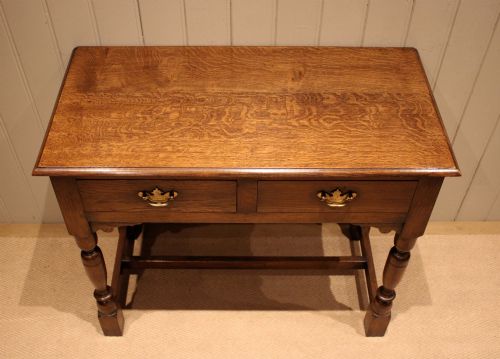
Quality rests upon the integrity of the timber selection and the retention of original surfaces rather than applied decorative flourishes. Pieces utilising dense, quarter-sawn English oak with deep medullary rays demonstrate superior selection compared to plainer, softer varieties.
The degree of hand-tooling on mouldings, drawer linings, and structural joints separates utilitarian workshop output from finer cabinet work. Original brass hardware, uncompromised potboards, and tight joinery without excessive modern timber replacement maintain the integrity of early forms.
Proportion and scale dictate desirability, particularly in narrow hallway formats where depth matters for placement. Tables retaining their authentic height and undisturbed patina outrank pieces that have suffered aggressive truncation or modern stripping.
Several tables retain generations of kitchen grease and boot polish trapped in their crevices, recording centuries of domestic service.
The Traditional Oak Console Glossary
- Lowboy
- A small oak table with one or more drawers, originating in the eighteenth century and used primarily as a dressing or side table.
- Potboard
- An open slatted lower shelf built into the base of a dresser or serving table, traditionally used for storing pots and heavy tableware.
- Dresser base
- The lower section of a kitchen or dining dresser featuring drawers and cupboards, frequently utilised independently as a sideboard or console.
- Quarter-sawn
- Timber cut radially across the growth rings, producing stable boards with distinct decorative grain patterns known as medullary rays.
- Potwork
- A heavy rustic framing technique typical of country furniture where lower stretchers form a solid shelf platform near the floor.
Traditional Oak Console: Frequently Asked Questions
How do I style an oak console?
An oak console works effectively in narrow hallways or reception spaces when paired with complementary lighting, ceramics, or mirrors. The natural wood tone grounds lighter walls and introduces texture to transitional circulation areas.
Keep surface arrangements uncluttered to allow the grain and construction details of the timber to remain visible. Functional lower shelves or potboards accommodate baskets or books while maintaining clear floor lines.
Are these tables sturdy enough for daily use?
Traditional oak tables are built using dense hardwoods and robust joinery designed to withstand generations of heavy domestic activity. Their weight and pegged construction provide inherent stability for everyday placement.
Routine use will not harm solid oak furniture, provided it is kept away from extreme temperature fluctuations and excessive moisture. Regular waxing helps protect the original surface from everyday wear.
How can I tell an eighteenth-century table from a revival piece?
Eighteenth-century examples display hand-cut joinery, timber shrinkage consistent with age, and deep surface patination developed through centuries of handling. Drawer linings often feature irregular hand-planed boards and pegged framing.
Revival pieces from the Edwardian period or nineteen-twenties often use more uniform machine-sawn components and cleaner internal finishes. Examining the underside and drawer construction reveals the age of the tools used during manufacture.
What is the difference between a side table and a dresser base?
Side tables typically feature lighter proportions, four legs, and occasional single drawers positioned beneath a modest top. They are designed for general surface placement against walls in hallways or living rooms.
Dresser bases are substantially heavier forms originally constructed to support plate racks, featuring multiple deep drawers and lower potboards. Their increased depth and storage capacity suit dining rooms and larger entrance spaces.