


Traditional Oak Carvers
Traditional oak carvers are solid timber seating pieces that bring honest country craftsmanship and rich grain into a room.
Traditional Oak Carvers
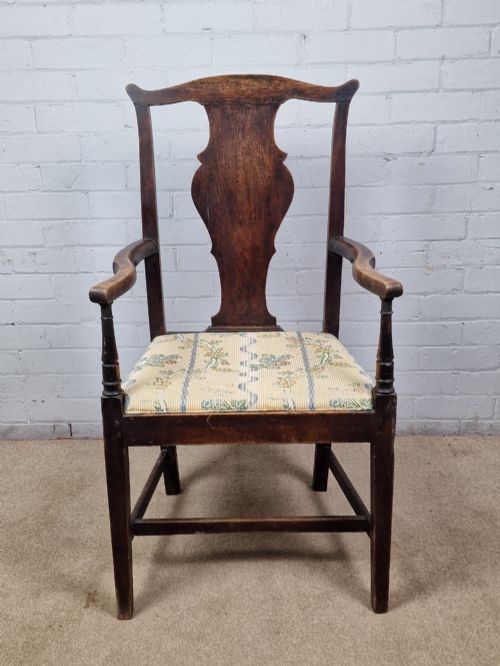
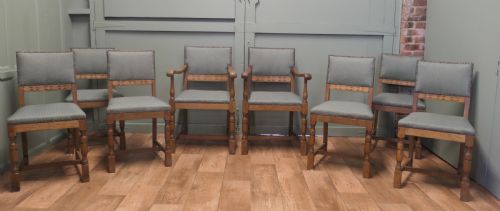
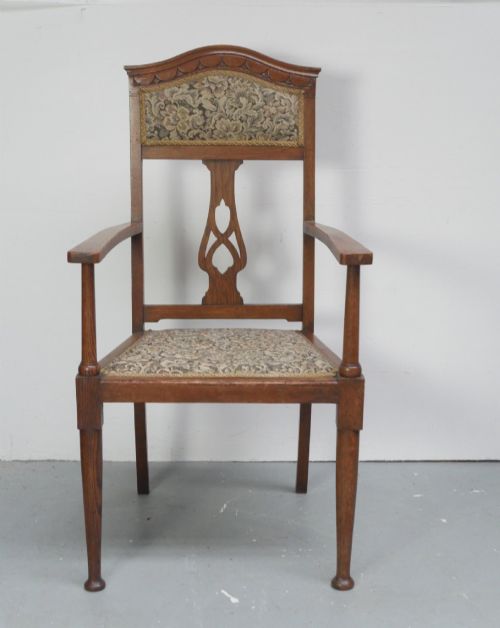
Traditional oak carvers comprise sturdy dining armchairs and farmhouse elbow chairs built to serve everyday domestic life. These pieces emerge predominantly in 18th century, 19th century, Edwardian, and later revival periods, following English Country, Jacobean, and Arts and Crafts design lines.
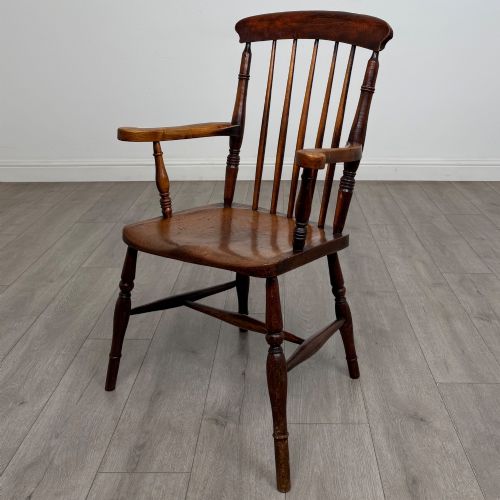
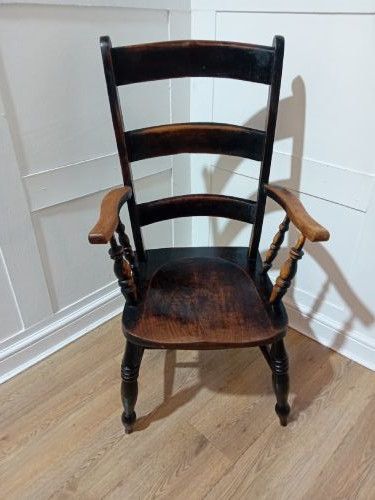
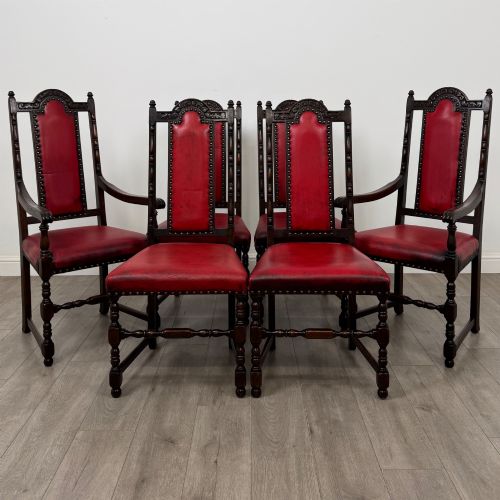
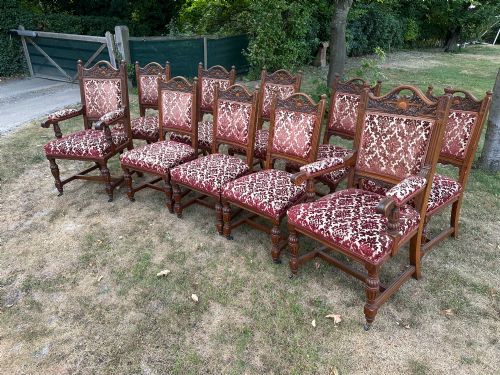
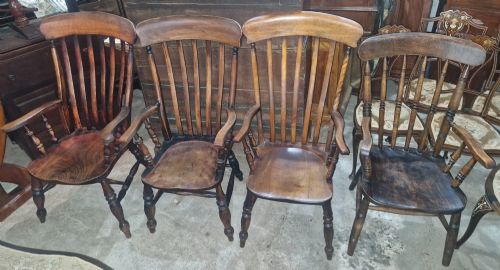
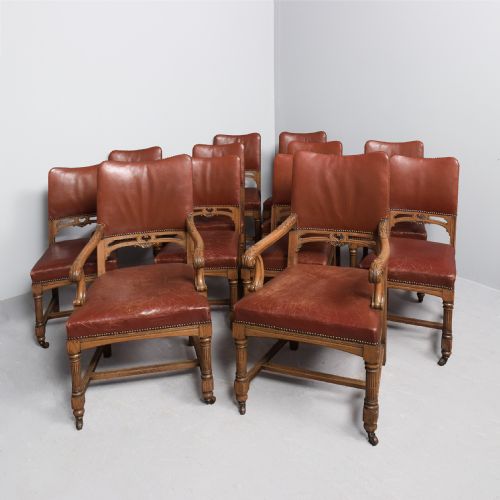
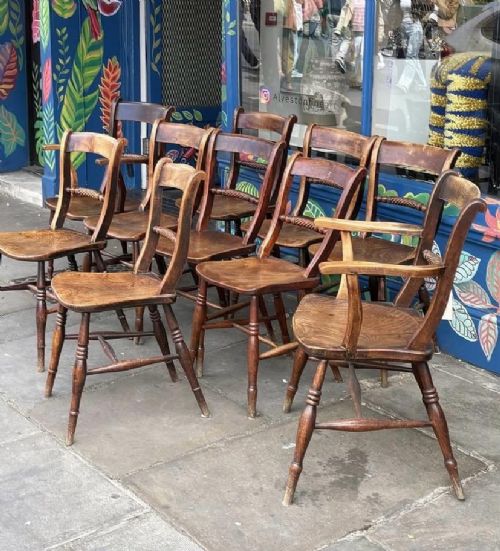
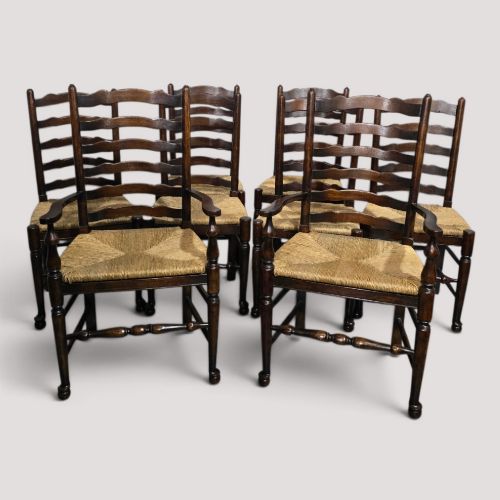
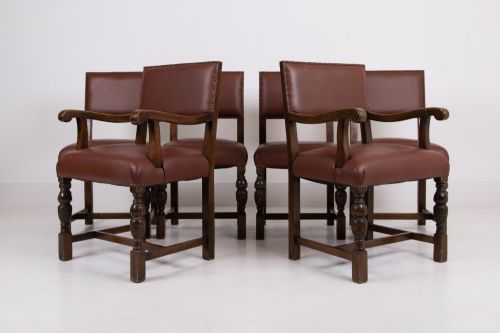
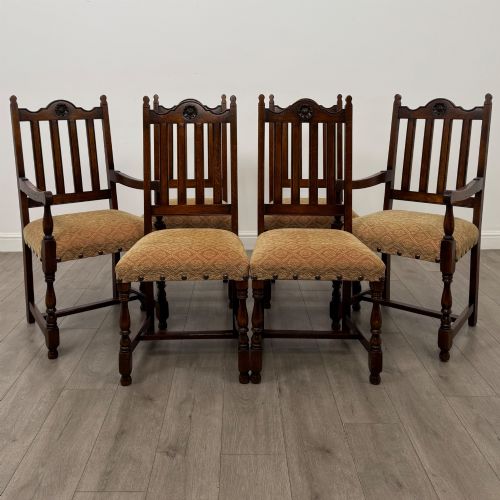
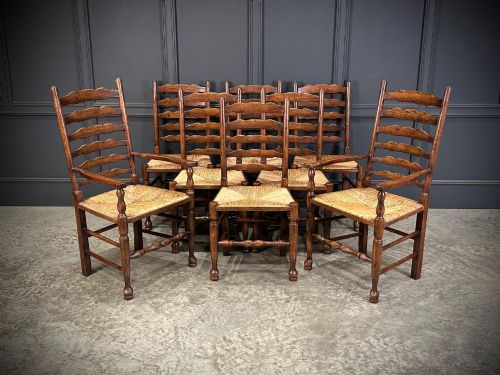
The most common examples on this page are Windsor armchairs, ladder back chairs, and dining armchairs featuring sturdy timber construction. Many incorporate rush, elm, ash, or leather elements alongside their primary oak framework, reflecting regional British furniture traditions.
Materials and construction methods
Cabinet makers and country joiners built these carvers using solid oak for the primary frames, frequently combining elm, ash, beech, and rush for seats and turned spindles. Timber was shaped using traditional turning lathes, drawknives, and hand saws to form spindles, legs, and curved armrests.
Joinery relied on mortise and tenon joints, dowels, and wedge fastenings to ensure structural strength under heavy use. Surfaces often retained original finishes, beeswax polishes, or occasional painted treatments over natural wood.
Some ladder back chairs come with rush seats woven so tightly they outlive several generations of dining tables.
Judging quality and timber integrity
Quality rests on the selection of timber, the crispness of turned members, and the tightness of the original joinery. Heavier framing, well-matched sets of dining chairs, and untouched original surfaces separate fine examples from simpler utility seating.
The integrity of the structural joints and the retention of original rush, leather, or wooden seats dictate the standing of each piece. Subtle details such as carved splats, twist legs, and well-proportioned arms distinguish workshop execution.
William Morris
The Traditional Oak Carvers Glossary
- Carver
- An armchair designed with elbow rests, often intended to sit at the head of a dining table. These pieces match larger sets of side chairs.
- Windsor chair
- A wooden chair built with a solid saddle-shaped seat into which the legs and back spindles are wedged directly. Regional styles include comb backs and wheelbacks.
- Ladder back
- A chair back constructed with horizontal arched slats between vertical uprights. This traditional form often incorporates rush or woven seating.
- Rush seat
- A seating surface woven from dried marsh grasses or rushes around a wooden frame. It provides a flexible and durable platform.
- Jacobean revival
- A style reviving 17th-century decorative motifs, typically featuring turned legs, geometric panels, and dark waxed oak. It found great popularity during the Victorian and Edwardian eras.
Traditional Oak Carvers: Frequently Asked Questions
What is a traditional oak carver?
A traditional oak carver is an armchair featuring wooden armrests designed to match a set of dining chairs or stand alone as a fireside seat. They utilise sturdy native timbers and time-tested joinery techniques.
These chairs reflect vernacular British furniture design, spanning farmhouse Windsor forms, ladder backs, and revival styles from the eighteenth century onwards.
How do I date an oak carver?
Dating involves examining the tool marks, timber shrinkage, construction methods, and stylistic cues present in the frame. Hand-carved details, turned legs, and peg joinery often point towards specific historical periods.
Comparing the chair to documented regional styles, such as Thames Valley or Cheshire ladder backs, helps narrow down the decade of production.
Can I use carvers at a dining table?
Carvers function ideally at the head and foot of a dining table due to their wider proportions and armrests. They also serve well as occasional chairs in hallways or studies.
When buying a set, check the arm height to ensure the carvers slide comfortably beneath your table apron.
What woods were used besides oak?
Makers frequently combined oak with elm, ash, and beech to utilise the specific properties of each timber. Elm provided tough, split-resistant seat boards for Windsor chairs, while ash offered flexible spindle material.
Rush and leather were commonly employed for seat pads, paired with brass studs or woven grass.