

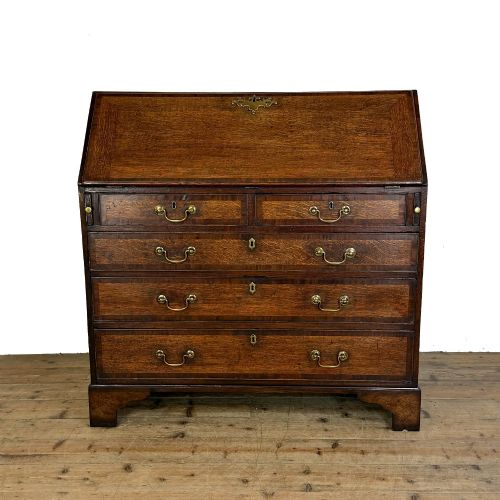
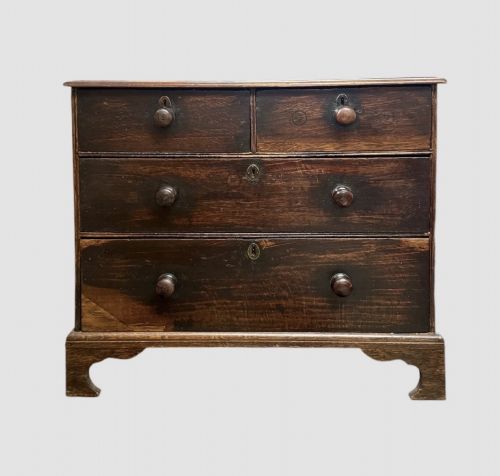


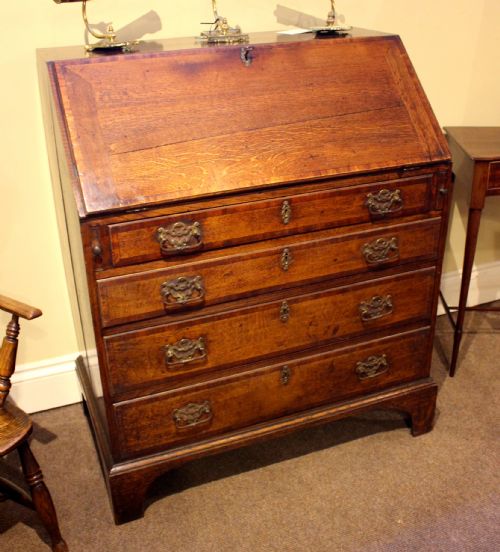


Traditional Oak Bureau Chest
These traditional oak bureau chest examples combine sturdy storage with writing spaces, drawing collectors who appreciate honest grain and timeless utility.
Traditional Oak Bureau Chest
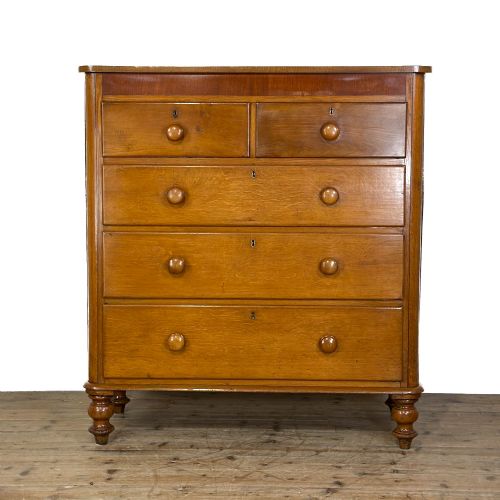
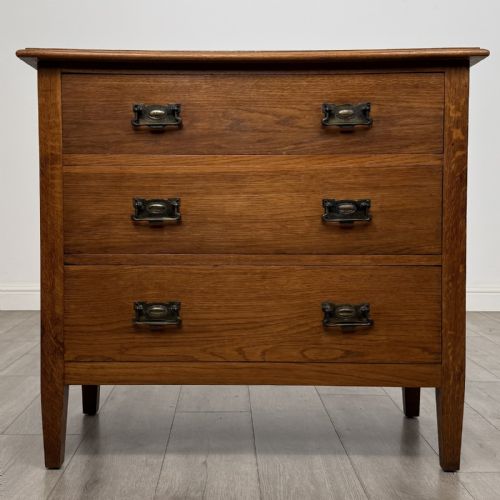
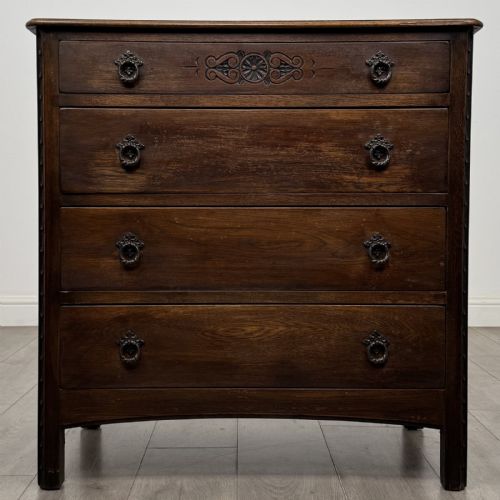
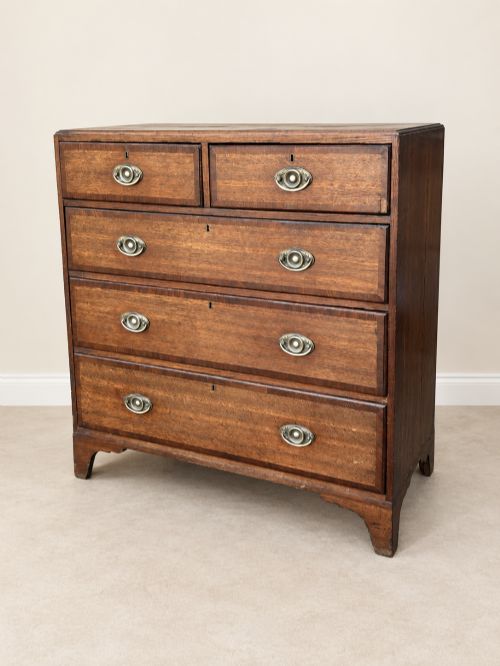
When searching for a traditional oak bureau chest, buyers encounter practical combinations of storage and writing surfaces that span several centuries. The pieces on this page include formats such as chests of drawers, writing bureaux, and larger storage cabinets.
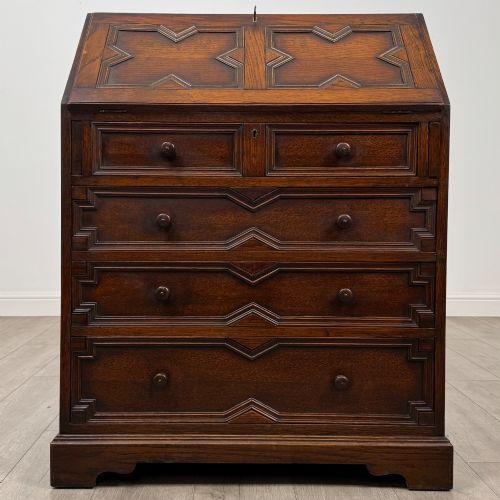
Most entries belong to the Georgian and Edwardian eras, alongside pieces attributed to the seventeenth, eighteenth, and nineteenth centuries. Alongside standard forms, revival styles such as Jacobean and Tudor reappear in twentieth-century adaptations.
The selection ranges from compact writing desks with fall fronts to large chests of drawers designed for domestic utility. English country workshops and later revivalists produced the majority of these timber furnishings.
Distinctions in quality
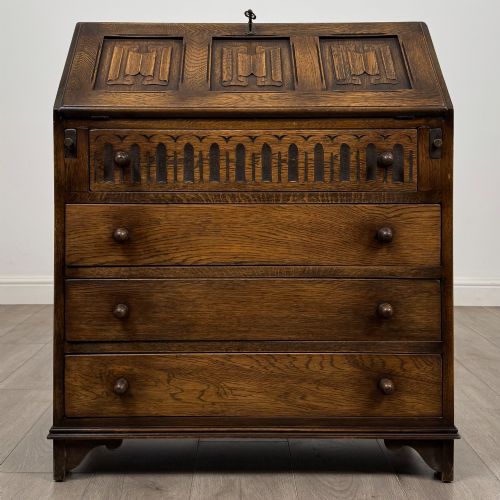
Quality differences emerge in the selection of the timber and the depth of the carving, where crisply defined linenfold details or figured grain distinguish superior examples. Early construction methods, such as those found on eighteenth-century pieces, display greater joinery attention than later revival pieces.
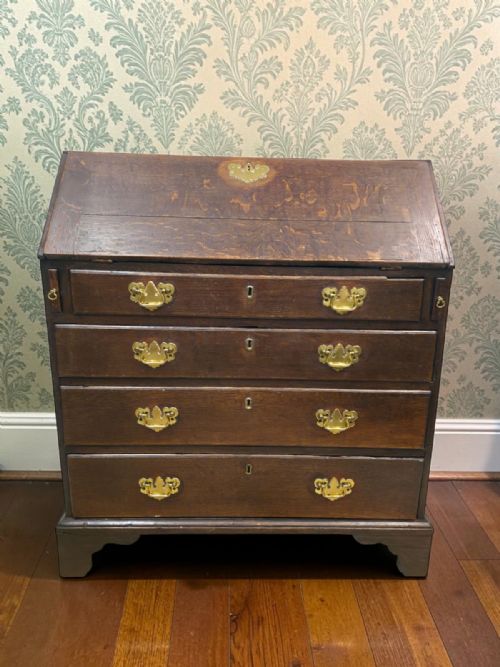
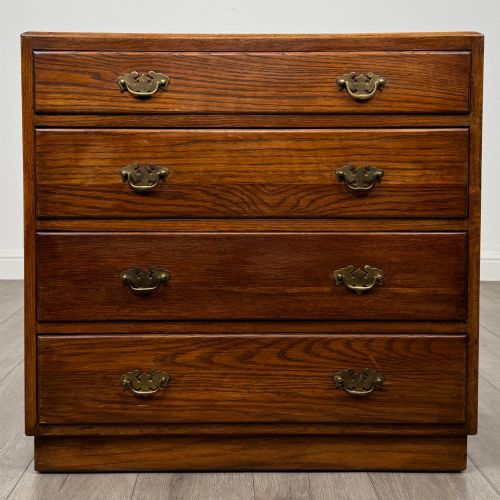
The integrity of the original brass hardware and the smoothness of the drawer actions separate utilitarian items from finer refined desks and chests.
Listings span from the 17th century through the Georgian era to the Edwardian period and the 20th century.
The Traditional Oak Bureau Chest Glossary
- Bureau
- A writing desk featuring a sloping hinged lid that drops to reveal compartments and a writing surface. These units often sit atop a base of drawers.
- Linenfold
- A style of woodcarving that imitates folded linen, frequently seen on panels of twentieth-century revival furniture. This technique adds texture to flat wooden surfaces.
- Fall front
- A hinged writing flap that pulls down to a horizontal position for writing and folds back vertically when not in use. It encloses small pigeonholes and drawers.
- Golden oak
- A bright, warm timber tone popular during the Edwardian and early twentieth-century periods. It highlights the natural medullary rays in quarter-sawn oak.
Traditional Oak Bureau Chest: Frequently Asked Questions
What is a bureau chest?
A bureau chest combines a set of storage drawers below with a fold-down writing desk compartment at the top.
This dual format made them practical for household administration before dedicated study rooms became common.
How do I date an oak bureau?
Dating relies on examining the construction methods, handles, drawer linings, and the style of carving present on the piece.
Georgian and eighteenth-century examples display hand-cut joinery, whereas twentieth-century pieces often reflect Jacobean or Tudor revival idioms.
Are these pieces made of solid oak?
The listings here feature solid oak and golden oak construction across various periods from the seventeenth century onwards.
Some later revival pieces incorporate secondary woods alongside oak panels and brass fittings.
Where were these pieces made?
Most items originate from English domestic workshops, country furniture makers, and twentieth-century regional workshops.
The styles reflect traditional English cabinet-making traditions spanning several distinct eras.