

Traditional Nomadic Weaving
Traditional nomadic weaving encompasses tribal rugs, carpets, bags, and flatweaves crafted by pastoral groups across Persia, Central Asia, and the Caucasus.
Traditional Nomadic Weaving
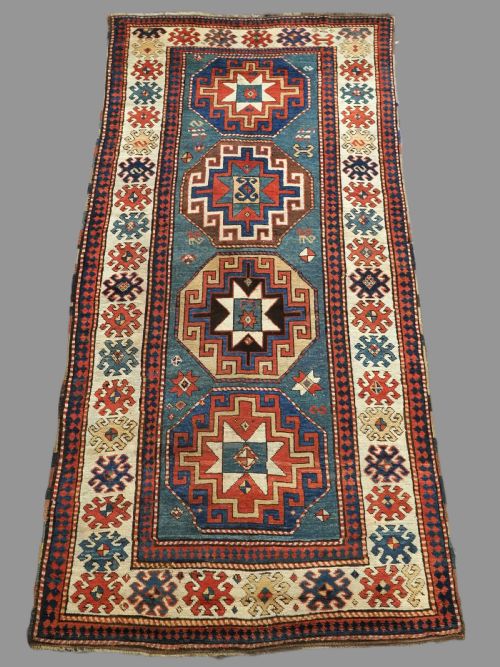
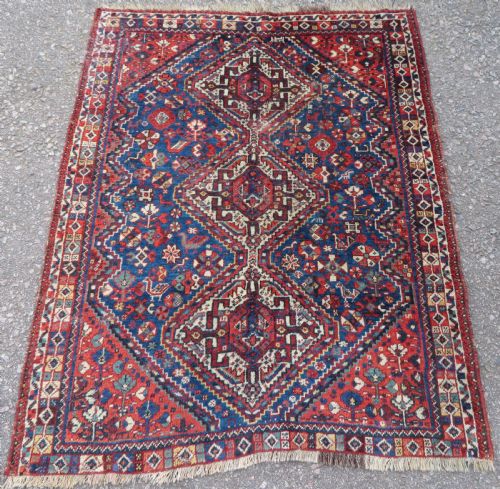
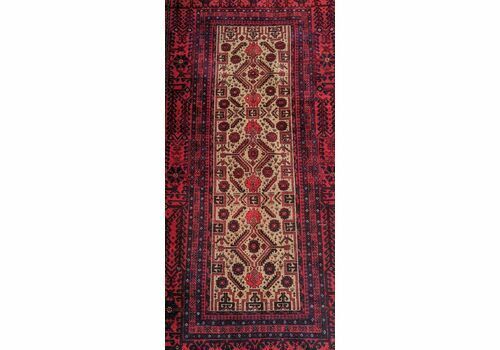
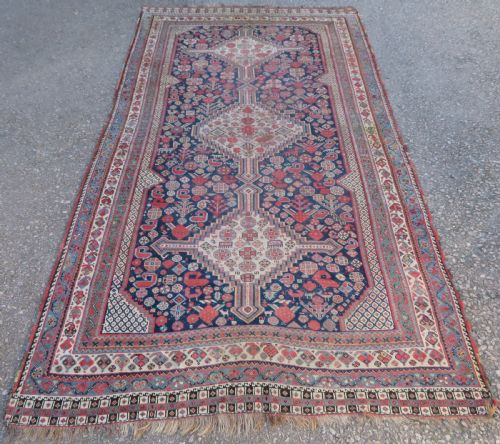
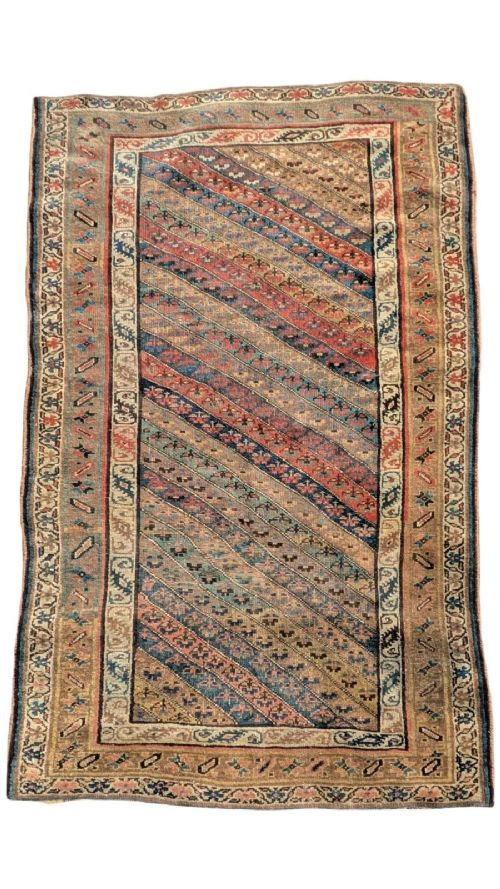
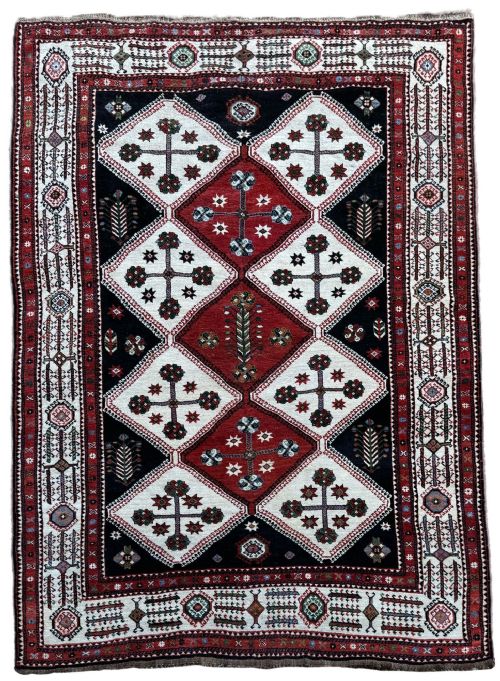
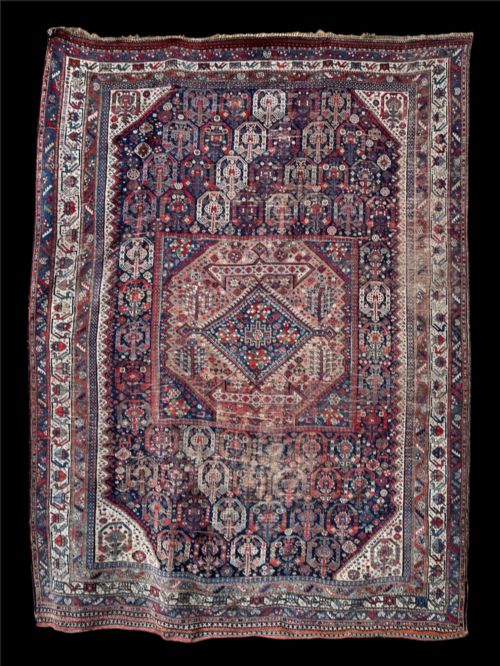
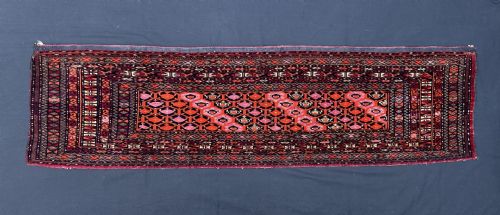
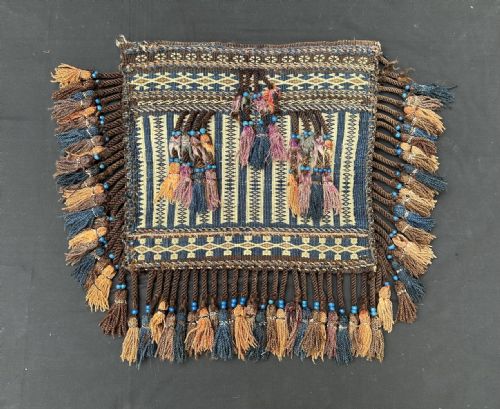
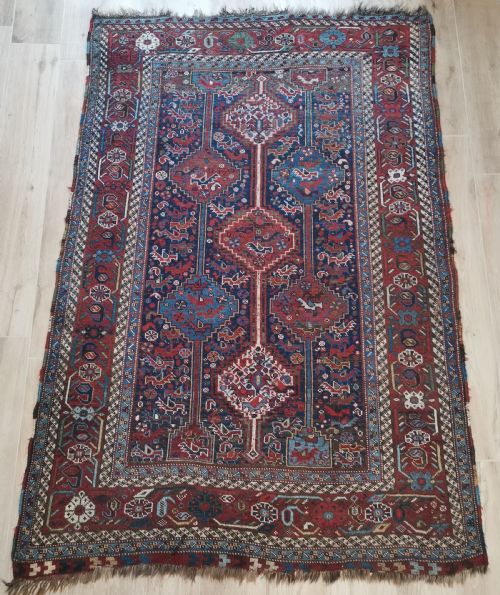
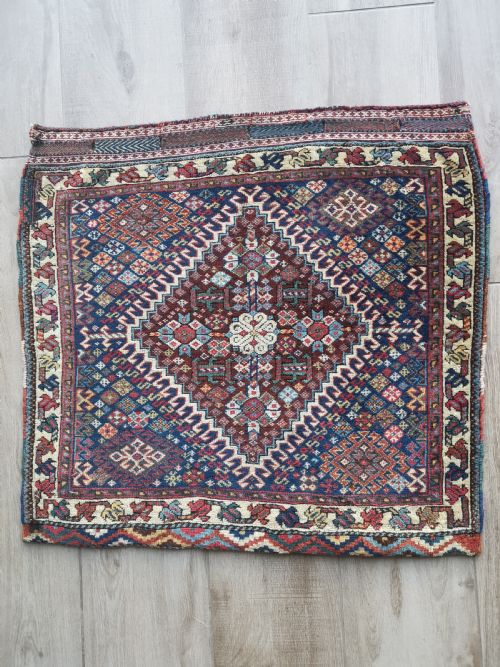
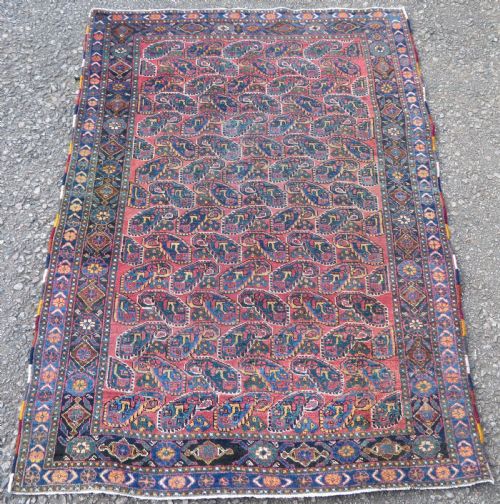
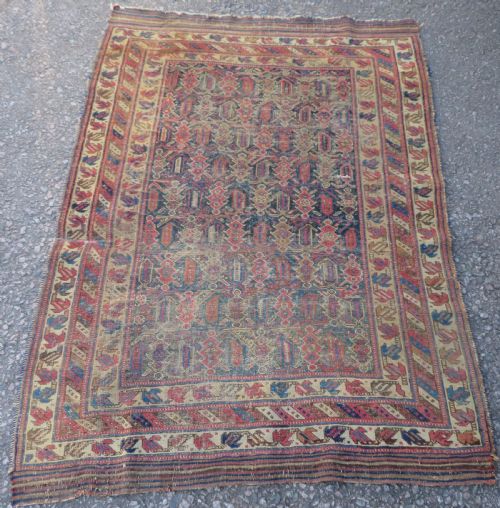
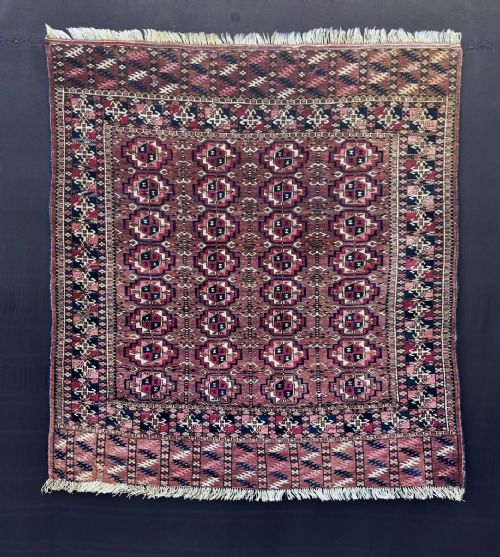
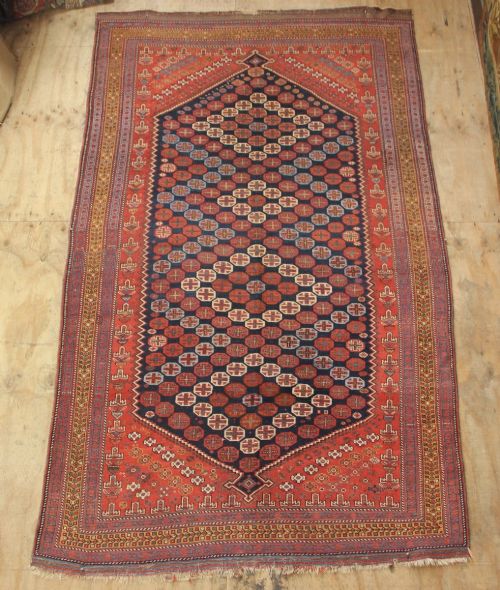
Traditional nomadic weaving covers an array of utility pieces made by tribal groups and confederacies, including rugs, runner kilims, and storage bags. The pieces encountered most frequently on this page originate from Persian and Central Asian tribes such as the Afshar, Bakhtiari, Qashqai, Kurdish, Khamseh, and various Turkmen groups like the Tekke, Yomut, and Sariq. Forms range from large carpets and floor coverings down to smaller domestic items like torbas, mafrash sides, chantehs, and sofreh dining cloths.
These textiles were created for daily domestic use within tribal encampments and nomadic households rather than for urban or export markets. Utility dictated the format, producing durable floor rugs alongside specialised containers for grain, bedding, and personal possessions. Their survival reflects both robust construction and the practical role textiles played in pastoral architecture and transport.
How they were made
Makers relied primarily on hand-spun wool and goat hair, utilising cotton foundations in certain regional types. Wool provided the durable pile and flatweave surfaces, while sturdy goat hair was frequently employed for structural edges, selvedges, and the backs of storage bags to withstand heavy handling.
Colour came from natural dyes applied to the yarn before weaving, yielding saturated hues that mellow across the surface over decades of exposure and use. Artisans worked within traditional tribal layouts, employing knotted pile techniques or flatweave structures such as kilim and sumac to build geometric and symbolic patterns.
Listings feature pieces from the 1850s through the 1930s, spanning wool, cotton, goat hair, and natural dyes.
What varies in quality
Quality rests upon the handling of materials and the integrity of the weave. Finer pieces demonstrate careful hand-spinning of the wool, precise knot density or flatweave execution, and balanced proportions within the traditional design layout.
The visual depth of the natural dyes and the crispness of the tribal motifs distinguish higher tier pieces. Uniformity in the wool texture and resilient structural edges indicate superior craftsmanship by the weaver.
The Traditional Nomadic Weaving Glossary
- Sofreh
- A flatwoven or piled cloth utilised for spreading meals, kneading dough, or serving food within the nomadic household.
- Torba
- A small horizontal wall-hanging bag used in Turkmen tents for storing household possessions and bedding.
- Khorjin
- A double saddlebag woven for transport on animals during seasonal migrations across tribal territories.
- Kilim
- A tapestry-woven flat textile produced without a raised pile, serving as floor coverings, covers, or utilitarian bags.
- Sumac
- A wrapped-weft flatweave technique that creates a structured, ribbed surface on the face of the textile.
Traditional Nomadic Weaving: Frequently Asked Questions
How were these tribal textiles used?
Nomadic families utilised the pieces as floor coverings, tent dividers, and heavy-duty containers for personal belongings and grain.
Smaller bags hung against tent walls or rode across pack animals during seasonal migrations between pastures.
How do you live with tribal rugs?
These textiles anchor modern or traditional interiors by introducing grounded earthy tones and tactile wool textures.
Placing them in moderate traffic areas allows the sturdy weave and natural dyes to integrate gracefully into daily living.
How are different tribal styles told apart?
Distinctions rely upon specific structural habits, colour palettes, and repeating geometric motifs unique to each confederacy.
Analysis of the weave format, such as sumac work or pile knotting, links pieces to groups like the Afshar, Qashqai, or Turkmen.