




Traditional Metal Garden Urn
A traditional metal garden urn brings classical presence to a lawn or terrace, offering robust planting vessels built for the outdoors.
Traditional Metal Garden Urn
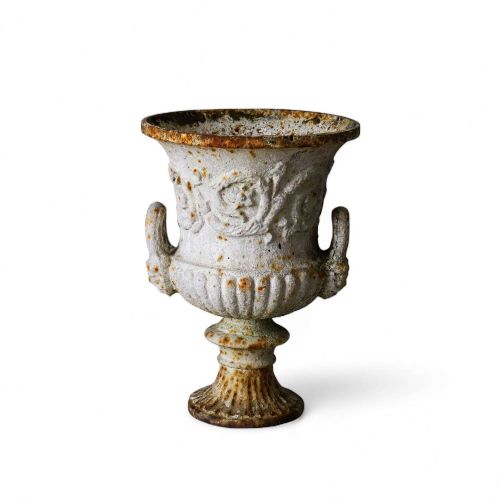
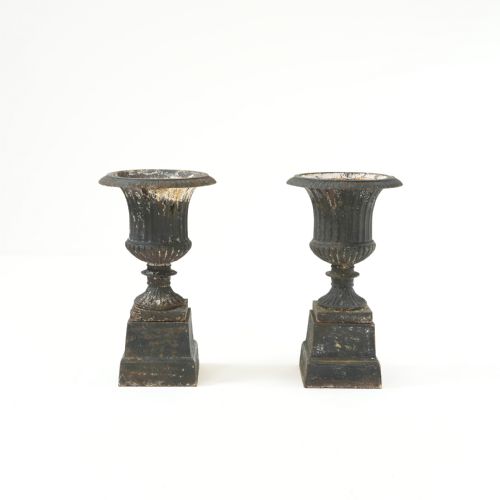
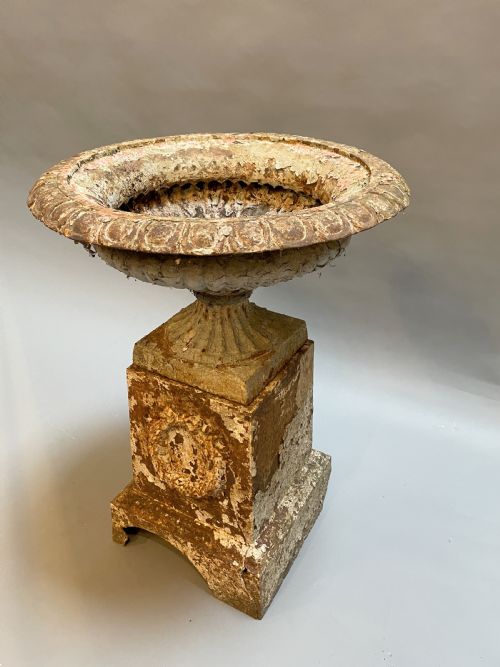
A traditional metal garden urn typically takes the form of a classical campana silhouette, raised upon a supportive foot and often paired with a matching plinth or stand. These heavy vessels emerge predominantly from the Victorian and Edwardian eras, spanning the nineteenth and early twentieth centuries alongside occasional mid twentieth-century examples.
The inventory demonstrates a strong preference for durable cast iron construction, supplemented by Japanese bronze works from the Meiji period. Buyers will encounter single monumental centrepieces alongside symmetrical pairs designed to flank pathways or doorways.
Materials and construction
Foundries utilised heavy cast iron poured into moulds to create thick walls and crisp classical ornament, such as fluting and classical revival motifs. These iron pieces frequently received protective coats of paint which over decades weathered into textured patinas.
Japanese bronze production employed specialised casting techniques to shape intricate decorative urns like the usubata form. Verdigris bronze finishes developed naturally outdoors, creating characteristic green oxidation across the metal surface.
Traditional Metal Garden Urn Retail Price Guide 2026
Typical asking prices for traditional metal garden urn among the pieces listed under this phrase on Sellingantiques today, from the lower quarter to the upper quarter. They describe what is for sale here now, not the wider market.
Materials represented across the selection include cast iron, bronze, verdigris bronze, stone and painted surfaces.
Judging quality and character
Superior examples display crisp casting definition in the classical details, where acanthus leaves, handles and rims remain sharp and well-defined rather than blurred by worn foundry moulds. The presence of original matching plinths or structural stands elevates an individual piece.
Weight and metal thickness distinguish substantial foundry work from lighter later iterations, while authentic age-related weathering provides an honest surface that chemical treatments cannot replicate.
Andrew Handyside
The Traditional Metal Garden Urn Glossary
- Campana urn
- A bell-shaped garden vessel with an everted rim, tapering body and a pedestal foot. This classical silhouette dominates nineteenth-century metal garden ware.
- Plinth
- A heavy rectangular or square base block that elevates an urn above ground level. Many larger iron garden pieces require these sturdy supports.
- Verdigris
- A green patina formed naturally on copper, brass or bronze through atmospheric oxidation. This surface layer indicates prolonged exposure to the elements.
- Usubata
- A traditional Japanese bronze vessel form often utilised in floral arrangement and garden ornamentation. These pieces arrived during the Meiji period.
Traditional Metal Garden Urn: Frequently Asked Questions
Where should I place a heavy iron urn?
Position these heavy iron vessels on solid foundations such as stone patios, paved courtyards or dedicated concrete garden plinths to prevent sinking into soil.
Ensure the chosen spot offers adequate drainage beneath the base to protect both the metal and the surface below.
How do I care for cast iron garden urns?
Maintain the painted or weathered surface by occasionally brushing away debris and reapplying protective exterior coatings where the metal becomes exposed.
Avoid sealing drainage holes inside the bowl, as trapped winter moisture can expand and risk cracking the historic metal.
Can bronze urns stay outside all winter?
Bronze and cast iron compositions withstand cold temperatures outdoors quite naturally, having been cast specifically for garden environments.
Empty damp soil or heavy compost from the interior if severe freezing threatens, turning the vessel upside down or moving it under shelter during harsh frosts.
How can I tell Victorian urns from later ones?
Victorian and Edwardian examples typically display heavier casting gauge, deeper surface patination and specific classical revival proportions rooted in nineteenth-century foundry catalogues.
Mid-century pieces often exhibit simplified detailing and lighter construction materials compared to their nineteenth-century predecessors.