


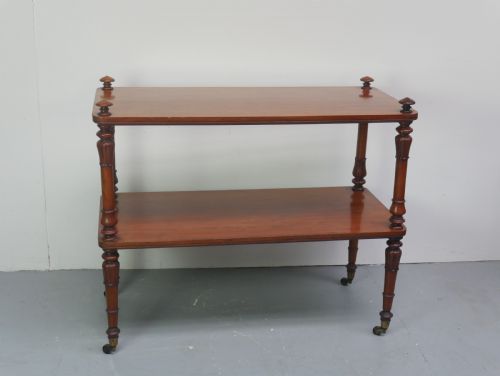
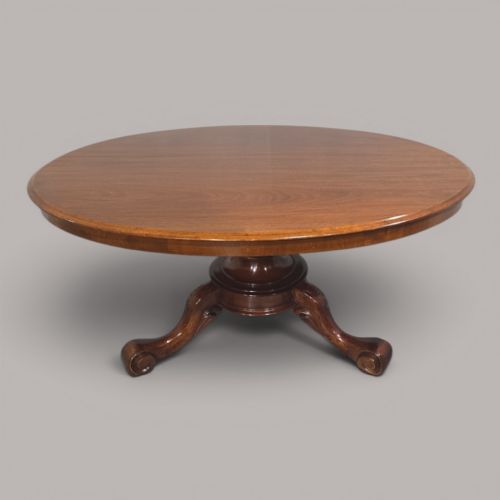


Traditional Mahogany Tea Table
A traditional mahogany tea table brings centuries of functional elegance into a room, offering rich timber tones and versatile surfaces for daily use.
Traditional Mahogany Tea Table
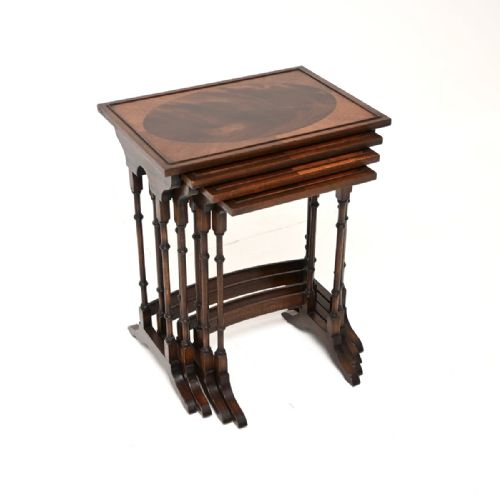
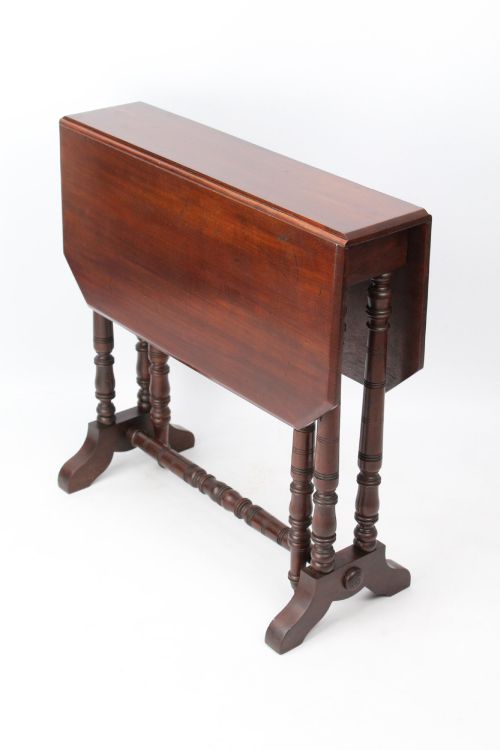
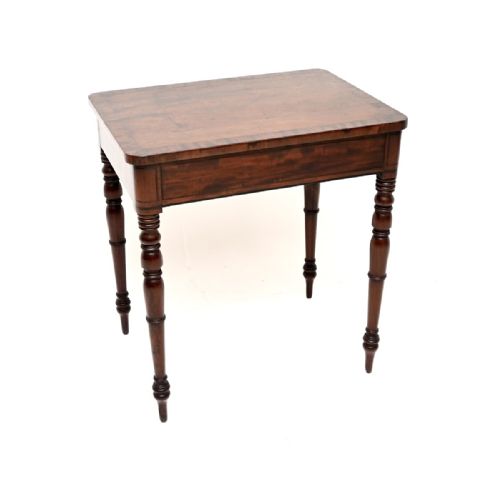
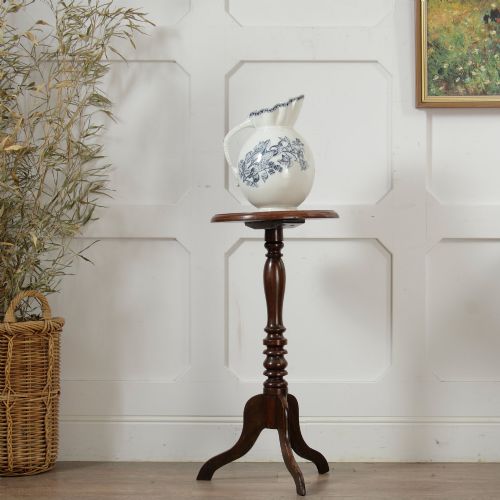
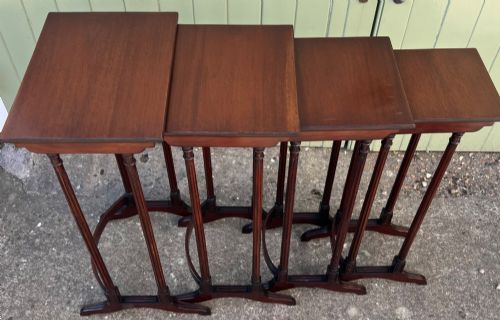
A traditional mahogany tea table serves as a functional surface rooted in domestic history, appearing in forms ranging from tripod tables with tilt-top mechanisms to drop-leaf Pembroke tables and nests of tables. Buyers searching for a traditional mahogany tea table encounter pieces spanning the 18th century through the Edwardian period and later revivals, reflecting shifting social customs around hospitality and entertaining.
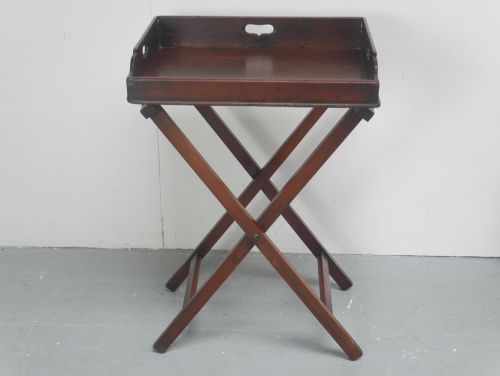
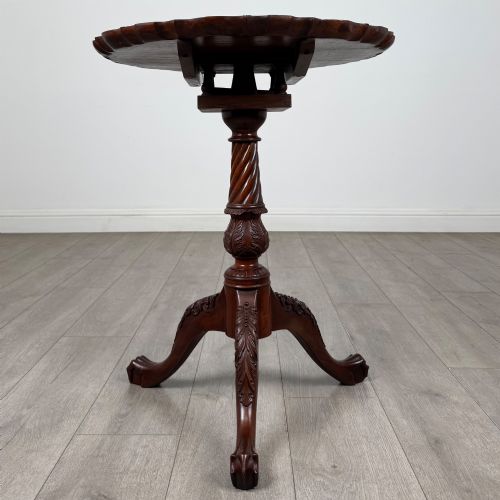
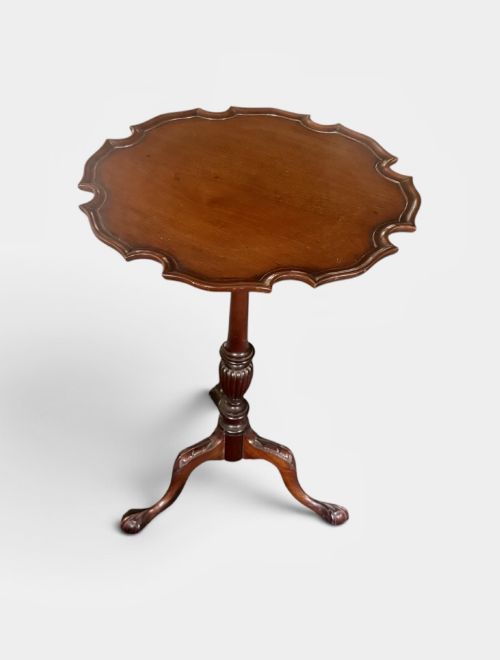
The selection includes specific regional and period interpretations such as George III tripod tables with pie crust rims, spider leg occasional tables, and butler tray stands. These varied forms provide compact serving areas or display spaces that adapt easily to contemporary domestic layouts.
What varies in quality
The distinction between standard examples and the finest pieces rests upon the choice of timber and the crispness of execution. High-grade items display deeply figured mahogany grain, refined carving on tripod bases, and sophisticated mechanical elements like functional birdcage pivots or well-fitted drop leaves.
Proportion and structural integrity dictate overall excellence. Superior pieces maintain balanced proportions between top and support, paired with precise joinery that withstands centuries of movement without losing stability.
Some Victorian tables came equipped with silver presentation trays, ensuring afternoon gossip was served with proper metallic clink.
The Traditional Mahogany Tea Table Glossary
- Mahogany
- A durable tropical hardwood prized for its deep reddish-brown colour and stable grain. It accepts fine carving and polished finishes exceptionally well.
- Tilt top
- A tabletop mounted on a pivot mechanism that allows the surface to be rotated vertically when not in use. This design saved space in period drawing rooms.
- Spider leg
- A style characterised by exceptionally slender, delicate legs connected by fine stretchers. It provides lightweight support for small occasional tables.
- Tripod table
- A small freestanding table supported by a central pillar resting on three spreading feet. Many examples feature pivoting mechanisms.
- Pembroke table
- A small rectangular table featuring two hinged drop leaves on opposing sides. It often includes one or two small drawers and slender legs.
Traditional Mahogany Tea Table: Frequently Asked Questions
How do I identify a Georgian mahogany table?
Georgian mahogany tables typically display characteristic 18th-century design elements such as pie crust rims, tripod cabriole legs, or slender spider leg supports. The timber used in these pieces is often dense, dark, and rich in natural grain.
Examining the construction methods, including hand-cut joinery and period brass fittings, helps distinguish genuine 18th-century pieces from later revival styles.
Where were tea tables used?
Tea tables were historically placed in drawing rooms, parlours, or receiving areas to facilitate the formal ritual of afternoon tea. Their portable nature allowed servants to move them closer to seating areas as needed.
Today, these versatile pieces function effectively as lamp tables, bedside surfaces, or accent tables in sitting rooms.
What is a spider leg table?
A spider leg table is an occasional table characterised by an exceptionally delicate network of thin turned legs and stretchers. This construction provides a stable yet visually light support structure.
Originating in the 18th century, these tables were easily moved about a room for serving light refreshments or holding small decorative objects.
Are drop leaf tables sturdy?
Drop leaf tables utilise hinged side flaps supported by swing legs or gateleg actions to expand the surface area. When properly constructed with traditional joints, these folding mechanisms offer reliable daily support.
Care should be taken not to place excessive downward pressure on the unsupported outer edges of extended leaves.