


Traditional Mahogany Storage
Traditional mahogany storage organises clothes and books through timeless timber forms, offering practical utility and rich grain patterns.
Traditional Mahogany Storage
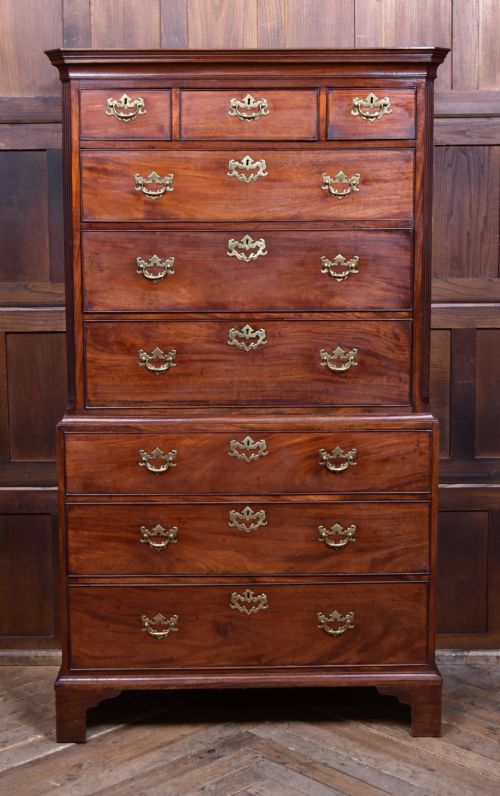
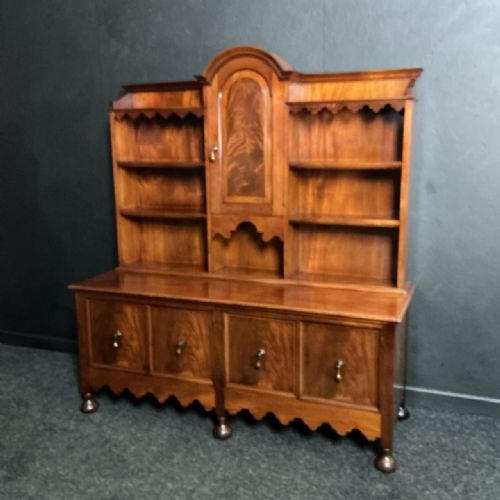
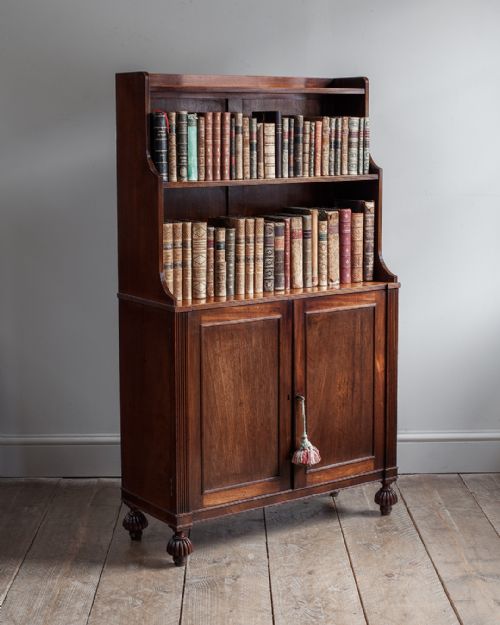
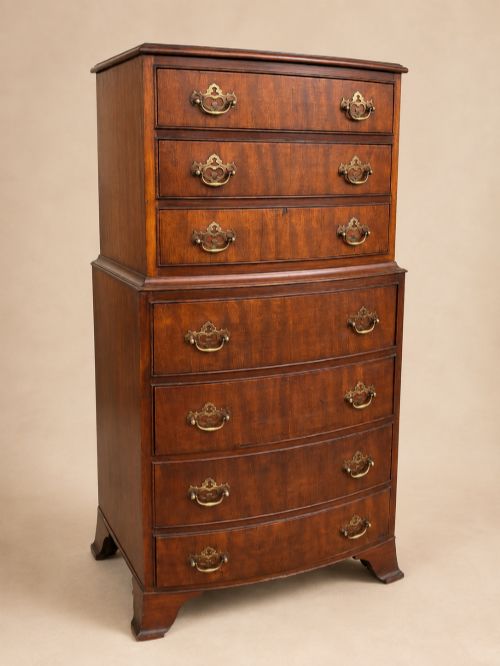
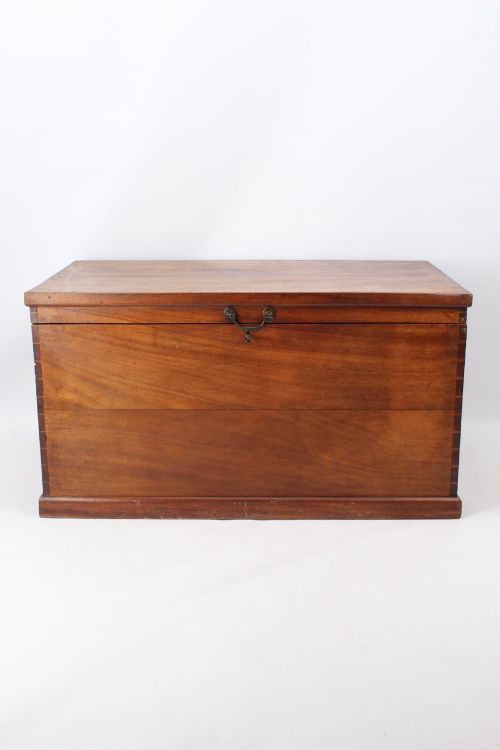
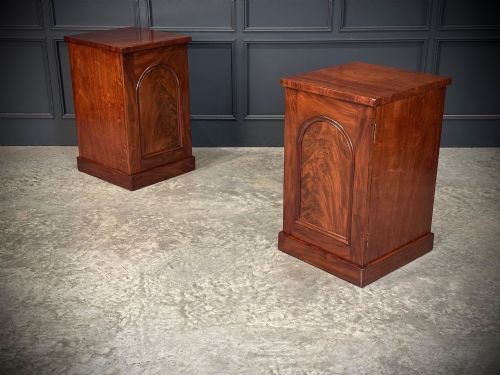
Traditional mahogany storage encompasses chest of drawers, bookcases, sideboards, wardrobes, and bedside cabinets spanning Georgian, Victorian, Regency, and Edwardian periods. Pieces range from early Georgian chest on chest designs to later Edwardian and 1920s revival items.
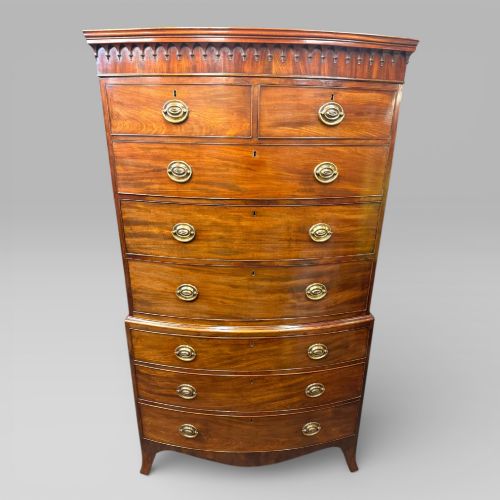
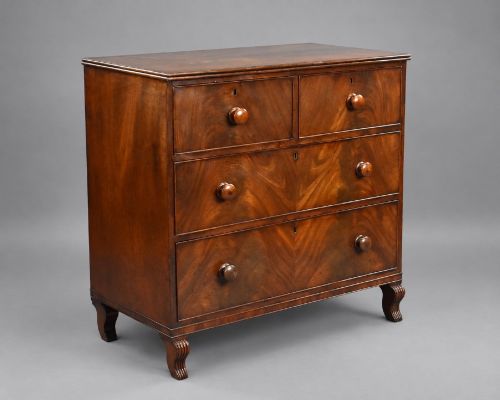
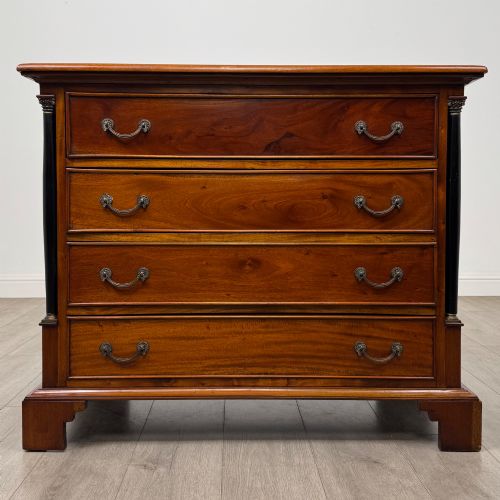
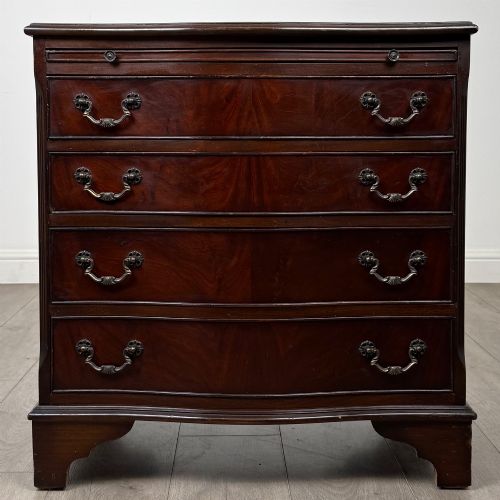
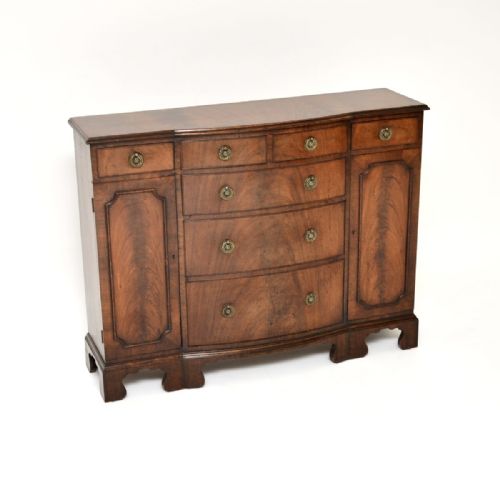
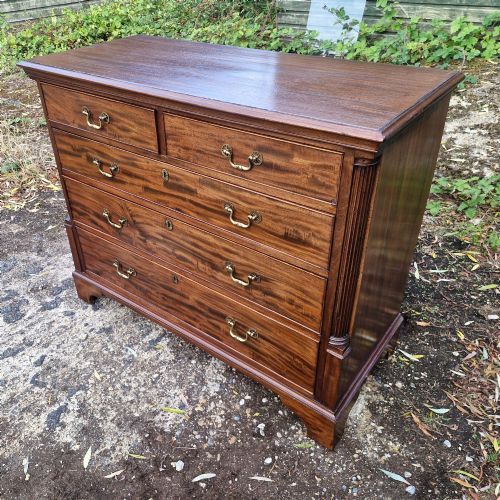
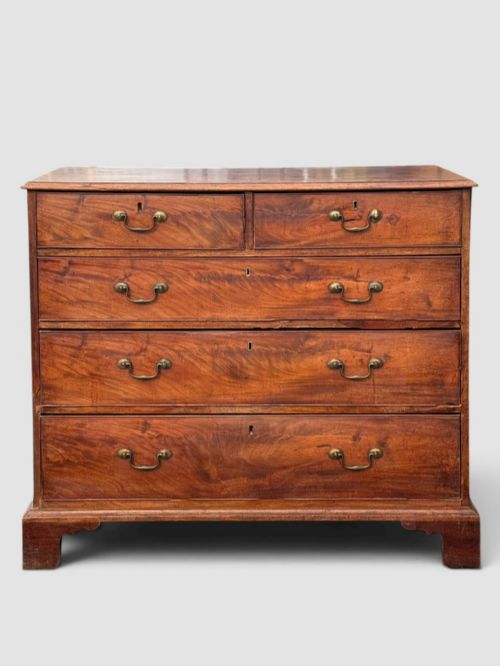
Chest of drawers dominate the selection, appearing in bow-front, serpentine, and tall proportions with various drawer configurations. Sideboards, bookcases, and bedside cabinets supplement these primary forms across multiple centuries.
Distinctions in construction and timber selection
Quality separates through the choice of timber figure, such as the use of highly decorative flame mahogany veneer compared to plain solid wood. Cabinetry fineness shows in drawer construction, proportion, and the crispness of moulded details.
Original brass hardware and the integrity of secondary timbers like oak indicate superior workshop standards. Refined proportions and balanced drawer arrangements distinguish better examples from simpler utilitarian pieces.
Traditional Mahogany Storage Retail Price Guide 2026
Typical asking prices for traditional mahogany storage among the pieces listed under this phrase on Sellingantiques today, from the lower quarter to the upper quarter. They describe what is for sale here now, not the wider market.
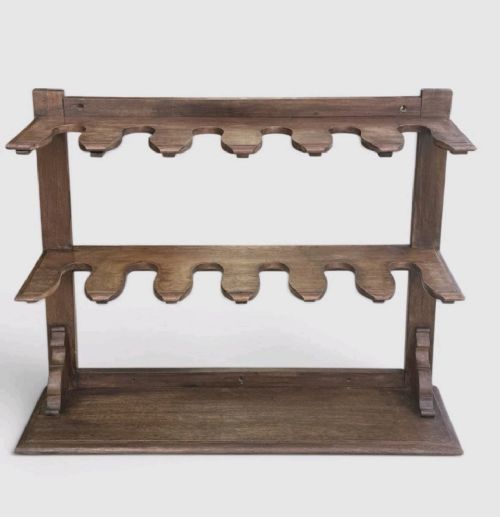
Boot racks and shoe stands keep muddy footwear neatly ordered, proving that hallway clutter troubled Victorians just as much.
The Traditional Mahogany Storage Glossary
- Flame mahogany veneer
- A thin slice of timber cut from wood where branches join the trunk, creating a fiery, figured grain pattern. This veneer is applied to primary surfaces for decorative impact.
- Bow-front
- A convex, curved cabinet front that swells outward in the centre. This shape softens the geometric lines of chests of drawers and sideboards.
- Serpentine
- A cabinet front featuring a central convex curve flanked by concave sections, or vice versa. It requires advanced woodworking skill to shape accurately.
- Chest on chest
- A tall storage unit comprising one chest of drawers stacked directly on top of a larger lower chest. Also known as a tallboy, it maximises vertical capacity.
- Crossbanding
- A narrow strip of veneer laid around the border of a drawer front or tabletop with the grain running perpendicular to the centre panel.
Traditional Mahogany Storage: Frequently Asked Questions
How do I date a mahogany chest?
Examine the drawer construction details, handle types, and overall proportions alongside secondary woods like oak or pine.
Changes in stylistic periods from Georgian to Edwardian introduce shifts in foot shapes, bracket styles, and veneer treatments.
What is flame mahogany?
Flame mahogany is a highly figured veneer sourced from specific sections of the timber tree.
Cabinet makers applied these decorative sheets to primary surfaces to create dramatic, rippling patterns across drawer fronts.
How should I care for antique mahogany?
Keep wooden storage pieces away from direct heat sources and strong sunlight to prevent timber splitting.
Apply traditional wax polish occasionally and buff gently with a soft cloth to maintain the surface sheen.
Where were these cabinets used?
Chest of drawers and wardrobes served bedrooms for clothing storage, while bookcases populated libraries and studies.
Sideboards and serving pieces functioned in dining rooms for tableware and linens.