
Traditional Mahogany Shelves
Traditional mahogany shelves offer enduring warmth and practical display space, bringing rich timber grain and classic proportion to any room.
Traditional Mahogany Shelves
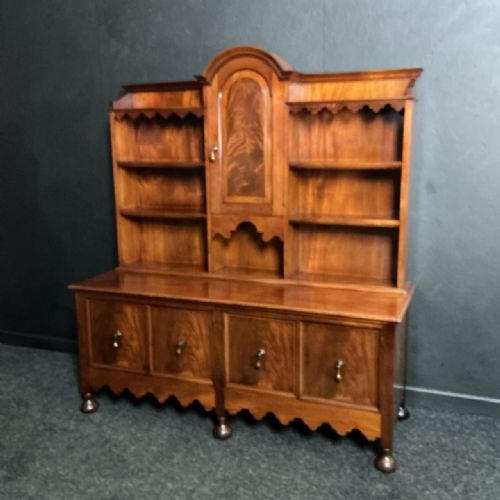
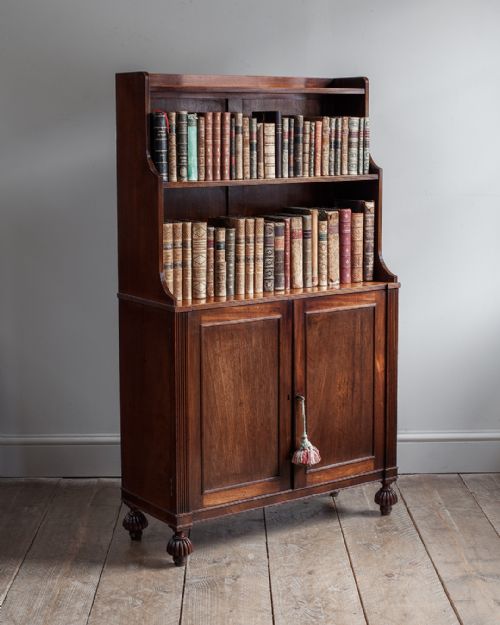
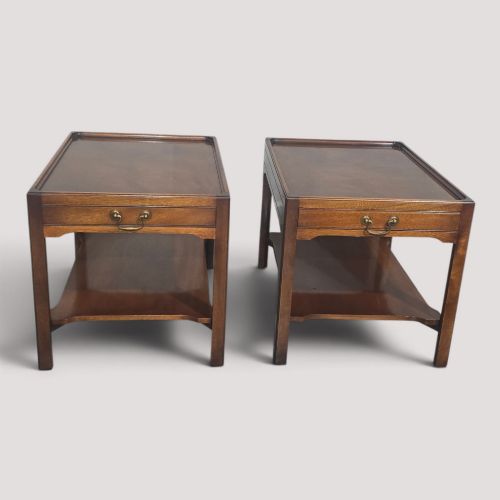
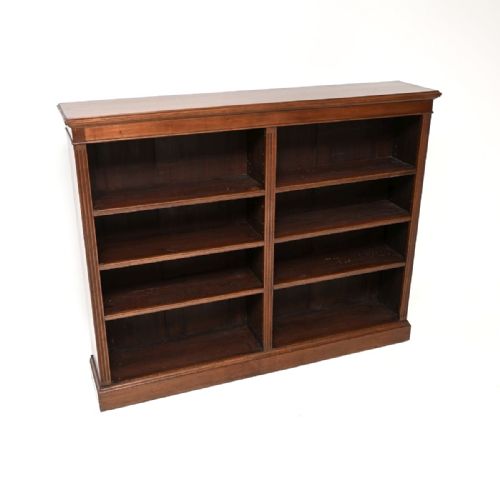
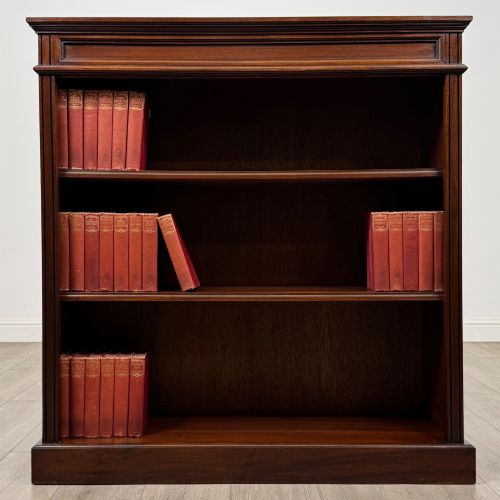
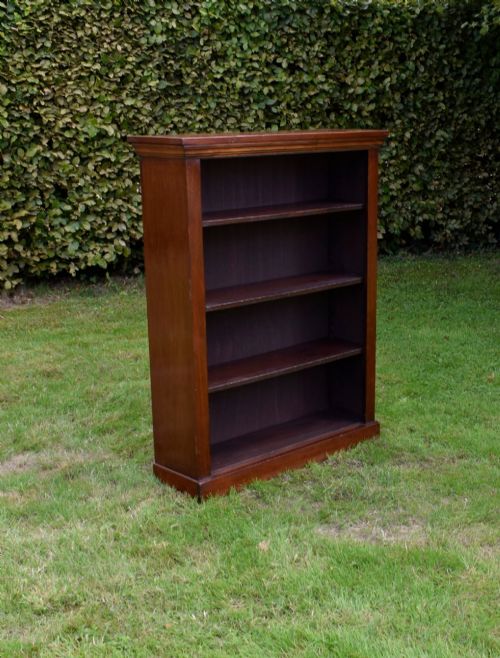
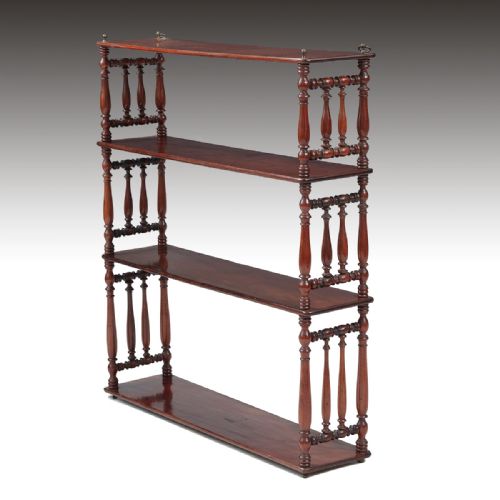
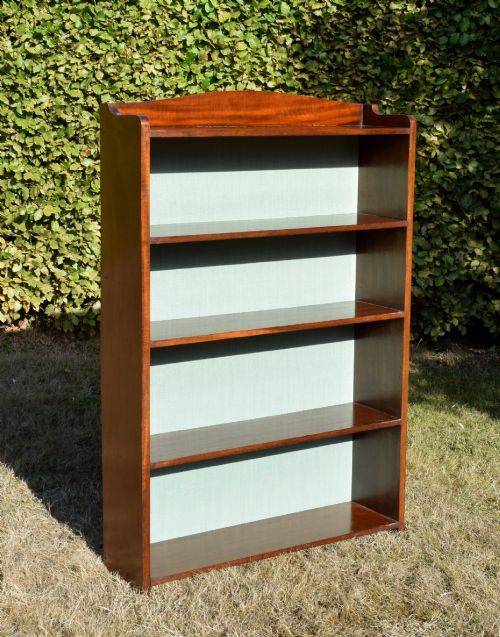
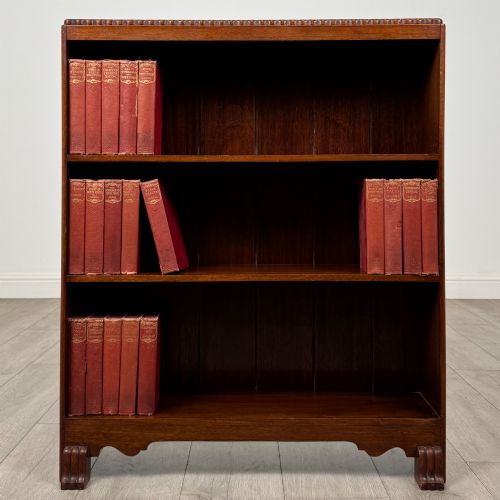
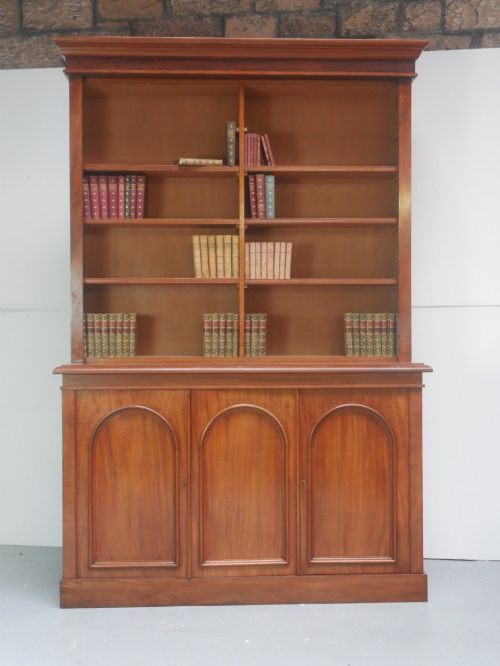
Traditional mahogany shelves span several key periods, predominantly appearing across Victorian, Edwardian, and Regency eras. Buyers searching for traditional mahogany shelves encounter various formats, most commonly open bookcases, wall shelves, and library shelving units designed for domestic utility.
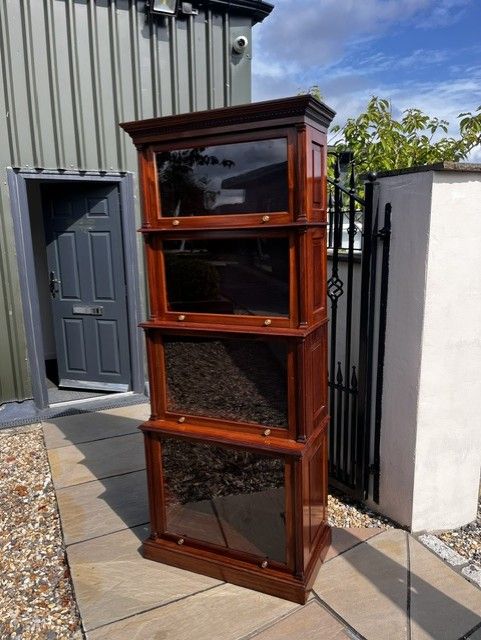
The pieces often feature solid timber construction, adjustable shelving interiors, and sometimes glass doors or inlaid satinwood details. Surviving examples range from tall nineteenth century library bookcases down to compact hanging wall shelves from the early twentieth century.
Makers and workshops constructed these items to organise books and display decorative objects within formal rooms. The prevalent forms seen on this page focus heavily on open bookcases and hanging shelf units built from rich brown timber.
What separates the finest examples
Quality in these pieces rests upon the choice of timber stock and the crispness of the cabinet work. Superior examples display carefully selected mahogany grain patterns across the main visible surfaces rather than plain or heavily patched timber.
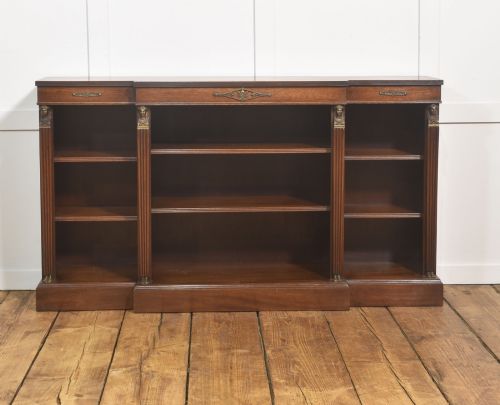
Finer items incorporate refined architectural details such as subtle breakfront moulding, clean joinery, and well preserved brass adjustment mechanisms. Lesser examples show simpler construction with heavier proportions and minimal attention to decorative timber selection.
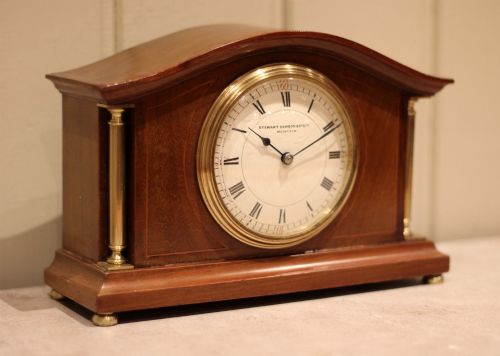
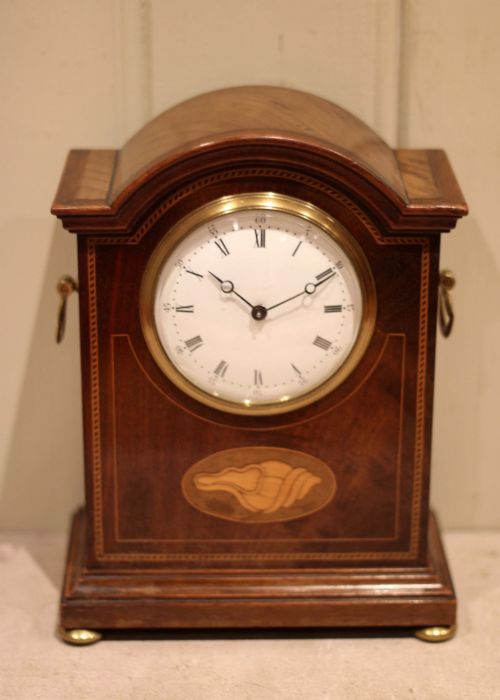
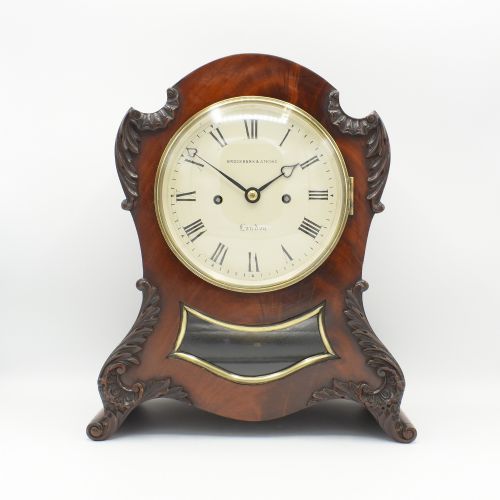
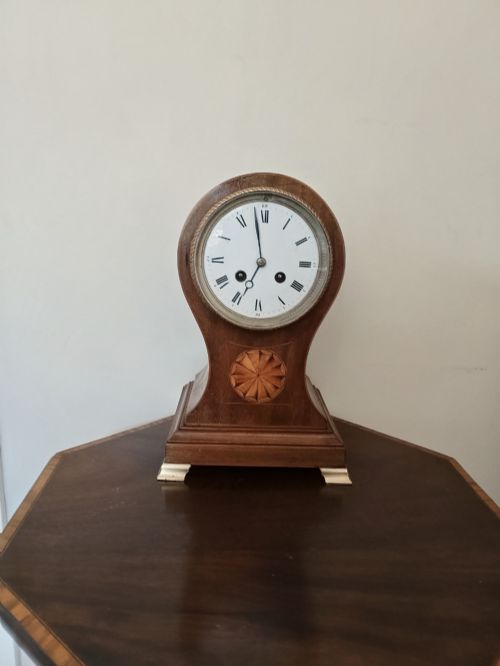
Timepiece movements tick quietly behind glass faces while nearby mahogany shelves hold generations of forgotten reading.
Brockbanks And Atkins·Waring And Gillows
The Traditional Mahogany Shelves Glossary
- Breakfront
- A cabinet or bookcase design where the central section projects forward from the flanking outer sections. This architectural arrangement creates depth and visual interest in large library pieces.
- Waterfall bookcase
- A set of open shelves where each tier steps back progressively from bottom to top, creating a profile resembling cascading water. These compact units gained popularity during the Regency and Victorian periods.
- Satinwood
- A luminous, fine grained yellow timber native to India and Ceylon used extensively for decorative stringing and inlay work. Cabinet makers utilised it to create sharp contrasts against dark mahogany surfaces.
- Dovetail
- A traditional interlocking joint formed by interlocking wedge shaped fingers, securing drawer corners and structural carcases together. Fine spacing indicates skilled hand craftsmanship in older furniture.
- Adjustable library bookcase
- A tall shelving unit featuring vertical racks that allow shelves to be repositioned at various heights. This practical function accommodated books of differing vertical sizes.
Traditional Mahogany Shelves: Frequently Asked Questions
How do I date an old mahogany bookcase?
Dating relies on examining construction techniques, timber characteristics, and stylistic details present in the piece. Early nineteenth century items often display hand cut dovetails and dense San Domingo timber, while later Edwardian versions utilise lighter secondary woods and machine milled components.
Comparing the hardware, backboards, and foot styles against documented period examples helps narrow down the decade of manufacture. Consulting the listed period markers on individual pieces confirms whether the item originates from the Regency, Victorian, or Edwardian eras.
Are these shelves suitable for heavy books?
Solid mahogany construction provides exceptional strength, making these pieces well suited for supporting substantial collections of volumes. Many Victorian and Edwardian examples feature sturdy timber uprights and thick shelf boards designed to bear heavy weight without sagging.
Units equipped with adjustable brass ratchets or wooden support battens offer reliable load distribution. Inspecting the thickness of the shelf boards and the condition of the vertical supports ensures the furniture safely handles heavy library use.
What is the difference between open and glazed bookcases?
Open bookcases provide direct, unhindered access to shelves, favouring easy retrieval of frequently read books and decorative display. Glazed bookcases incorporate glass paned doors, protecting delicate bindings from dust, light, and ambient moisture over long periods.
Both styles appear frequently across the Victorian and Edwardian periods, serving different domestic needs within studies and libraries. Selecting between them depends on whether ease of access or environmental protection for the contents takes priority.
How should I care for antique mahogany timber?
Maintaining mahogany requires stable indoor humidity levels and protection from direct sunlight to prevent timber drying and fading. Regular dusting with a soft, dry cloth preserves the polished finish without building up heavy wax residues.
Occasional applications of quality beeswax nourish the timber grain and maintain the deep reddish brown lustre developed over decades. Avoiding harsh chemical cleaners ensures the historic surface finish remains intact.