



Traditional Mahogany Shelf Clock
A traditional mahogany shelf clock brings rich timber grain and steady timekeeping to a mantel or desk.
Traditional Mahogany Shelf Clock
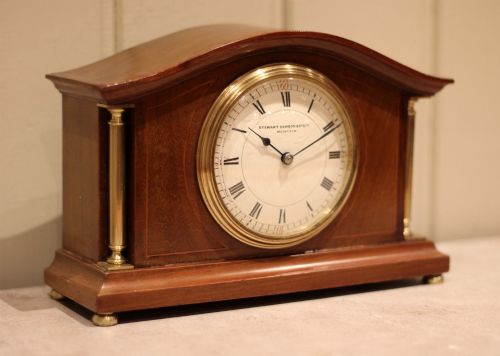
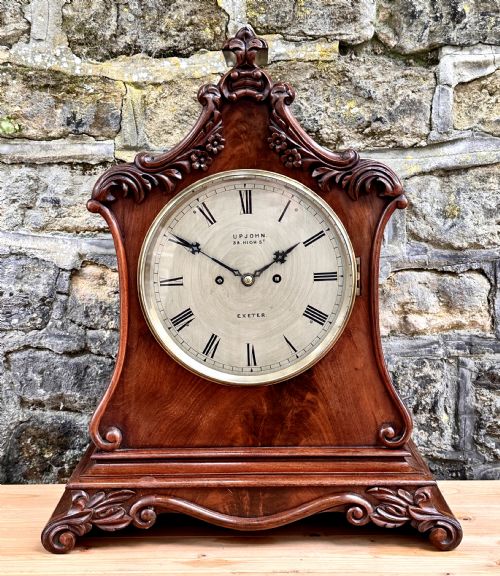
A traditional mahogany shelf clock is a compact timekeeper designed to sit on a bracket, table, or mantel rather than stand upon the floor. These pieces span from the late nineteenth century into the twentieth century, encompassing Victorian, Edwardian, and later revivals.
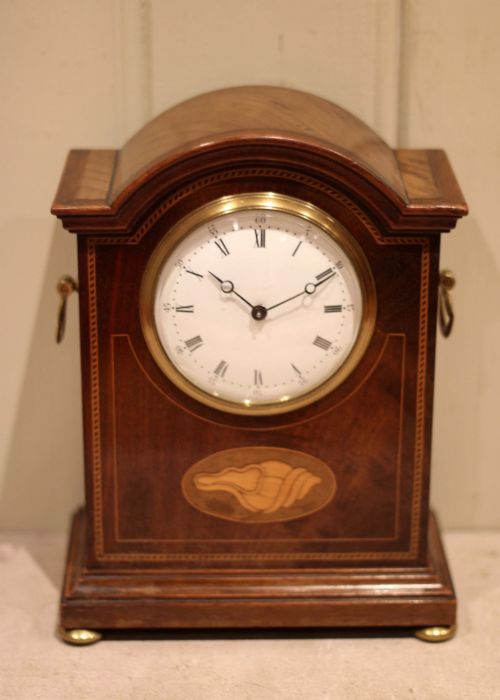
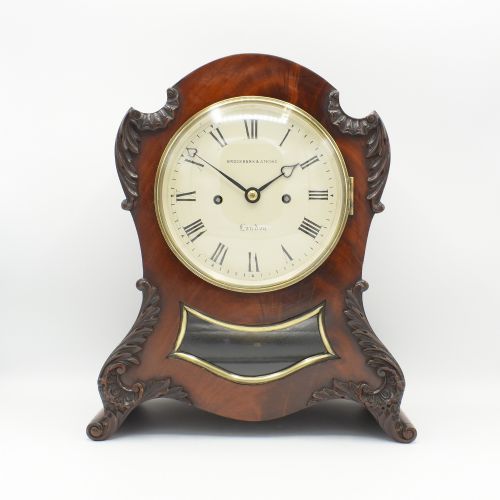
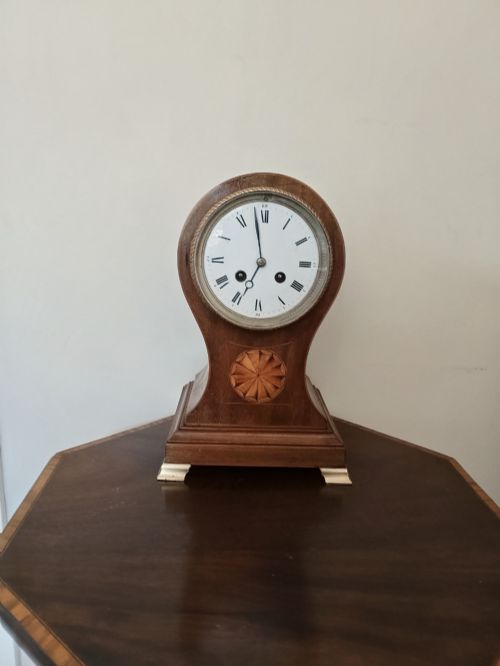
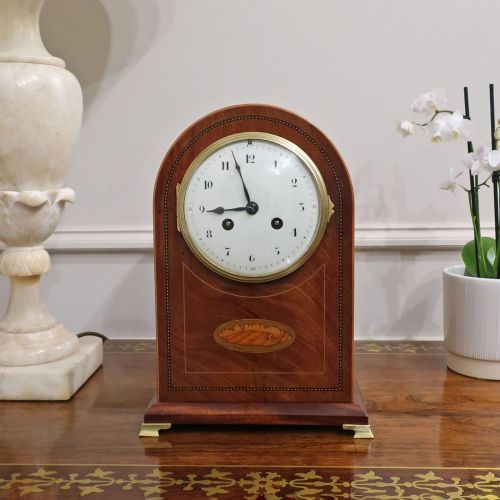
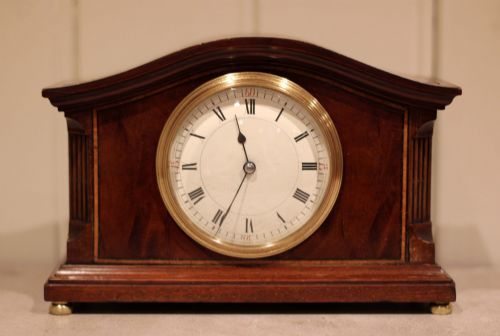
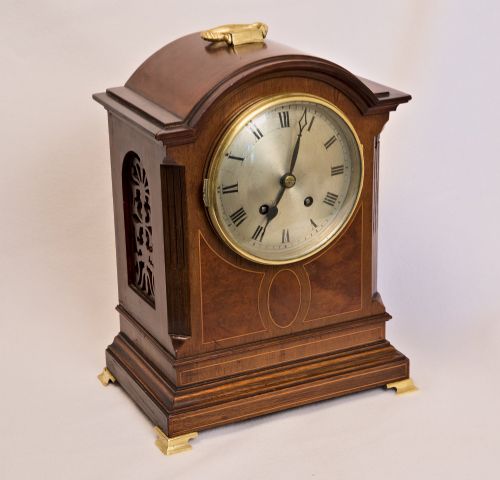
The assortment on this page comprises mantel clocks, bracket clocks, and table clocks shaped in architectural styles like lancet, balloon, dome top, and pagoda forms. Mahogany timber forms the primary body across the selection, often enriched with contrasting stringing and inlay.
Makers and retailers from London, Norwich, Brighton, and continental workshops such as Paris contributed to this range of horology. Buyers will encounter both simple timepiece movements and striking eight-day mechanisms housed within these wood cases.
Materials and construction
Cabinetmakers utilised solid mahogany and mahogany veneers over secondary woods to build the architectural cases, frequently incorporating glass bezels to protect the dial. Satinwood, boxwood, and marquetry inlay provide delicate border decoration and floral motifs upon the primary timber surfaces.
Movements range from simple mechanical timepieces to fusee mechanisms and striking eight-day gear trains designed to mark the hours. Specialised shapes like balloon, lancet, and dome top cases required precise carpentry to curve and join the mahogany timber.
Some Edwardian mahogany clocks feature delicate inlaid poppies blooming across the wooden case, bringing a touch of the garden indoors.
Assessing craftsmanship
The crispness of the mahogany grain and the precision of the satinwood or boxwood inlay separate standard examples from finer commissions. Finely executed marquetry and well-proportioned architectural cases, such as pagoda tops or balloon curves, indicate superior cabinetwork.
The reputation of the maker inscribed on the dial or movement backplate heavily influences the standing of a piece. Original brass fittings, well-preserved enamel dials, and intact mechanical movements contribute significantly to the integrity of the clock.
Brockbanks and Atkins·Piggin Norwich·Barrett London·Funnell of Brighton·Malecot of Paris
The Traditional Mahogany Shelf Clock Glossary
- Fusee
- A conical pulley used in spring-driven clocks to ensure even power delivery as the mainspring unwinds. This mechanical addition helps maintain consistent timekeeping accuracy.
- Bracket clock
- A portable clock originally designed to sit upon a matching wall bracket or furniture piece. Many examples feature brass carrying handles on top.
- Timepiece
- A clock that indicates the hours and minutes but does not strike the hour. These movements focus purely on tracking time.
- Balloon clock
- A mantel clock featuring an ogee or swelling curved silhouette that broadens toward the base. This aesthetic became particularly popular during the Edwardian period.
- Lancet clock
- A mantel clock shaped with a pointed gothic arch reminiscent of a lancet window. The wooden case tapers smoothly toward the top.
Traditional Mahogany Shelf Clock: Frequently Asked Questions
How do I wind a mechanical shelf clock?
Most mechanical shelf clocks require a dedicated key inserted into the dial winding holes to tension the spring inside. Care should be taken not to over-wind the mechanism.
Aeight-day movement needs winding approximately once a week, while simpler timepiece versions follow a similar routine depending on the gear train.
Where should I place a bracket clock?
These clocks sit securely upon stable flat surfaces such as mantelpieces, sideboards, or dedicated wall brackets. Placement should avoid damp areas and direct sunlight to protect the mahogany wood.
Ensuring the surface is level helps the pendulum or balance wheel maintain a steady, even beat.
What is the difference between a timepiece and a striking clock?
A timepiece simply measures and displays the current hours and minutes without making any acoustic chime. These movements contain fewer internal gears.
A striking clock includes an additional train of wheels and hammers that sound bells or gongs to announce the passing hours.
How do I identify an Edwardian mahogany clock?
Edwardian clocks often display lighter mahogany tones paired with delicate satinwood or boxwood inlay work. Balloon and lancet shapes frequently appear alongside classical revival motifs.
Examining the interior timber, dial style, and any maker inscriptions helps confirm the early twentieth-century production era.