



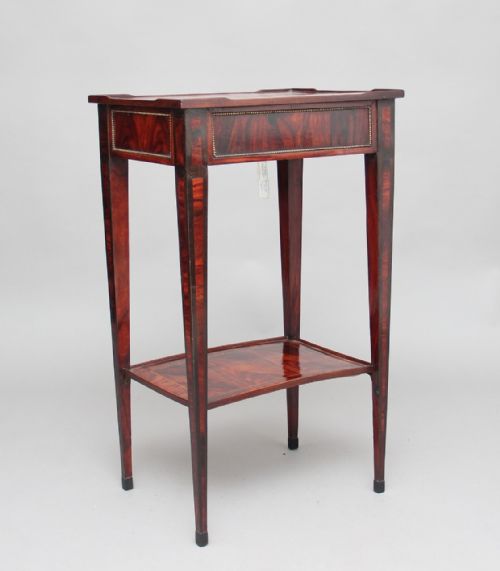
Traditional Mahogany Plant Stand
These traditional mahogany plant stands elevate foliage and light, offering classical timber forms that bring quiet dignity to any room.
Traditional Mahogany Plant Stand
A traditional mahogany plant stand combines timber construction with elevated display surfaces designed to hold pots or lamps. When you search for a traditional mahogany plant stand, you encounter pieces spanning the Georgian, Victorian, and Edwardian eras.
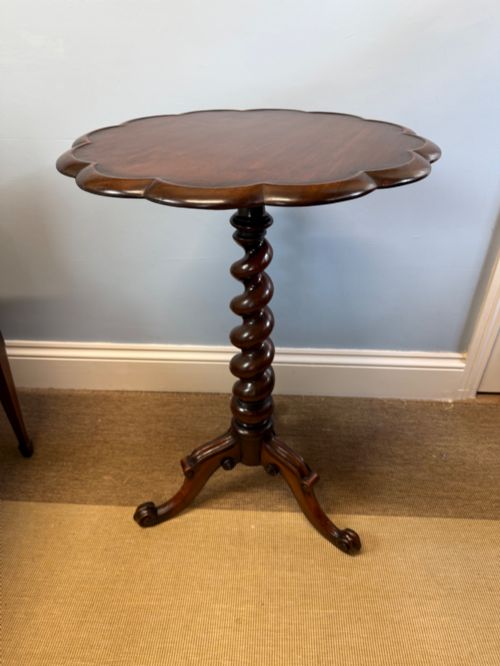
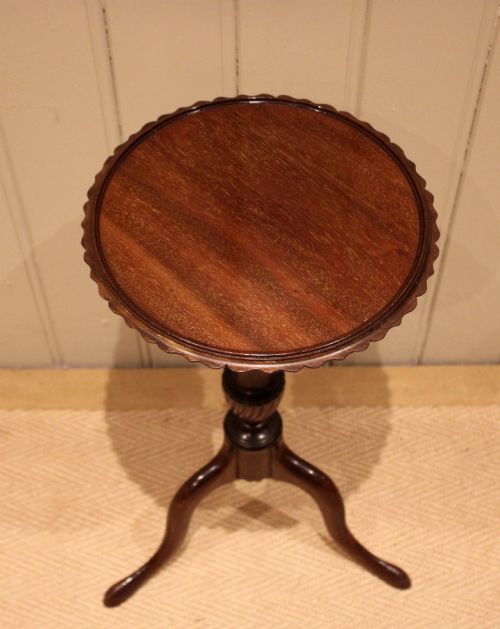
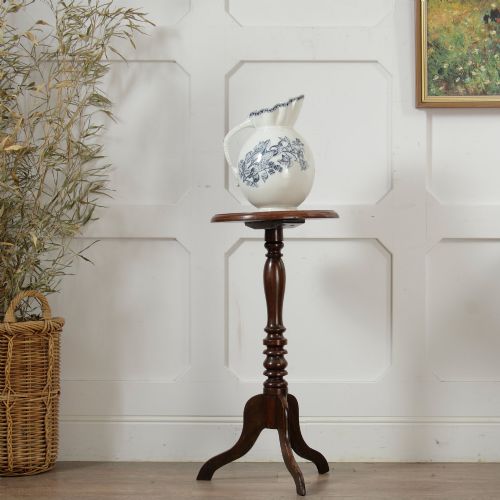
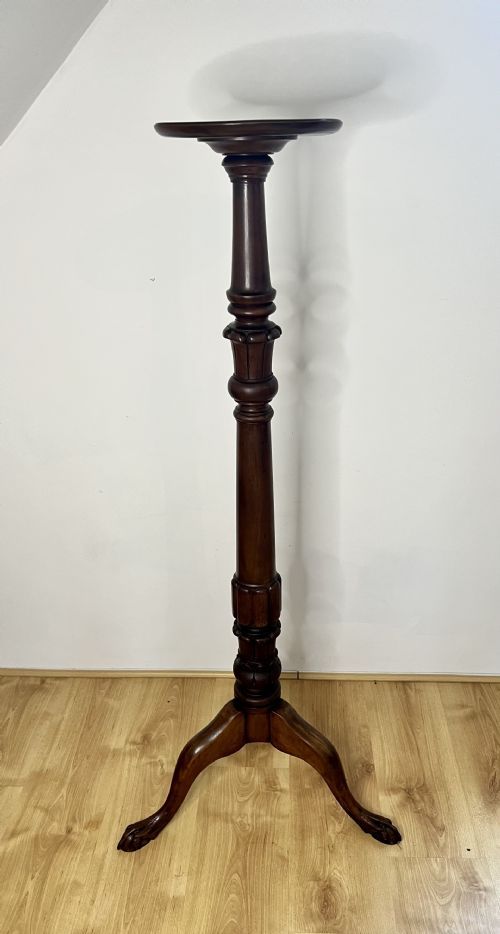
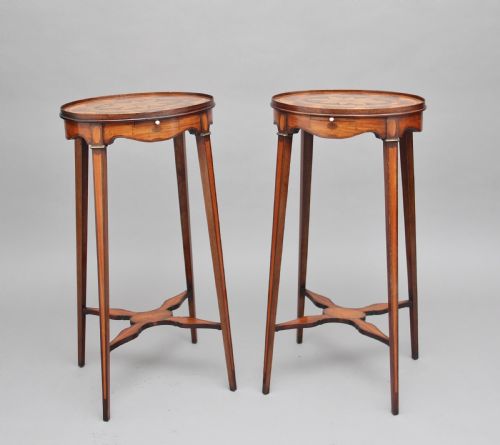
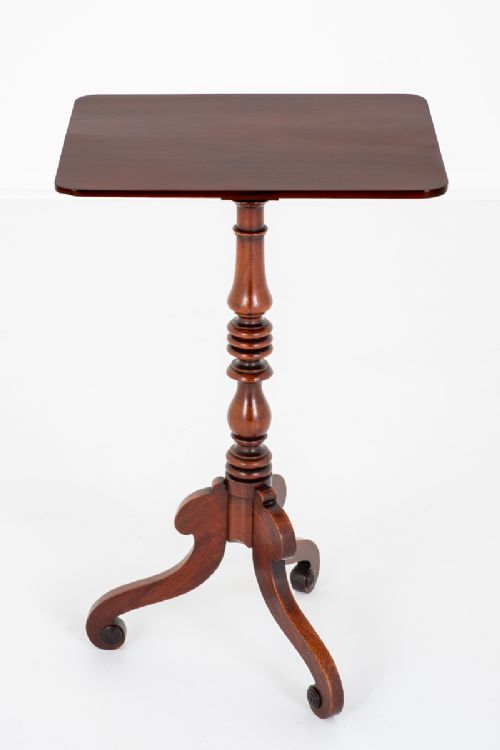
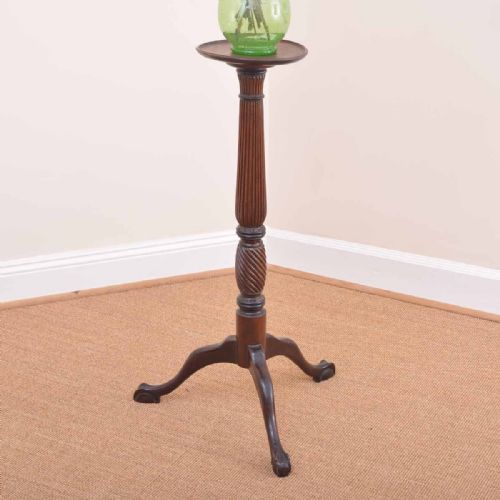
The inventory on this page ranges widely in form, featuring plant stands, torcheres, occasional tables, wine tables, urn stands, and wig stands. Most examples lean towards Victorian and Edwardian interpretations, alongside revival pieces and occasional Chinese carved hardwood works.
Materials and construction
Makers utilised solid mahogany and hardwoods, sometimes incorporating wood inlay, brass fittings, leather accents, or bone details. These materials provided the necessary strength for slender pedestals and tall column forms.
Carving techniques defined the decorative vocabulary, visible on torcheres and plant stands alike. Turned columns and shaped tops required steady handwork to achieve balance across narrow footprints.
Several stands double as impromptu surfaces for tea or wigs, proving our ancestors were remarkably practical with their furniture.
Judging quality in these stands
Superior examples display crisp carving and stable, well-proportioned pillar supports that bear weight without tipping. Lesser versions rely on plain turned posts with minimal attention to joinery detail or surface crispness.
The integration of decorative elements like inlay work or thoughtful edge moulding separates standard utilitarian pieces from finer specimens. Timber selection also dictates visual depth, with rich grain patterns elevating the overall presence.
The Traditional Mahogany Plant Stand Glossary
- Torchere
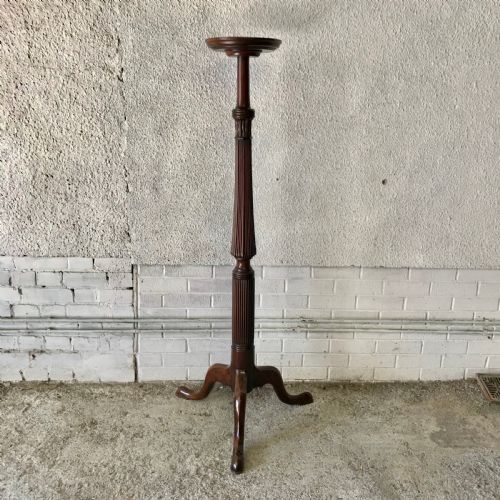
- A tall, slender stand designed originally to hold a light source and later utilised for display. These pieces feature elongated stems and small upper platforms.
- Jardiniere
- A decorative receptacle or stand intended for holding plants or flowers. They often incorporate brass liners or deep basins.
- Occasional table
- A small, movable table used for various domestic purposes such as holding lamps or small objects. Their versatile scale suits placement beside seating.
- Inlay
- A technique where contrasting materials are inserted into recesses within the wood surface. This creates geometric or botanical decorative patterns.
Traditional Mahogany Plant Stand: Frequently Asked Questions
What is a torchere?
A torchere is a tall, slender stand originally designed to carry a candle or lamp. Over time, these forms evolved to display decorative objects and plants within principal rooms.
Their elevated platforms and stable bases make them useful for adding vertical interest to empty corners.
How were these stands used?
These pieces functioned primarily to support heavy potted plants, lamps, or decorative urns off the floor. They served both practical and decorative roles in period interiors.
Placement typically occurred in reception rooms, hallways, or beside seating areas where extra surface space was required.
How do I date a stand?
Dating relies on observing the stylistic markers, carving details, and timber characteristics associated with specific eras such as the Georgian or Victorian periods. Revival styles often borrow motifs from earlier centuries.
Examining construction methods underneath the top surface also provides clues regarding the manufacturing period.
Are these stands stable for plants?
Most stands feature tripod or weighted pedestal bases engineered to counterbalance the weight placed on top. Heavier pots require sturdy torcheres with wide base spreads to ensure safety.
Checking the tightness of the central column connection helps maintain proper balance over time.