

Traditional Mahogany Occasional Table
A traditional mahogany occasional table brings warmth and adaptable surface space to a room, rooted in centuries of useful domestic design.
Traditional Mahogany Occasional Table
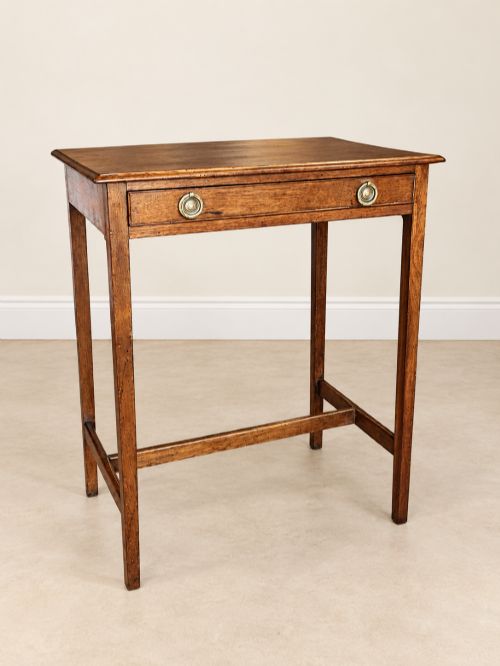
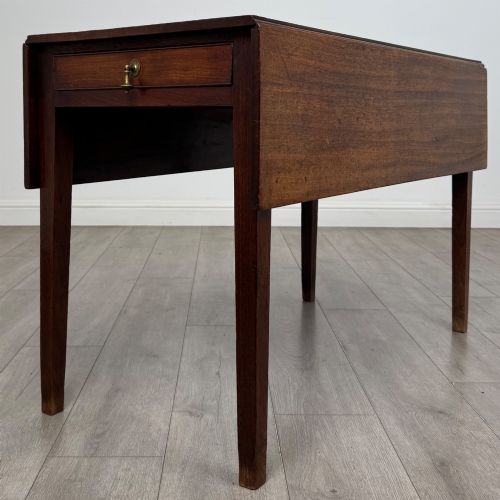
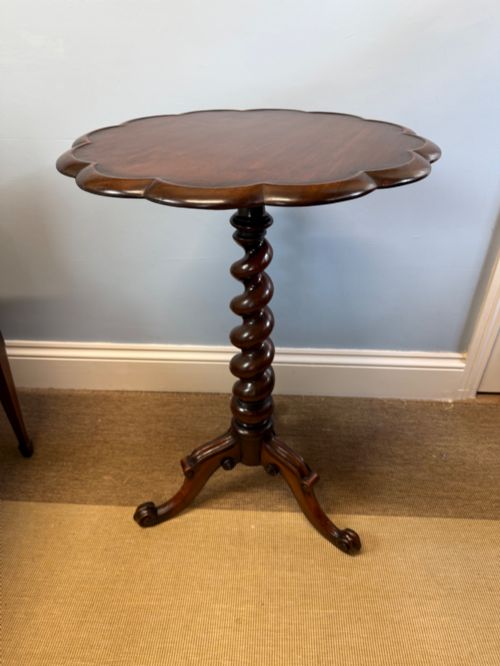
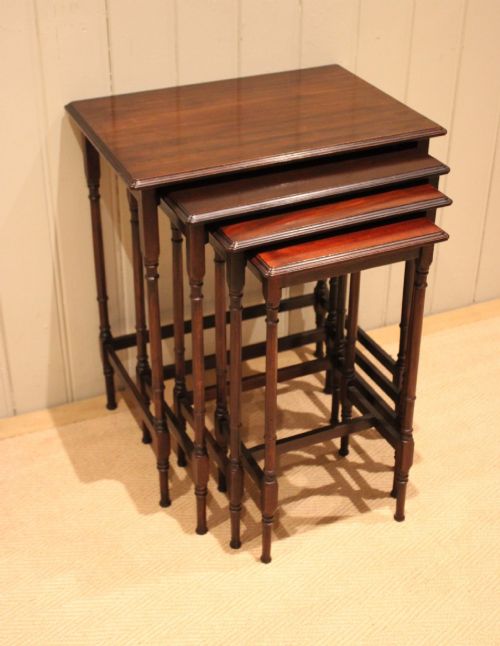
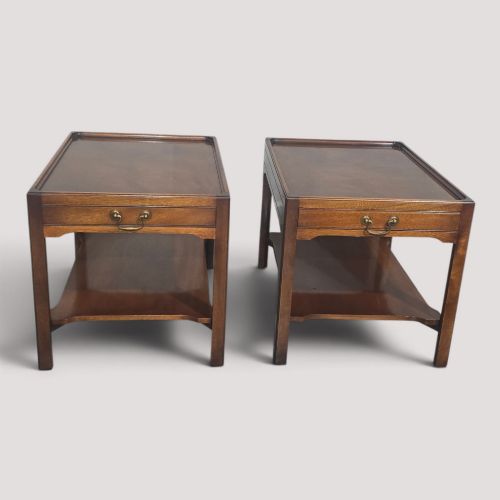
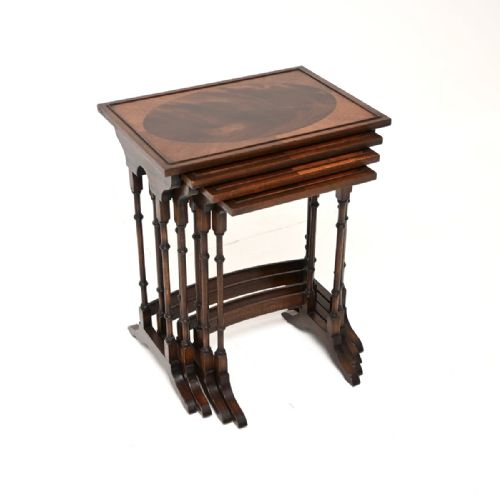
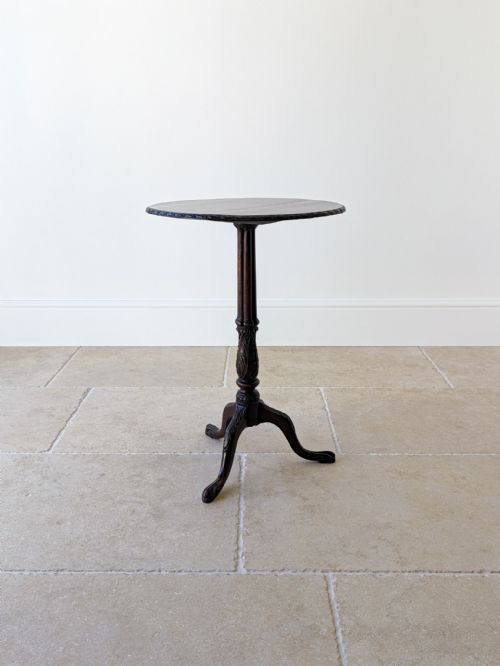
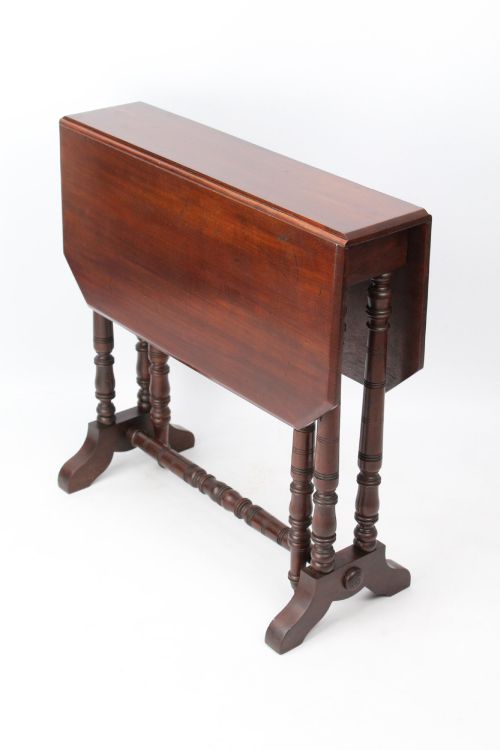
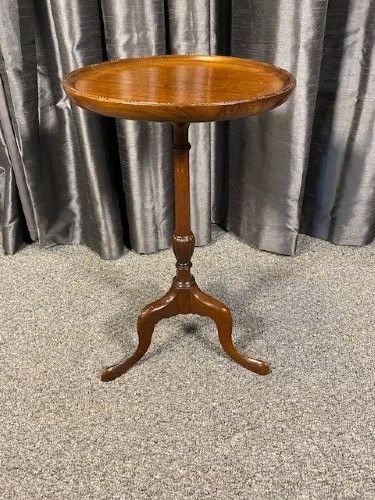
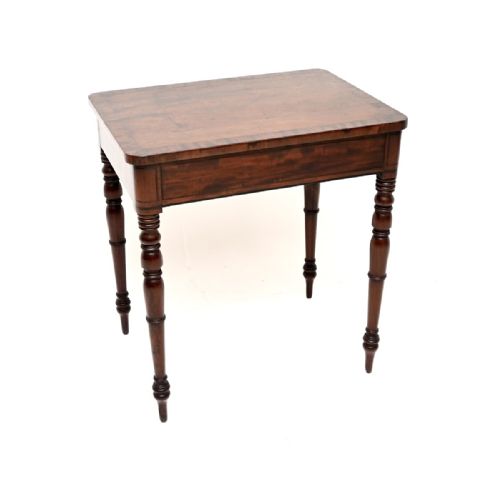
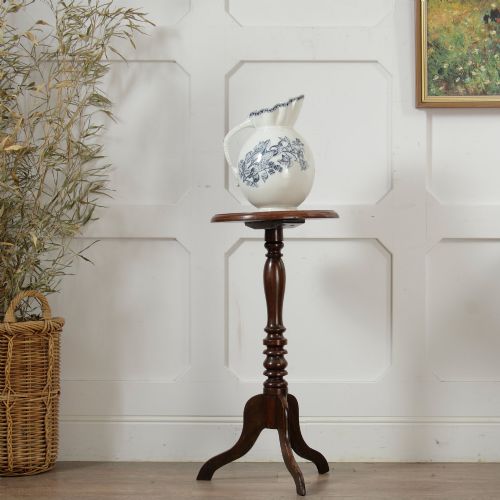
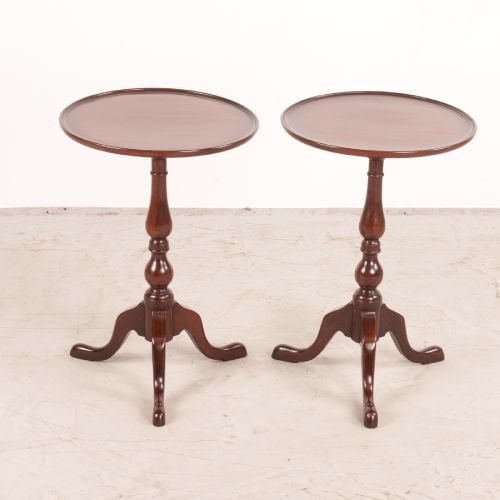
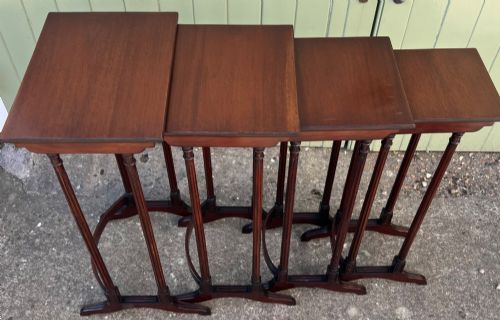
When you search for a traditional mahogany occasional table, you encounter a diverse group of movable small furniture pieces designed for specific household tasks. These range from compact wine tables and tripod stands to nests of four tables and Pembroke tables, spanning the eighteenth, nineteenth, and early twentieth centuries. Side tables and lamp tables also appear frequently across Georgian, Victorian, and Edwardian periods.
The version you are most likely to meet on this page is a nineteenth-century or Edwardian wine table or nest of tables. These smaller forms suited drawing rooms and parlours where extra surfaces were needed for tea, lamps, or books. Many pieces reflect later revivals, such as Georgian, Chippendale, and Sheraton styles produced during the Victorian and Edwardian eras.
Materials and construction
Cabinet makers relied primarily on mahogany, utilising both solid timber and veneers applied to secondary woods. Wood inlay, satinwood, and brass hardware added decorative contrast on finer examples, whilst leather inserts appeared on specific writing and work tables.
Construction techniques varied from simple turned pedestals with tripod legs to complex mechanisms such as birdcage tilts and revolving book stands. Nesting tables required precise sizing so smaller units slid smoothly beneath the main top.
Current listings feature pieces spanning the 18th, 19th, and 20th centuries, executed in solid mahogany, mahogany veneer, and inlaid wood.
Judging the quality
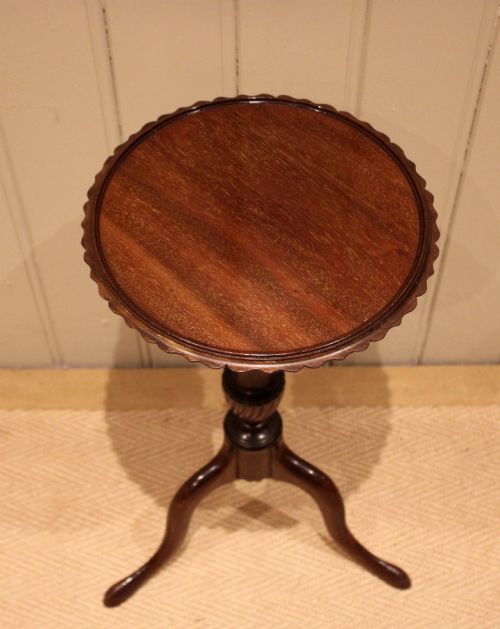
Quality rests in the selection of the mahogany timber and the crispness of any carved details, such as pie crust rims or tripod legs. Better examples display careful grain matching in veneers and sturdy joints that maintain stability without excessive movement.
Proportion and utility also separate standard pieces from superior ones. A well-balanced wine table with a secure, functional tilt mechanism or a finely inlaid nest of tables demonstrates greater cabinet-making skill than a plain, utilitarian equivalent.
The Traditional Mahogany Occasional Table Glossary
- Mahogany
- A dense, durable hardwood prized for its rich reddish-brown colour and smooth grain. It served as the primary material for fine domestic tables throughout the Georgian and Victorian periods.
- Tripod table
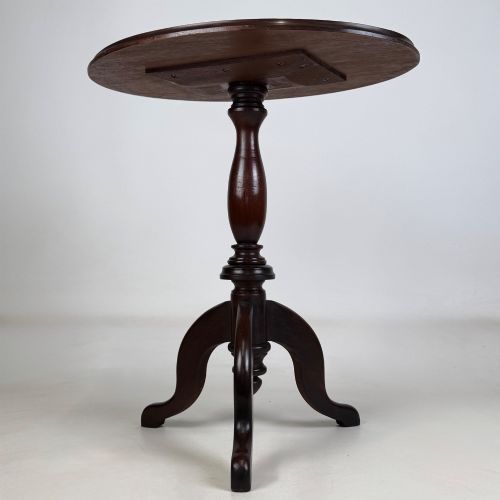
- A small freestanding table supported by a central pillar and three spreading legs. This form provided stability on uneven floors and allowed the top to tilt on many examples.
- Pembroke table
- A drop-leaf table with hinged flaps on either side, often fitted with a drawer. It was designed to stand against a wall and pull out when surface area was needed.
- Nest of tables
- A set of graduated tables designed to fit neatly one beneath another. They gained popularity in the Edwardian era for entertaining and saving space.
- Wine table
- A small, lightweight table meant to hold a glass and bottle of wine. These pieces typically feature circular tops supported by slender pedestals.
- Veneer
- A thin layer of choice mahogany applied over a sound secondary wood base. This technique allowed cabinet makers to display striking grain patterns economically.
Traditional Mahogany Occasional Table: Frequently Asked Questions
What is a traditional mahogany occasional table used for?
These tables provide portable surface space for lamps, drinks, books, or decorative items within living spaces.
Historically, specific forms served narrow tasks like holding wine glasses or supporting tea trays in the evening.
How do I identify a Georgian table from a revival piece?
Georgian pieces date from the eighteenth or early nineteenth century and show construction methods typical of that era.
Revival pieces, made during the Victorian and Edwardian periods, copy earlier styles but use later joinery and timber preparation.
What is a birdcage mechanism on a tripod table?
A birdcage is a wooden frame beneath the table top that allows the surface to rotate and tilt vertically.
This clever design enabled tables to be stored flat against a wall when not in use.
Are nest of tables an antique invention?
Sets of graduating tables appeared in various forms during the nineteenth century and became very popular by the Edwardian period.
They offered a practical solution for entertaining guests in smaller drawing rooms.
How should I care for a mahogany table surface?
Keep mahogany furniture away from direct heat sources and strong sunlight to prevent the timber and finish from drying out.
Regular dusting with a soft cloth helps preserve the natural sheen of the wood.