
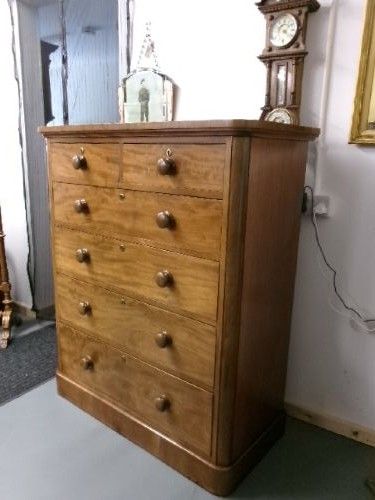
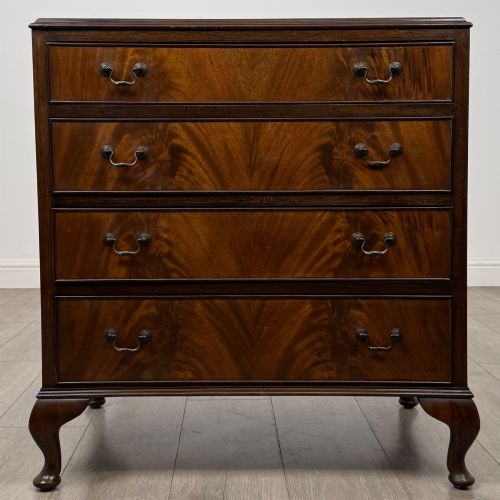
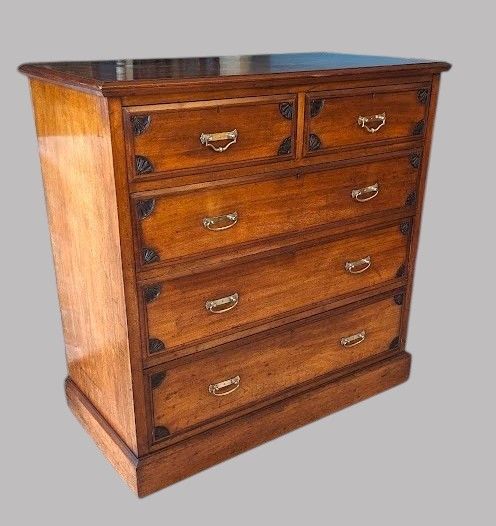
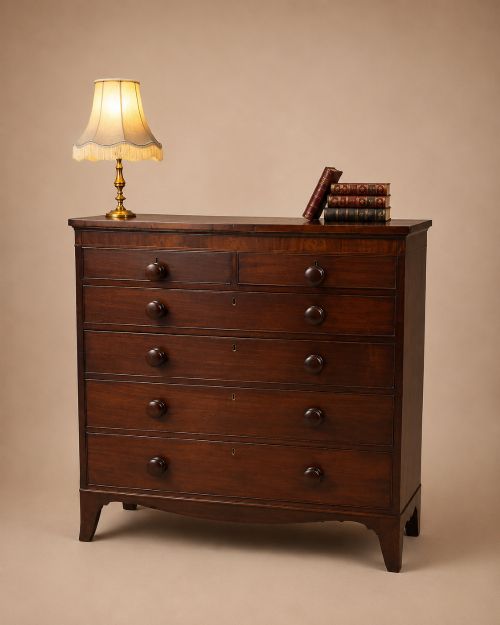
Traditional Mahogany Dresser Drawers
Traditional mahogany dresser drawers bring warmth and structured storage to a room, offering timeless timber grain and solid proportions.
Traditional Mahogany Dresser Drawers
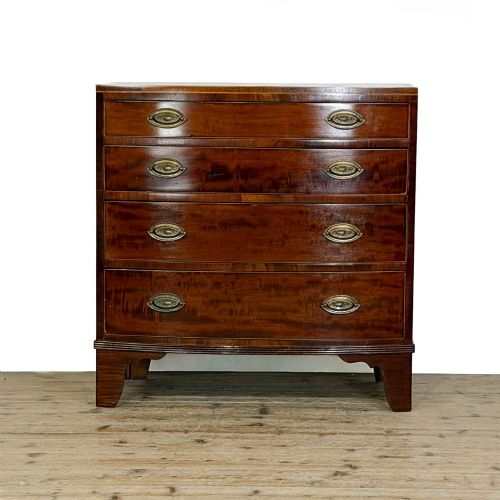
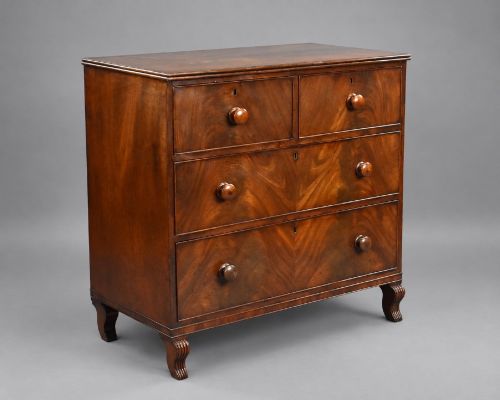
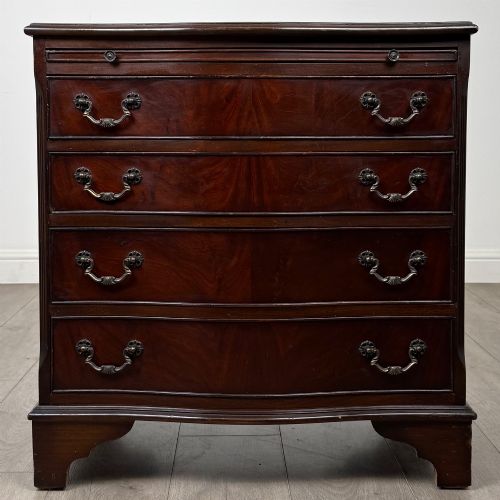
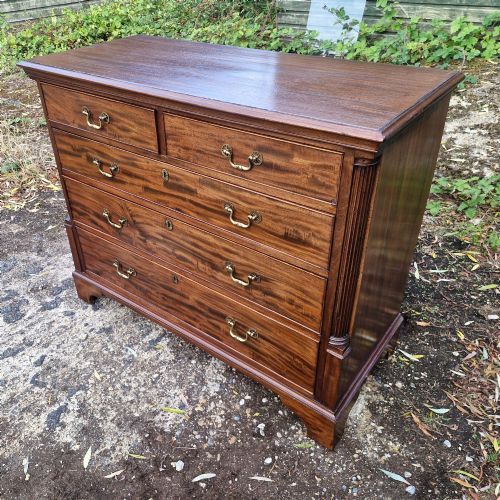
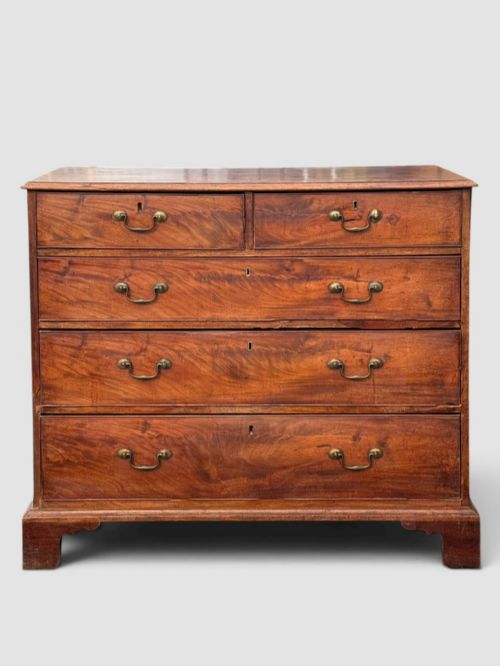
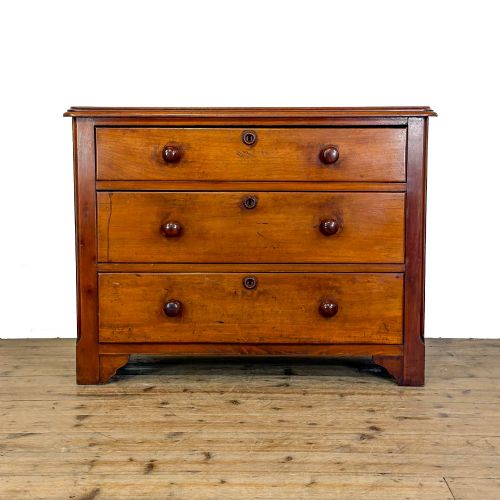
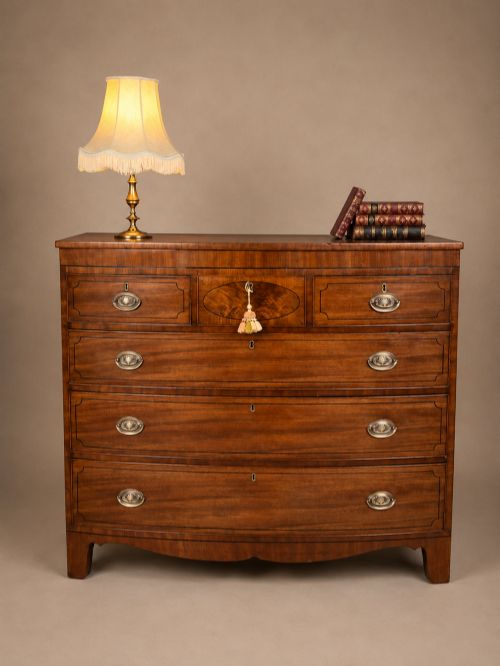
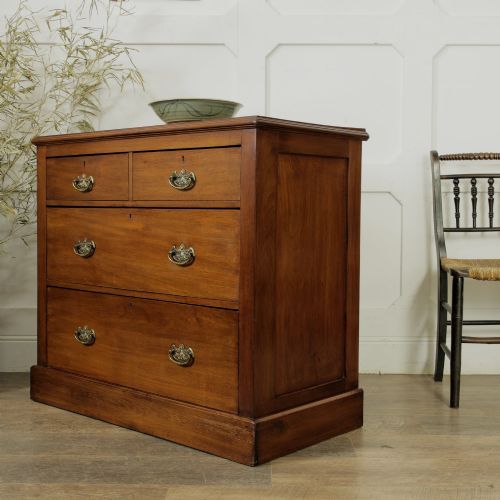
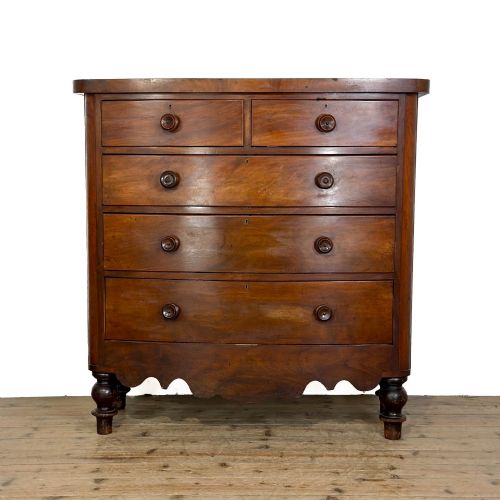
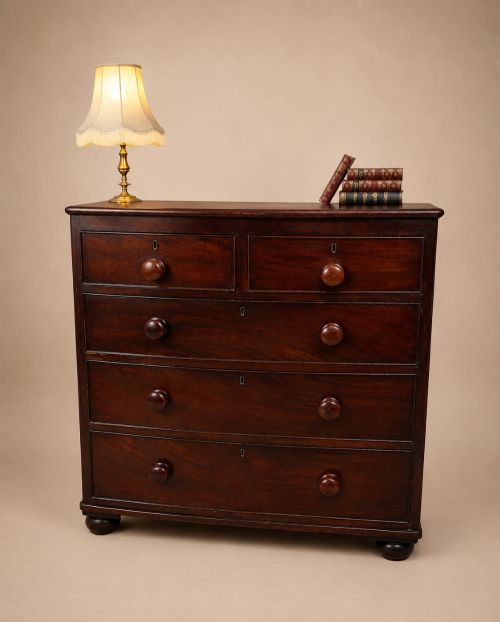
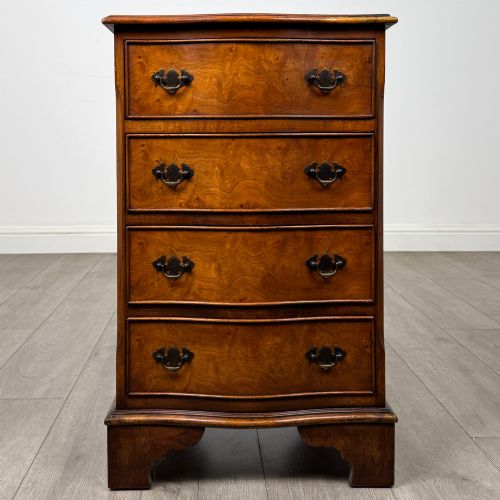
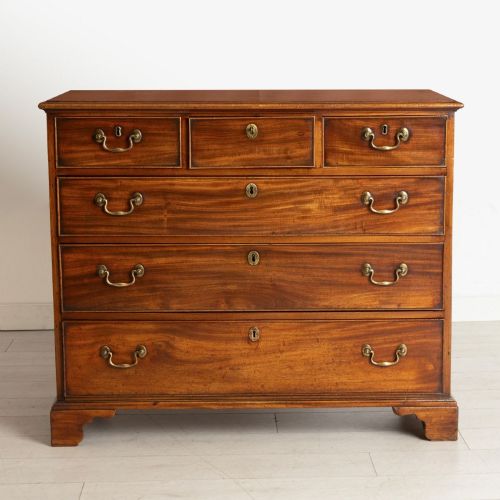
Traditional mahogany dresser drawers manifest primarily as chests of drawers, spanning periods from the Georgian era through to the Edwardian period. Buyers encounter various formats on this page, including bow front, serpentine, and standard rectangular chests with multiple height configurations.
Makers and cabinetmakers built these storage pieces using durable hardwoods, frequently incorporating secondary timbers like pine within the internal carcase construction. The historical styles range from strict George III and Regency designs to later Victorian and Edwardian interpretations.
Materials and construction techniques
Cabinetmakers constructed these chests predominantly from solid mahogany and flame mahogany veneer, chosen for rich figuring and deep natural colour. Secondary structural elements commonly utilise pine and general hardwood to form the robust internal framework.
Drawer fronts and mounts frequently incorporate cast brass handles, which secure the operational drawer sections. Artisans shaped the primary timber into curved bow fronts or undulating serpentine profiles, relying on traditional joinery methods.
Listings feature mahogany, pine, and brass across George III, Victorian, and Edwardian periods.
Evaluating quality and execution
Quality separates pieces through the selection of timber veneers, where highly figured flame mahogany displays superior visual depth compared to plain planks. The precision of the cabinetwork dictates the integrity of the drawers, particularly in complex bow front and serpentine shapes.
The refinement of period details, such as bracket feet and original brass hardware, elevates certain examples above standard utilitarian storage pieces. Subtle differences in proportion and the crispness of the joinery mark the distinction between ordinary and exceptional workshops.
The Traditional Mahogany Dresser Drawers Glossary
- Bow front
- A convex curved front profile common on chest of drawers from the Regency and Victorian periods. This shape softens the angular appearance of standard rectangular furniture.
- Flame mahogany veneer
- A highly decorative wood veneer sliced from timber where the branch meets the trunk. It creates a distinctive, flickering flame pattern across drawer fronts.
- Serpentine
- A gently undulating front edge featuring a convex centre flanked by concave curves. This sophisticated shape requires advanced woodworking skill.
- Bracket foot
- A simple foot shape formed by two pieces of wood mitred together at the corner. These feet support many Georgian and later chests.
- Bachelor's chest
- A small compact chest of drawers traditionally featuring a fold-over top or sliding shelf. They served utilitarian purposes in domestic bedchambers.
Traditional Mahogany Dresser Drawers: Frequently Asked Questions
What periods do these chests come from?
The pieces span multiple historical eras, including Georgian, Regency, Victorian, and Edwardian periods. Pieces date from the eighteenth century through to the early twentieth century.
Craftsmanship and stylistic details shift across these periods, reflecting the prevailing design sensibilities of each respective decade.
What wood was used for these drawers?
Mahogany serves as the primary timber, often enhanced by flame mahogany veneer for enhanced decorative grain patterns. Secondary structural woods like pine support the internal framing.
Hardware components typically incorporate brass for handles and key escutcheons, complementing the dark reddish-brown timber.
Where should I place a chest in my home?
These chests function well in bedrooms, hallways, or living spaces as practical storage units. Their substantial timber presence anchors a room while providing deep drawer capacity.
Positioning them away from direct heat sources helps preserve the mahogany timber and delicate wood veneers.