




Traditional Low Vanity Stool
A traditional low vanity stool brings compact seating and period character to a dressing area, spanning walnut and mahogany designs from the eighteenth century to the 1930s.
Traditional Low Vanity Stool
A traditional low vanity stool is a compact seat designed for use at a dressing table, taking forms such as footstools, dressing stools, and small low seats. When searching for a traditional low vanity stool, buyers encounter pieces spanning from the eighteenth century through the Victorian era to the 1920s and 1930s.
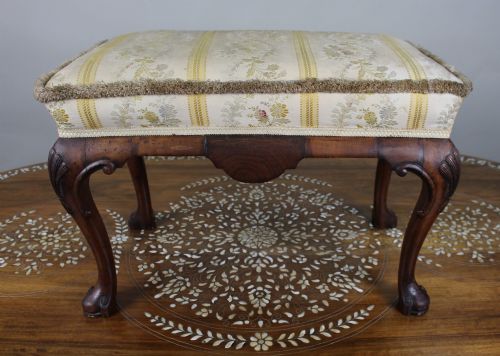
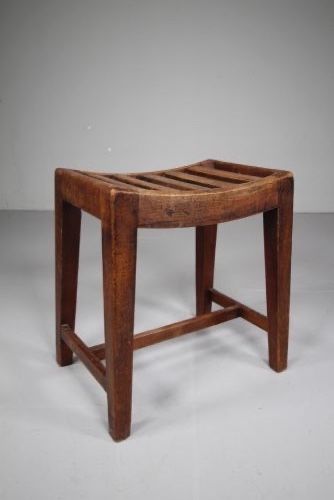
The selections on this page lean heavily towards Queen Anne style walnut and Chippendale style mahogany pieces. Alongside these revival and earlier pieces appear oak, teak, and Victorian examples with cabriole legs or shaped wooden frames.
Makers and craftsmen produced these seating forms primarily to sit neatly beneath dressing tables or low mirrors. Their low stature and compact footprints make them distinct from standard parlour or dining seating.
How they were made
Makers constructed traditional low vanity stools using dense timbers such as mahogany, walnut, oak, and teak. Selected woods were often shaped into cabriole legs or carved frames, frequently reflecting Georgian, Queen Anne, or Chippendale design idioms.
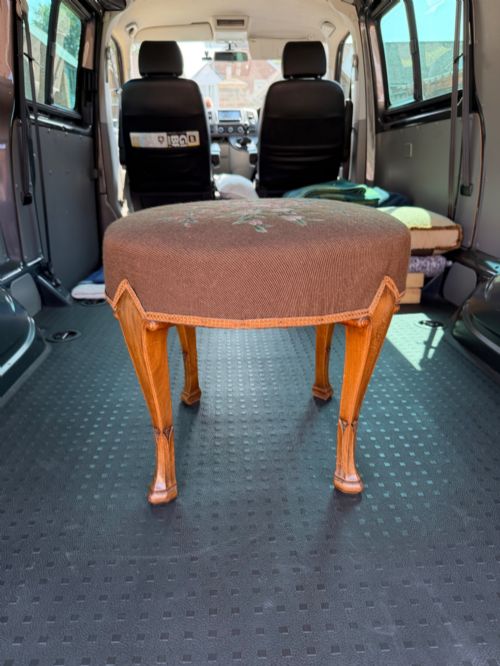
Upholstery forms an essential part of construction, utilising textiles, fabric, tapestry, velvet, and woven rattan over padded seats. Brass details and shaped or slatted wooden tops also appear across the surviving pieces.
Traditional Low Vanity Stool Retail Price Guide 2026
Typical asking prices for traditional low vanity stool among the pieces listed under this phrase on Sellingantiques today, from the lower quarter to the upper quarter. They describe what is for sale here now, not the wider market.
Listings feature periods spanning from the eighteenth century through the Victorian era up to 1930, utilising walnut, mahogany, oak, and teak.
What varies in quality
Quality in a traditional low vanity stool rests in the crispness of the timber carving and the fidelity of the period style. Pieces exhibiting well-proportioned cabriole legs and solid walnut or mahogany frames stand apart from simpler iterations.
The integrity of the upholstery work and the selection of covering materials, from traditional tapestry to velvet, influence the overall standard. Original framing timbers and sturdy joinery separate superior examples from later revivals.
The Traditional Low Vanity Stool Glossary
- Cabriole leg
- A furniture leg that curves out and then in, resembling an animal's curving leg. This form is common on Queen Anne and Chippendale style stools.
- Dressing stool
- A low seat specifically created to accompany a dressing table or vanity. These pieces often feature upholstered tops for comfortable seated use.
- Chippendale style
- A decorative style drawing on the eighteenth-century designs of Thomas Chippendale. Pieces in this manner frequently utilise mahogany and intricate woodwork.
- Queen Anne style
- A graceful design idiom characterised by subdued ornament, curved lines, and walnut construction. It remains a dominant aesthetic for vanity seating.
- Rush seat
- A woven seating surface made from dried marsh plants. It appears on rustic oak and country examples.
Traditional Low Vanity Stool: Frequently Asked Questions
Where do I put a vanity stool?
A traditional low vanity stool is designed to slide beneath a dressing table or low vanity mirror when not in use. Its compact height ensures it stays out of the way in a bedroom or dressing room.
Beyond the dressing table, these small seats work well as occasional footstools or low seating beside a fireplace or in a hallway.
How do I date an old stool?
Dating relies on examining the timber species, construction methods, and stylistic cues such as cabriole legs or turned supports. Walnut and mahogany were favoured in different periods, while revival pieces from the 1920s often replicate earlier Georgian forms.
Looking at the underside and joinery reveals hand-tooling marks or modern fixings that help distinguish eighteenth-century originals from later nineteenth- and twentieth-century interpretations.
Are these stools comfortable for daily use?
Most pieces feature padded tops covered in textile, velvet, or tapestry designed for short periods of sitting at a dressing table. The low stature and compact proportions prioritize space-saving over deep lounging comfort.
Upholstered variants offer a softer seat than slatted or wooden-topped versions, though padding condition varies across antique examples.
What is the difference between Queen Anne and Chippendale stools?
Queen Anne style stools typically feature understated walnut frames with smooth cabriole legs and pad feet. They emphasise flowing, curved lines without heavy carving.
Chippendale style pieces often employ mahogany and may incorporate more intricate carved details on the knees and legs, reflecting mid-eighteenth-century design shifts.