
Traditional Longcase Pendulum Clock
A traditional longcase pendulum clock brings architectural presence and mechanical rhythm to a room, anchoring the space with steady movement.
Traditional Longcase Pendulum Clock
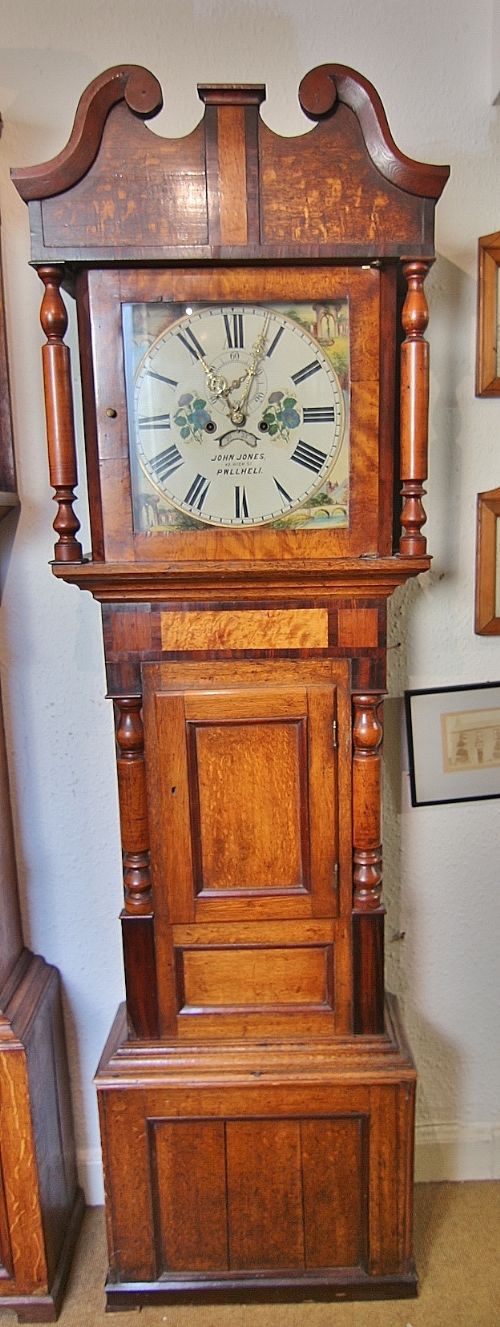
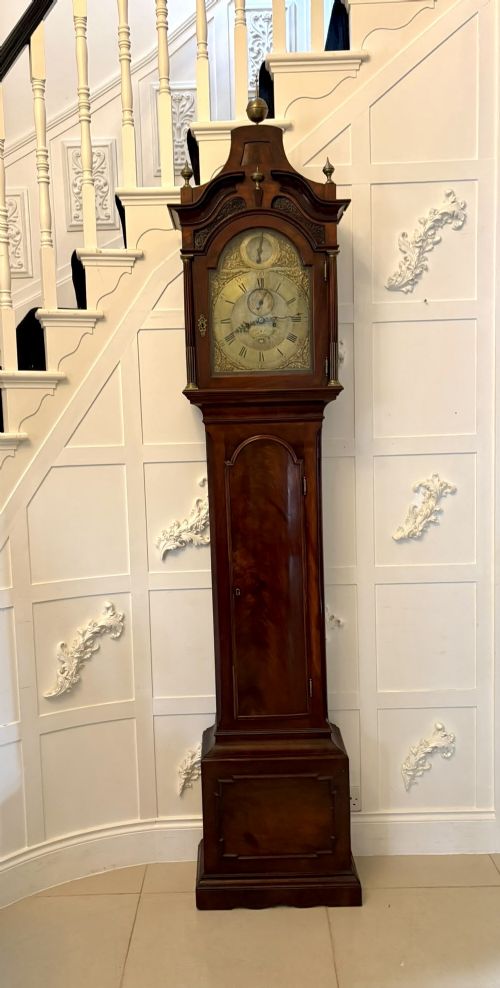
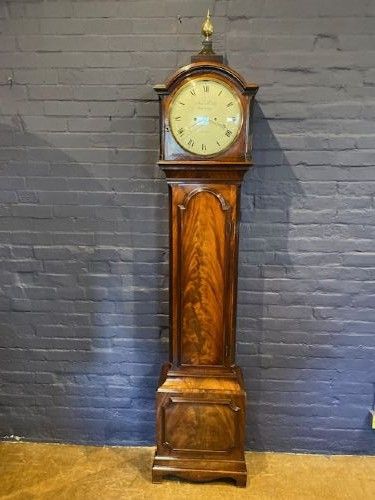
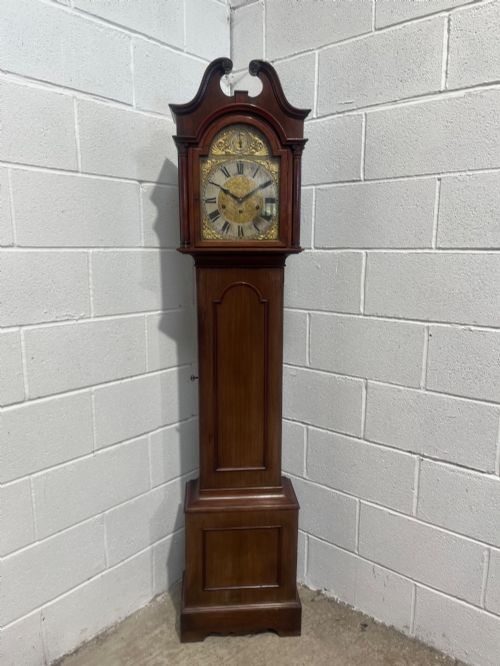
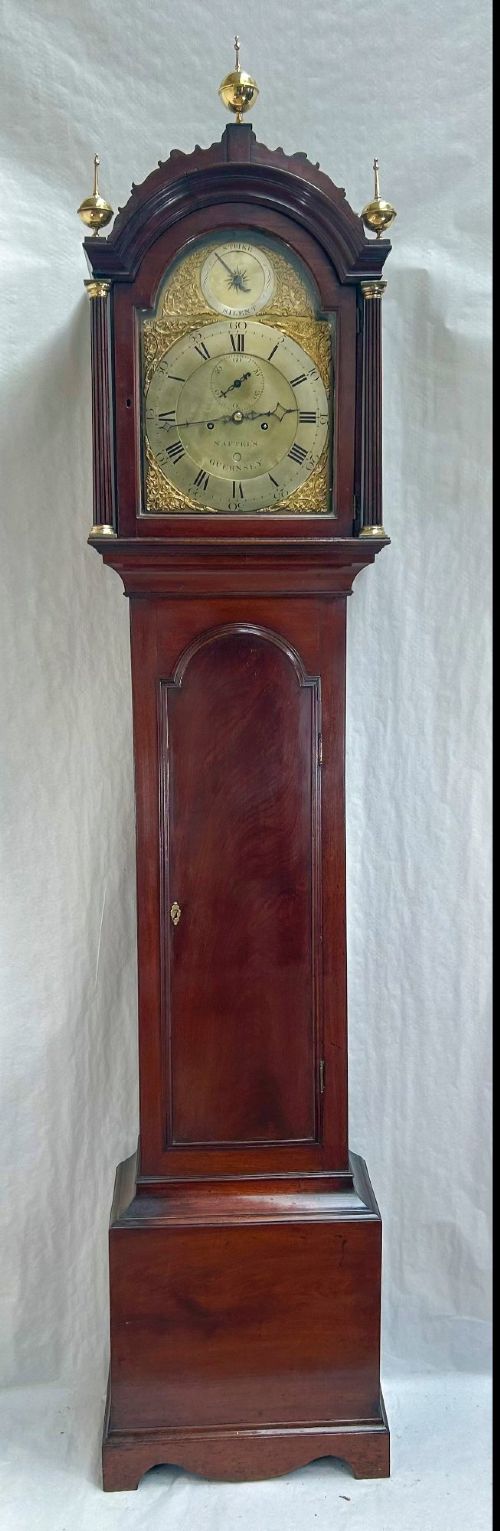
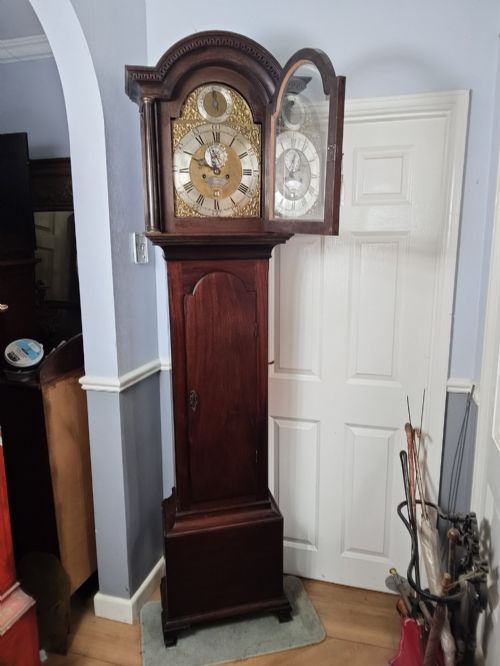
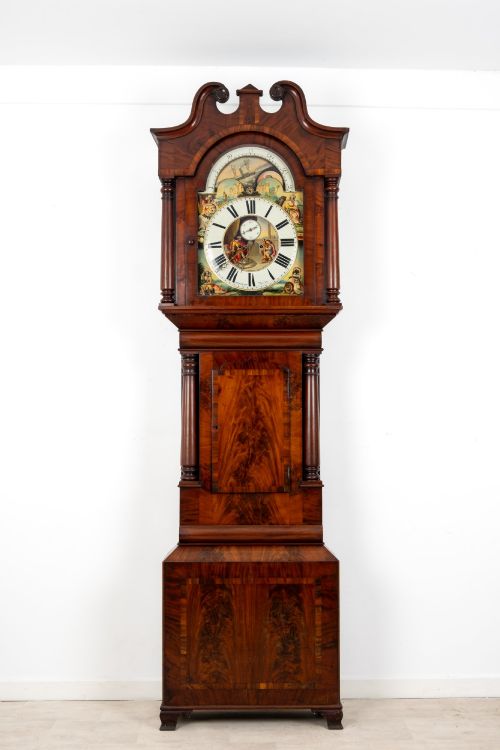
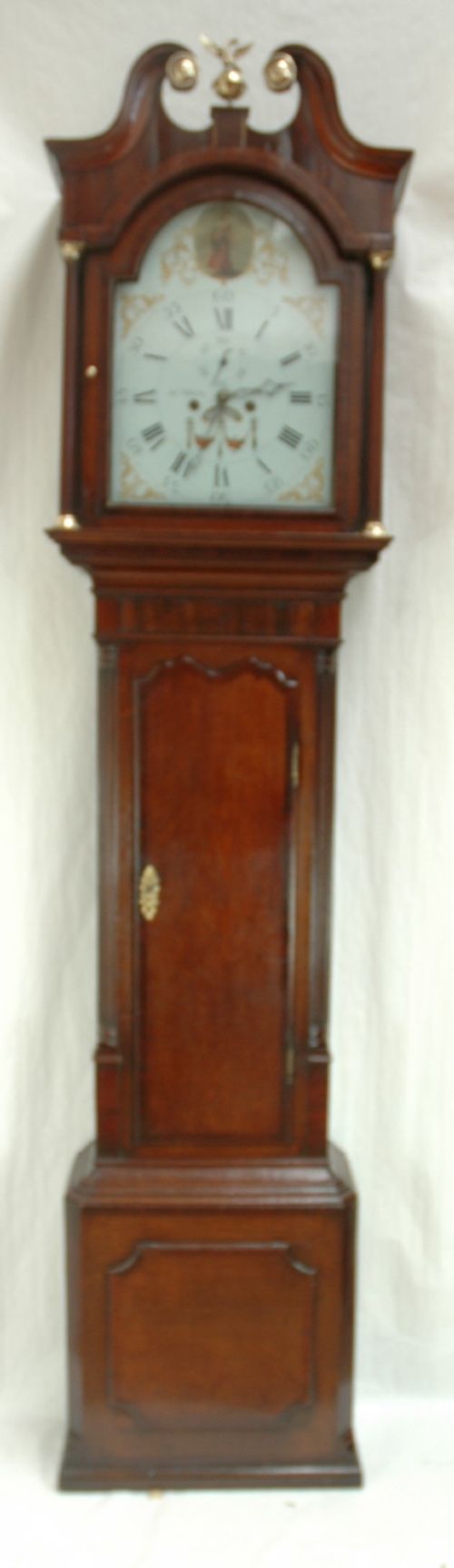
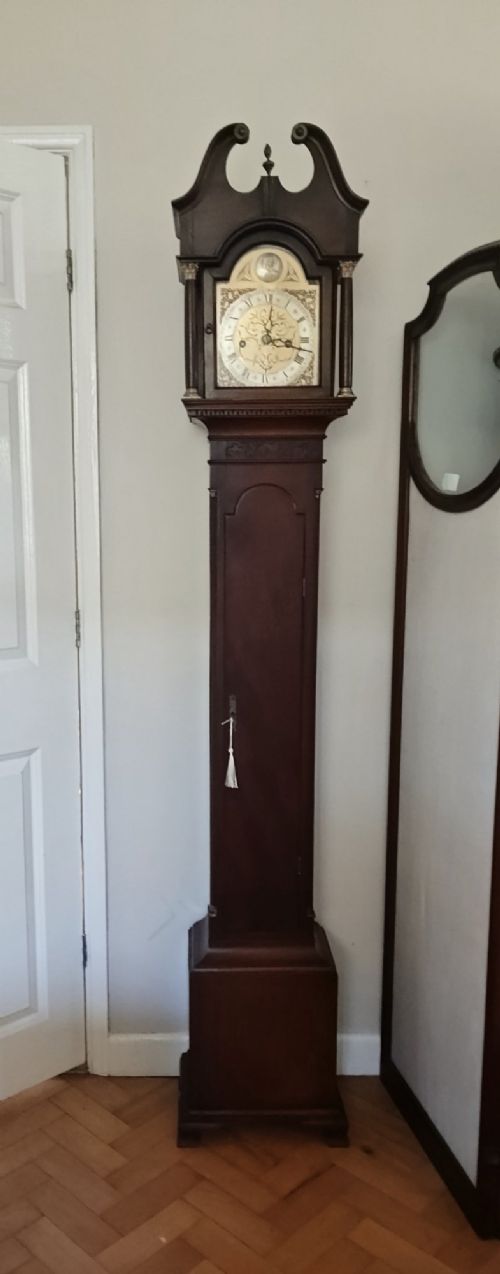
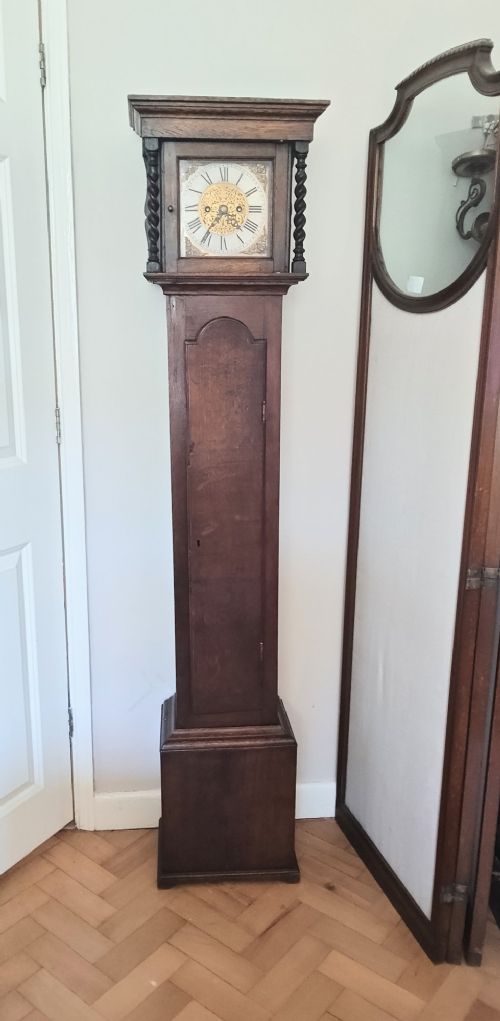
A traditional longcase pendulum clock stands as a tall wooden case enclosing a weight-driven movement and a swinging pendulum. These vertical timekeepers range from grand 18th-century floor clocks to more compact Edwardian and 20th-century models.
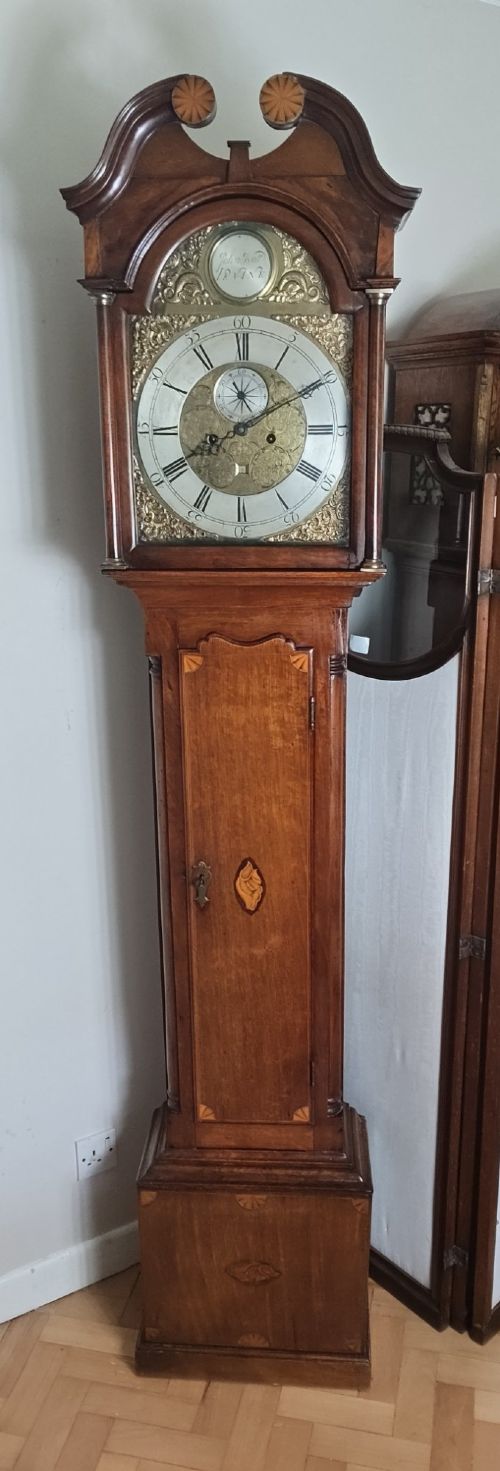
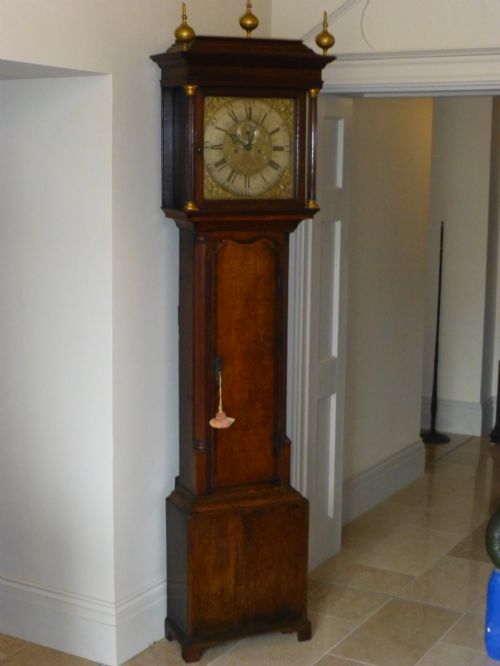
The selections span Georgian, Victorian, and Edwardian periods, utilising timbers such as oak, mahogany, and walnut. Buyers meet tall mahogany architectural cases alongside smaller regional oak examples and later musical variations.
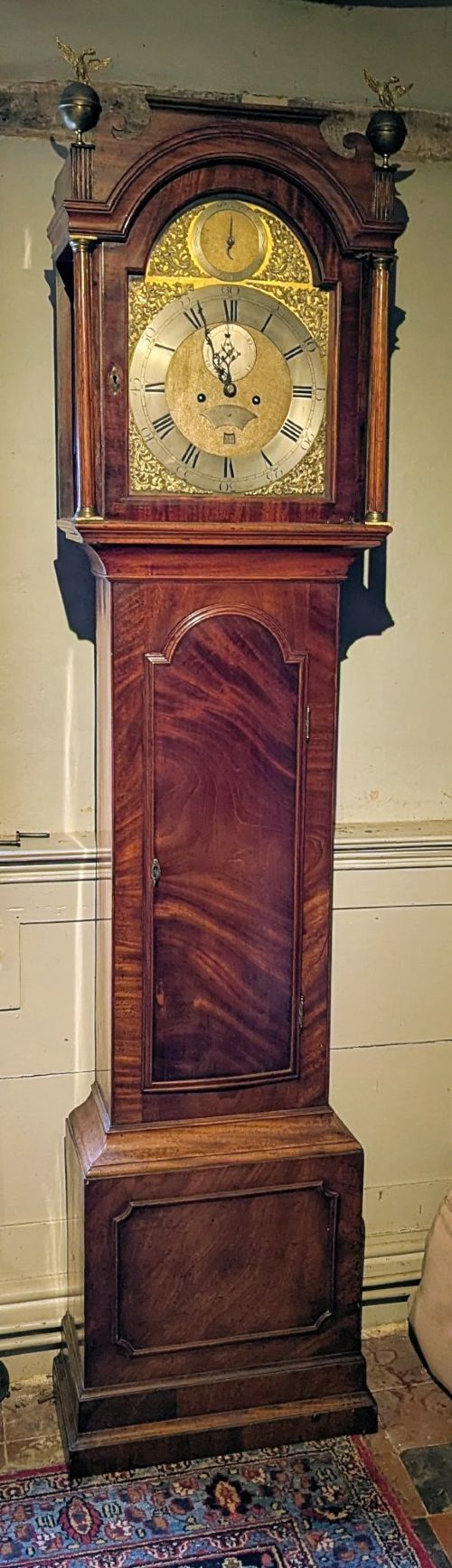
Dial work varies from brass plates with engraved detail to painted iron faces showing moon phases or subsidiary dials. Cases alter in proportion from broad George III proportions to slender Edwardian and 19th-century profiles.
Materials and construction
Cabinetmakers constructed the tall wooden cases using native and imported hardwoods like oak, mahogany, and walnut, frequently applying figured veneers or brass inlay. Glass protected the dial face within a hinged hood door.
Clockmakers built the internal movements from brass and steel, driving the gear trains with suspended weights or springs. Painted iron or brass sheet formed the visible dials, complemented by cast brass hands and applied numerals.
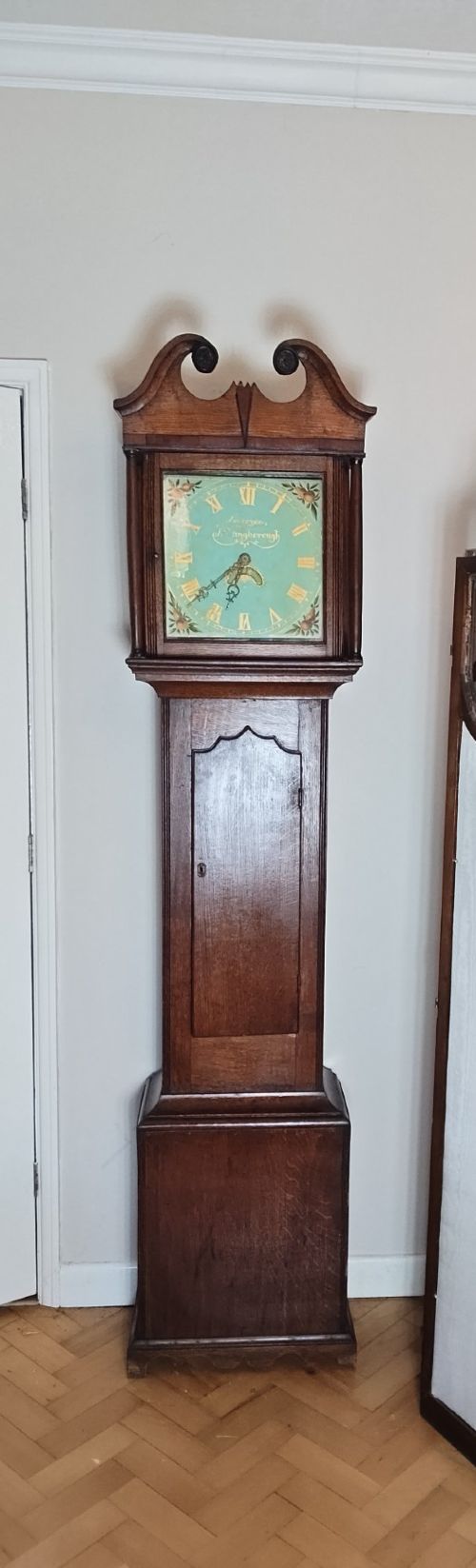
Some provincial dials display painted hunting scenes or rolling moons that track the night sky.
Distinctions in execution
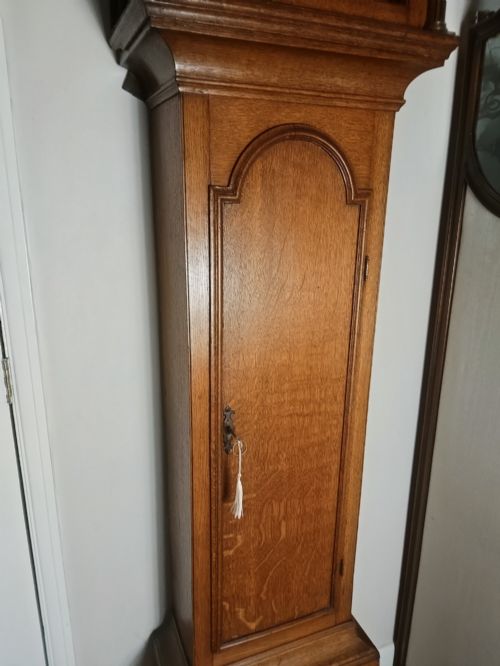
The calibre of cabinetwork defines the upper tier, seen in figured mahogany or burr walnut timbers with precise inlay and well-proportioned mouldings. Simpler regional pieces in solid oak rely on honest proportions rather than decorative veneer work.
Movement complexity separates standard timepieces from higher grades featuring strike-silent mechanisms, moon rollers, or quarter-chiming gear trains. Engraved brass dials and signed backplates reflect the standing of the original maker.
Smith of Chester·James McCabe·Parkinson Bros Batley·Henry Weedon London·Thwaites London·David Craig Ford Path head
The Traditional Longcase Pendulum Clock Glossary
- Grandfather clock
- A large floor-standing pendulum clock, typically over six feet in height, housing an eight-day or thirty-hour movement.
- Grandmother clock
- A smaller, more slender version of the longcase clock, usually produced during the 20th century.
- Moon phase
- A dial mechanism tracking the lunar cycle through a rotating disc behind an arched aperture.
- Strike silent
- A mechanism allowing the clock's striking train to be disengaged so it remains quiet through the night.
- Paterae
- Small circular decorative motifs often carved or inlaid into neoclassical furniture and clock hoods.
Traditional Longcase Pendulum Clock: Frequently Asked Questions
How do I wind an eight-day longcase clock?
Winding involves inserting a key into the winding holes on the dial face to draw the suspended weights back up inside the trunk. Care is needed not to overwind the movement.
Most traditional longcase pendulum clock mechanisms require this attention once a week to maintain accurate timekeeping.
Where should I place a longcase clock?
These tall floor clocks require a stable, dry interior wall away from direct sunlight and heavy draughts. A secure fixing to the wall behind the hood helps prevent accidental tipping.
Setting the case on a level floor ensures the long pendulum swings with an even beat and the escapement functions correctly.
What is the difference between a grandfather and grandmother clock?
Grandfather clocks are the full-scale floor clocks developed through the Georgian and Victorian eras, standing tall with heavy weight-driven movements. Grandmother clocks are smaller, reduced-scale variations popular in the 20th century.
Both styles share the traditional longcase pendulum clock configuration but differ significantly in height and spatial presence.
How do I set the correct time?
The minute hand is gently moved clockwise to the correct hour, pausing briefly at each strike hour to let the count-wheel or rack mechanism complete its cycle. The hour hand follows the movement of the minute hand automatically.
Adjusting the small regulating nut on the pendulum bob allows fine tuning if the clock runs fast or slow over a 24-hour period.