



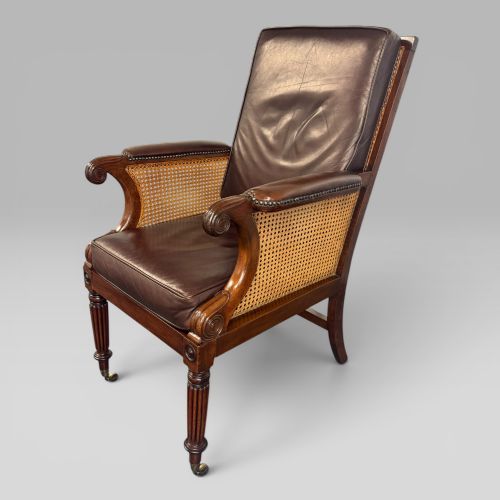
Traditional Library Seat
A traditional library seat brings solid timber and aged hide together for serious reading spaces, spanning Georgian elegance through to Victorian comfort.
Traditional Library Seat
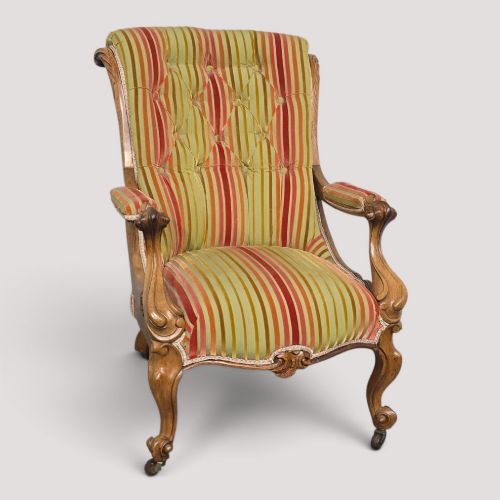
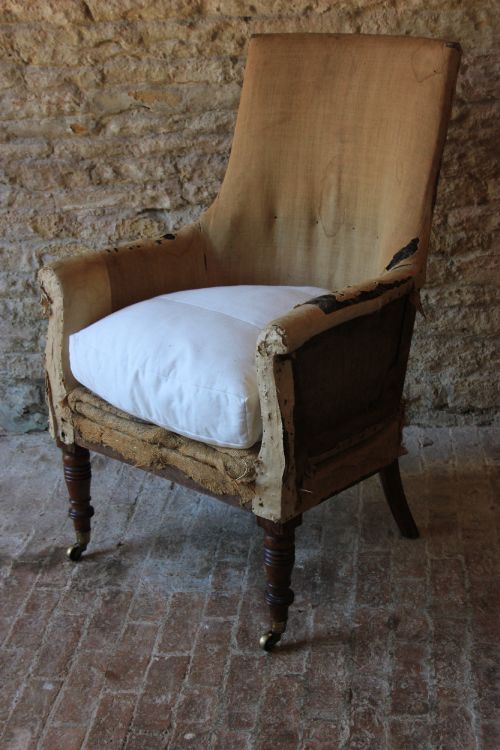
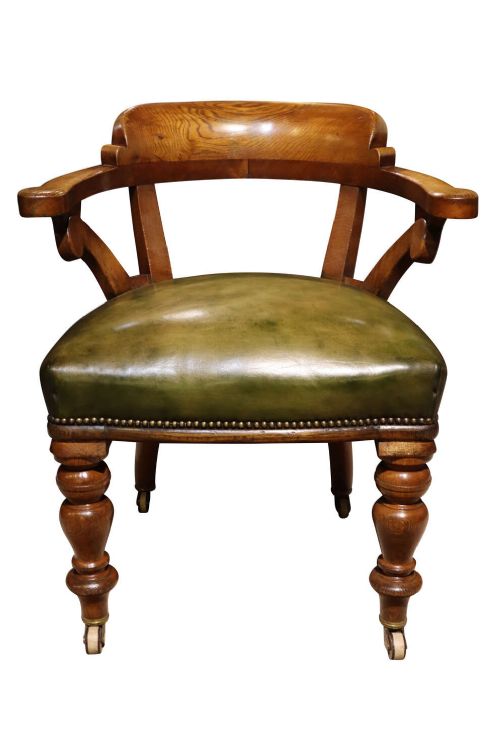
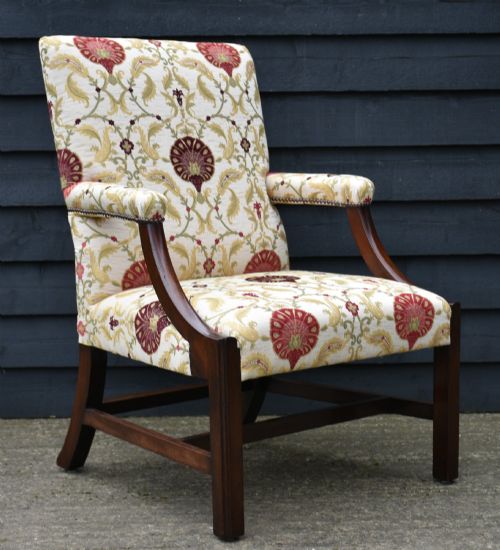
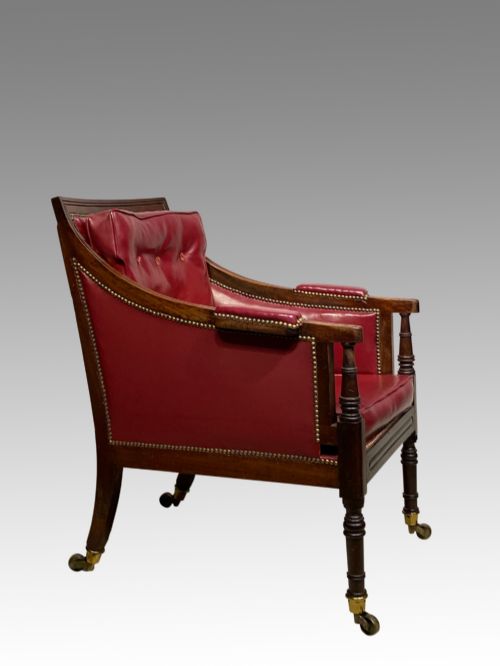
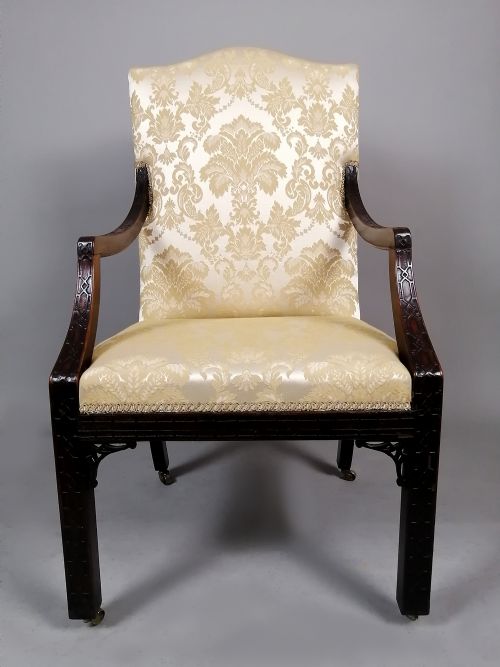
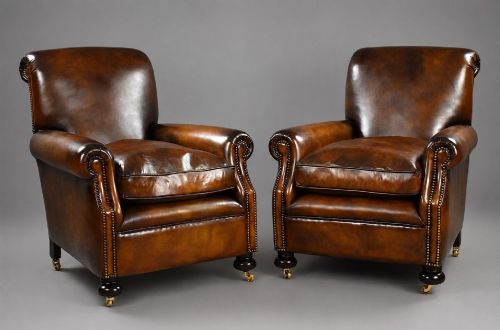
A traditional library seat serves as a sturdy, comfortable armchair designed for reading rooms, studies, and private libraries. These pieces arrive in forms such as open armchairs, desk chairs, Gainsborough chairs, and low bergères.
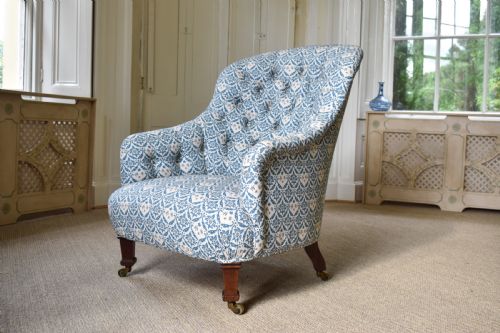
The selections here span periods from the Georgian and Regency eras through the Victorian age and into early twentieth-century revivals. Mahogany and walnut provide the primary wooden frames, paired with upholstery in leather, velvet, cane, and fabric.
How they were made
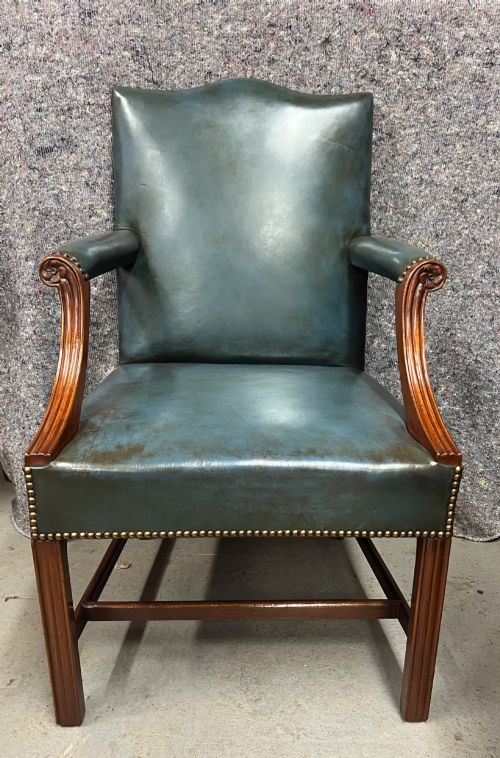
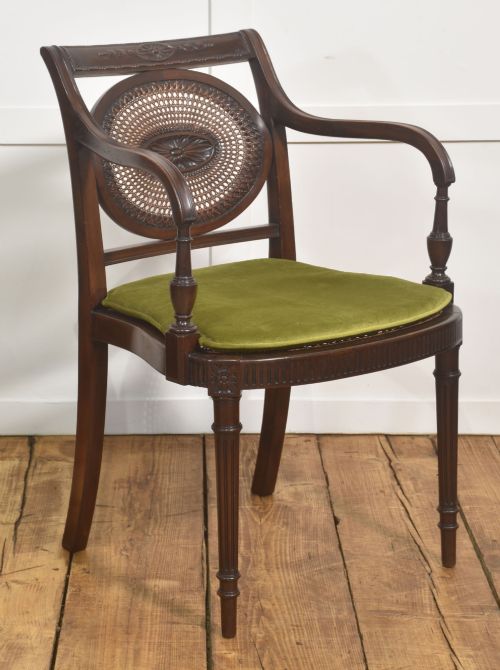
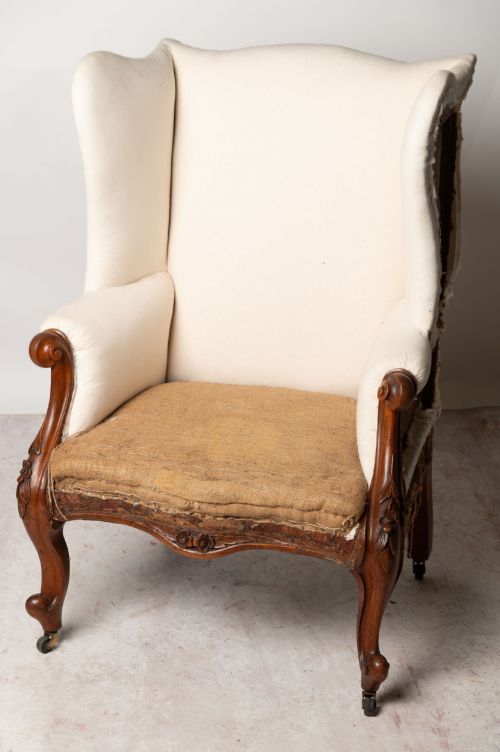
Cabinetmakers constructed these frames using dense hardwoods like mahogany, walnut, and oak, often shaping arms and legs with hand carving or reeding. Brass details appear frequently as castors or nailheads securing the upholstery.
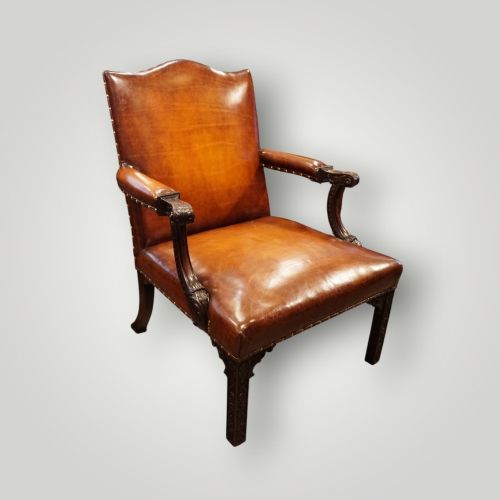
Seating surfaces utilise materials such as hand-dyed English hide leather, woven cane, buttoned velvet, and hessian support webbing. Traditional joinery ensures structural strength across heavy desk chairs and large library armchairs.
Listings feature eighteenth-century Georgian forms alongside nineteenth-century Victorian walnut and mahogany library chairs.
What varies in quality
The caliber of a traditional library seat rests on the crispness of its wood carving and the integrity of its timber frame. Finely proportioned Gainsborough chairs and Gillows productions show superior execution in their joinery and silhouette.
Upholstery materials also dictate distinction, moving from standard fabric coverings to hand-dyed hide leather and buttoned detailing. Original surfaces and period brass hardware elevate pieces above later revivals and replacements.
Howard And Sons·Gillows
The Traditional Library Seat Glossary
- Bergère
- An enclosed armchair with stuffed upholstery and cane panels set into the wooden frame. This French-inspired form gained popularity during the Regency and Victorian periods.
- Gainsborough chair
- A wide, open armchair with padded arms and a upholstered back, designed in the mid-eighteenth century for writing desks. These typically feature mahogany frames and leather seats.
- Reeded
- Carved with parallel convex mouldings that resemble parallel reeds. This decorative turning technique appears frequently on nineteenth-century chair legs.
- Wing chair
- An armchair with high back and flanking side panels designed to shield the sitter from drafts. Early examples often utilise walnut or mahogany frames paired with hide leather.
Traditional Library Seat: Frequently Asked Questions
What is a traditional library seat?
A traditional library seat is a sturdy armchair or desk chair built from hardwoods like mahogany and walnut for reading rooms and studies.
These pieces typically feature leather, cane, or fabric upholstery designed for prolonged daily sitting.
How do I identify a Georgian library chair?
Georgian library chairs often display Chippendale blind carving, sturdy mahogany frames, and upholstered hide seats dating back to the mid-eighteenth century.
They generally present generous proportions and exposed wooden arms suited for writing desks.
Where were library seats used?
These seats were placed in private libraries, large country house studies, and administrative offices to provide comfortable seating for reading and writing.
Their robust construction allowed them to withstand heavy daily use by scholars and readers.
How do I care for leather upholstery?
Leather upholstery on traditional library seats benefits from gentle cleaning and occasional conditioning to preserve the aged hide.
Keeping the leather away from direct heat sources prevents the material from drying and cracking over time.