


Traditional Leather Wing Chair
A traditional leather wing chair offers deep-seated comfort and classic library style, combining protective side wings with robust leather upholstery.
Traditional Leather Wing Chair
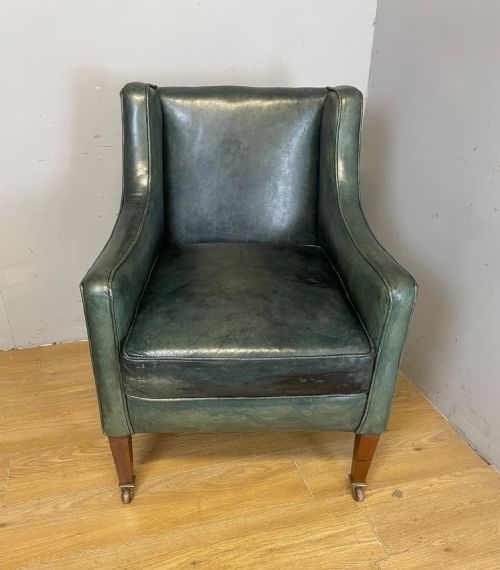
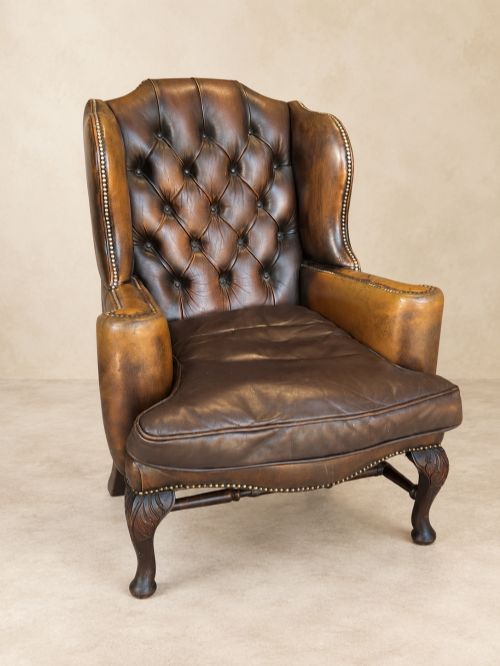
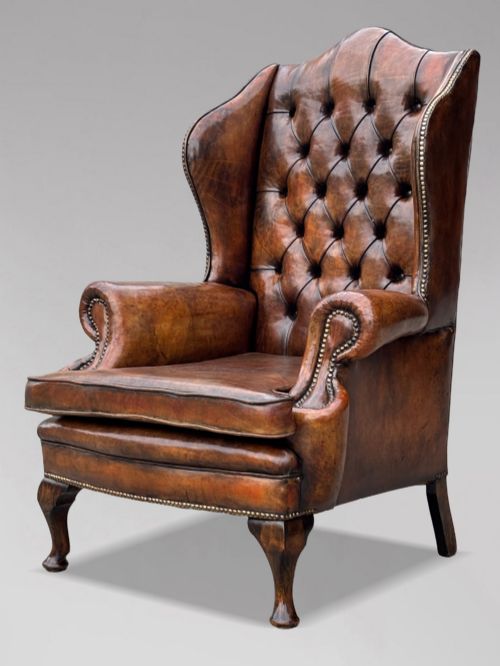
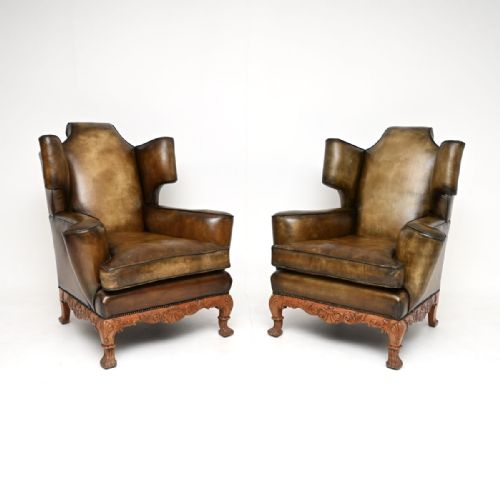
When you search for a traditional leather wing chair, you encounter substantial seating designed to shield occupants from draughts by enclosing the head and shoulders. These armchairs typically feature prominent side wings, deep seats, and sturdy frames rooted in historical revivals.
The versions most frequently met on this page date from the Victorian and Edwardian eras, alongside pieces built in Georgian and Queen Anne revival styles during the early twentieth century. Armchairs dominate the selection, accompanied by occasional matching sofas and footstools.
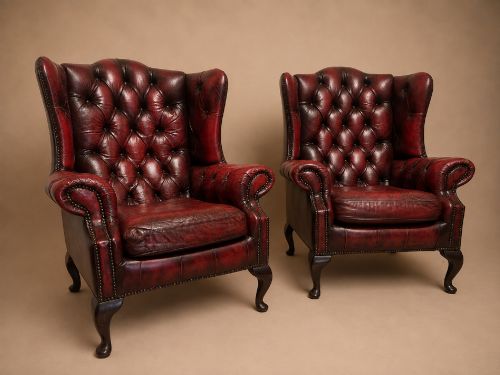
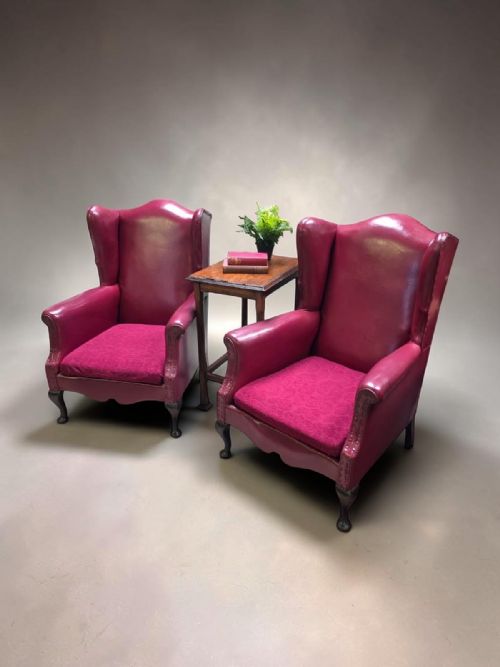
Materials span various woods like mahogany, oak, and walnut paired with brown, tan, oxblood, or red leather. Each piece displays the enduring influence of eighteenth-century forms interpreted by later cabinetmakers and upholsterers.
How they were made
Construction relies on solid hardwood frames of mahogany, oak, walnut, or general timber to provide a stable skeletal base. Joinery techniques secure these heavy skeletons before upholstery work begins.
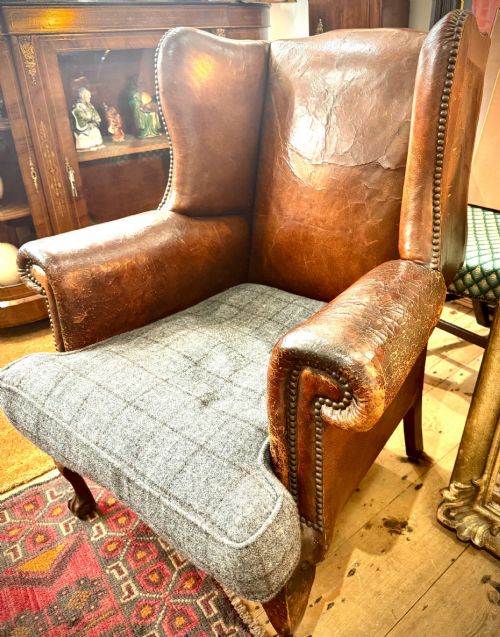
Upholsterers stretched leather over internal padding and secured the hides using brass tacks or deep buttoning techniques. Frames frequently incorporate mahogany or oak legs, sometimes styled in revival motifs reflecting Georgian or Victorian tastes.
Listings feature periods spanning from the Regency era and Victorian times through to 1930s revivals.
What varies in quality
The distinction between tiers of quality rests on the depth of the timber frame construction and the hand-finishing of the leather. Superior examples utilise dense hardwoods like mahogany and oak that support heavy use without structural compromise.
Surface treatment marks another differentiator, as hand-dyed or antiqued leather displays richer tonal variation than uniform machine-finished hides. The precision of button tufting and the weight of brass hardware also signal higher workshop standards.
The Traditional Leather Wing Chair Glossary
- Wingback
- An armchair style featuring projecting side panels designed originally to trap heat and block room draughts. These wings frame the upper body of the sitter.
- Buttoning
- An upholstery technique where taut leather is pulled inward and secured with buttons to create a diamond pattern of depressions. This method keeps internal padding evenly distributed.
- Revival
- A design movement where makers deliberately copied or adapted historical furniture styles from earlier centuries, such as George I or Georgian periods. These pieces date from later decades like the Victorian era or the 1930s.
- Oxblood
- A deep, dark reddish-brown leather colour frequently utilised on traditional library and club armchairs. It develops a rich patina over decades of handling.
Traditional Leather Wing Chair: Frequently Asked Questions
What is a traditional leather wing chair?
A traditional leather wing chair is a high-backed armchair featuring protective side wings designed to block draughts. They are upholstered in leather and typically rest on timber frames.
These chairs originated centuries ago for domestic warmth, and later revival periods continued the form using mahogany, oak, and hand-dyed hides.
How do I date a leather wing chair?
Dating relies on examining the timber frame materials, leg styling, and upholstery methods visible beneath or behind the leather. Characteristics often align with Victorian, Edwardian, or specific revival aesthetics.
Records show pieces spanning from the nineteenth century through the 1930s, reflecting shifts in workshop construction and revival fashions over time.
Are these chairs comfortable for daily use?
These chairs provide substantial support through deep seating and high backrests designed to cradle the upper body. The enclosed wings offer a private, sheltered spot for reading or resting.
Many examples include padded armrests and companion footstools that enhance relaxation during prolonged sitting.
What wood is used in these chairs?
Frames are constructed from sturdy hardwoods including mahogany, oak, walnut, and general timber. These woods form the structural skeleton supporting the leather upholstery and brass details.
Visible woodwork on the legs often mirrors the prevailing revival style of the manufacturing period.