




Traditional Lattice Carpet
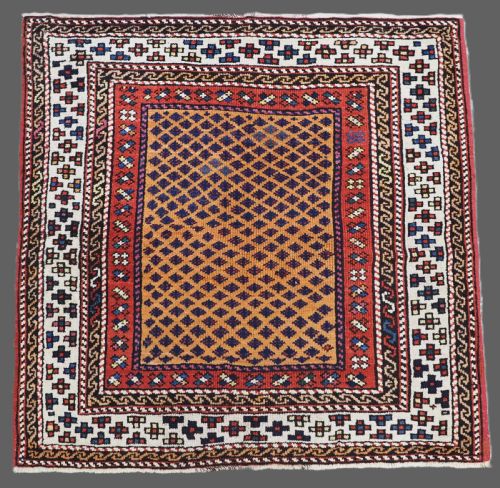
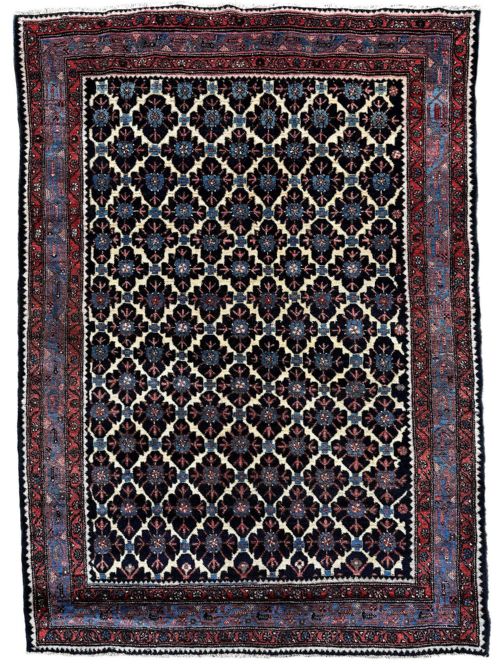
A traditional lattice carpet brings structured geometric balance into a room through repeated intersecting patterns.
Traditional Lattice Carpet
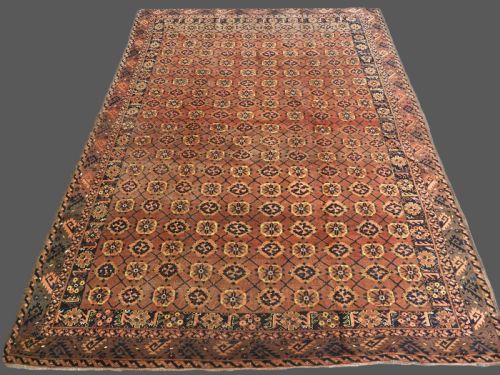
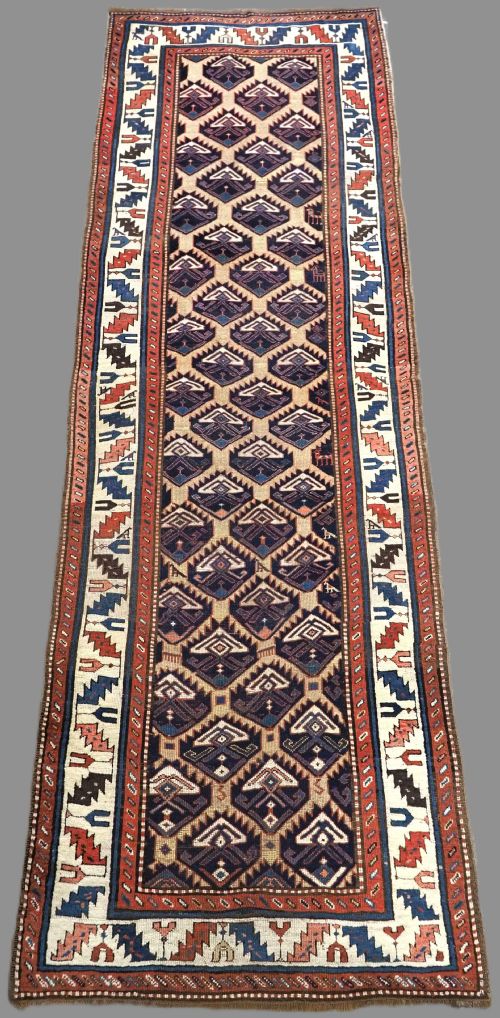
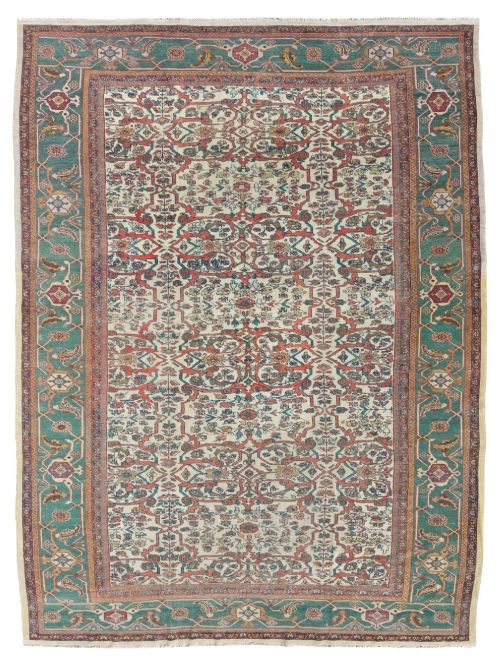
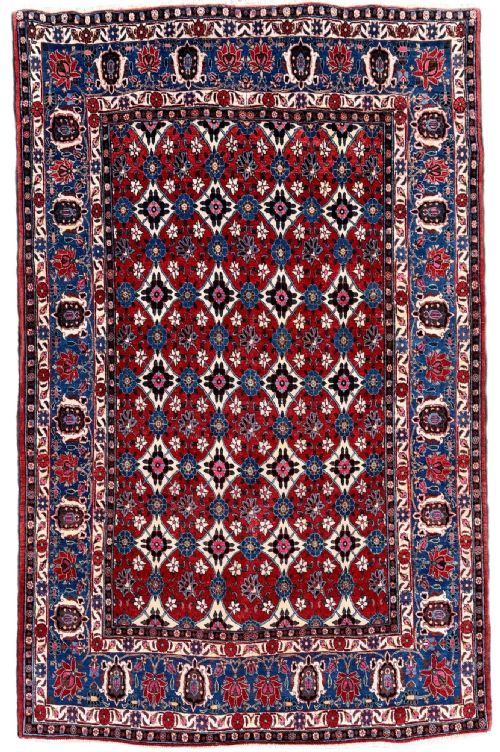
The version most commonly encountered on this page is an antique village or tribal rug utilising wool on cotton foundations. These pieces range from small square formats and runners to large room-sized carpets dating from the eighteen-seventies to the nineteen-thirties.
Factors determining quality in older rugs
The fineness of the knot density and the precision of the geometric lattice layout dictate the tier of execution. Tighter knotting allows for sharper delineation of the repeating motifs and intricate border systems.
The depth and saturation of the dyes, alongside the wool quality, determine the visual richness of the surface. Surviving pile condition and the originality of the side cords and ends also influence the integrity of the piece.
Traditional Lattice Carpet Retail Price Guide 2026
Typical asking prices for traditional lattice carpet among the pieces listed under this phrase on Sellingantiques today, from the lower quarter to the upper quarter. They describe what is for sale here now, not the wider market.
Object types vary from small square formats and hallway runners to large room-sized carpets with flatweave or knotted pile construction.
The Traditional Lattice Carpet Glossary
- Lattice
- A repeating geometric grid pattern of intersecting diagonal lines forming diamonds or compartments across the field.
- Soumak
- A flatweave technique involving wrapping weft threads over warps to create a durable textured surface.
- Runner
- A long, narrow carpet format designed specifically for hallways and corridors.
- Kilim
- A tapestry-woven flat rug made without a pile, produced across various Middle Eastern and Caucasian regions.
- Warp
- The vertical foundation threads stretched lengthwise on the loom onto which the knots are tied.
Traditional Lattice Carpet: Frequently Asked Questions
Where should I place a traditional lattice carpet?
These rectangular and runner formats suit hallways, living rooms, and studies where the geometric repeat can be viewed without heavy furniture obscuring the design.
The structured grid pattern helps organise a room layout by adding visual rhythm to open floor spaces.
How do I care for an antique wool carpet?
Regular gentle vacuuming without a rotating brush roll keeps dust from settling into the wool pile.
Professional cleaning suited for antique textiles preserves the natural lanolin and dye stability over decades of use.
How can I tell a Caucasian rug from a Persian one?
Caucasian examples generally display bolder, more rigid geometric lattice structures with saturated primary colours.
Persian village and tribal pieces often incorporate softer floral elements and curved vines within the repeating compartments.
What dates are typical for these woven carpets?
The listings span from the late nineteenth century through the early decades of the twentieth century.
Pieces from this era reflect traditional tribal and village weaving methods before commercial synthetic dyes became widespread.