

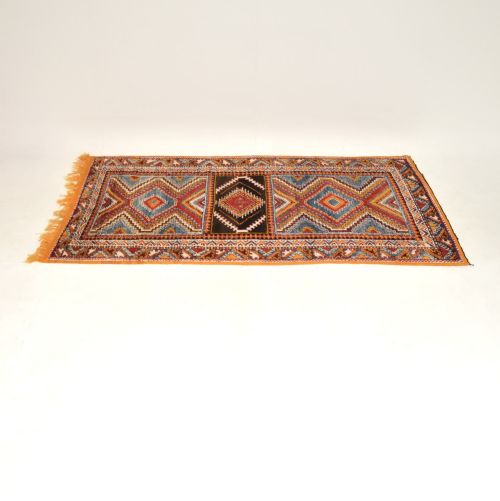
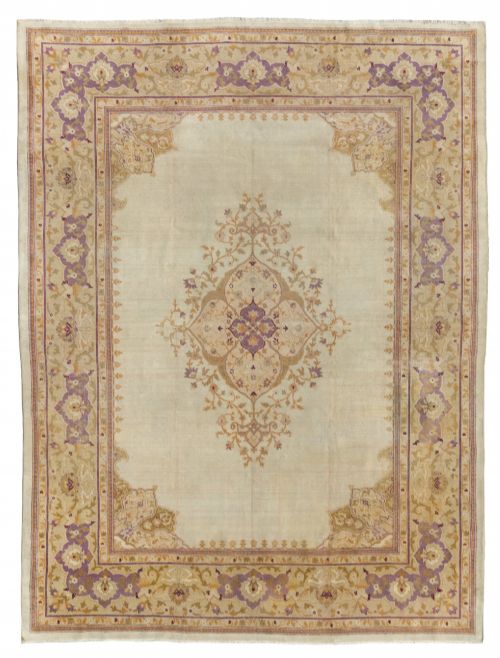


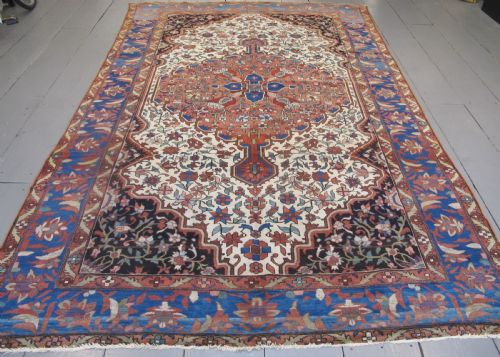


Large Wool Floor Mat
A large wool floor mat grounds a room with deep pile and lasting presence.
Large Wool Floor Mat
A large wool floor mat encompasses substantial woven floor coverings designed to anchor major living spaces and hallways. These pieces arrive from various origins including Persia, North India, and Central Asia, spanning the late nineteenth and early twentieth centuries.
Buyers frequently encounter room-size carpets and expansive rugs within this category, often featuring traditional medallion layouts, tribal gul designs, or village motifs. Production dates across the listings stretch from eighteen seventy through to nineteen thirty.
The selection ranges from grand Persian city carpets to nomadic tribal room rugs. Each example demonstrates distinct regional weaving traditions and scale suitable for substantial architectural spaces.
Materials and construction
These floor coverings utilise wool foundations and pile, frequently combined with cotton elements for structural stability. Weavers employed natural dyes to achieve the enduring coloration visible across the pieces.
Traditional hand-knotting techniques dominate the construction, executed across village workshops and nomadic camps alike. The integration of durable wool fibres ensures resilience under foot traffic.
Large Wool Floor Mat Retail Price Guide 2026
Typical asking prices for large wool floor mat among the pieces listed under this phrase on Sellingantiques today, from the lower quarter to the upper quarter. They describe what is for sale here now, not the wider market.
Current listings span the period from eighteen seventy to nineteen thirty, incorporating Persian, North Indian, and Central Asian origins.
Factors of quality
Quality separates through the precision of the knotting and the complexity of the design execution. Tighter pile density and finer materials elevate the standing of an individual carpet.
The sophistication of the natural dye palette and the integrity of the design geometry dictate the upper tier of these textiles. Consistency in the weave and preservation of the original format command higher regard.
The Large Wool Floor Mat Glossary
- Gul
- A medallion motif repeated across tribal carpets, frequently seen in Central Asian and Baluch weaving. This octagonal form acts as a primary identifier for specific nomadic groups.
- Medallion
- A central ornamental design element placed in the middle of the carpet field. It serves as the focal point for Persian and Ottoman compositions.
- Pile
- The upright yarn loops that form the usable surface of a carpet. Wool pile provides both cushioning and durability underfoot.
- Runner
- A long, narrow carpet format intended for hallways and corridors. These pieces balance linear architectural spaces.
- Natural dye
- Colouring derived from plant, insect, or mineral sources rather than synthetic compounds. These dyes age with a characteristic softening of tone.
Large Wool Floor Mat: Frequently Asked Questions
Where should I place a large wool floor mat?
These generous floor coverings suit principal reception rooms, dining areas, and expansive hallways where substantial dimensions anchor the furniture layout.
The scale of a room-size carpet or runner requires clearance around the perimeter to display the borders effectively.
How do I care for antique wool carpets?
Regular gentle vacuuming without a beater bar removes surface grit from the wool pile while protecting the structural foundation.
Professional specialist cleaning maintains the integrity of natural dyes and prevents fibre degradation over decades of use.
What distinguishes tribal rugs from city carpets?
Tribal pieces display geometric motifs and asymmetrical village designs born from nomadic traditions, using locally sourced wool and dyes.
City carpets present finer curvilinear patterns, intricate medallions, and structured floral compositions woven in established urban workshops.
How do I determine the period of a carpet?
Structural analysis of the knotting, fringe attachment, and material composition provides baseline indicators for dating.
Comparing the dye palette and specific motif variations against known regional timelines helps narrow the production era.