



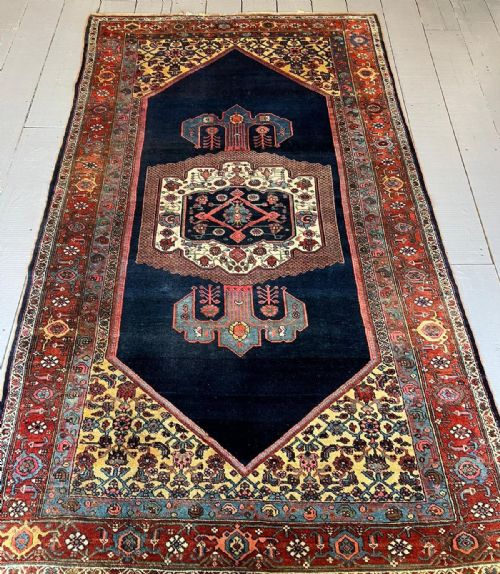


Traditional Kurdish Rug
A traditional kurdish rug brings tactile depth and tribal geometry into a room, forged by nomadic and village weavers across Persia and Anatolia.
Traditional Kurdish Rug
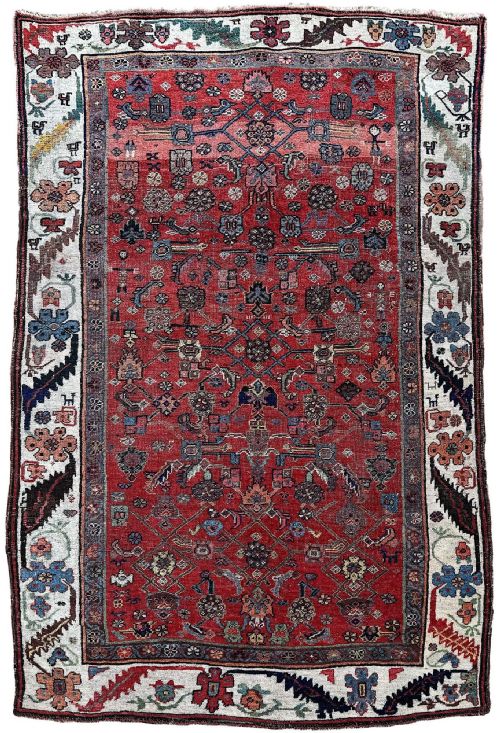
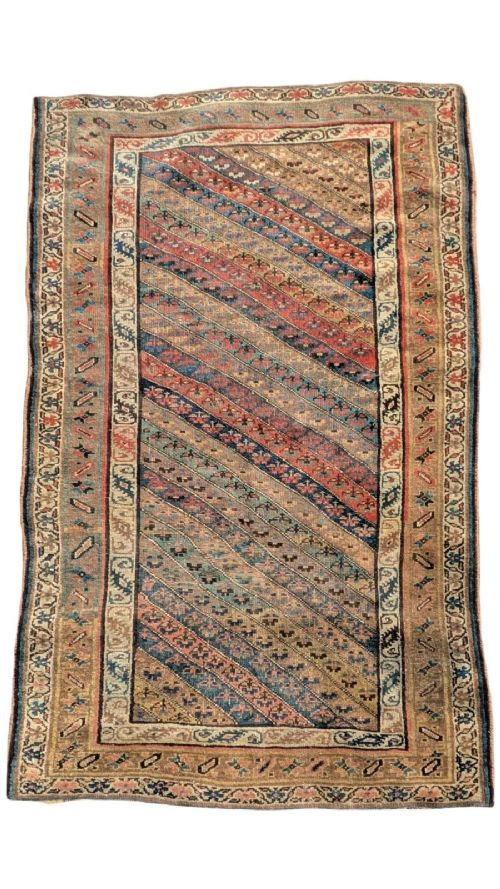
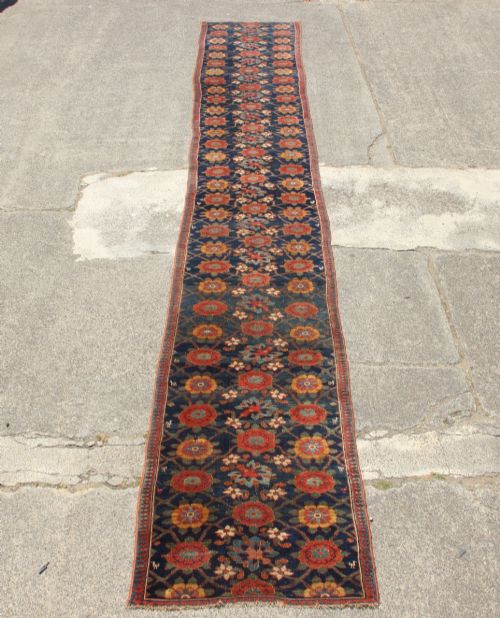
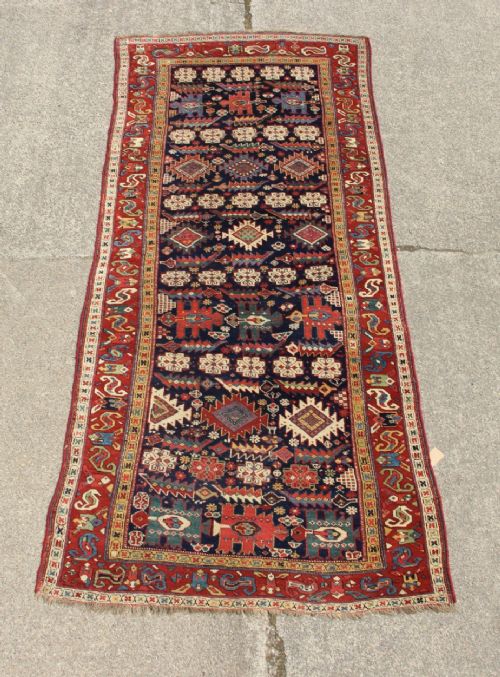
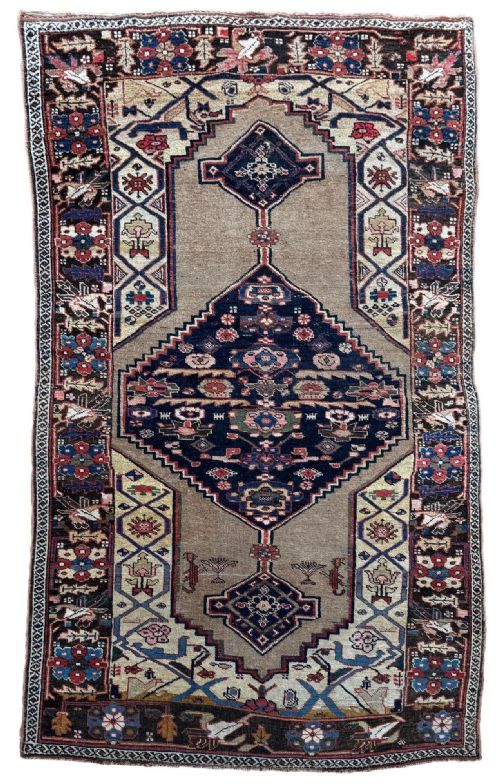
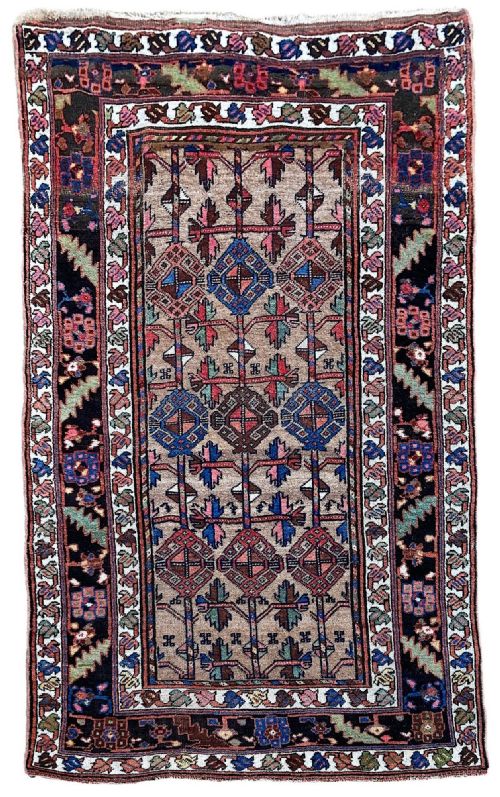
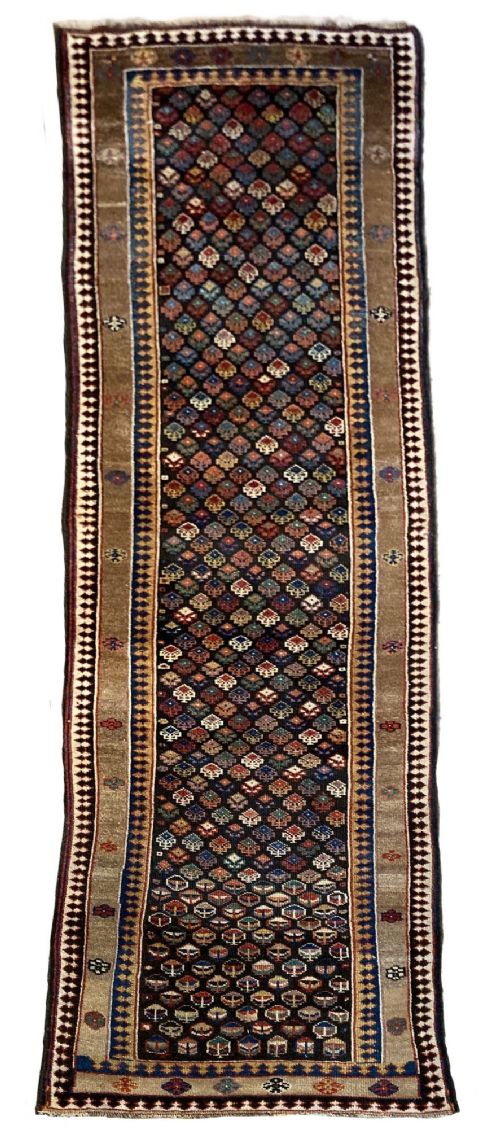
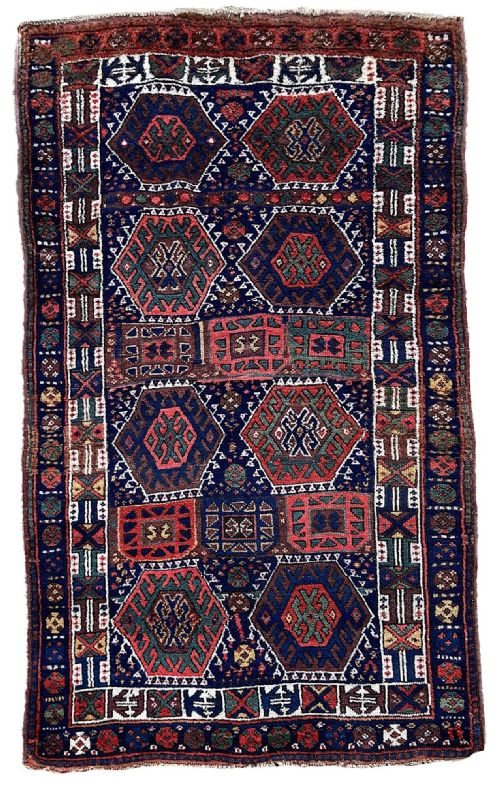
A traditional kurdish rug is a woven textile originating from tribal and village communities in regions such as West Persia, Bidjar, and East Anatolia. These pieces span formats from compact floor coverings to long hallway runners and large carpets, reflecting the varied domestic needs of their makers.
The versions most commonly met on this page date from the nineteenth and early twentieth centuries, particularly the decades surrounding nineteen hundred. They frequently display characteristic tribal motifs, including geometric guls and repeating field patterns.
Makers utilised formats ranging from intimate area rugs to grand kelleh carpets and narrow kilim runners. Their geographical origins cross West Persia and Anatolia, encompassing specific weaving centres like Senneh and Bidjar.
How they were made
The construction relies heavily on wool, frequently hand-spun, combined with cotton foundations depending on the specific tribal origin and workshop tradition. Natural dyes provide the palette, yielding rich hues that age with considerable character across the pile.
Weavers knotted wool onto sturdy warps and wefts, producing dense, resilient structures designed for heavy daily use in country houses and village dwellings. The handling of hand-spun materials gives each floor covering a distinct handle and textural variation.
Listings span periods from the mid nineteenth century through the nineteen thirties, encompassing wool, cotton, and natural dye materials.
What varies in quality
Quality in these textiles rests upon the density of the knotting and the handled resilience of the wool. Pieces woven with tightly packed hand-spun wool demonstrate superior structural integrity compared to looser village productions.
The sophistication of the design execution and the clarity of the natural dye palette separate standard tribal examples from finer workshop pieces. Superior items display balanced proportions, crisp geometry, and harmonious colour shifts across the field.
The Traditional Kurdish Rug Glossary
- Kelleh
- A large format rectangular rug, typically longer than a standard room size yet narrower than a full carpet. These pieces were often deployed in specific reception spaces within traditional homes.
- Runner
- A long, narrow carpet format designed primarily for corridors, hallways, and staircases. They accommodate linear spaces while displaying continuous border and field patterns.
- Gul
- A medallion or repeating octagonal motif used extensively in tribal weaving traditions. These designs often indicate specific regional or familial origins among the weavers.
- Mina Khani
- A repeating floral lattice pattern composed of daisy-like blossoms connected by delicate stems. This classic design appears frequently in Persian and Kurdish carpets.
- Kilim
- A flat-woven textile produced without a pile by tightly interweaving warp and weft strands. These versatile pieces function as light floor coverings or wall hangings.
Traditional Kurdish Rug: Frequently Asked Questions
Where were traditional kurdish rugs made?
These textiles originate primarily from tribal and village regions across West Persia, including Bidjar and Senneh, as well as East Anatolia. Different communities developed distinct structural traits and design repertoires.
Local access to specific sheep breeds and indigenous dye plants directly influenced the appearance and handle of the resulting floor coverings.
How do I care for an old rug?
Protect the wool pile by placing a breathable, high-quality underlay beneath the textile to prevent sliding and cushion foot traffic. Regular gentle vacuuming without a rotating beater bar removes embedded dust.
Keep the piece out of direct, harsh sunlight to preserve the stability of natural dyes over the years. Professional cleaning should be undertaken only by specialists experienced in antique tribal textiles.
What is a kelleh carpet?
A kelleh is an oversized format that bridges the gap between a standard area rug and a full room-size carpet. They were traditionally woven for specific architectural proportions in Persian and Kurdish homes.
Their elongated rectangular shape makes them particularly suited to grand hallways, large living spaces, or beneath long dining tables.
How do I distinguish regional types?
Distinctions between types rely on observing structural density, materials, and specific design vocabulary such as Memlinc guls or Mina Khani motifs. Bidjar pieces often exhibit exceptional stiffness and heavy construction.
Senneh examples frequently showcase finer, more delicate floral and geometric field arrangements. Comparing the foundation yarns and knot counts helps clarify the likely origin.