


Traditional Kitchen Dresser Base
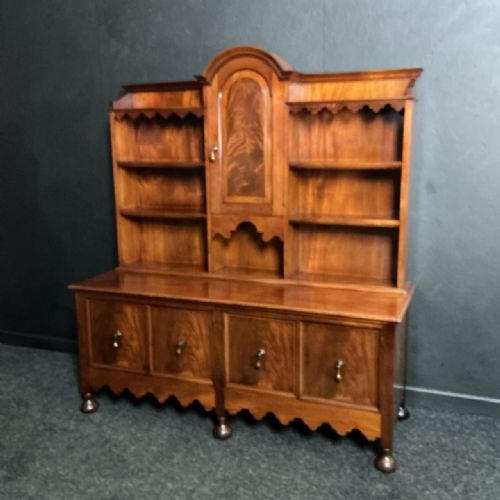
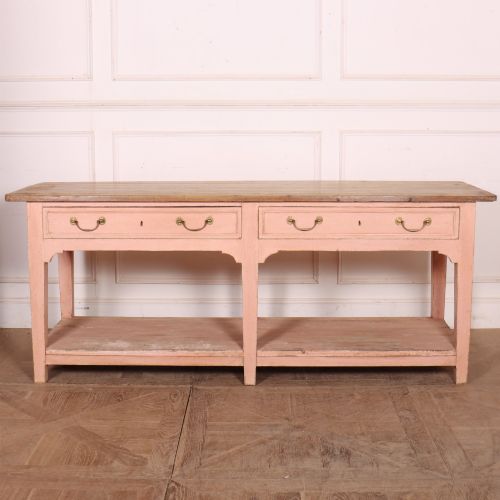
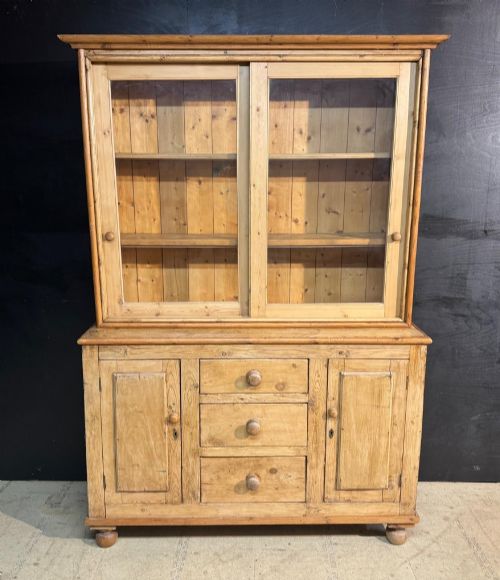
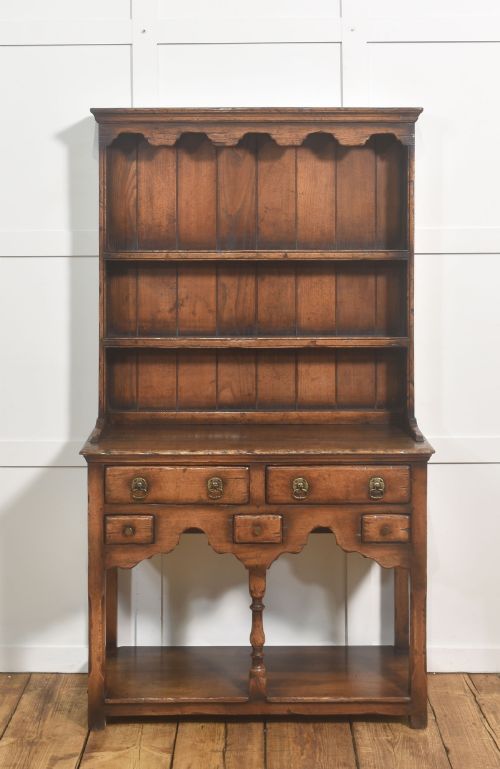
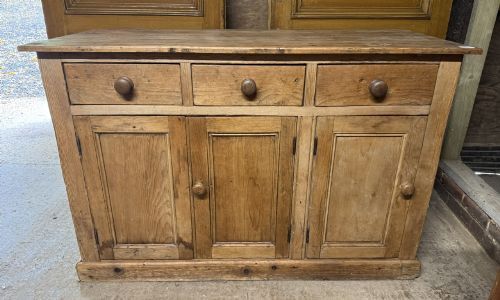
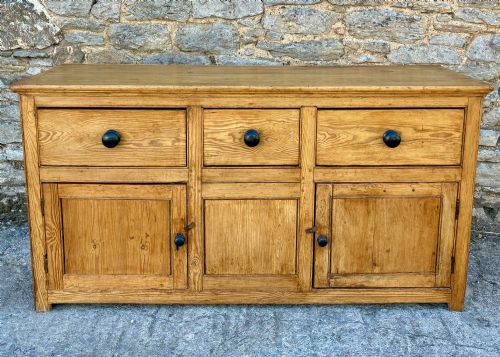
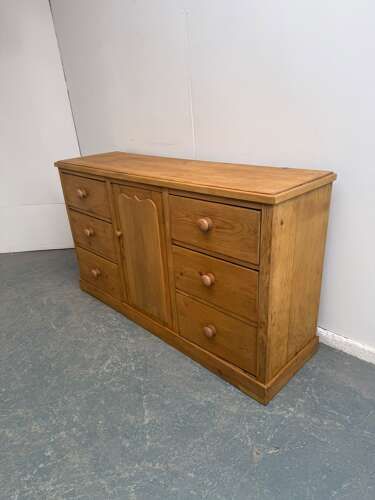
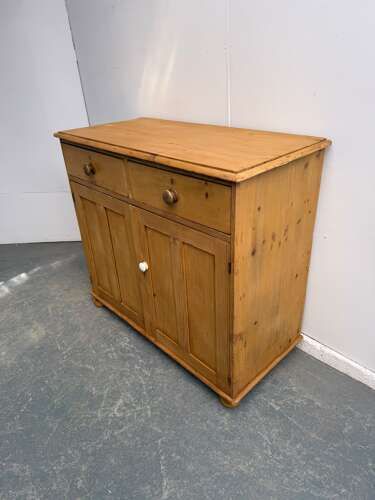
Traditional kitchen dresser base pieces provide sturdy rustic storage for homes, combining timber worktops with drawers and cupboards.
Traditional Kitchen Dresser Base
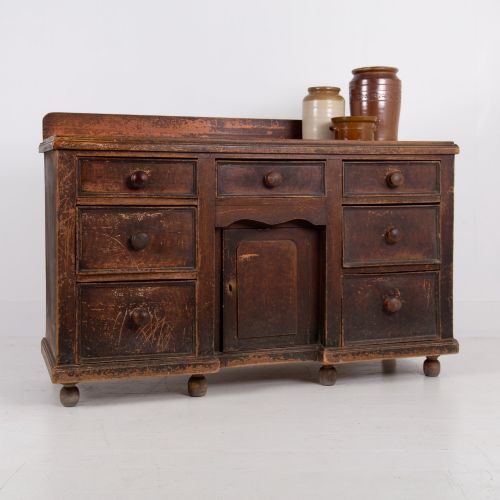
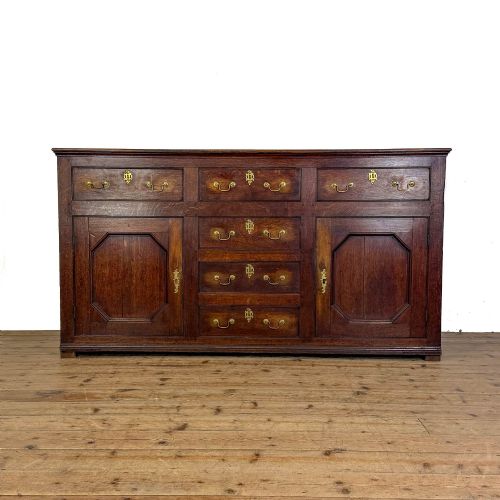
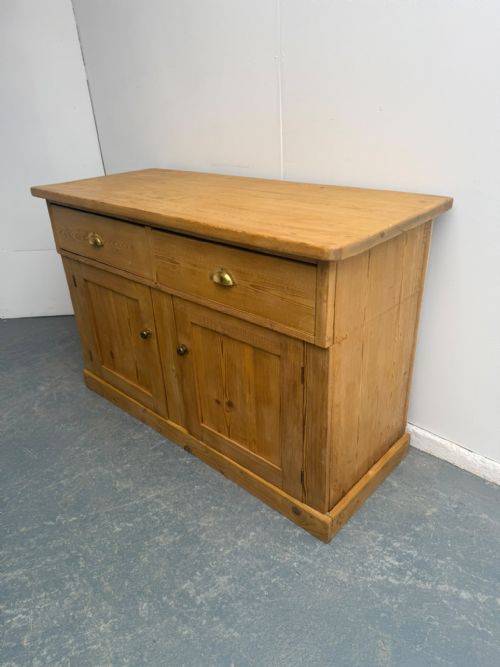
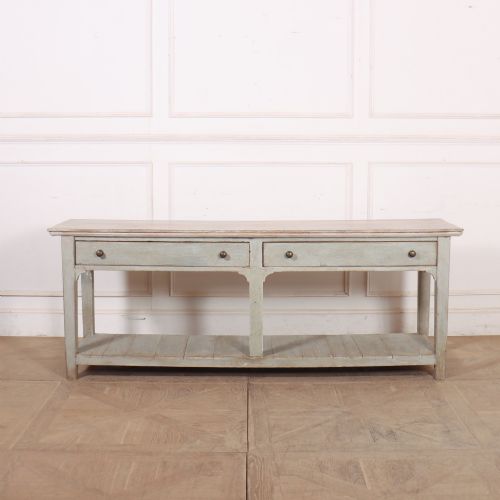
A traditional kitchen dresser base serves as a heavy, functional low-level cabinet designed for daily culinary tasks and storage. These pieces anchor domestic spaces with deep drawers and cabinet doors, often featuring open potboards below.
The selection here draws heavily from the 18th century, Georgian, and 19th century Victorian periods. Examples span English country, rustic farmhouse, and Welsh regional styles.
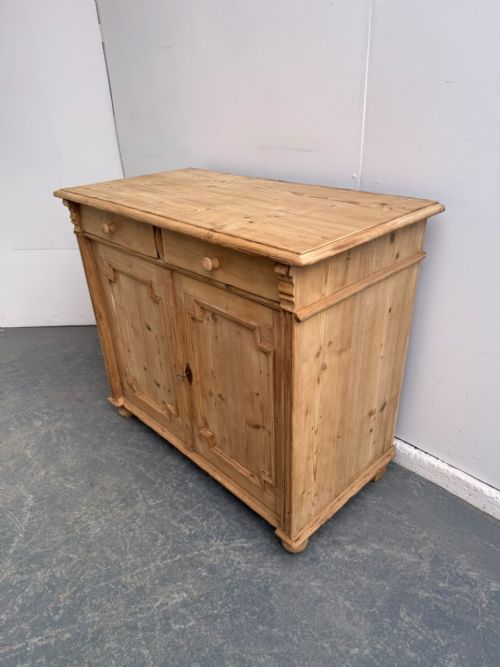
Pine and oak predominate in the current listings, appearing either with a waxed timber finish or in original paint. Buyers encounter both compact cottage versions and wide monumental country house formats.
Differences in quality across the range
The integrity of the timber framing and the survival of original surface finishes dictate the standing of a piece. Earlier examples from the Georgian and 18th century periods display hand-planed boards and traditional joinery.
Proportion and scale separate standard regional pieces from monumental country house formats. Unaltered timber surfaces and untouched painted finishes command greater respect from collectors than heavily restored examples.
Certain pine pieces retain centuries of kitchen grease locked safely beneath layers of original green and blue paint.
The Traditional Kitchen Dresser Base Glossary
- Dresser base
- The lower cabinet portion of a kitchen dresser, featuring drawers and cupboards without the upper plate rack. These units functioned as independent serving tables and storage consoles.
- Potboard
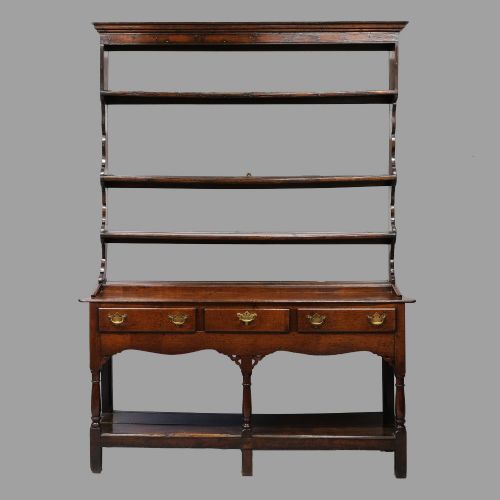
- An open lower shelf built close to the floor between the legs of a dresser base. Historically, households used this platform to store heavy pots and ceramic vessels.
- Dog kennel dresser
- A specific regional furniture form featuring a central open recess flanked by banks of drawers or cupboards. The name derives from the resemblance of the central void to a kennel.
- George III period
- The era spanning the reign of King George III from 1760 to 1820, characterised in country furniture by robust oak construction and simple proportions.
- Welsh dresser
- A traditional kitchen unit originating in Wales, typically constructed from native oak and associated with plate display racks or boarded backs.
Traditional Kitchen Dresser Base: Frequently Asked Questions
How were traditional kitchen dresser bases used?
Households utilised these low cabinets for food preparation on the top surface and for storing cookware, utensils, and provisions within the drawers and cupboards.
In larger country houses, the deep tops also served as serving tables during feasts and daily family meals.
What is the difference between oak and pine versions?
Oak examples tend to originate from earlier periods, such as the 18th century and Georgian eras, offering dense grain and a dark patinated surface.
Pine units frequently date from the 19th century and Victorian period, offering a lighter appearance and appearing more commonly in original paint.
Do these dresser bases come with plate racks?
Most items listed under this specific term consist solely of the lower cabinet without an upper shelving structure.
A selection of pieces nevertheless includes accompanying plate racks or plate shelves as noted in the individual descriptions.
How do I care for a waxed timber top?
Maintain waxed pine and oak surfaces by applying beeswax periodically to nourish the dry wood and preserve the traditional sheen.
Avoid placing hot dishes directly onto the bare timber to prevent marking the historic patina.