

Traditional Kitchen Armchair
A traditional kitchen armchair brings solid regional character to a room, offering sturdy timber construction shaped for daily domestic use.
Traditional Kitchen Armchair
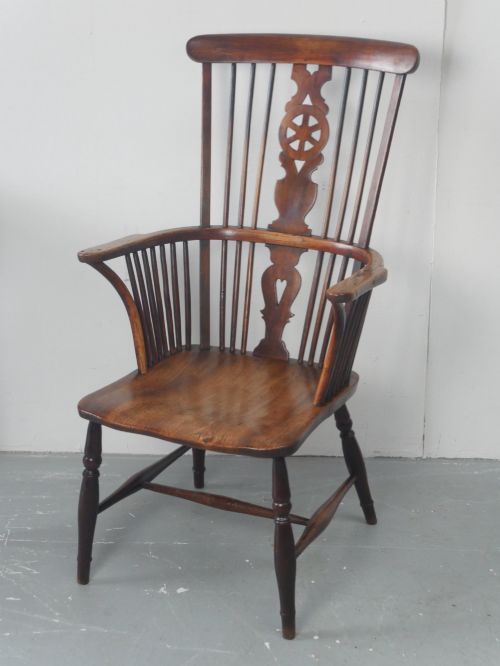
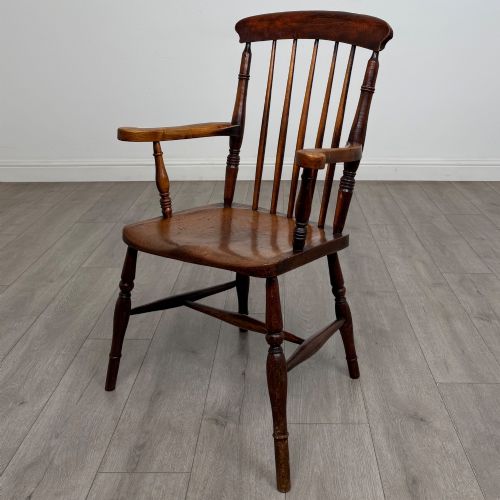
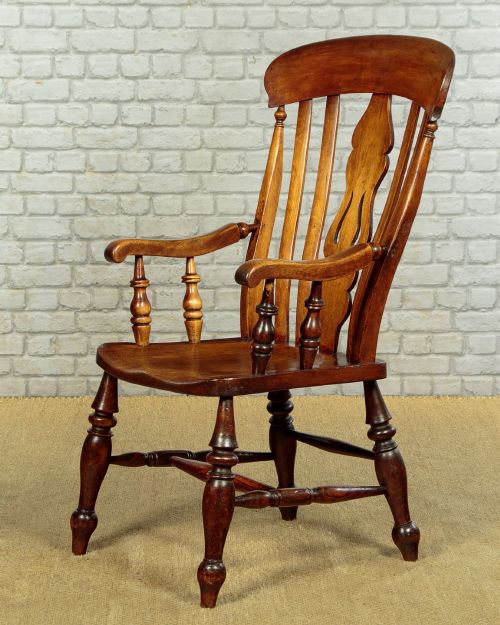
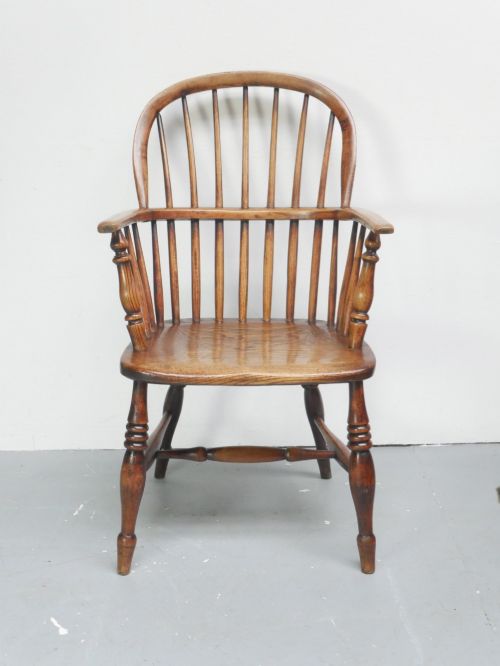
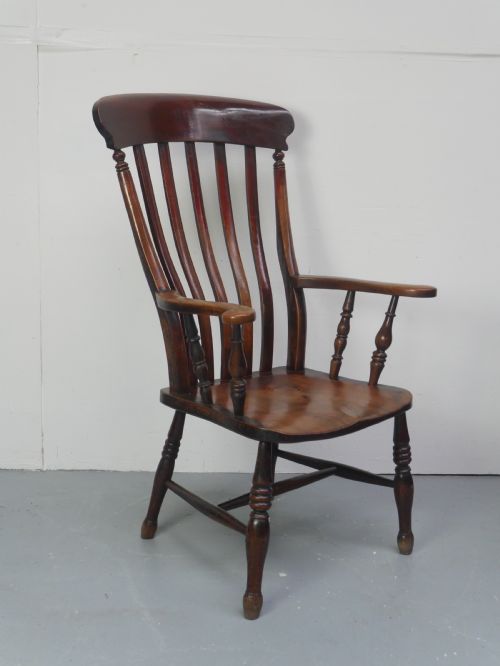
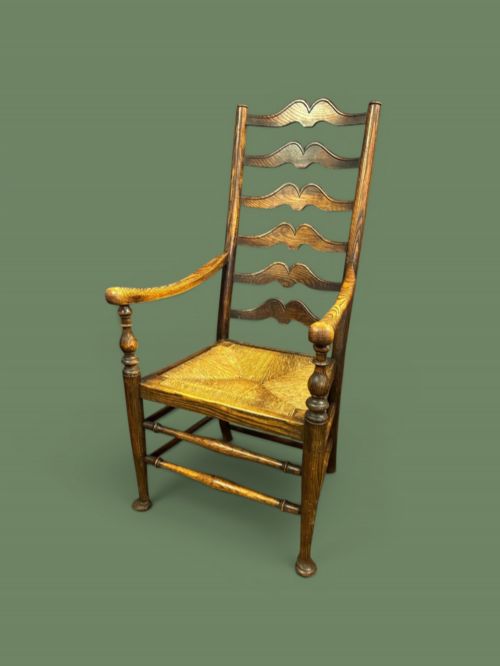
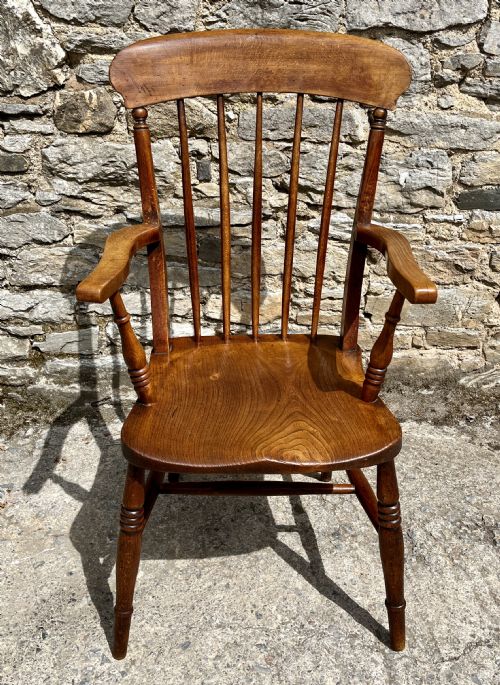
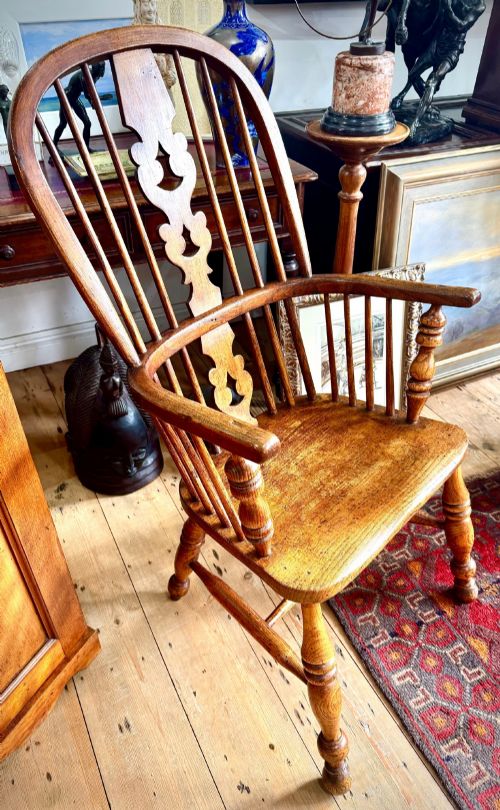
When you search for a traditional kitchen armchair, you encounter robust seating designed for everyday utility in 19th-century and early 20th-century rural homes. These pieces predominantly take the form of Windsor armchairs, alongside ladderback and stick back variants originating from English and Scottish country workshops.
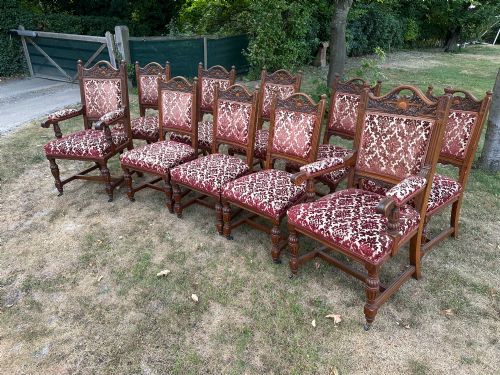
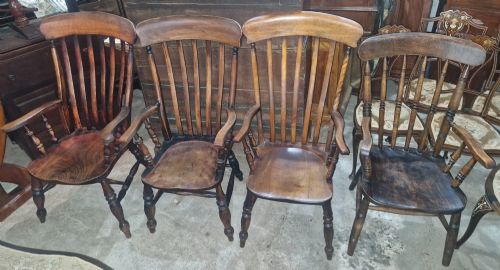
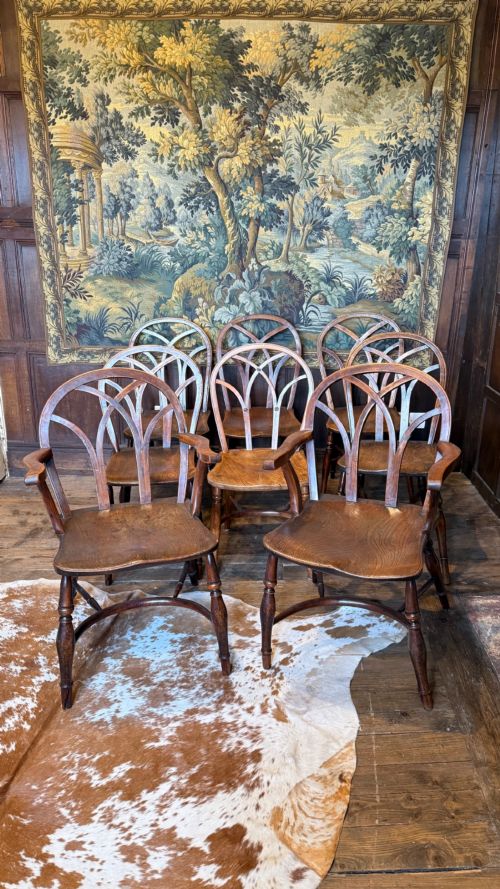
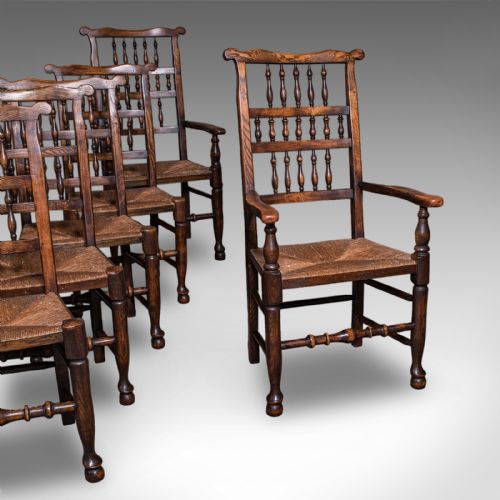
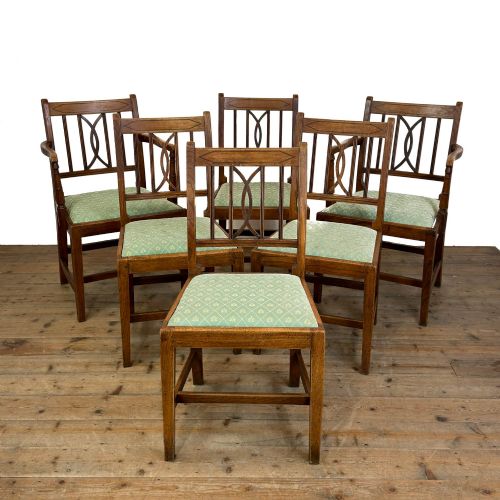
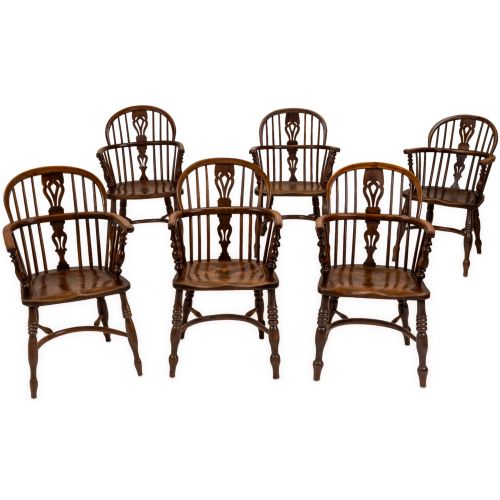
The selections on this page span the Victorian and Edwardian eras, encompassing single items, pairs, and matched sets of dining or carver chairs. Common regional iterations include Lancashire spindle backs and low or highback farmhouse seating built to serve as dependable household furniture.
How They Were Made
Maker construction relies on native hardwoods combined for structural strength, pairing elm or ash seats with beech, oak, or yew for spindles, arms, and legs. Windsor chairs utilise turned components and steam-bent wood to form the characteristic bow backs and comb pieces.
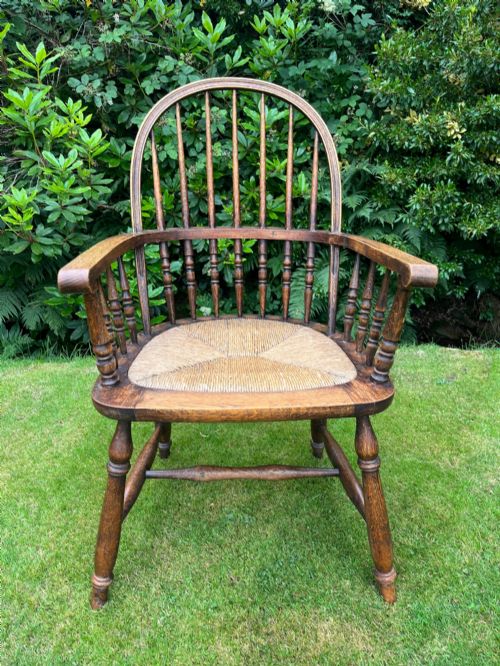
Alternative vernacular designs incorporate woven rush for drop-in or integrated seating surfaces, secured within solid timber frames using traditional joinery and pegged joints rather than metal fasteners.
Several armchairs show distinct ink or carpenter marks hidden beneath the seat, recording the quiet signatures of rural hands from centuries past.
What Varies in Quality
The distinction between ordinary and superior pieces rests upon the integrity of the timber, the grace of the spindle turnings, and the preservation of original surface patination. Grain movement in a single-piece elm seat and the balance of crinoline stretchers elevate specific examples above standard utility seating.
Mastery is also evident in the comfort and proportion of the broad wooden arm bow, the tightness of wedged leg joints, and whether the framework retains its factory components without excessive timber replacement.
The Traditional Kitchen Armchair Glossary
- Windsor
- A chair built with a solid wooden saddle-shaped seat into which the legs, back spindles, and arms are directly socketed. This method creates a sturdy, resilient frame typical of English country seating.
- Crinoline stretcher
- A bent or curved wooden brace connecting the legs of a Windsor chair near the base to provide extra rigidity. It often curves outward toward the back like a hoop skirt.
- Lath back
- A chair back featuring flat horizontal wooden slats or splats riveted between the top bow and the seat. This design offers robust back support distinct from vertical turned spindles.
- Rush seat
- A seating surface woven from dried marsh rushes or sedge around a wooden frame. It provides a flexible, textured platform common in traditional ladderback chairs.
- Carver
- An armchair designed to match a set of dining chairs, traditionally placed at the head of a table. These pieces feature supportive armrests integrated into the upper frame.
Traditional Kitchen Armchair: Frequently Asked Questions
What is a Windsor armchair?
A Windsor armchair is a wooden seat constructed by fitting legs and back spindles directly into a thick, sculpted wooden seat. This method creates a durable, unified framework designed for practical domestic use.
These chairs often feature bentwood bows and distinctive grain patterns in the elm seats, making them staples of rural farmhouse interiors.
How do I date a kitchen armchair?
Dating these chairs involves examining the timber selection, tool marks, construction methods, and overall wear patterns. Victorian examples frequently show machine-sawn components and specific turning styles that evolved through the nineteenth century.
Earlier pieces from the early nineteenth century often display hand- carved elements and distinct regional variations in the spindle arrangements.
Are these chairs comfortable for daily use?
These chairs are built with ergonomically shaped wooden seats and supportive high or low backrests designed for extended sitting. The saddle shape of the timber seat distributes weight evenly across the frame.
Adding a loose cushion can further soften the solid wood surface for modern living spaces.
What woods were used to build them?
Maker workshops utilised native British hardwoods chosen for specific structural properties. Elm provided a tough, split-resistant seat, while ash, beech, and yew offered flexible strength for bent bows and slender spindles.
Oak also appeared frequently in heavier framework and dining chair sets.