





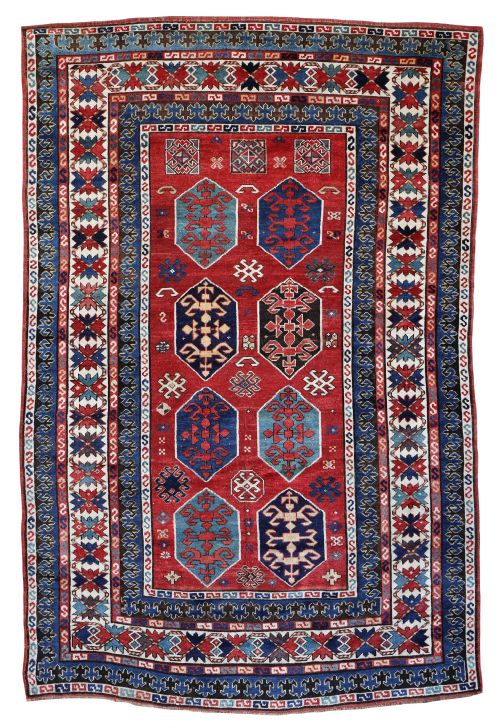
Traditional Kazak Area Rug
A traditional kazak area rug is a woven tribal floor covering from the Caucasus, prized for bold geometric designs and rich wool textures.
Traditional Kazak Area Rug
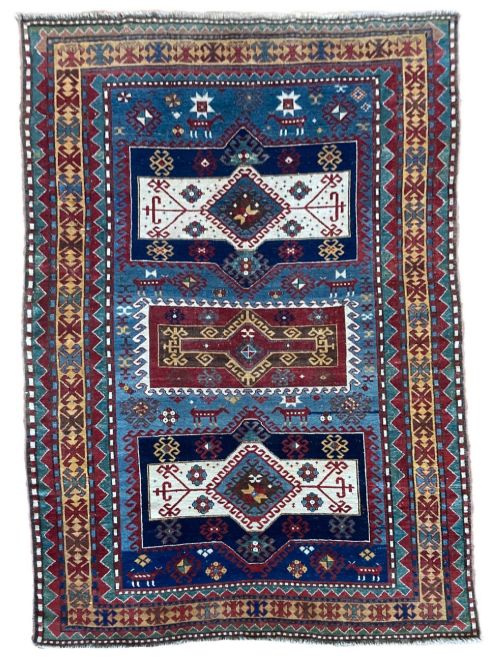
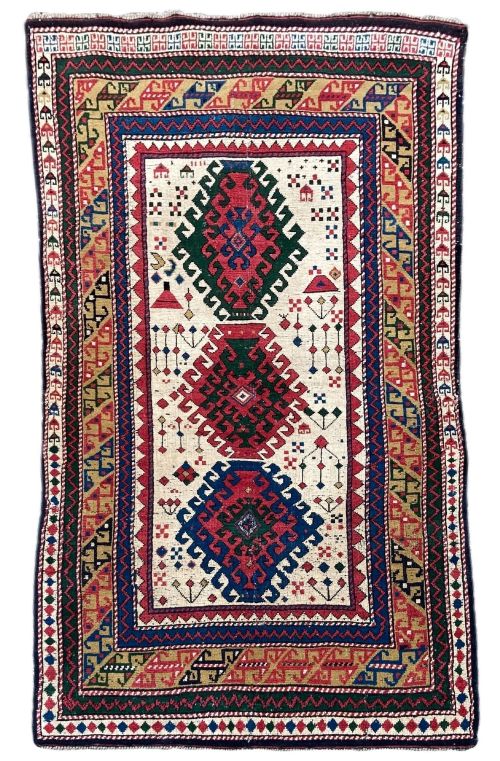
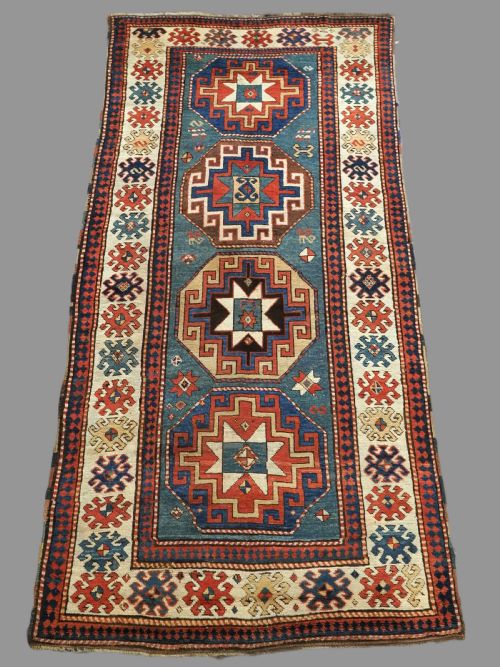
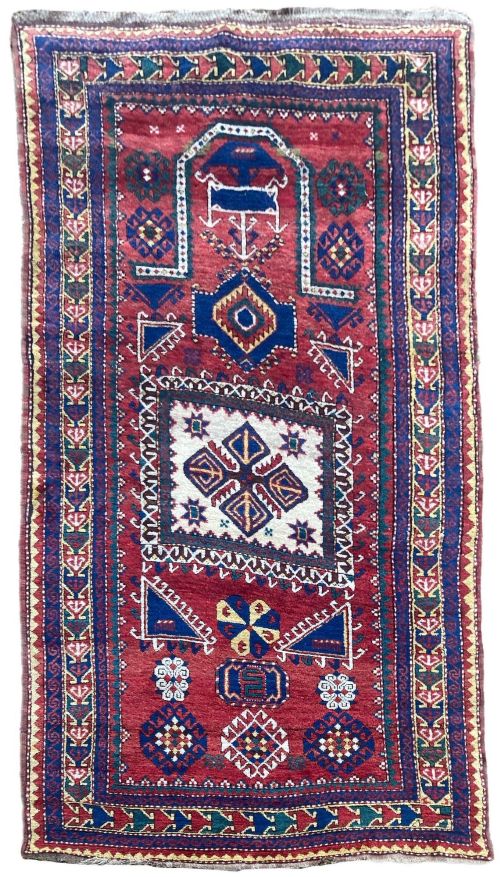
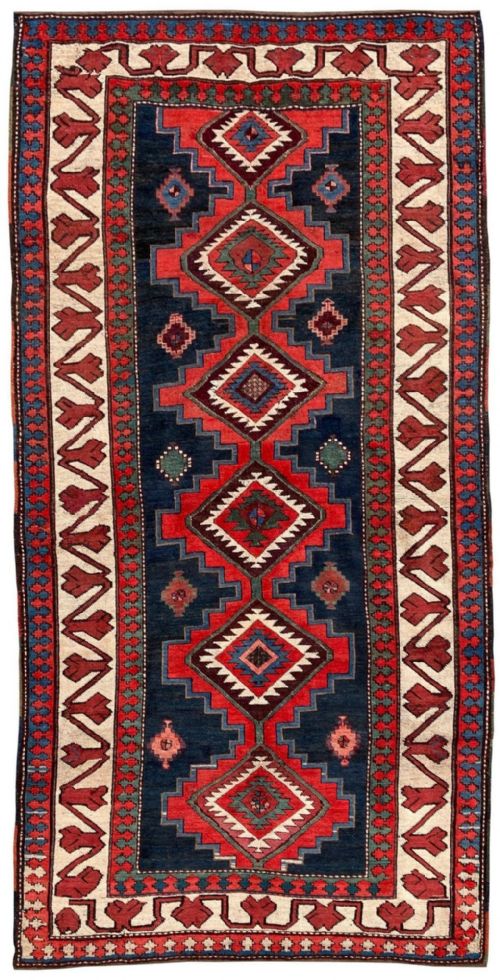
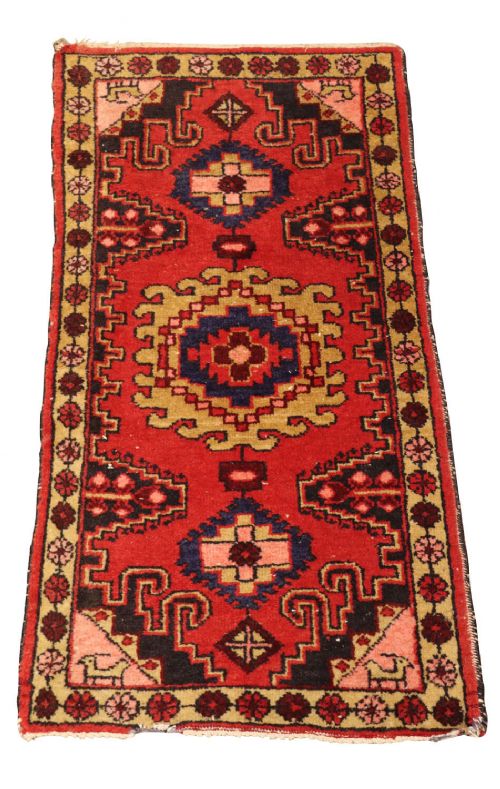
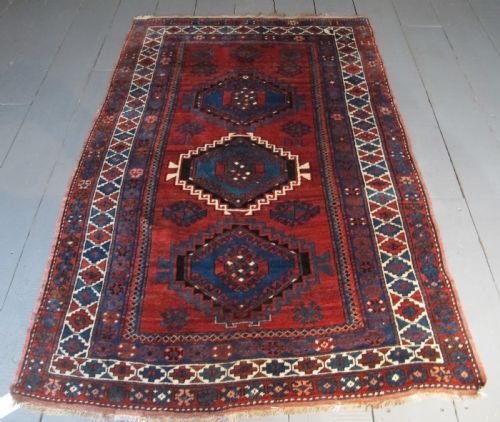
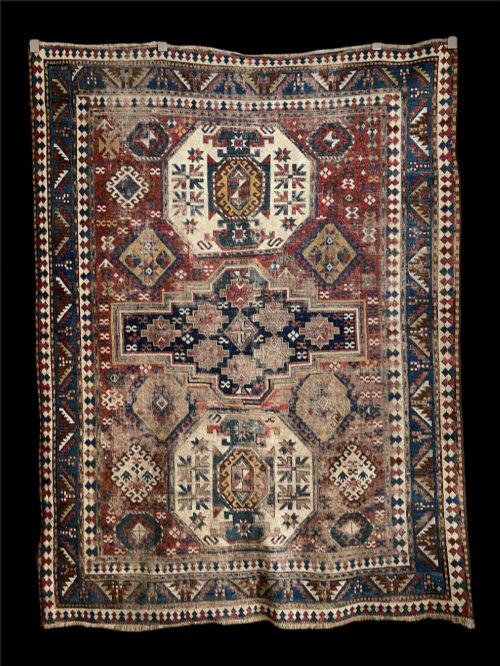
When you search for a traditional kazak area rug, you enter the world of Caucasian tribal weaving from the nineteenth and early twentieth centuries. These pieces typically display strong geometric medallions, latch hooks, and animal or human motifs on dense wool foundations.
The selections available range from standard formats to prayer rugs and larger carpet dimensions. Pieces originating from specific regional groups such as Fachralo, Borchalu, Karachov, and Moghan appear frequently among the listings.
Makers in the Caucasus utilised traditional designs passed down through generations, often incorporating tribal symbols like the Memling gul or cloud bands. Dating generally spans from the mid-nineteenth century through to the early decades of the twentieth century.
Quality factors
The standard of a traditional kazak area rug rests on the clarity of its geometric drawing and the saturation of its dyes. Finer examples display precise execution of latch hooks, medallions, and figurative motifs without awkward crowding or distortion.
Wool quality and pile preservation also dictate the standing of a piece within the range. Greater integrity in the weave and minimal restoration elevate a rug, while retention of original borders and端 finishes preserves its historical character.
Traditional Kazak Area Rug Retail Price Guide 2026
Typical asking prices for traditional kazak area rug among the pieces listed under this phrase on Sellingantiques today, from the lower quarter to the upper quarter. They describe what is for sale here now, not the wider market.
Specific regional types represented include Fachralo, Borchalu, Karachov, Moghan, and Gendje forms alongside prayer rugs and larger carpets.
The Traditional Kazak Area Rug Glossary
- Latch hook
- A stepped geometric motif resembling a hook, frequently outlining medallions in Caucasian weaving. This design element adds dynamic movement to otherwise rigid tribal patterns.
- Prayer rug
- A small format rug featuring a mihrab or niche design at one end, traditionally used for daily devotions. These pieces often display specific architectural arches unique to regional weaving groups.
- Gul
- A medallion or repeating octagonal stamp used as a primary motif in tribal carpets. Variations like the Memling gul identify specific regional traditions within the Caucasus.
- Hand-spun wool
- Yarn spun by hand using traditional drop spindles or wheels rather than industrial machinery. This method creates subtle variations in thickness and colour absorption that enhance the rug's texture.
Traditional Kazak Area Rug: Frequently Asked Questions
How do I date a traditional kazak area rug?
Dating relies on assessing the wool quality, dye palette, and structural characteristics relative to known nineteenth and early twentieth-century examples. Natural dyes and hand-spun wool typically point to earlier production before synthetic dyes became widespread.
Specific design motifs and structural wear also help narrow down the decade of origin. Comparing the weave density to dated reference pieces provides further confirmation of the period.
Where were these rugs made?
These textiles originate from the Caucasus region, an area bridging Europe and Asia encompassing modern-day Armenia, Azerbaijan, and Georgia. Different villages and tribal groups within this territory developed distinct design vocabularies.
Local workshops and nomadic groups such as the Borchalu, Fachralo, and Karachov produced rugs with recognisable regional traits. This geographic diversity accounts for the wide variety of medallions and border patterns found on the market.
How should I clean a wool rug?
Gentle surface cleaning and regular vacuuming without the beater bar help maintain wool pile without causing fibre damage. Professional specialist cleaning is recommended for deep washing to protect the natural dyes and foundation.
Avoiding excessive moisture and direct sunlight prevents colour fading and fibre degradation over time. Prompt attention to spills prevents staining while preserving the integrity of the hand-spun wool.
What is a prayer rug?
A prayer rug is a smaller format textile featuring a distinct arch or niche shape known as a mihrab. Weavers designed these pieces to be portable and laid on the ground during daily prayer rituals.
Beyond their functional use, they showcase intricate geometric borders and symbolic motifs specific to the weaving community. Collectors value them for their focused composition and often symbolic imagery.