



Traditional Japanese Vases
Traditional japanese vases bring centuries of refined craftsmanship and distinctive hand-painted ceramics into a room.
Traditional Japanese Vases
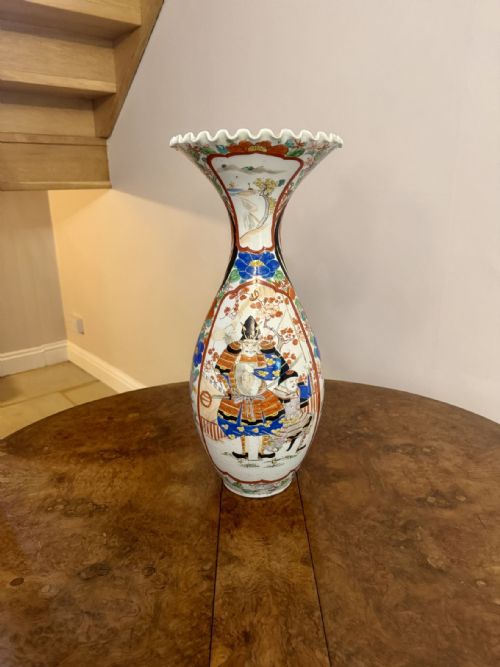
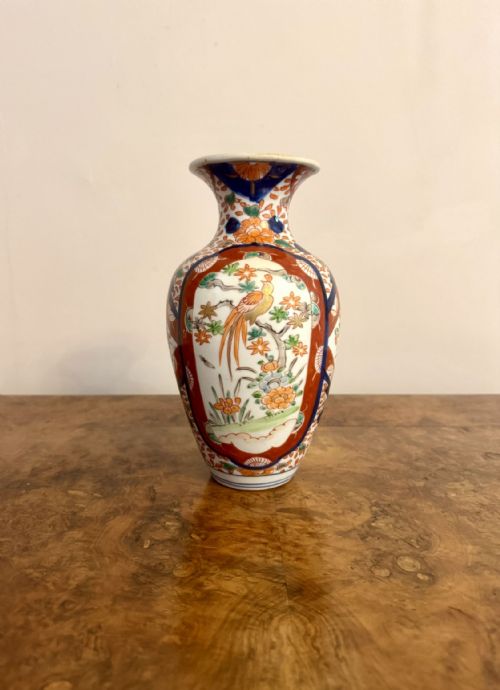
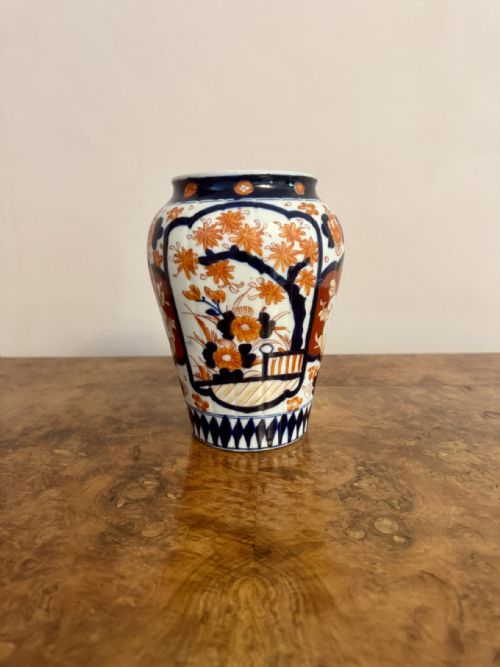
Traditional japanese vases encompass a rich variety of ceramic forms, decorative vessels, and sculptural baskets spanning the eighteenth, nineteenth, and early twentieth centuries. Pieces originating from the Meiji, Edo, and Taisho periods form the core of this selection, reflecting distinct historical eras of design.
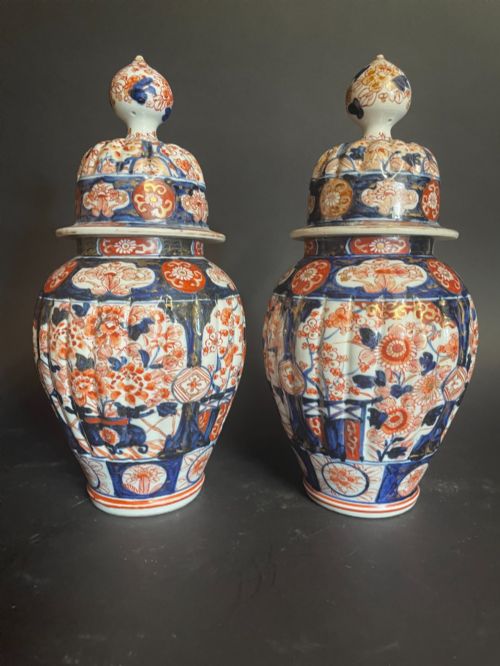
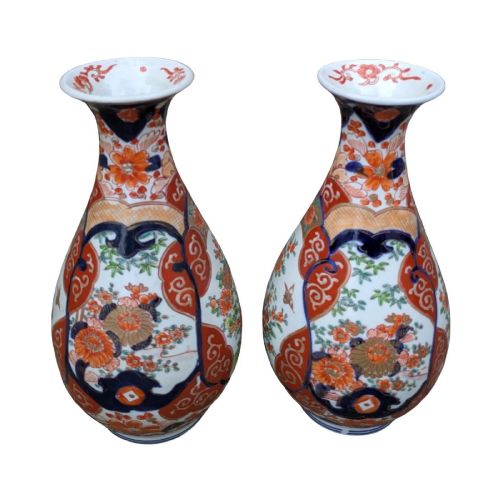
Vessels decorated in the Imari palette appear frequently among the listings, alongside hand-painted Satsuma and Kutani porcelain. Alongside standard vases, the selection includes lidded jars, garden urns, ritual vessels, and flower baskets intended for ikebana arrangement.
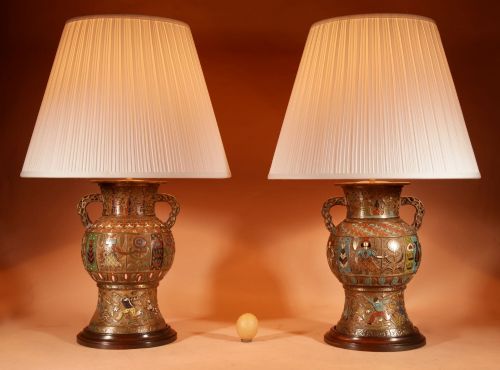
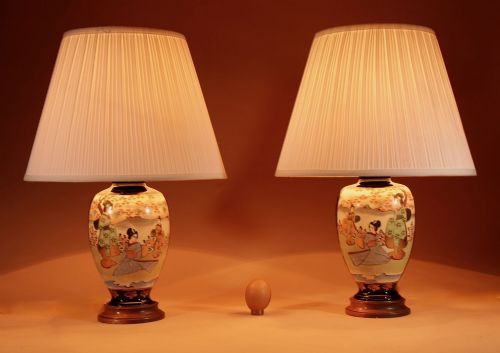
Many historical vessels have been adapted over time to function as table lamps, combining original porcelain bodies with fitted bronze or brass mountings. Collectors encounter both single statement floor vases and matched pairs designed for symmetrical placement.
Materials and Construction
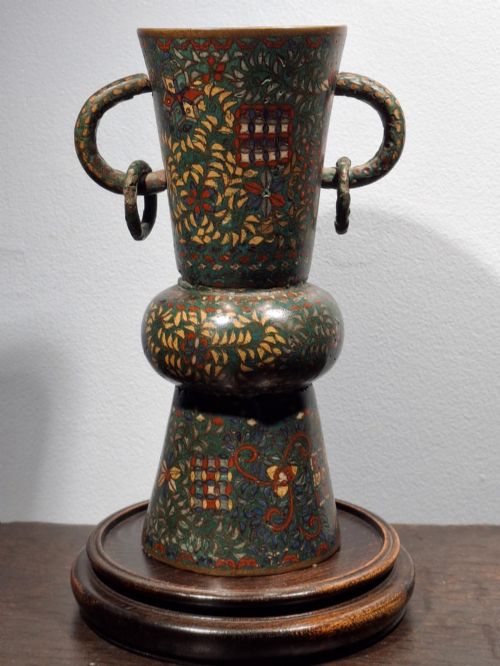
Potters relied primarily on high-fired porcelain and earthenware, decorated with intricate overglaze enamels, cobalt blue underglaze, and applied gold leaf. Artisans also utilised cast bronze, cloisonné enamel, and woven bamboo for ritual vessels and baskets.
Surface ornamentation involved meticulous hand-painting, champlevé enamelling, and dimensional relief work applied directly to the ceramic or metal substrate. Wood components and fabric elements occasionally supplement the primary ceramic or bronze structures.
Bamboo flower baskets bring a touch of woodland architecture straight into the parlour.
Assessing Quality and Execution
Superior examples display exceptional control in hand-painting, with crisp brushwork, rich cobalt tones, and precisely applied enamel or gold leaf details. The intricacy of the decorative composition and the proportional harmony of the vessel shape distinguish finer works from simpler production pieces.
The integrity of the material body, whether porcelain, bronze, or woven bamboo, dictates the durability and presence of the piece. Conversion into table lamps alters the original form, meaning collectors weigh the quality of the ceramic body against the execution of the metal mounts.
Hozan·Fukagawa·Arita
The Traditional Japanese Vases Glossary
- Imari
- A style of Japanese porcelain decorated in underglaze blue, iron red, and gold. These pieces originated in Arita and were exported widely through the port of Imari.
- Satsuma
- A type of Japanese earthenware featuring a crackle ivory glaze decorated with polychrome enamel and gilt. These ceramics gained significant popularity during the Meiji period.
- Kutani
- A style of Japanese porcelain known for bold pictorial designs and vibrant colour palettes, particularly greens, purples, blues, and reds. Production centres around the Kaga province.
- Cloisonné
- A metalwork technique where enamel paste is applied within compartments created by soldered flat wires of brass or bronze. The object is subsequently fired and polished to a smooth finish.
- Ikebana
- The traditional Japanese art of flower arrangement. Vessels designed for this purpose often feature specific apertures or structural supports for holding stems.
- Usubata
- A traditional bronze vessel shape utilised in floral arrangement featuring a wide, flat basin supported by a columnar stem and a heavy base.
Traditional Japanese Vases: Frequently Asked Questions
How do I date a traditional Japanese vase?
Dating relies on stylistic markers, materials, and historical periods such as the Edo or Meiji eras. Examining the glaze characteristics and painting style provides further context for the age of the ceramic.
Changes in export regulations and production techniques across the nineteenth and early twentieth centuries help narrow down the decade of manufacture.
Can I use these vases as table lamps?
Many historical vases have been safely converted into table lamps over the decades by adding electrical fittings and mounts. These converted pieces allow collectors to integrate antique ceramics into modern lighting schemes.
Buyers should inspect the mounting to determine whether the vessel body was drilled or if the hardware utilises non-invasive brackets.
How should I clean antique Japanese porcelain?
Dusting gently with a soft, dry microfibre cloth is the safest way to maintain the surface of hand-painted porcelain and enamel. Avoid using harsh chemical cleaners, abrasive sponges, or immersion in water.
Care must be taken around applied gold leaf and delicate overglaze decorations, which can wear away with aggressive cleaning.