


Traditional Iron Hearth Guard
A traditional iron hearth guard keeps a room safe and warm, combining sturdy metalwork with practical design for everyday fireside use.
Traditional Iron Hearth Guard
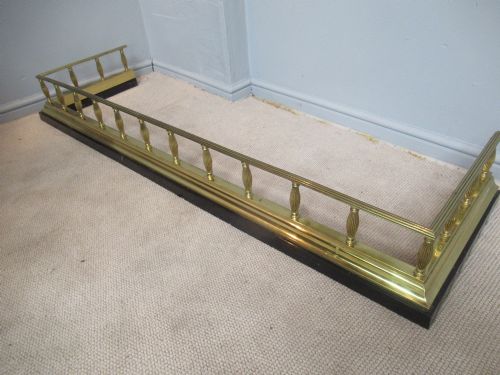
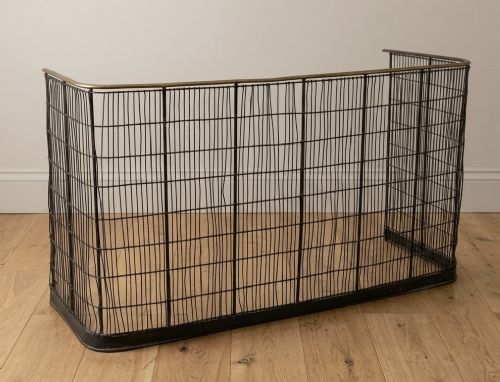
When you search for a traditional iron hearth guard, you are looking at functional fireplace accessories designed to protect rooms from sparks and open flames. These pieces range from nursery fenders with wire mesh to heavy club fenders and wrought iron fire screens.
The versions most likely to meet you on this page date from the nineteenth century, Victorian, Edwardian, and nineteen-thirty periods. They utilise materials like cast iron, wrought iron, steel, brass, and wire mesh to create robust barriers around the hearth.
How they were made
Makers constructed traditional iron hearth guards using durable metals like cast iron, wrought iron, and steel, often pairing them with brass top rails or wire mesh panels. These materials provided the necessary strength to withstand high temperatures and daily use near the fire.
Craftsmen shaped the metal through forging and casting, frequently incorporating detailed scrollwork or sturdy frames. Supplementary elements such as tan leather seating pads, mahogany tops, or oak bases were added to club fenders for comfort and utility.
Some nineteenth-century nursery fenders doubled as indoor clothes dryers thanks to integrated rails.
What varies in quality
The distinction between standard and superior pieces rests on the weight of the metal and the precision of the construction. Heavier wrought iron frames and solid brass detailing indicate sturdiness and durability.
Finishing touches also separate ordinary items from finer examples, such as tightly woven wire mesh, well-fitted leather upholstery, and integrated companion sets. The harmony of mixed materials, like steel paired with oak or bronze, defines the overall character.
The Traditional Iron Hearth Guard Glossary
- Nursery fender
- A protective metal guard enclosed with wire mesh, originally designed to keep children safely away from the open fire. These taller structures often include a top rail.
- Club fender
- A low fireside seat featuring a metal frame upholstered with leather or wood on top. They provide comfortable seating directly around the hearth.
- Fire screen
- A freestanding panel of wrought iron or mesh placed in front of the fireplace to block stray sparks. They often feature decorative scrollwork or matching companion sets.
- Wrought iron
- Iron that has been heated and hammered into shape by hand, resulting in a fibrous texture and high durability. It appears frequently in traditional hearth guards and screens.
Traditional Iron Hearth Guard: Frequently Asked Questions
What is a nursery fender?
A nursery fender is a tall fireside barrier enclosed with wire mesh designed to prevent children and pets from getting too close to the flames.
These guards often feature a top rail and offer extended coverage around the entire hearth area.
How do club fenders work?
Club fenders combine a low metal frame with cushioned leather or wooden seats on top, allowing people to sit right by the fire.
They serve as both a protective hearth barrier and practical fireside seating.
Where were fire screens used?
Fire screens were placed directly in front of the fireplace opening when the fire was burning low or unlit to block stray sparks and draft.
They were common fixtures in nineteenth-century and Edwardian sitting rooms.
How do I identify a Victorian fender?
Victorian pieces often combine cast iron or wrought iron with polished brass rails and heavy detailing.
Look for robust construction methods and period-specific decorative styles such as Gothic Revival influences.