





Traditional Iron Garden Planter
Traditional iron garden planters bring architectural dignity to outdoor spaces, offering heavy-duty durability and timeless classical forms.
Traditional Iron Garden Planter
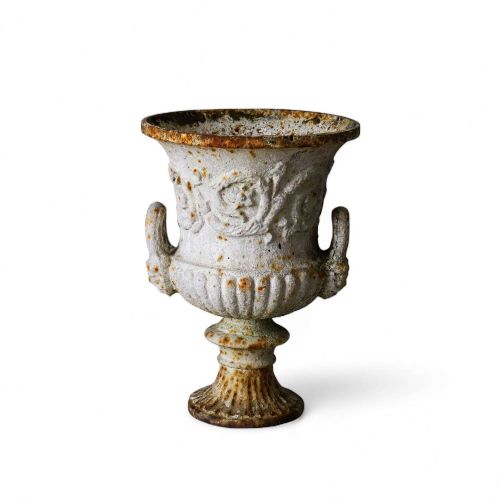
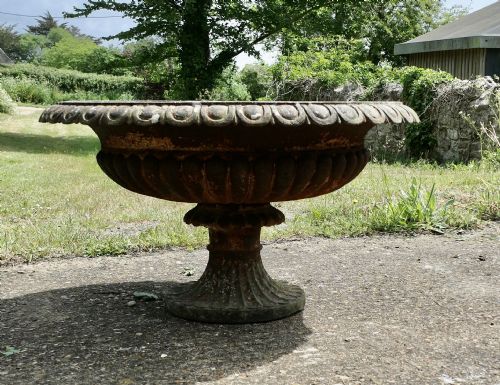
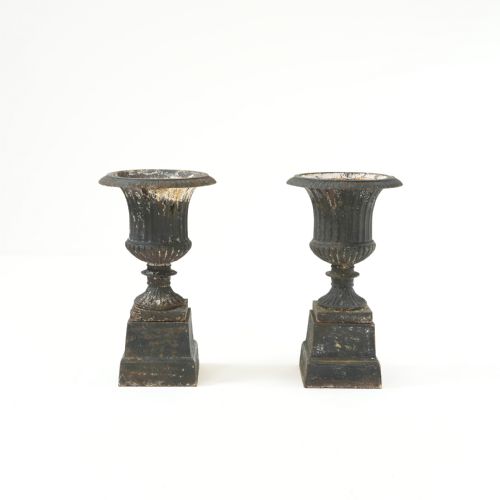
Traditional iron garden planters include campana urns, jardiniere vessels, and well buckets dating from the Georgian, Victorian, and Edwardian periods. Most examples found on this page are cast iron urns, frequently offered in matched pairs for formal garden placement.
The inventory encompasses pieces ranging from classical revival fluted designs to gadrooned urns on pedestals. These sturdy receptacles function as decorative centrepieces or structural focal points in courtyards and terraces.
How they were made
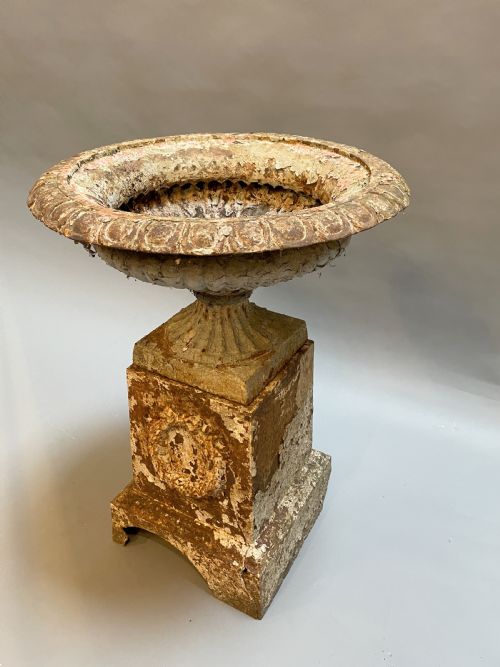
Maker foundries poured molten metal into sand moulds to shape heavy cast iron bodies, often incorporating separate plinths and stands. Some models combine iron with copper components or receive protective layers of paint.
Surface finishing relied on natural weathering over decades or applied coatings to withstand outdoor exposure. The manufacturing process produced thick, rigid walls capable of supporting substantial soil volumes.
Traditional Iron Garden Planter Retail Price Guide 2026
Typical asking prices for traditional iron garden planter among the pieces listed under this phrase on Sellingantiques today, from the lower quarter to the upper quarter. They describe what is for sale here now, not the wider market.
The listings on this page span the Georgian, Victorian, and Edwardian eras, predominantly featuring cast iron campana urns.
What varies in quality
Quality rests in the crispness of classical cast detail, such as gadrooning and fluting, which can appear sharp or softened through successive casting generations. Superior examples exhibit balanced proportions between the bowl and its plinth.
The thickness of the metal casting and the integrity of the original construction dictate structural longevity. Matched pairs with uniform weathering command greater interest than mismatched assemblies.
Andrew Handyside
The Traditional Iron Garden Planter Glossary
- Campana urn
- A bell-shaped garden vessel with an everted rim and a pedestal base. This form originates from classical antiquity and dominated Victorian foundry production.
- Gadrooned
- Ornamented with a series of convex curves or flutes moulding the lower bowl. This decorative carving adds texture and weight to the silhouette.
- Jardiniere
- A large ornamental pot or receptacle designed to hold growing plants. These vessels often feature decorative handles or classical reliefs.
- Plinth
- A heavy rectangular or square base supporting an urn. It elevates the planter to improve drainage and visual presence.
Traditional Iron Garden Planter: Frequently Asked Questions
How do I care for cast iron planters?
Cast iron vessels require minimal upkeep beyond ensuring drainage holes remain clear during winter months. Protecting the metal with appropriate paint coatings helps prevent excessive rust accumulation over time.
Moving heavy urns should be done with adequate equipment to avoid structural stress on the plinths and bases.
Are these planters frost proof?
Iron urns generally withstand low temperatures, though water accumulation combined with freezing can damage contents or internal surfaces. Lining the inner bowl protects the metal and aids plant health.
Elevating vessels on plinths prevents moisture from becoming trapped beneath the base during wet seasons.
Can I leave them outside all year?
These robust garden antiques are built specifically for outdoor environments and develop a natural weathered patina through seasonal exposure. Their heavy construction ensures they remain stable in high winds.
Regular inspection of surface coatings keeps the iron sound through decades of continuous garden use.
How do I identify Victorian examples?
Victorian cast iron planters typically display heavy casting, classical revival motifs like campana shapes, and deep fluting or gadrooning. Foundry marks and weathered paint layers often provide clues to their nineteenth-century origins.
Proportions on Victorian pieces tend to be stout and balanced, designed to hold substantial weight.