


Traditional Imari Ware
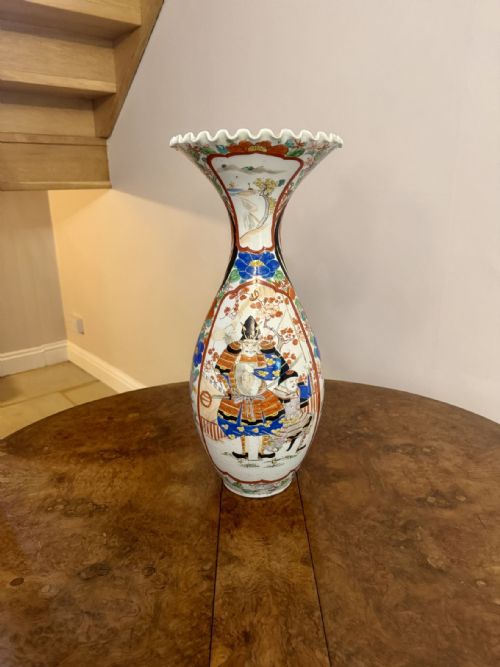
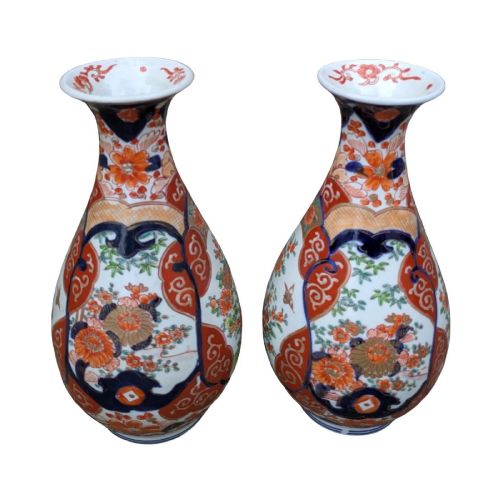
Traditional imari ware brings rich cobalt blue and vibrant iron red porcelain into a room, offering the bold colour and pattern collectors seek.
Traditional Imari Ware
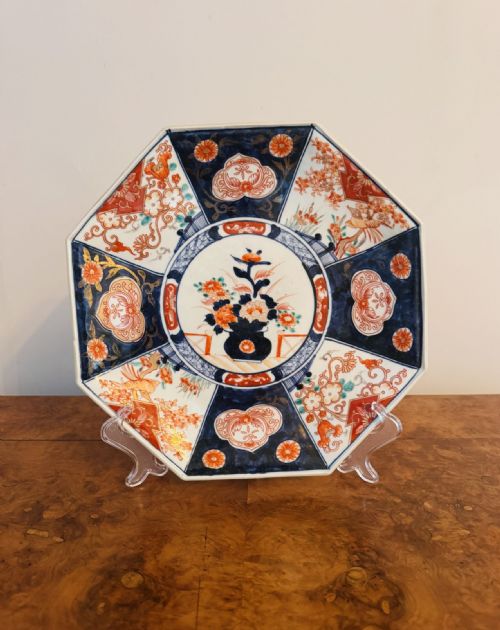
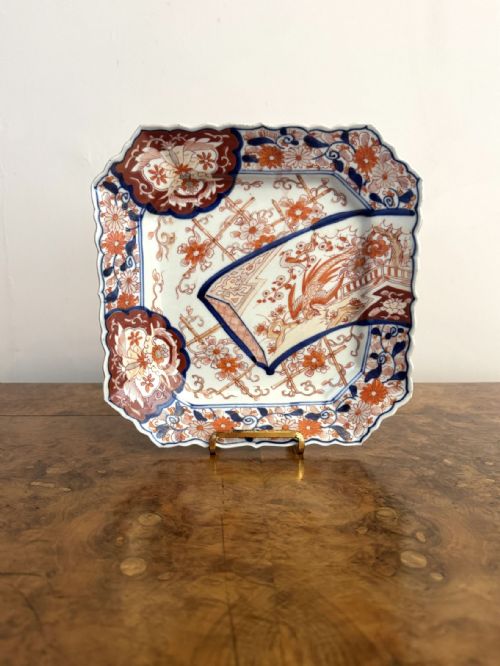
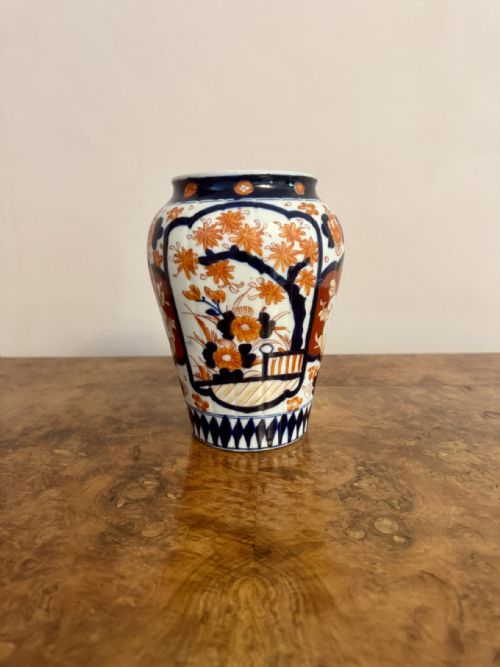
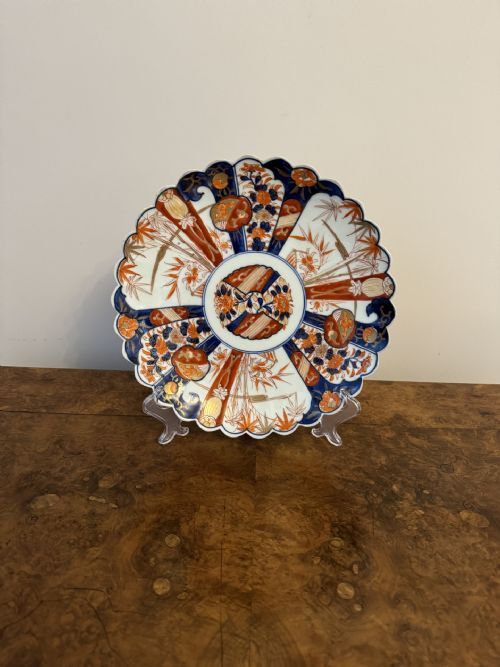
Traditional imari ware comprises striking porcelain pieces designed in decorative forms such as plates, chargers, dishes, bowls, and vases. These items originate from periods spanning the late seventeenth century through the nineteenth and early twentieth centuries, capturing distinct Japanese artistic traditions.
The most common examples encountered on this page are decorative plates and vases dating from around nineteen hundred, alongside nineteenth-century vessels and earlier late seventeenth-century dishes. Buyers frequently find individual items as well as matched pairs or collections of multiple matching plates.
Forms vary from standard circular vessels to hexagonal, square, and scalloped shapes, demonstrating diverse geometric profiles. Each piece showcases the classic aesthetic associated with Japanese Meiji and Edo periods.
How traditional imari ware was made
These pieces are constructed from fine porcelain fired with glaze to create a durable and luminous ceramic base. Artisans applied cobalt blue underglaze decoration alongside vibrant enamel colours directly onto the surface.
Many examples incorporate gold leaf or gilt gilding to accentuate the painted motifs and enrich the overall palette. The combination of underglaze blue, enamel pigment, and gold leaf defines the signature finish of the ware.
Hexagonal plates ensure your snacks sit with mathematical confusion.
What varies in quality
Quality depends upon the precision of the hand-painted brushwork and the complexity of the compositional layout across the porcelain surface. Finer examples display meticulous attention to detail within the intricate floral and geometric motifs.
The richness and depth of the enamel colours and the generous application of gold leaf or gilding elevate the visual impact. Larger scale vessels and unusual geometric shapes such as hexagonal or scalloped edges also distinguish superior pieces.
The Traditional Imari Ware Glossary
- Imari ware
- A type of Japanese porcelain traditionally decorated in cobalt blue, iron red, and gold. It takes its name from the port town from which the wares were shipped to Europe.
- Meiji Period
- The era in Japanese history lasting from eighteen sixty-eight to nineteen twelve. Pieces from this time often exhibit elaborate decorative ambition.
- Edo Period
- The period spanning from sixteen hundred and three to eighteen sixty-seven. Early examples from this time demonstrate the foundational techniques of the craft.
- Charger
- A large decorative plate intended for display rather than dining. These substantial pieces provide a wider canvas for complex painted designs.
- Gilt
- Covered thinly with gold leaf or gold paint. This technique adds metallic brilliance to the ceramic surface.
Traditional Imari Ware: Frequently Asked Questions
What is traditional imari ware?
Traditional imari ware is Japanese porcelain decorated with a distinctive palette of cobalt blue, iron red, and often gold leaf. These pieces range from decorative plates and chargers to large vases and bowls.
Originating in earlier centuries, the style reached Western markets in abundance during the nineteenth and early twentieth centuries. Collectors prize them for their vibrant colours and intricate patterns.
How do I date imari pieces?
Dating relies on stylistic markers, historical periods such as the Meiji or Edo eras, and the characteristics of the porcelain body. Earlier pieces from the seventeenth century often show distinct potting traits compared to late nineteenth-century examples.
Examining the depth of the glaze, the quality of the enamel, and the type of cobalt blue helps establish the era of manufacture.
Can I use imari plates for dining?
Antique plates and chargers are generally intended for display rather than everyday dining. Their historic glazes and gold leaf decoration require careful handling to preserve the surface.
Most buyers choose to exhibit them on plate stands or hang them securely on walls to protect the delicate painted details.