

Traditional High Chair
A traditional high chair provides sturdy elevated seating rooted in centuries of domestic history.
Traditional High Chair
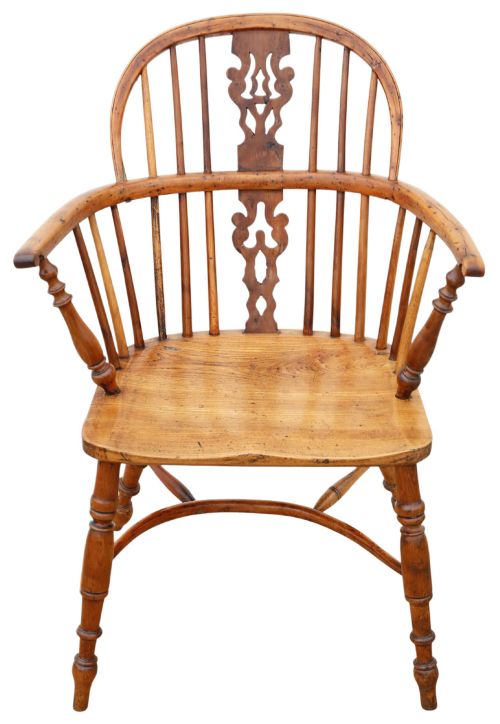
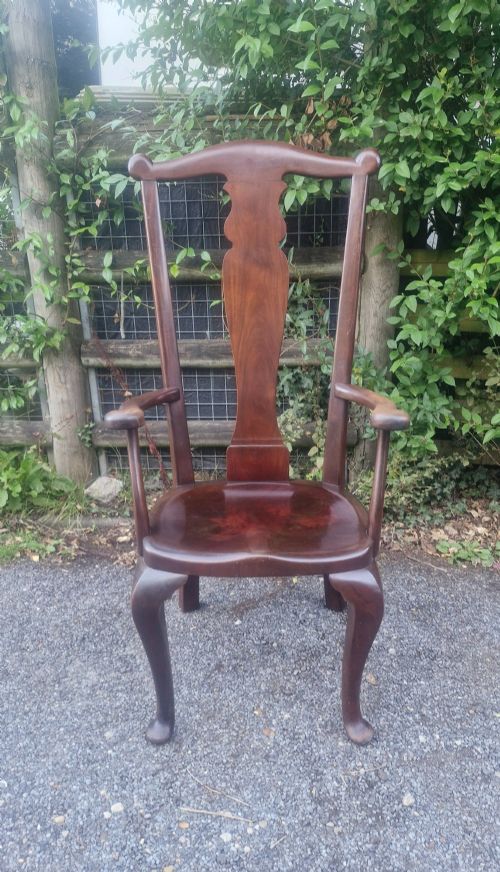
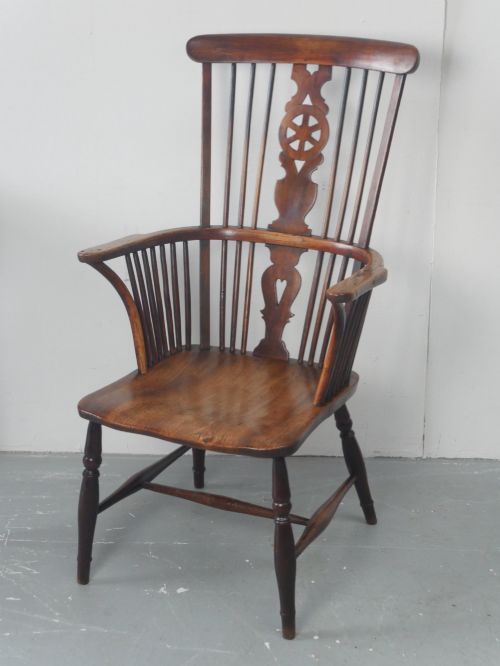
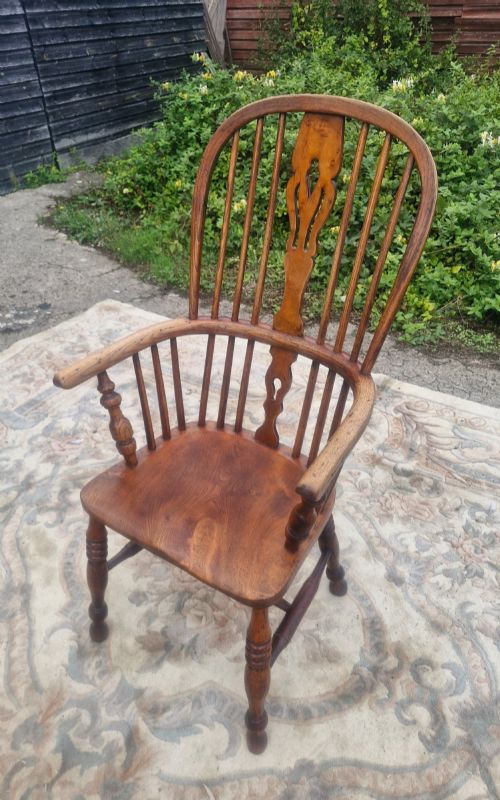
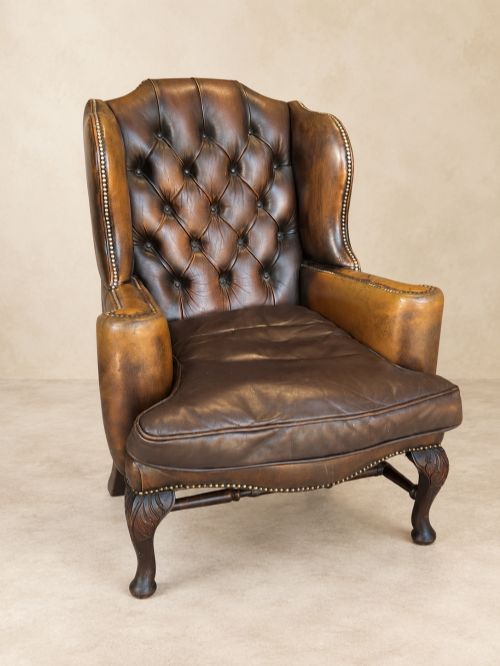
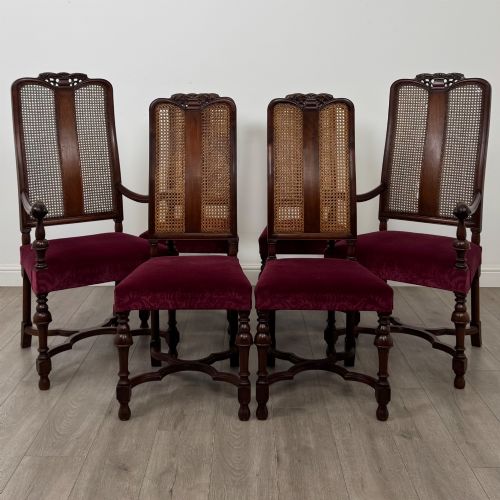
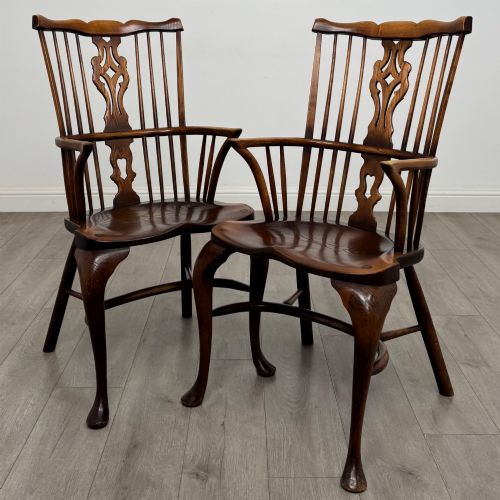
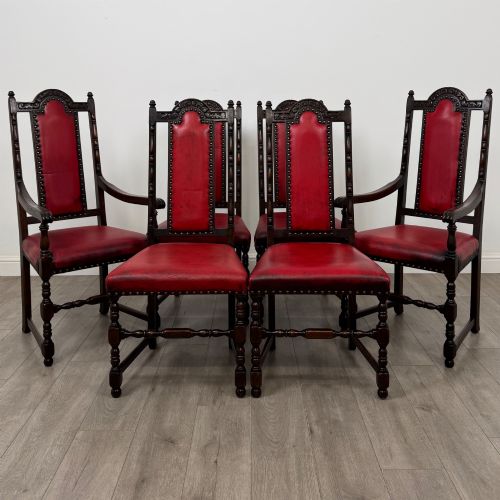
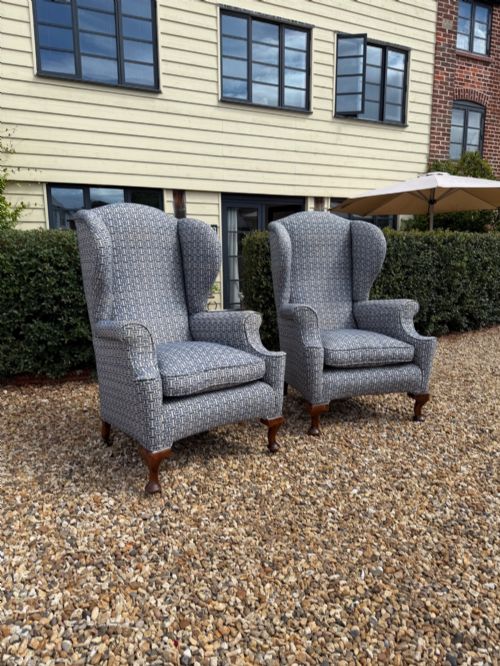
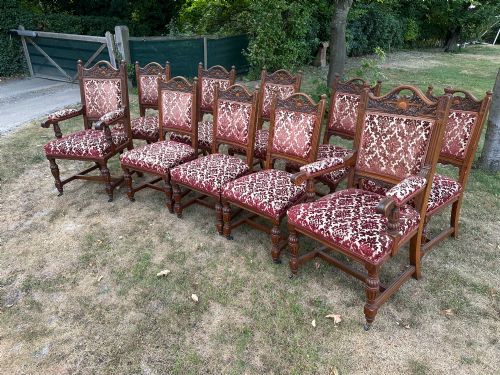
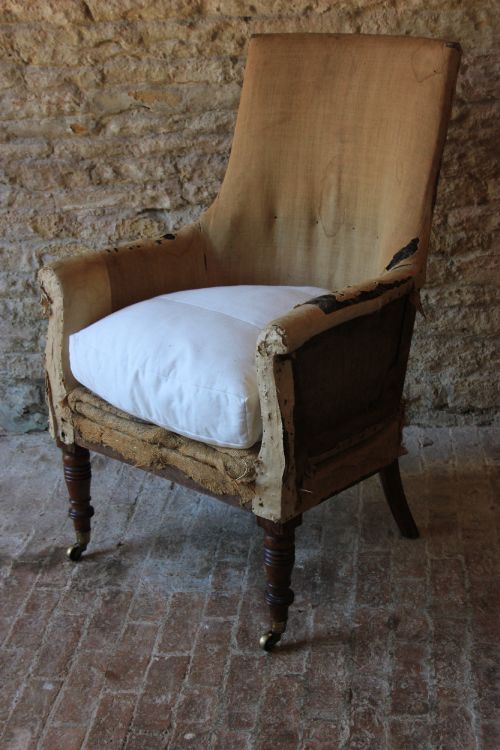
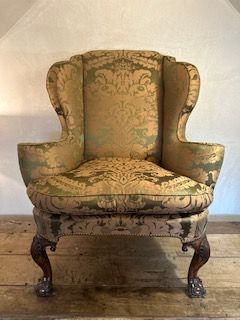
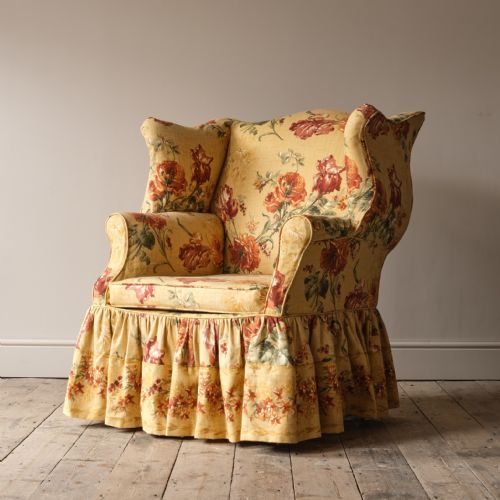
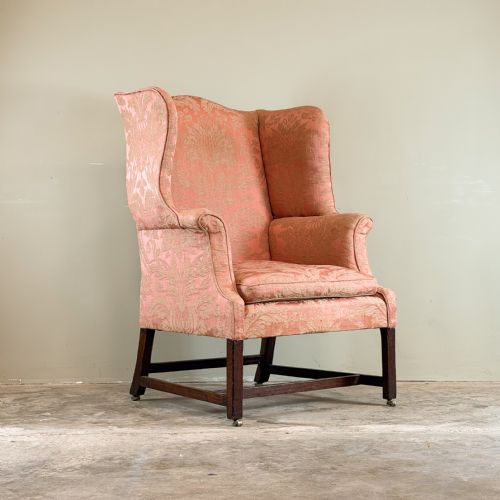
A traditional high chair search encounters pieces originating primarily from the eighteenth and nineteenth centuries, alongside Edwardian examples. The selection spans robust country windsor forms with high backs, alongside formal wing chairs and dining chairs.
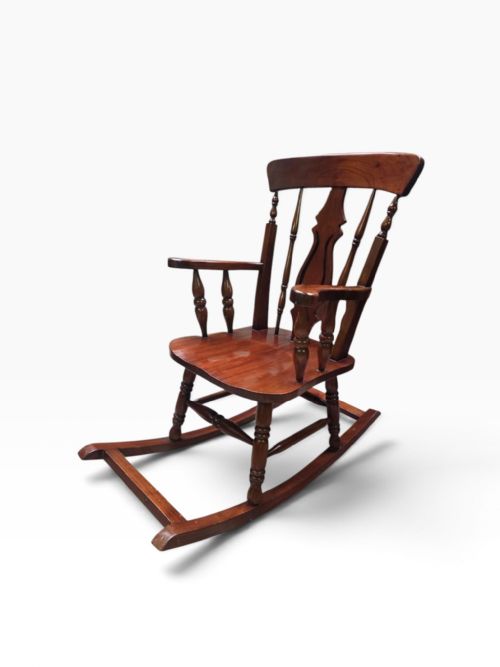
Makers utilised various regional styles, ranging from Welsh and Lincolnshire designs to West Country ash and elm iterations. Buyers frequently encounter high back windsor armchairs and kitchen armchairs intended for practical domestic utility.
Materials and construction
Construction relies heavily on native timbers such as elm, ash, oak, and mahogany, often paired together for seats and spindles. Artisans shaped solid wood components using traditional turning and joining techniques suited to heavy daily use.
Upholstered variants incorporate materials like leather, fabric, velvet, and brass tacks. Frames frequently feature high backs designed to shield sitters from draughts in period interiors.
Many high-backed chairs were engineered so high they doubled as personal windbreaks against chilly dining room draughts.
Assessing craftsmanship
Quality separates through the selection of timber and the integrity of the joinery rather than surface ornamentation alone. Superior examples display balanced proportions in the back spindles and comfortable, well-worn timber surfaces.
The distinction between ordinary workshop production and finer regional pieces lies in the crispness of turned elements and the careful pairing of contrasting woods like yew and elm.
The Traditional High Chair Glossary
- Windsor chair
- A wooden chair built with a solid saddle-shaped seat into which the back-legs and spindles are plugged directly. This construction gives the chair its characteristic strength and rustic appearance.
- Comb back
- A chair back style where the vertical spindles extend upward to intersect a horizontal top rail resembling a comb. It represents a common refinement found on eighteenth and nineteenth-century seating.
- Wing chair
- An armchair featuring side panels attached to the arms and rising to the back corners. These wings historically served to trap heat from a fireplace and block draughts.
- Carver
- An armchair designed in the same style as a set of dining chairs, typically used at the head of a table. They often share matching turned legs and back designs.
- Settle
- A wooden bench with a high solid back and enclosed arms to keep out cold air. They frequently incorporate box storage beneath the seat.
Traditional High Chair: Frequently Asked Questions
What is a traditional high chair?
A traditional high chair is an elevated wooden or upholstered seat designed for domestic use, drawing on historical forms like the Windsor or wing chair.
These pieces reflect centuries of regional craftsmanship, utilising local timbers and sturdy joinery to create functional seating for everyday life.
How were these chairs used historically?
Historically, high-backed chairs provided essential protection against cold draughts in uninsulated rooms by enclosing the sitter.
Kitchen and farmhouse variants served practical daily roles near hearths, while upholstered wing chairs suited more formal living spaces.
How do I date an antique chair?
Dating relies on identifying the combination of timber species, construction methods, and stylistic cues unique to specific periods.
Eighteenth-century examples often display regional turned components, whereas Edwardian and Victorian pieces show heavier machinery influence and different upholstery styles.
How do I live with antique seating?
Living with antique seating involves placing wooden or upholstered chairs in stable environments away from direct heat sources.
Regular gentle maintenance preserves the natural timber patination and protects delicate fabrics or leather surfaces from excessive wear.