





Traditional Heriz Rug
A traditional heriz rug brings geometric strength and bold medallion work to a floor, offering durable Persian floor coverings woven for heavy use.
Traditional Heriz Rug
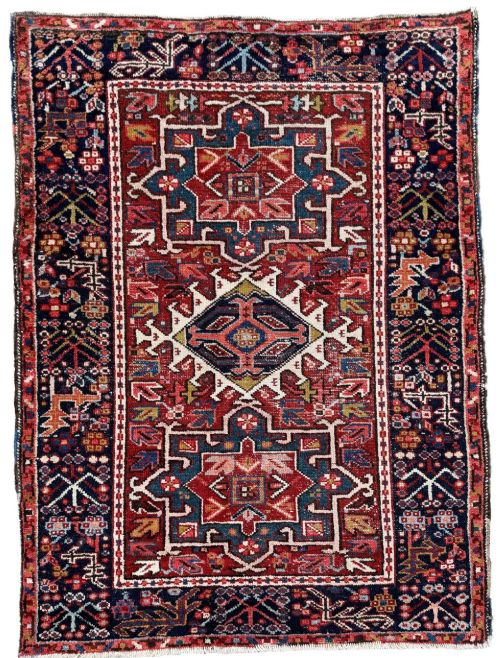
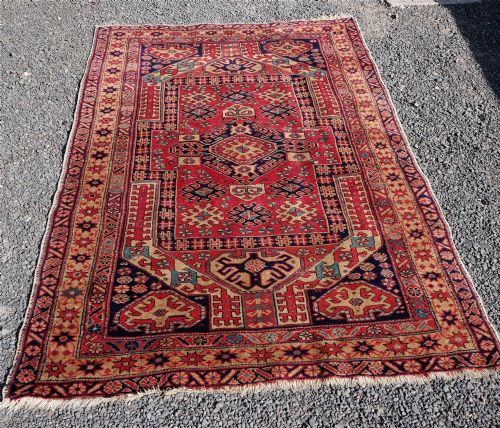
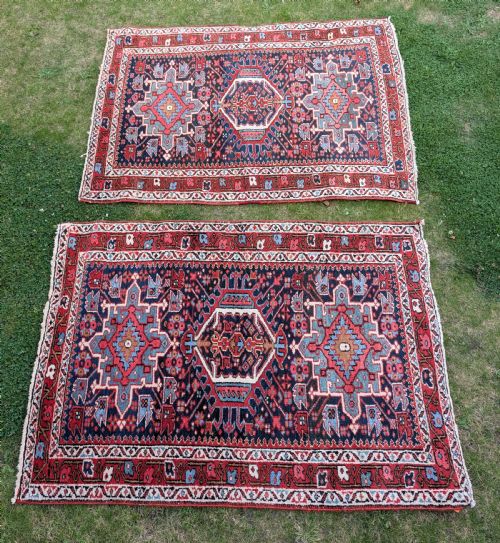
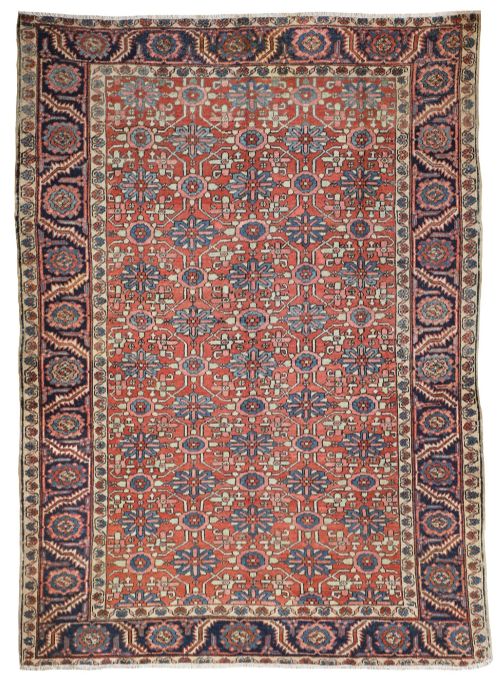
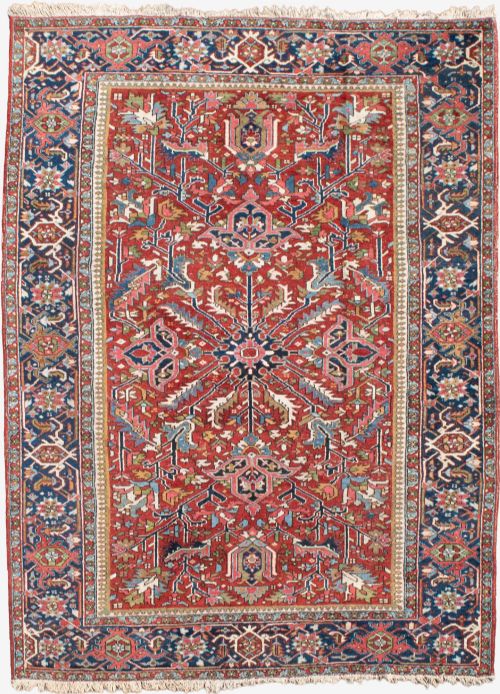
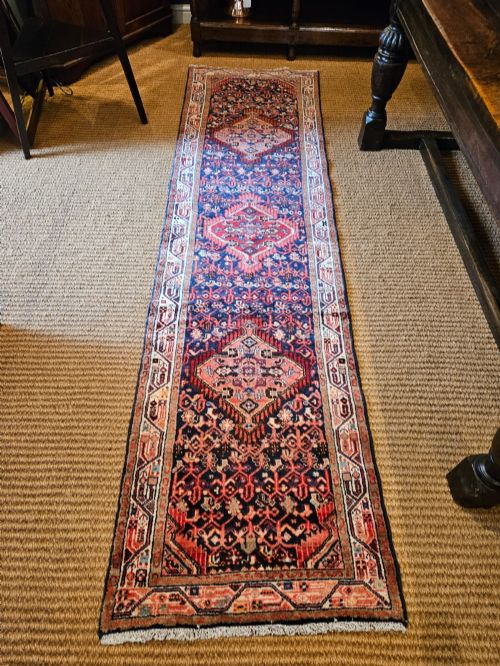
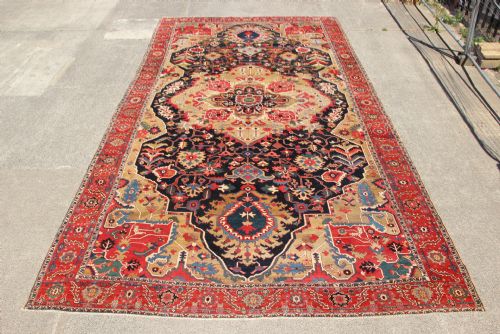
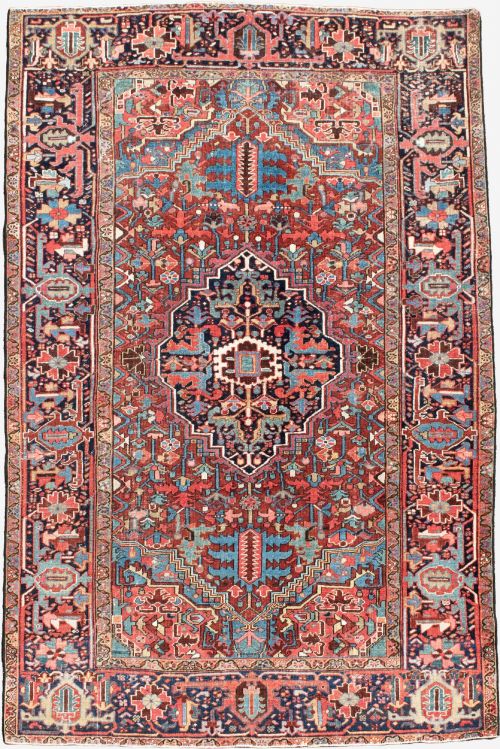
A traditional heriz rug is a distinct type of Persian carpet originating from the Heriz region in north-west Persia, known for sturdy construction and large geometric medallions. These floor coverings appear in room-size carpets, smaller rugs, and long hallway runners dating from the late nineteenth century through the early twentieth century.
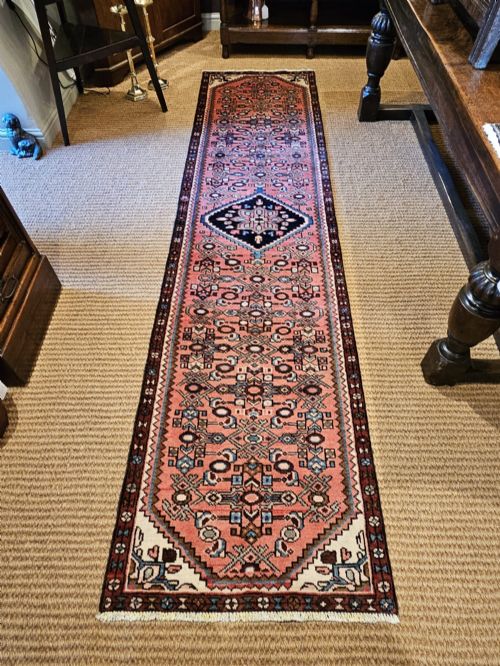
Buyers seeking this phrase encounter pieces grouped under various stylistic labels such as Serapi, Bakshiash, Ahar, and Karaja, which share regional weaving traditions. The typical formats span large floor carpets exceeding three metres down to hearth sizes and narrow runners intended for corridors.
How they were made
These floor coverings are constructed using wool piles knotted onto cotton foundations, yielding a heavy, resilient fabric built to withstand decades of foot traffic. Natural dyes provide the distinct colour palettes, utilising shades derived from local plants and minerals to produce deep reds, ivory grounds, and sky blue accents.
Weavers employed sturdy wool yarns hand-spun in the villages, securing the pile with symmetrical knots that create crisp geometric outlines. The foundations combine wool and cotton threads, supporting the dense pile structure typical of north-west Persian carpet production.
What varies in quality
The fineness of the knotting and the complexity of the geometric cartoon dictate the standing of a piece within the weaving tradition. Carpets attributed to the Serapi or early regional groups often exhibit broader drawing and spacious field designs that separate them from standard village output.
Material handling and dye consistency determine the visual depth of the pile as it ages. The integrity of the cotton foundation and the uniformity of the wool spinning dictate how well the structure holds its shape across large floor dimensions.
The Traditional Heriz Rug Glossary
- Medallion
- The central ornamental motif dominating the field of the carpet. In these pieces, it usually takes a bold, geometric polygonal form rather than a curvilinear floral shape.
- Serapi
- A sub-category associated with earlier production periods, often distinguished by coarser knotting, an open layout, and a harmonious balance of soft madder red and ivory tones.
- Karaja
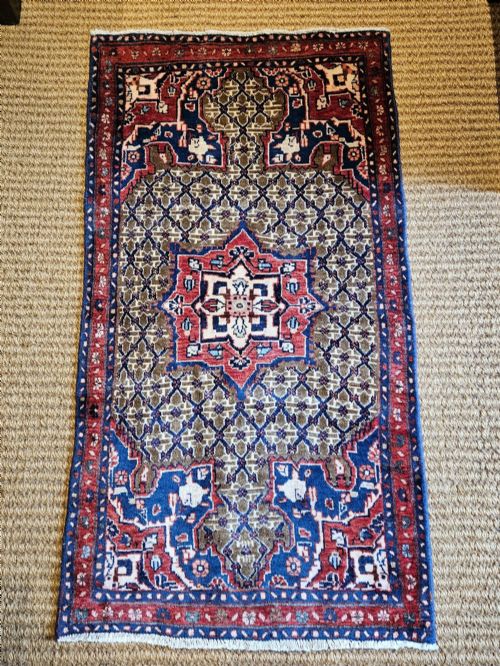
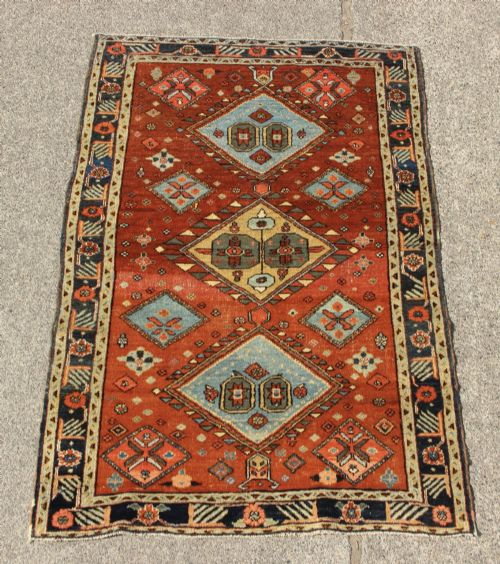
- A village designation for smaller rugs and runners produced in the same district, typically featuring repeating geometric medallions or tribal hooked motifs.
- Bakshiash
- A regional style originating nearby, known for stylized village designs and muted earth palettes that differ from the sharper geometry of standard Heriz carpets.
- Runner
- A long, narrow carpet format designed specifically for hallways and corridors, following a linear pattern repeat along the length.
Traditional Heriz Rug: Frequently Asked Questions
How do I identify a Heriz rug?
A traditional heriz rug is recognised by its prominent geometric central medallion, corner spandrels, and robust wool pile woven in north-west Persia. The designs rely on rectilinear motifs rather than curving floral vines.
Most examples date from the late nineteenth century to the 1930s, displaying a heavy foundation structure of cotton warp and weft threads.
Where were these carpets made?
These floor coverings originate from the town of Heriz and the surrounding villages in the mountainous north-west region of Persia. The local weaving communities produced rugs tailored for durability.
Nearby workshops in areas such as Karaja, Ahar, and Bakshiash contributed to the wider regional output found in the listings.
What is the difference between Heriz and Serapi?
Serapi carpets represent an earlier, finely woven subset originating from the same district, usually dated to the nineteenth century. They often feature an open, spacious field design with muted colouration.
Standard Heriz carpets tend to show denser geometric patterns and heavier structural drawing across the main carpet field.
How do I care for an old rug?
Protect the wool pile by placing a suitable underlay beneath the carpet to prevent slipping and reduce friction against hard floors. Regular gentle vacuuming without a rotating brush roll helps clear dust from the weave.
Keep the textile out of direct sunlight to prevent fading of the natural dyes, and consult a specialist for professional washing when required.