




Traditional Handmade Wool Rug
Traditional handmade wool rug pieces are woven textiles born from tribal workshops and village traditions, offering rich textures and enduring designs for the home.
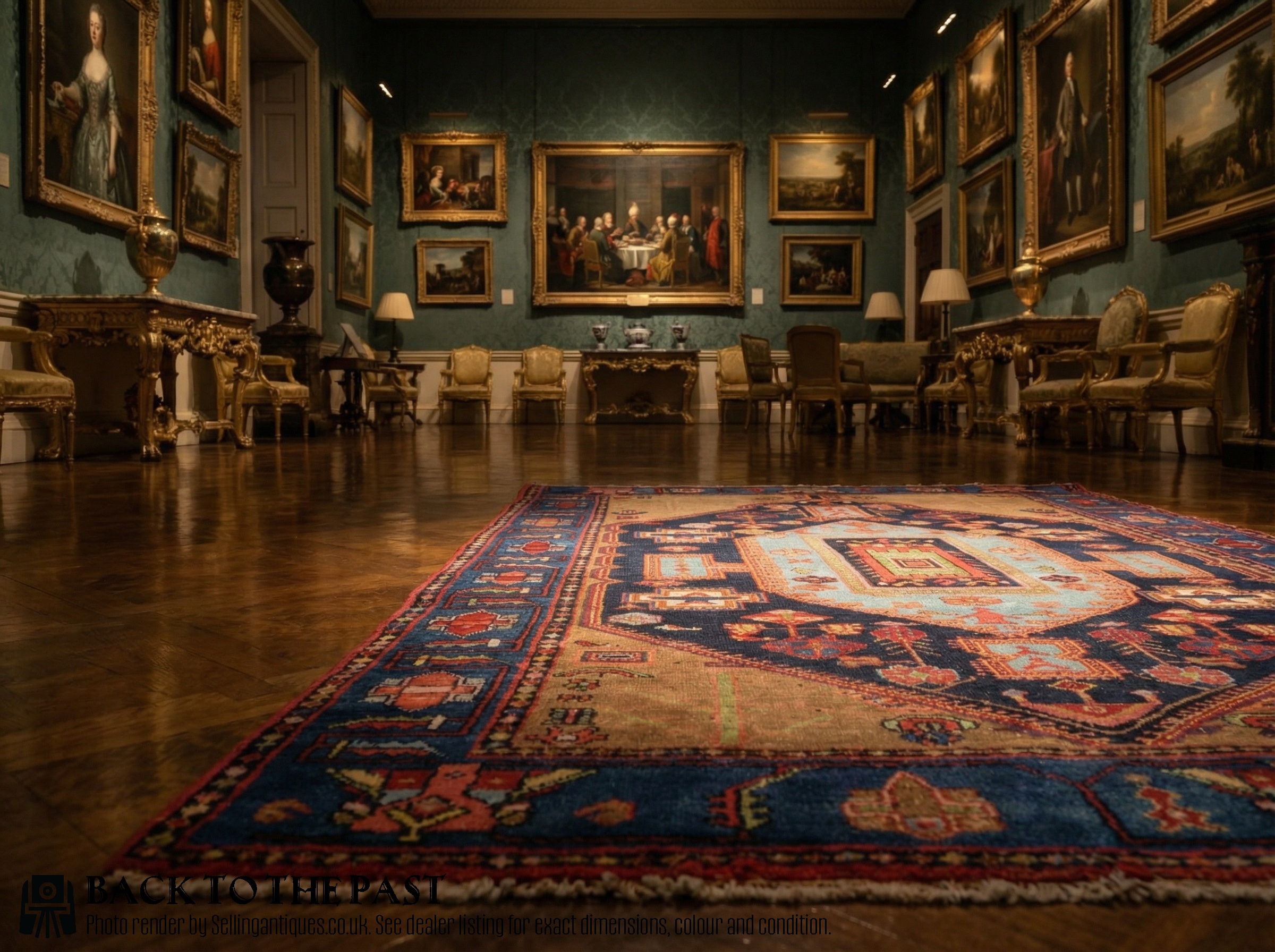
Traditional Handmade Wool Rug
When you search for a traditional handmade wool rug, you encounter woven textiles originating from tribal and village traditions across regions such as Persia, Anatolia, the Caucasus, and Central Asia. These pieces span production dates from the mid-nineteenth century through the early twentieth century, reflecting varied regional weaving practices.
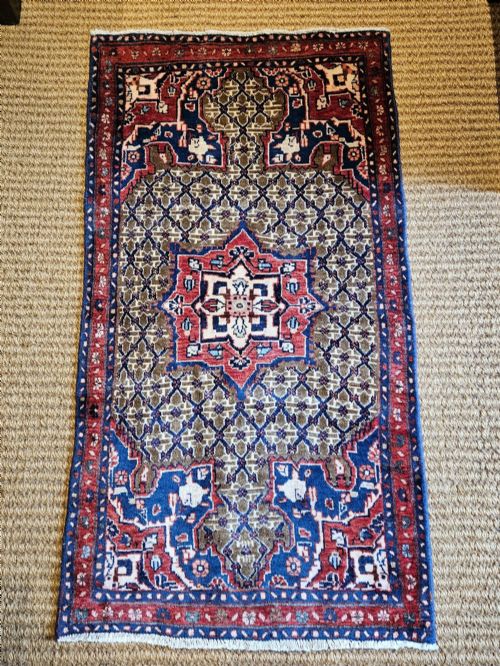
Buyers seek these textiles to introduce authentic history, complex geometric or medallion patterns, and tactile warmth into domestic interiors. Each item carries the distinct aesthetic of its producing region, whether that involves the bold motifs of a Baluch piece or the fine floral interpretations of a Kashmir chain stitch.
What varies in quality
The standard of a traditional handmade wool rug depends heavily on the fineness of the weave, the clarity of the regional design elements, and the integrity of the materials. Pieces featuring hand-spun wool and well-defined tribal motifs typically display greater artisanal skill.
Condition and the retention of original structural edges also influence the standing of an individual textile. Items preserving their early palette and authentic regional characteristics hold a distinct position compared to heavily altered or uniform later productions.
Some yurt rugs were woven in four separate strips and stitched together because the nomad's loom had to fit inside the tent.
The Traditional Handmade Wool Rug Glossary
- Kilim
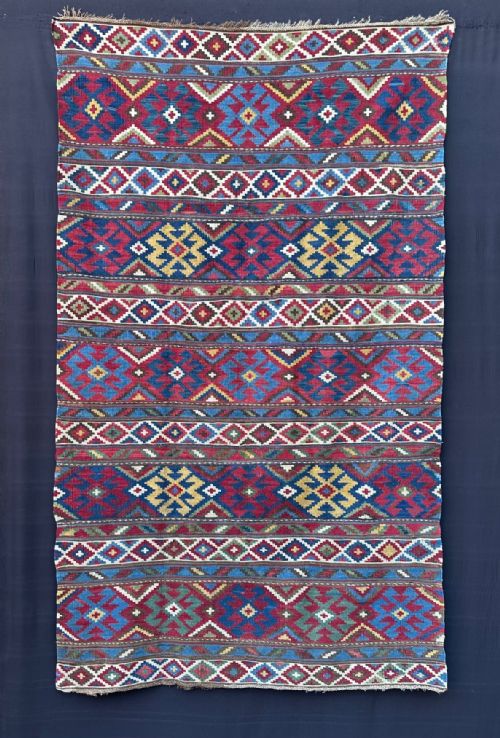
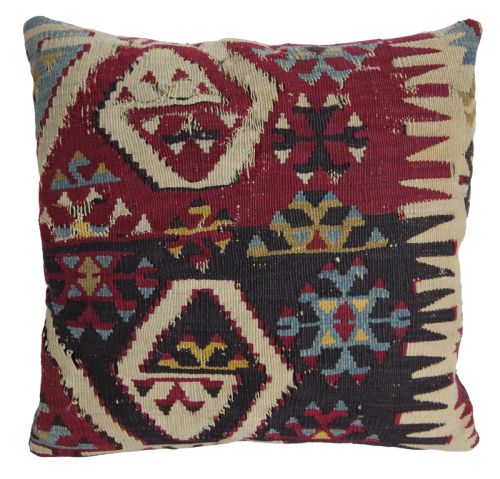
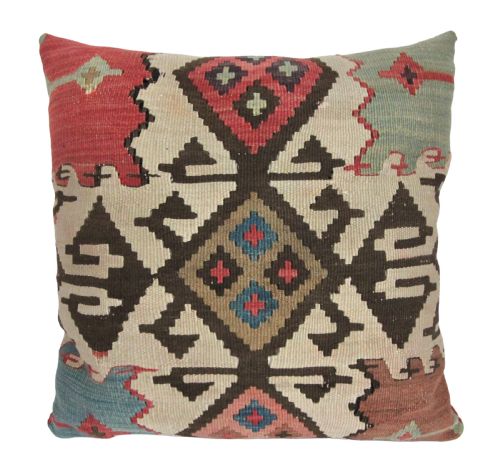
- A flat-woven textile produced without a pile, commonly utilised for rugs and decorative cushions. These pieces rely on interlocking warp and weft threads to form sharp geometric patterns.
- Gul
- A repeating octagonal medallion motif frequently found in Turkmen and Central Asian tribal weaving. Different tribes utilised specific variations of this design to signal their distinct heritage.
- Sofreh
- A specialised woven spread or cloth traditionally used for dining or food preparation in Persian households. These items often feature austere field designs flanked by tribal borders.
- Warp
- The vertical foundation threads stretched tightly on a loom before weaving begins. In many antique village rugs, these structural elements consist of cotton.
- Prayer rug
- A small format textile featuring a niche or mihrab design at one end, traditionally oriented toward Mecca during daily prayers. Turkish Milas examples represent this category.
Traditional Handmade Wool Rug: Frequently Asked Questions
How do I clean a traditional handmade wool rug?
Maintenance requires gentle vacuuming without a rotating brush roll to protect the wool pile and fringe. Professional textile cleaners experienced with antique handmade carpets should handle any deeper washing.
Harsh chemical detergents or excessive water immersion can damage natural dyes and weaken hand-spun wool fibres. Regular rotation helps ensure even wear across the surface over time.
Can I use these rugs on heated floors?
Natural materials like wool and cotton tolerate moderate ambient warmth quite well. Breathable underlays prevent heat buildup and reduce friction between the rug and the floor.
Avoid heavy synthetic rubber backings that trap heat and moisture. Allowing air circulation preserves the integrity of the antique foundation threads.
How do I identify a tribal rug?
Tribal rugs display asymmetric geometric patterns, spontaneous colour shifts, and symbols tied to specific regional groups rather than urban workshop precision. Nomadic weavers relied on memory and local traditions rather than printed cartoons.
Materials also offer clues, as many tribal pieces incorporate hand-spun wool and coarse foundations. Examining the structure helps link an item to regions like the Caucasus or Baluchistan.