






Traditional Hallway Runner
A traditional hallway runner brings grounded pattern and enduring wool warmth to narrow floors.
Traditional Hallway Runner
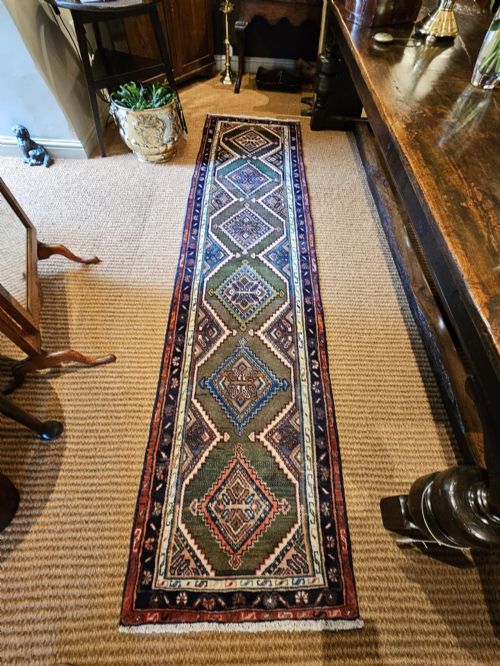
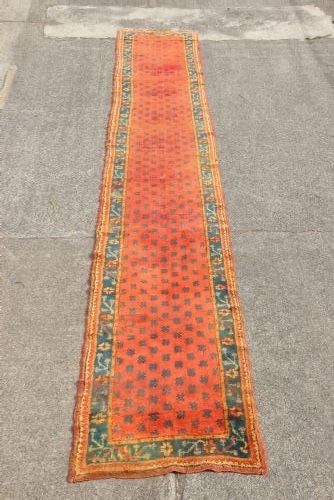
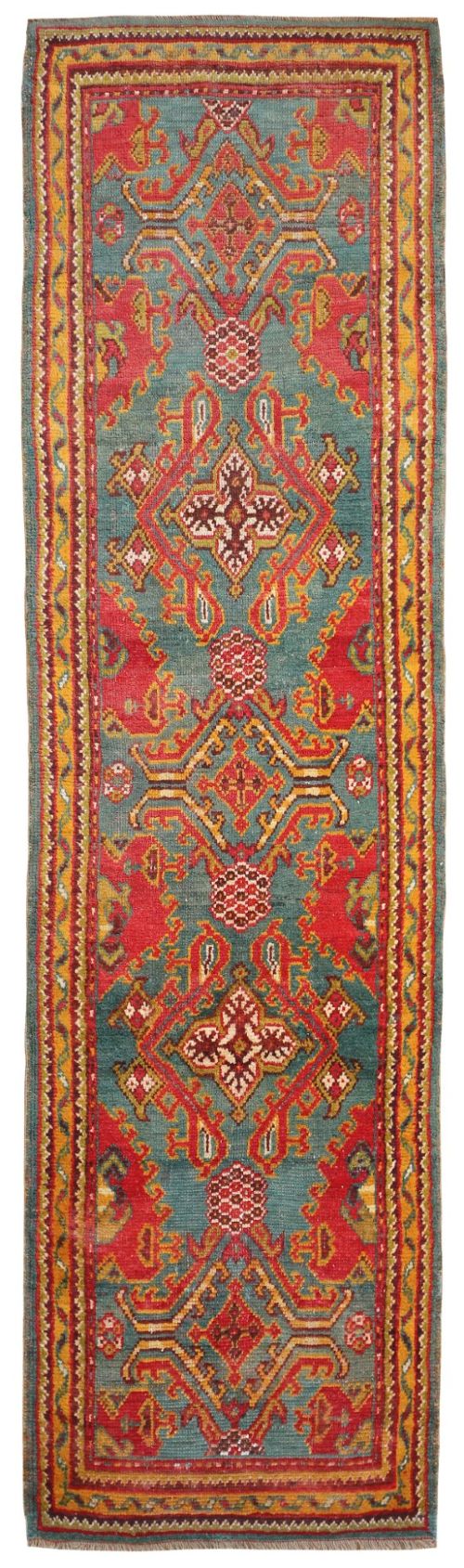
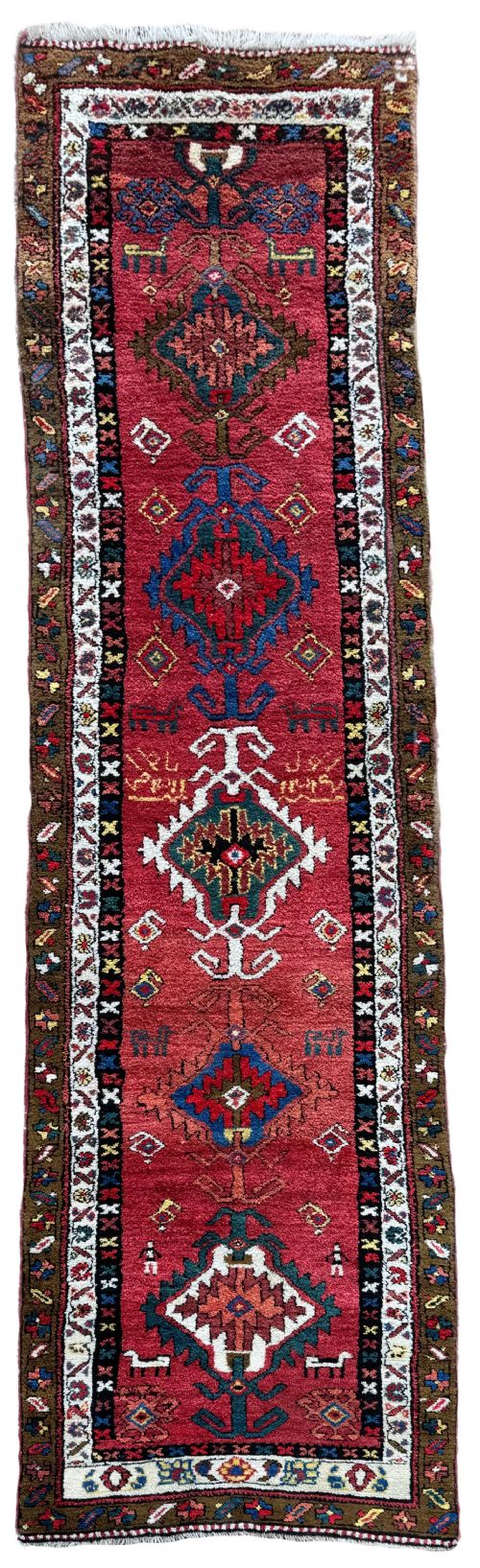
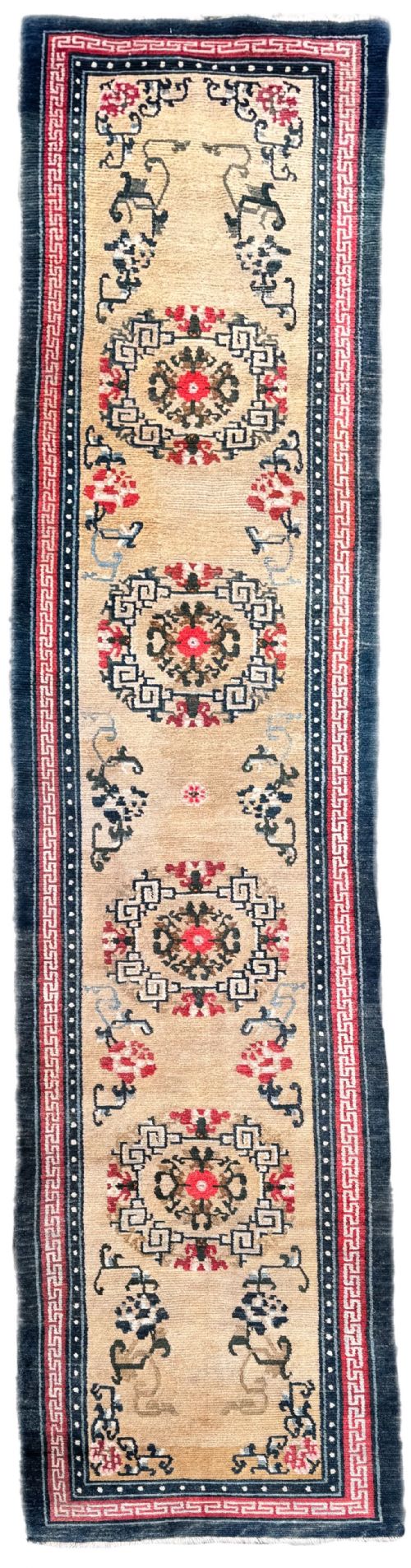
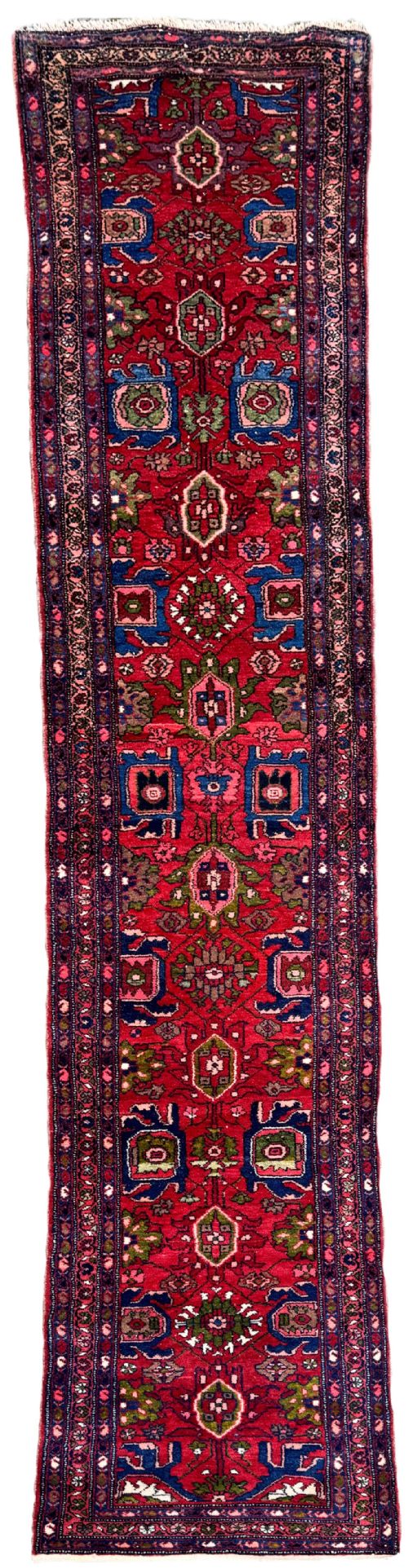
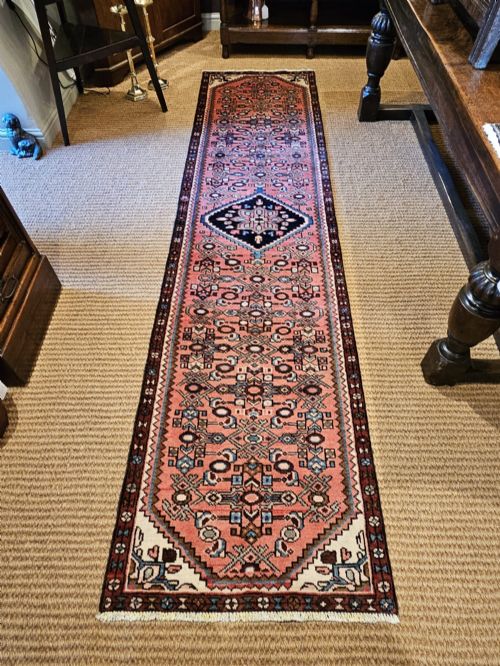
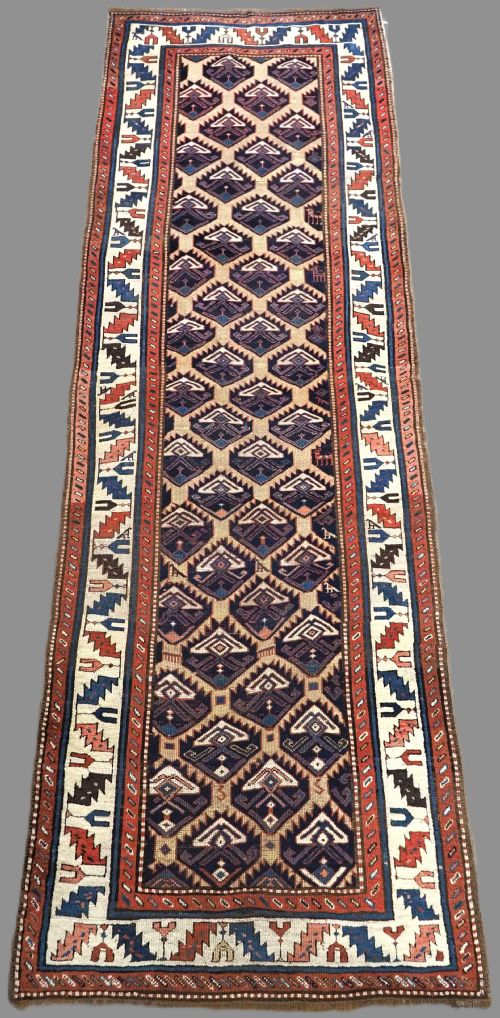
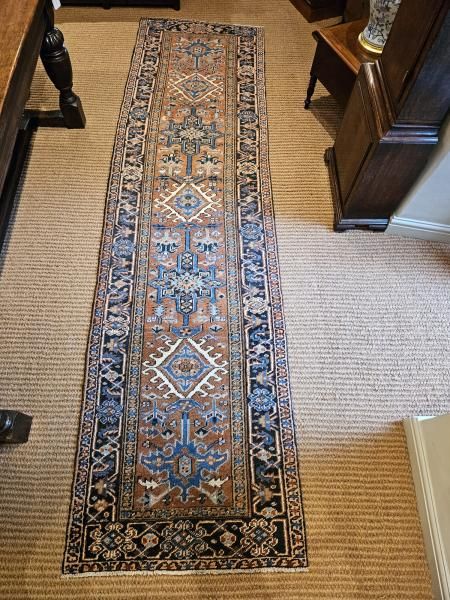
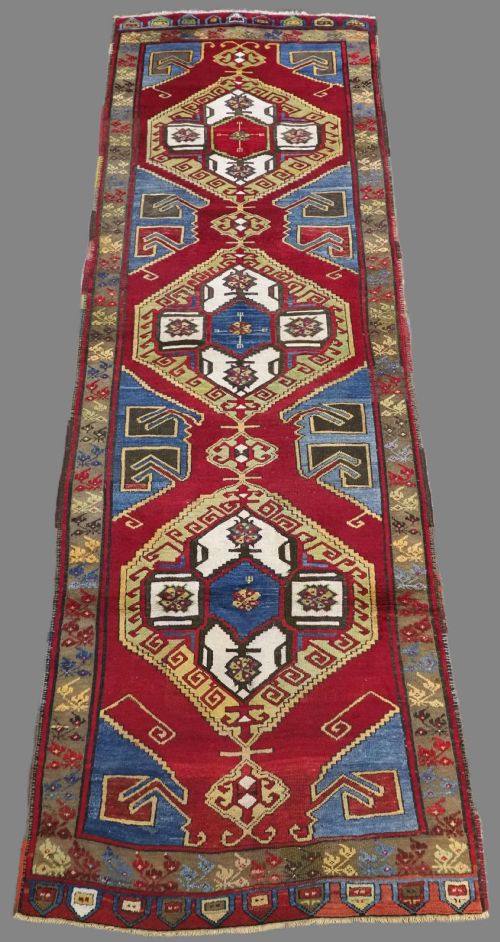
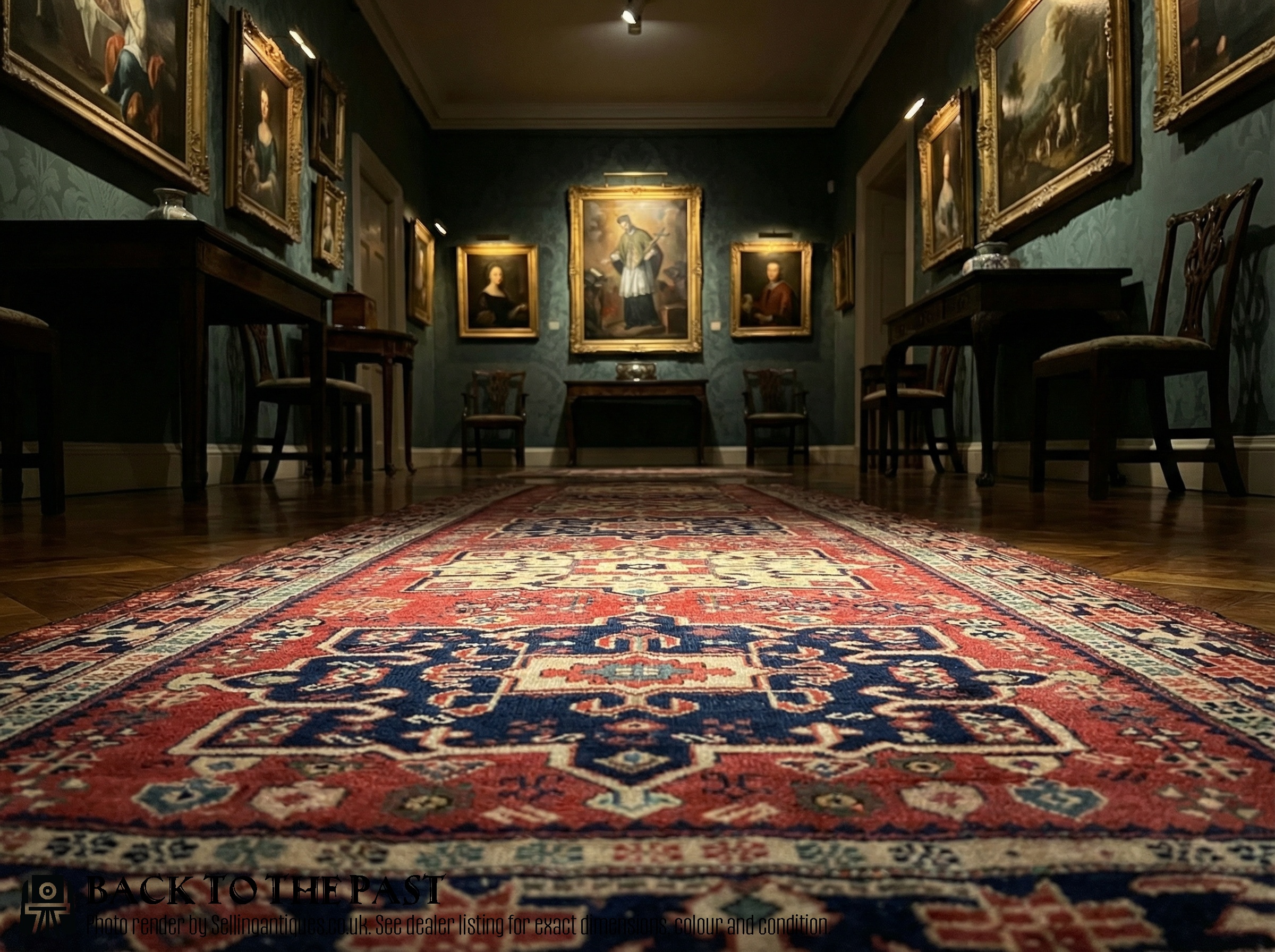
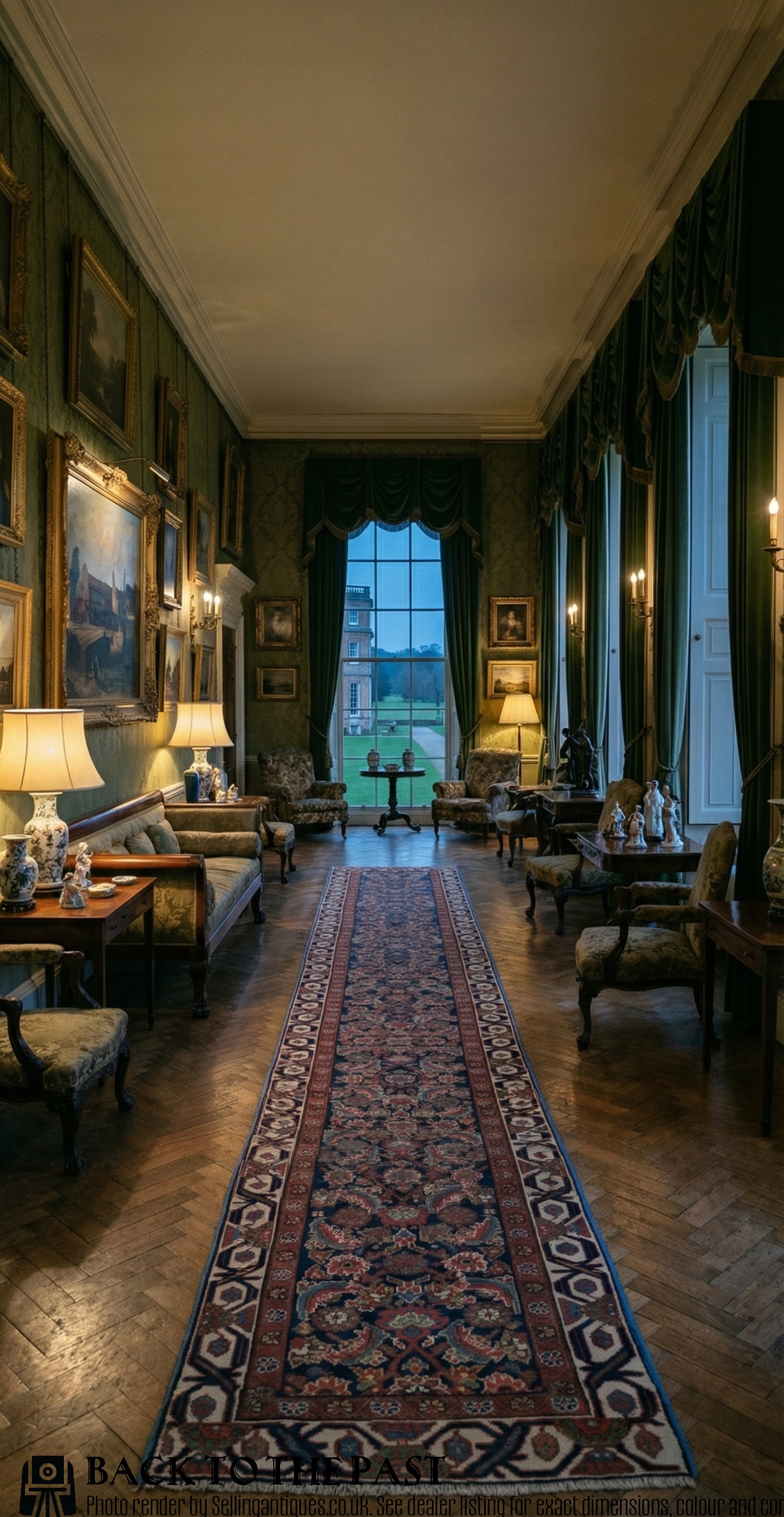
A traditional hallway runner is an elongated textile designed to fit narrow passages, landings and corridors. When you search for this phrase, you encounter long, narrow carpets originating from weaving traditions across Persia, the Caucasus and Anatolia, dating from the nineteenth century through the early twentieth century. These pieces balance functional floor protection with complex geometric or floral compositions.
The pieces on this page span several specific regional styles, including Kurdish, Heriz, Ushak, Kazak and Shirvan village and tribal rugs. They appear in varying lengths, from compact corridor lengths to remarkably long formats intended for substantial country house halls. The palette relies on saturated natural dyes that mellow gracefully over decades of use.
How they were made
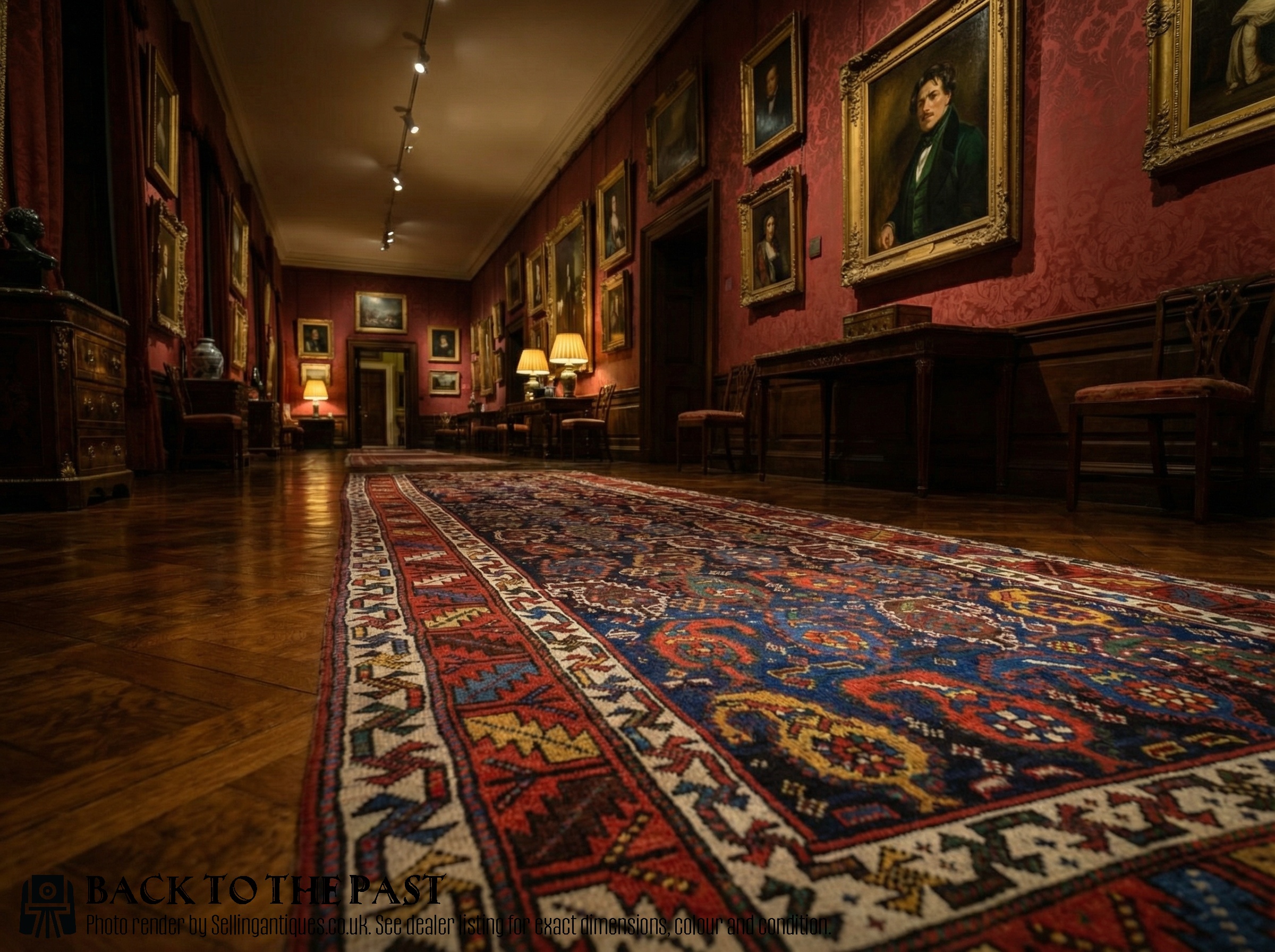
These floor coverings rely on a foundation of spun cotton or wool warps and wefts, hand-knotted with durable wool piles. Weavers utilised natural dye sources to achieve deep indigos, madder reds and earthy olive greens that hold their depth over generations.
The structures are entirely handwoven on vertical or horizontal looms, resulting in distinctive irregularities that reflect individual maker execution. Selvedges and fringe finishes are executed by hand, completing structures built to withstand heavy foot traffic in domestic corridors.
Traditional Hallway Runner Retail Price Guide 2026
Typical asking prices for traditional hallway runner among the pieces listed under this phrase on Sellingantiques today, from the lower quarter to the upper quarter. They describe what is for sale here now, not the wider market.
Several examples show delightfully crooked weaving lines where the village maker let the corridor drift slightly off-centre.
What varies in quality
Quality in these long carpets rests upon knot density, handle and the crispness of the drawn motif. Finer examples display precise geometric rhythm and well-balanced proportions along extended lengths, whereas simpler village pieces show charming asymmetry and bolder, larger-scale tribal motifs.
The condition of the wool pile and the integrity of the foundation determine durability and long-term viability. Even wear across the surface indicates balanced use, while original uncompromised wool gives the textile its characteristic resilient handle.
The Traditional Hallway Runner Glossary
- Runner
- A long, narrow carpet format specifically proportioned for corridors, hallways and stairs.
- Pile
- The vertical tufts of wool that form the usable surface of the woven textile.
- Warp
- The longitudinal threads stretched tightly on the loom that carry the structural weight of the piece.
- Weft
- The horizontal threads passed across the warps to bind the knots in place.
- Natural dye
- Colourants derived from plant, insect or mineral sources rather than synthetic chemical compounds.
Traditional Hallway Runner: Frequently Asked Questions
How do I choose the right length?
Measure your corridor carefully, leaving a consistent margin of exposed wooden flooring or stone around the perimeter of the textile. Long runners serve grand landings and extensive hallways, while shorter formats suit compact entrance passages.
Consider door clearances at both ends of the hall to ensure the thickness of the wool pile allows doors to open freely without catching the edge.
Are these suitable for heavy foot traffic?
Hand-knotted wool textiles on cotton or wool foundations were originally built for daily domestic use in busy homes. Their dense construction absorbs heavy footsteps while protecting underlying floorboards.
Place a suitable rug underlay beneath the piece to prevent slipping and reduce friction between the backing and the floor.
How do I care for an antique runner?
Vacuum the surface gently using suction only, avoiding rotating brush attachments that can pull at the wool pile. Clean spills promptly with a dry cloth without rubbing the fibres.
Rotate the textile periodically to ensure even wear across the length when exposed to directional sunlight or concentrated foot traffic.
How can I tell different regional styles apart?
Regional types are distinguished by their specific colour palettes, knotting structures and recurring motifs. Caucasian designs tend towards sharp geometry and strong primary colours, while Persian village pieces often incorporate flowing florals and medallion layouts.
Anatolian examples frequently showcase bold tribal field patterns executed in rich madder reds and deep blues.