



Traditional Hallway Coat Stand
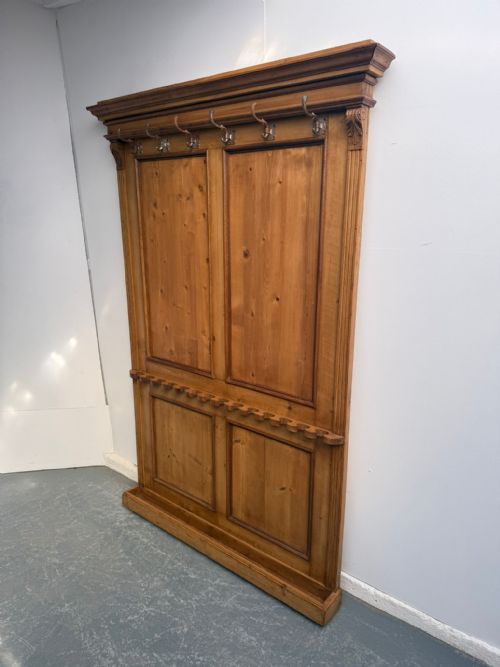
A traditional hallway coat stand anchors an entrance hall with functional timber framing and forged hooks for daily outerwear.
Traditional Hallway Coat Stand
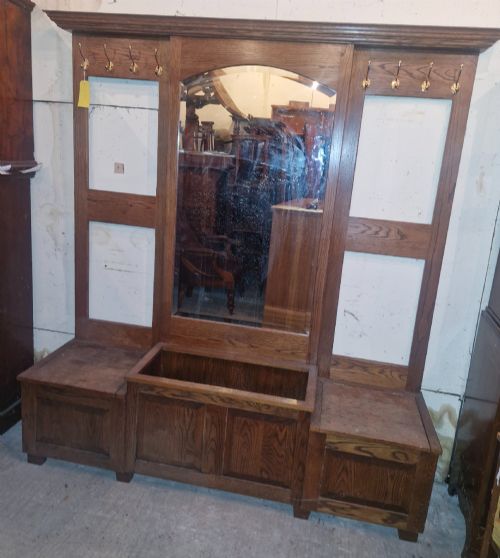
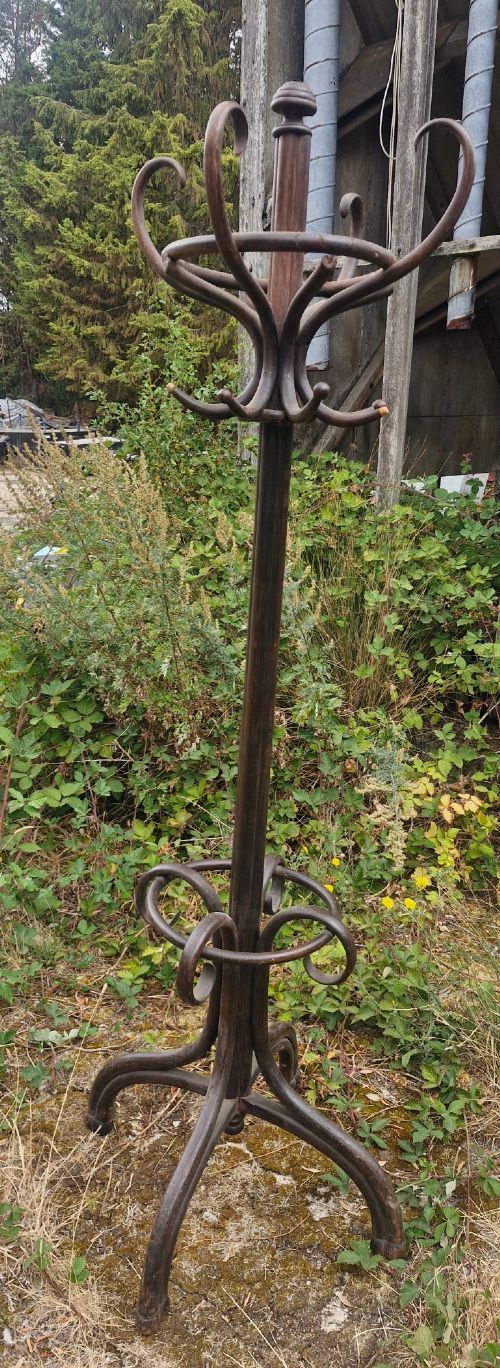
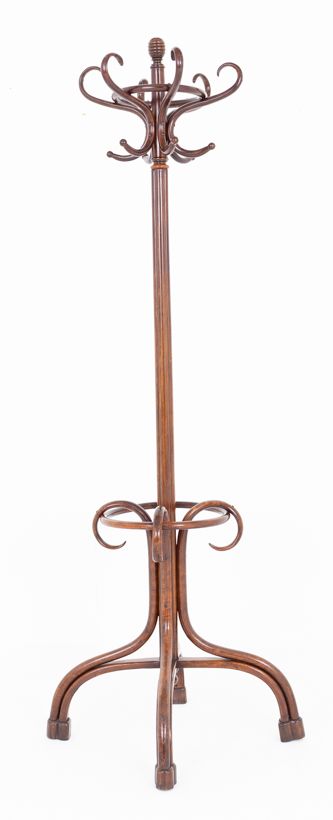
A traditional hallway coat stand serves as a practical entryway furnishing designed to hold hats, coats, and walking sticks in domestic spaces. When you search for a traditional hallway coat stand, you encounter pieces that range from upright bentwood poles to substantial timber hall seats.
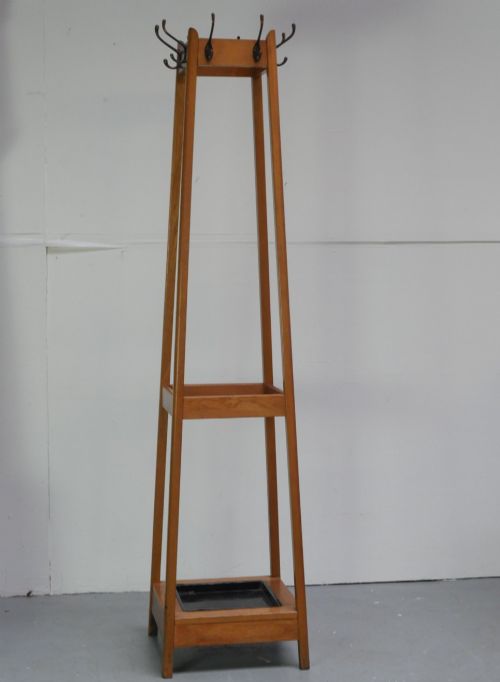
The selections span the Victorian and Edwardian eras, extending through the Arts and Crafts movement into the early twentieth century. Forms include simple coat racks and umbrella stands alongside multi-functional hall seat combinations.
How they were made
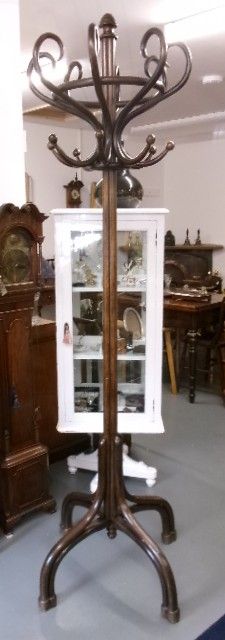
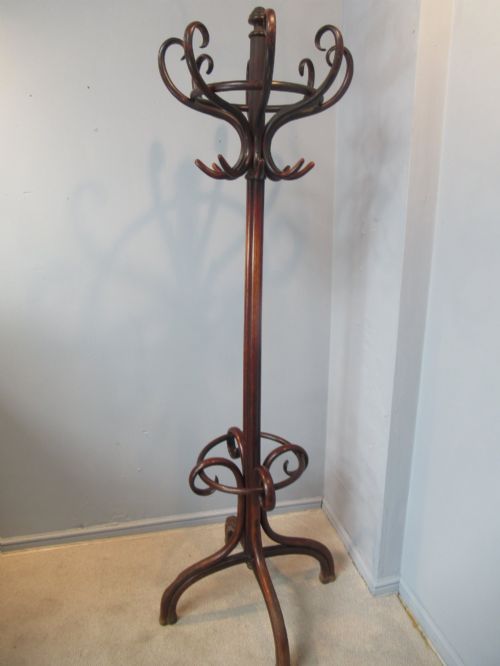
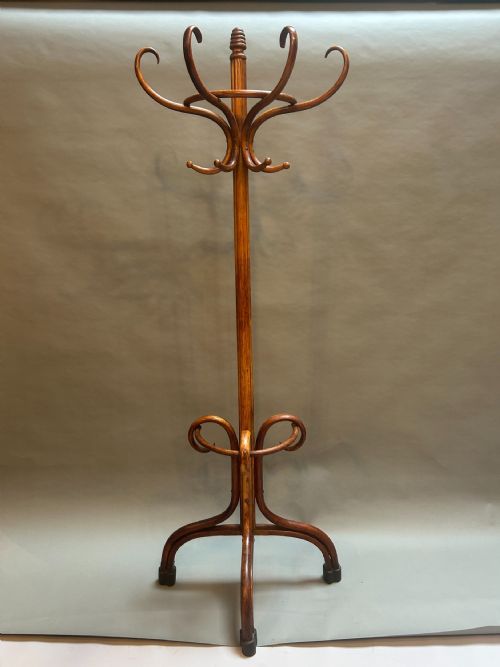
Maker workshops utilised steam-bent beech and beechwood to create the curving profiles characteristic of Austrian bentwood and Thonet style stands. Solid oak, walnut, pine, and mahogany formed the sturdy upright posts and backboards of Victorian and Edwardian examples.
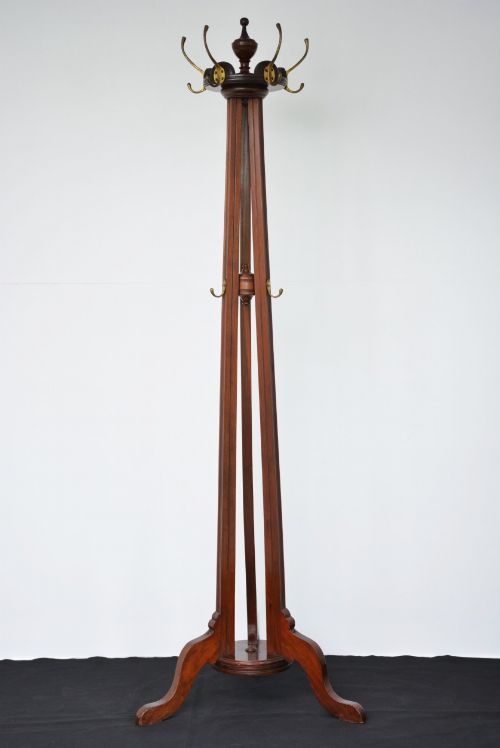
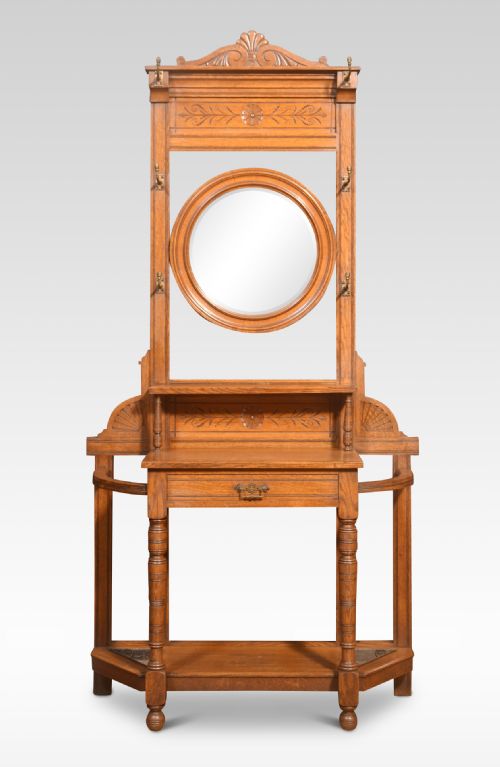
Metal components such as brass and iron provided durable hooks and fitted drip trays for umbrellas. Joinery methods combined turned wooden spindles, metal hardware, and integrated glass or mirror panels within the larger hall stand structures.
Many Edwardian halls secretly harboured tiny zinc drip pans to catch the British drizzle.
What varies in quality
Quality rests upon the structural integrity of the timber and the strength of the steam-bent framing. Robust oak and heavy bentwood poles maintain their vertical balance better than lighter constructions over decades of daily weight.
The integration of brass or iron hardware and the presence of original drip pans distinguish standard utility pieces from finer examples. Maker attribution, such as work by Jas. Shoolbred, marks the upper tier of design execution.
Jas. Shoolbred
The Traditional Hallway Coat Stand Glossary
- Bentwood
- Wood shaped by exposure to steam and pressure into rounded forms. This technique created the iconic umbrella and coat stands of the late nineteenth and early twentieth centuries.
- Hall Stand
- A composite hallway furnishing that typically combines coat hooks, a mirror, and a lower umbrella stand with a drip tray. Many Victorian examples also incorporated a bench seat.
- Demi Lune
- A half-moon or semicircular shape. This profile allowed specific hatstands to sit flush against hallway walls while saving valuable floor space.
- Arts and Crafts
- A design movement prioritising traditional craftsmanship and visible construction. Pieces from this era often feature solid walnut or oak with honest, unpretentious joinery.
Traditional Hallway Coat Stand: Frequently Asked Questions
How do I choose the right size?
Measure your hallway floor space and ceiling clearance before selecting a stand. Upright bentwood poles require minimal floor area, whereas combination hall seats need wider clearance.
Consider the volume of coats and umbrellas your household uses daily. Slim hatstands suit narrow corridors, while multi-functional stands fit larger entrance spaces.
Are these stands sturdy enough for heavy coats?
Most solid oak, mahogany, and heavy bentwood stands were built to support thick woollen outerwear and damp winter coats. Their weighted bases or broad footprints provide inherent stability.
Position the stand on an even floor surface to prevent tipping when heavy items hang from one side. Distributing weight evenly across the hooks maintains balance.
How do I care for antique wood and bentwood?
Dust the timber regularly with a soft, dry cloth to prevent dirt accumulation. Apply a quality beeswax periodically to nourish the wood grain and protect the finish.
Keep wooden stands away from direct heat sources and damp exterior doorways. Sudden temperature changes can dry out bentwood or split solid panels.
How can I tell a Victorian stand from an Edwardian one?
Victorian pieces often display darker, heavier timber with ornate carved details and integrated mirror panels. They frequently incorporate umbrella wells with metal drip trays.
Edwardian and later Arts and Crafts examples lean towards lighter oak, simpler geometric lines, and exposed structural joinery. Bentwood designs from the early twentieth century emphasise flowing, steam-bent curves.