
Traditional Hall Light
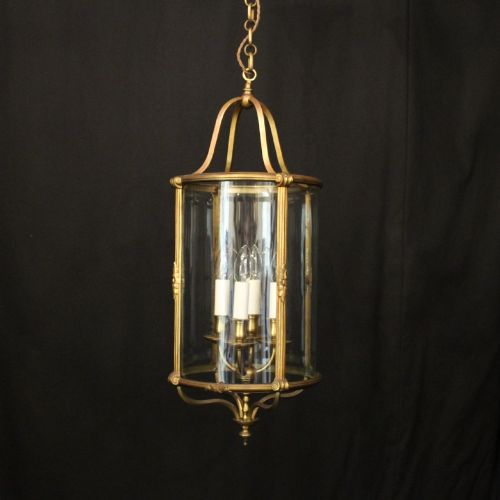
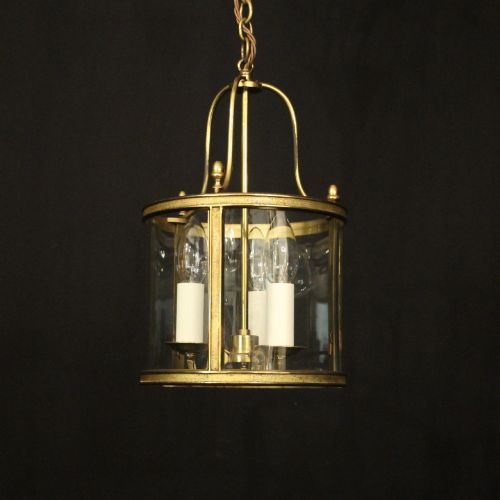
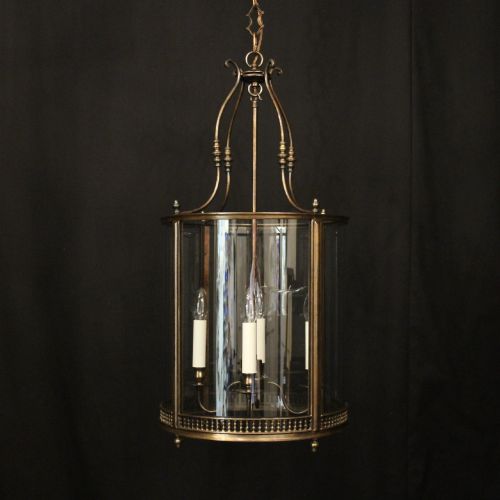
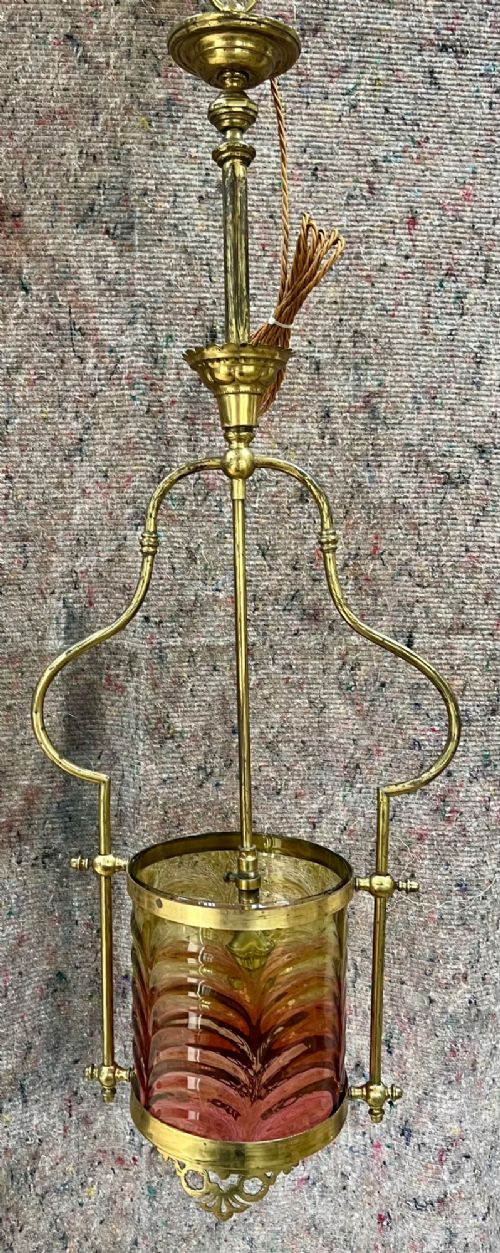
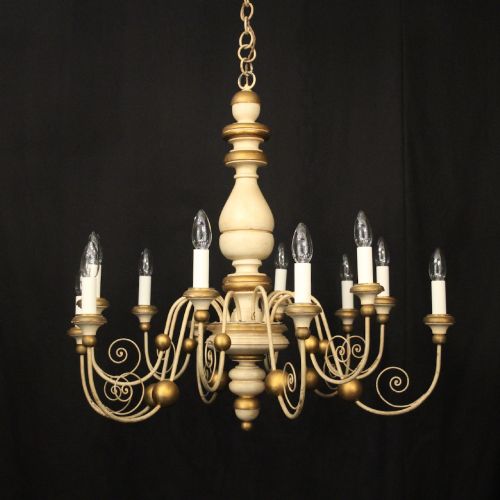
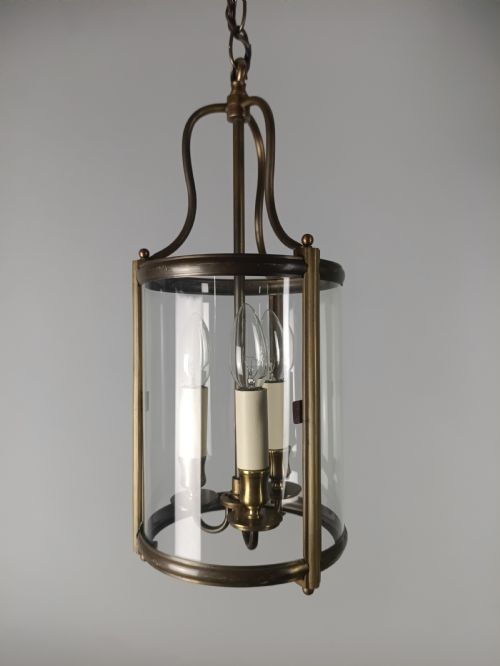
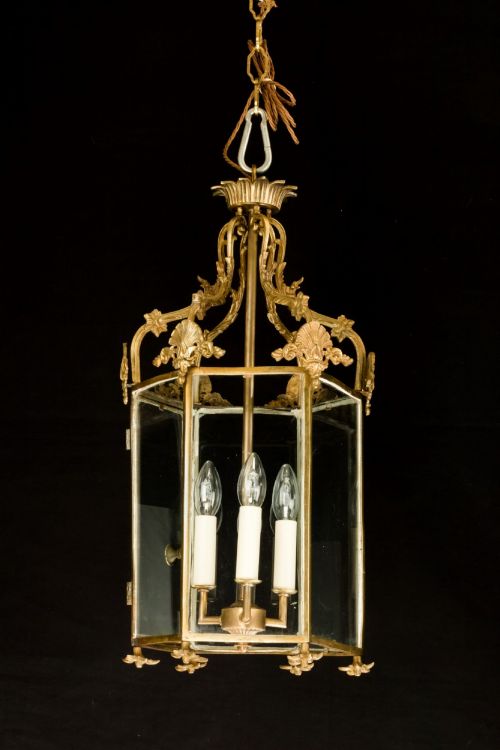
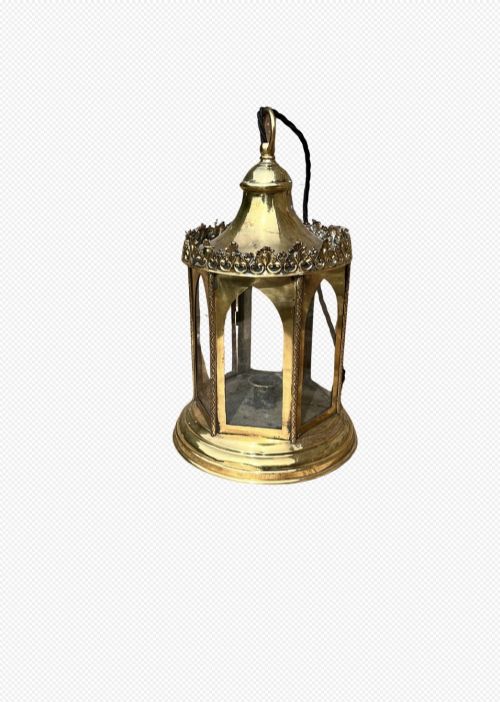
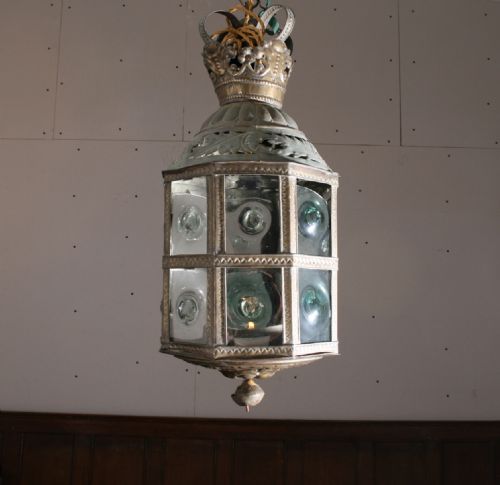
A traditional hall light greets visitors at the threshold, casting a welcoming glow from glass and metal frames.
Traditional Hall Light
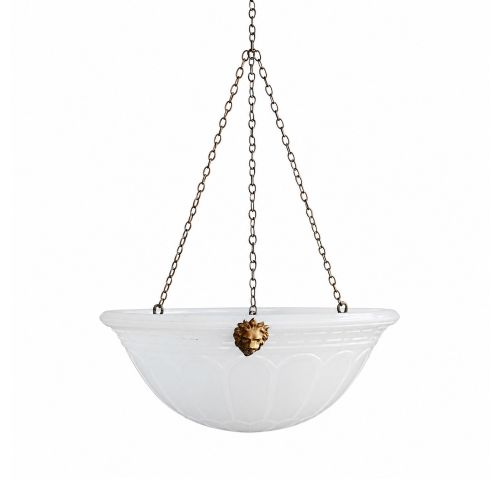
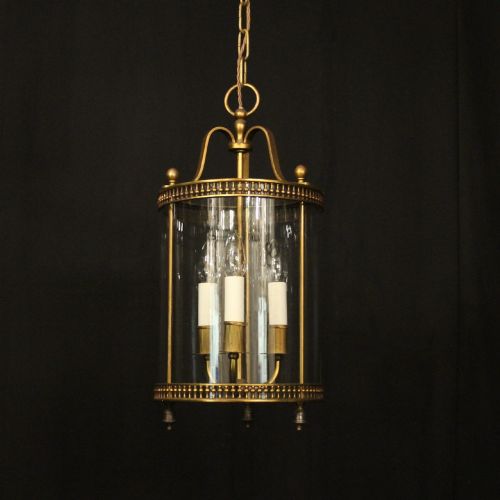
A traditional hall light provides the initial illumination for an entranceway, setting the tone for the interior spaces beyond. When you search for a traditional hall light, you encounter hanging lanterns, pendant fixtures, and chandeliers designed specifically for passage spaces.
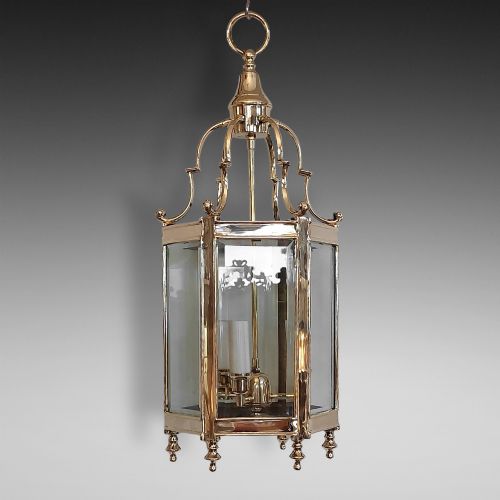
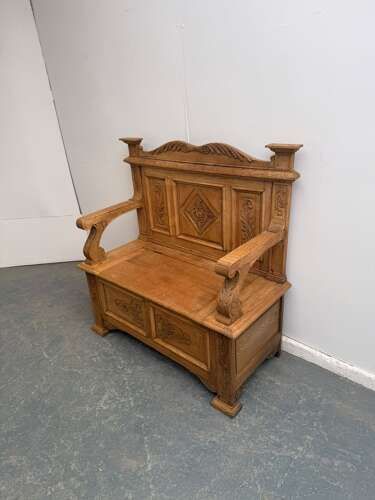
The selections here span from the nineteenth century through the Edwardian era and into the early twentieth century. Hexagonal brass lanterns and convex glass designs dominate the offerings, alongside occasional oak settles and consoles that complete the hallway scheme.
Materials and Construction
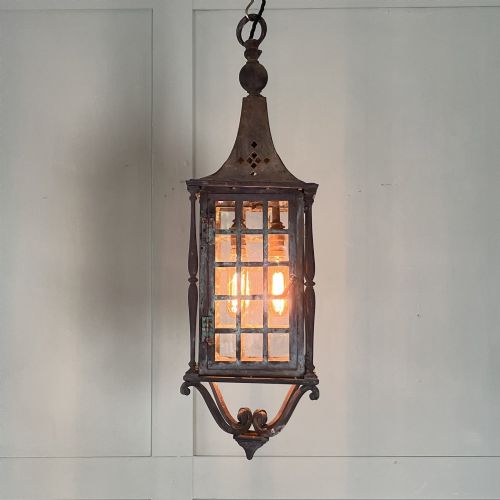
Metalwork forms the structural backbone of these fixtures, utilising brass, bronze, gilt brass, and wrought iron. Artisans shaped these metals into rigid frames designed to support panes of glass safely from overhead mounts.
Glazing techniques include hand-blown bulls eye glass, moonstone panes, and bevelled glass panels secured within the metal framework. Craftsmen integrated multiple light fittings inside these enclosures, ranging from single bulbs to multi-light configurations.
Judging Quality and Execution
The weight of the metal framework and the thickness of the cast components distinguish superior pieces from lighter alternatives. Heavier brass and bronze structures hold their geometry better over decades of hanging.
Glass selection significantly impacts the character of the piece, particularly when utilising hand-blown or bevelled panes rather than simple sheet glass. The crispness of the chased detail on gilt bronze or brass mounts further separates standard production from finer examples.
The Traditional Hall Light Glossary
- Hexagonal lantern
- A hanging light fixture featuring six distinct glass-panelled sides arranged around a central vertical axis.
- Convex glass
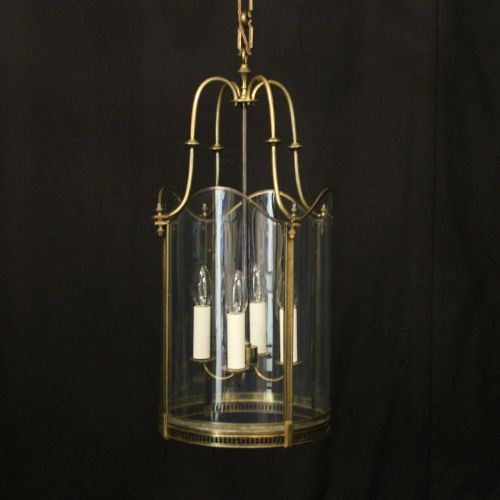
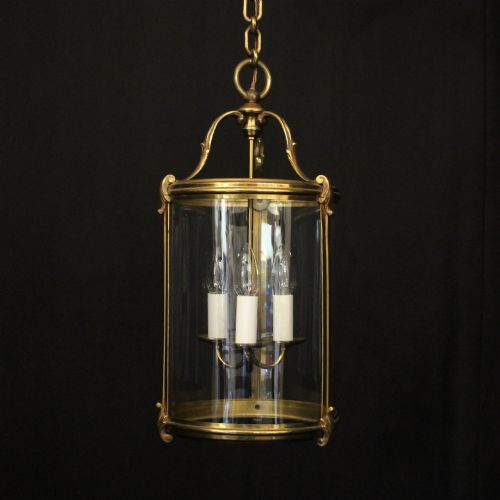
- Curved glass panels that project outward, designed to distribute light more widely across an entrance space.
- Bevelled glass
- Glass panes finished with an angled edge ground around the perimeter, catching and refracting light.
- Gilt brass
- Brass treated with a thin layer of gold leaf or gilt finish to impart a rich, reflective golden surface.
- Moonstone light
- A lighting fixture utilising opalescent glass that diffuses the internal bulb glow into a soft, milky radiance.
Traditional Hall Light: Frequently Asked Questions
How do I choose the right size hall light?
Consider the vertical clearance of your hallway and the square footage of the entrance space. A fixture must hang high enough to clear foot traffic while remaining proportional to the ceiling height.
Larger vestibules accommodate multi-light bronze or brass lanterns, whereas compact passages require simpler single-bulb pendant configurations.
Are these lights wired for modern electricity?
Many period fixtures have been electrified during their long histories to accept standard modern bulbs. You should check the internal wiring status of any specific lantern before installation.
Some pieces retain older electrical components that require professional rewiring to meet current safety standards.
How do I clean antique brass and glass?
Dust the metal framework regularly with a soft, dry cloth to prevent the accumulation of grime on intricate surfaces. Avoid harsh chemical cleaners that strip patinated finishes from brass and bronze.
Glass panels can be removed or wiped gently with standard glass cleaner applied to a cloth rather than sprayed directly onto the frame.