

Traditional Glass Pendant
Traditional glass pendant lights bring period illumination to interiors through brass, crystal and bronze fixtures.
Traditional Glass Pendant
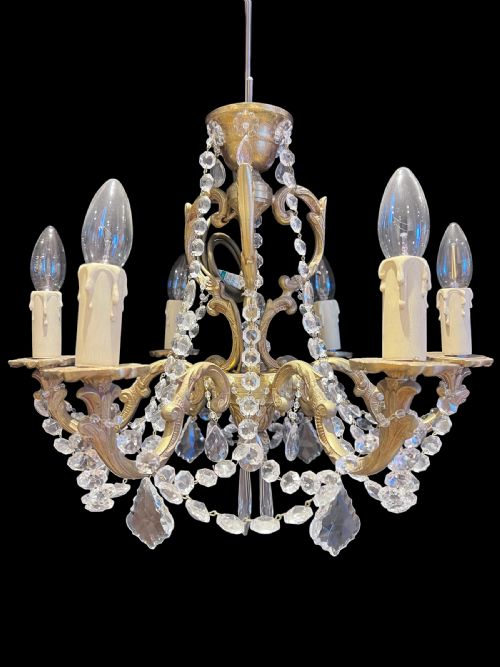
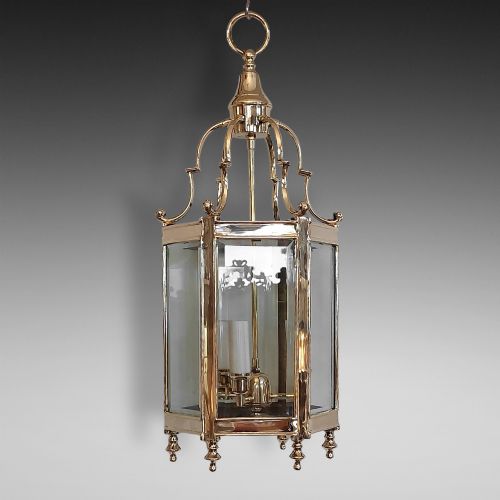
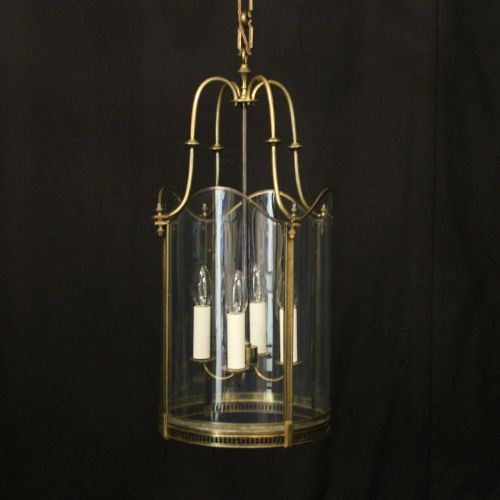
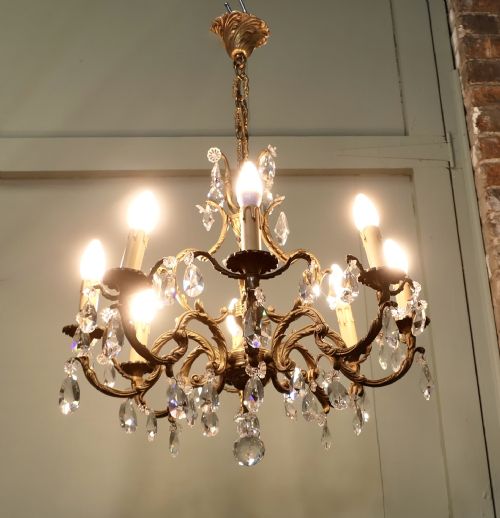
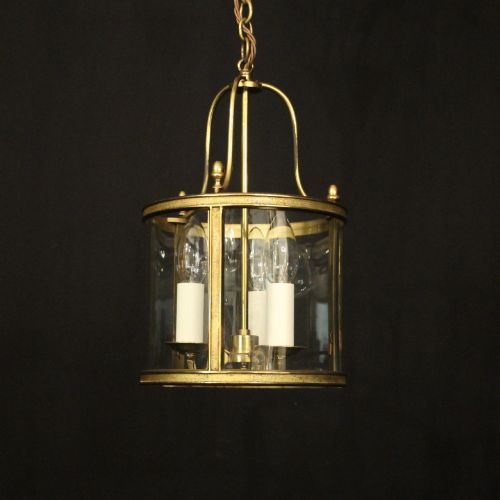
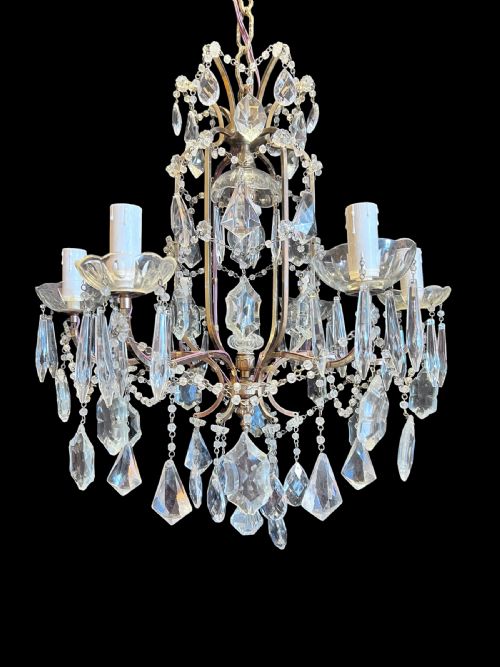
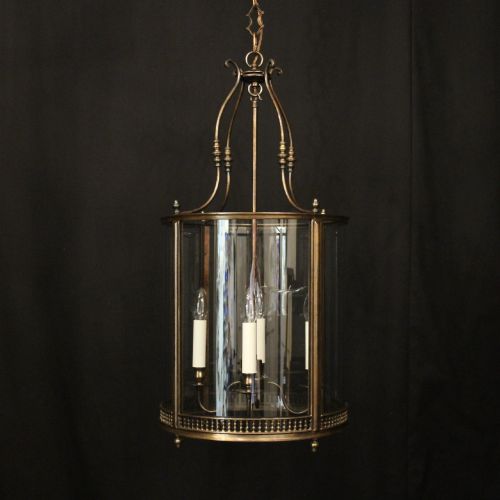
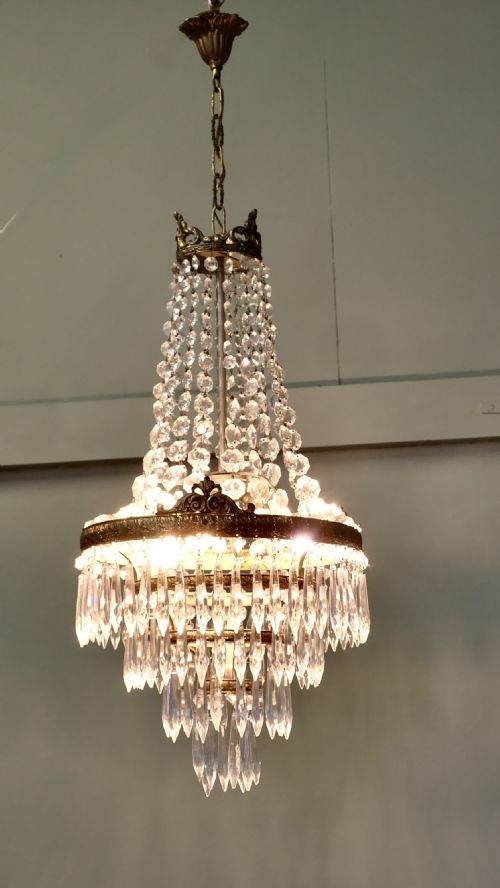
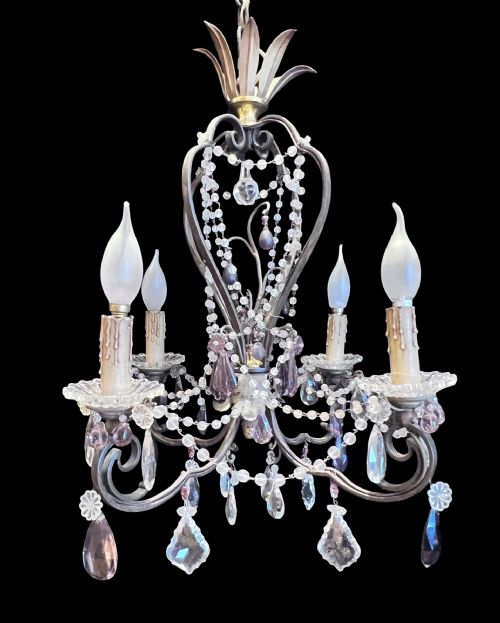
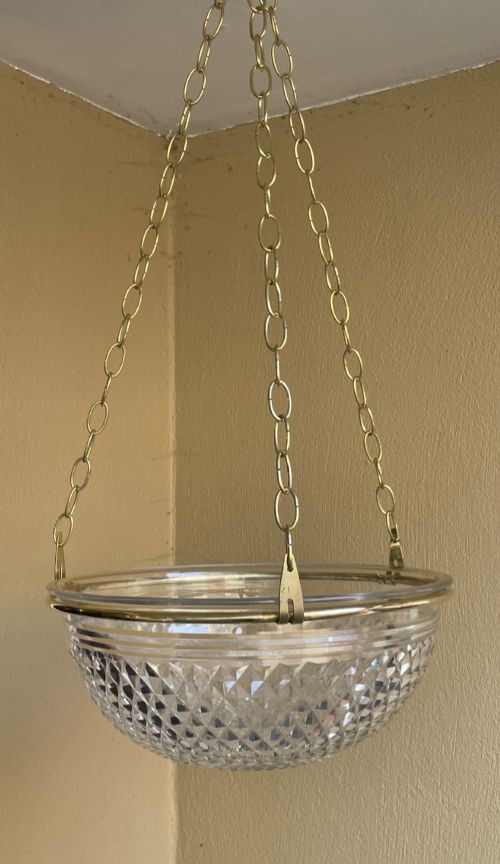
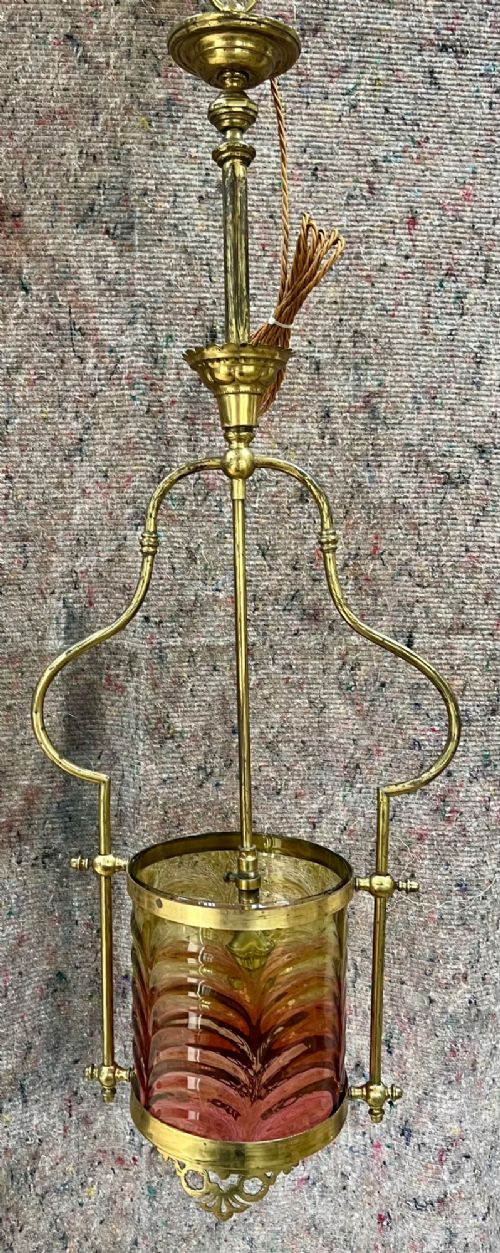
A traditional glass pendant encompasses hanging ceiling lights, hall lanterns, and multi-light chandeliers from the nineteenth and early twentieth centuries. These pieces illuminate hallways and principal rooms with distinct historical character.
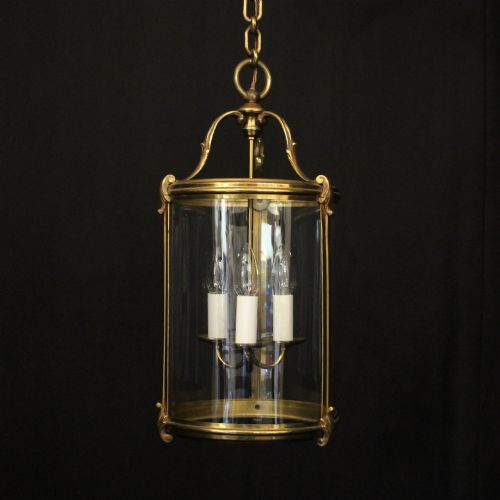
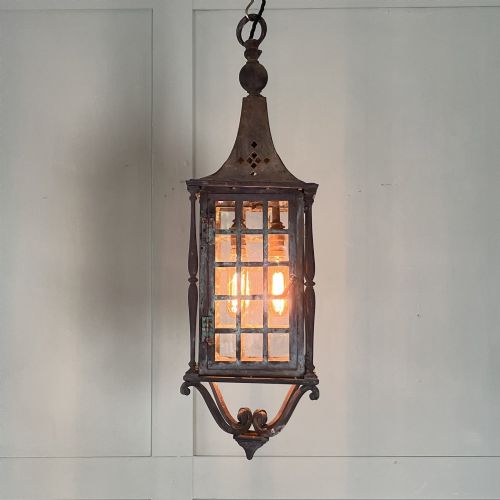
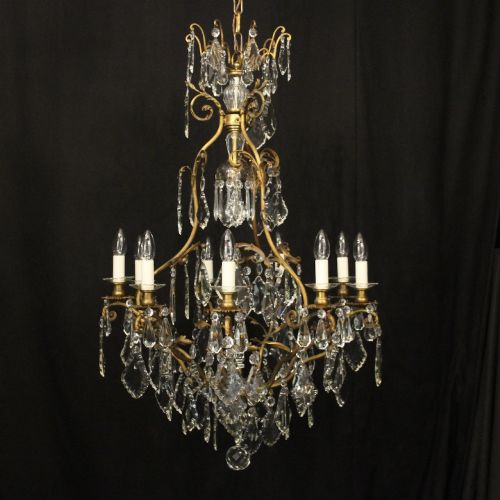
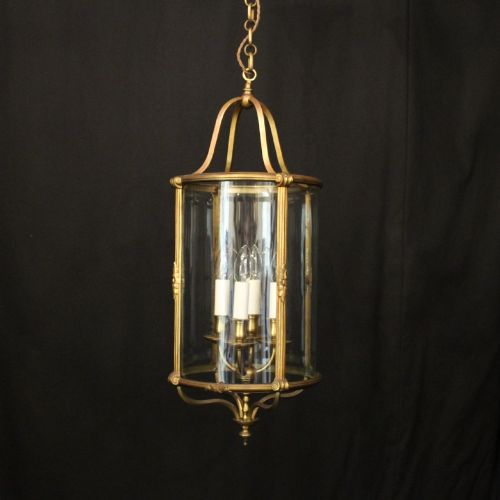
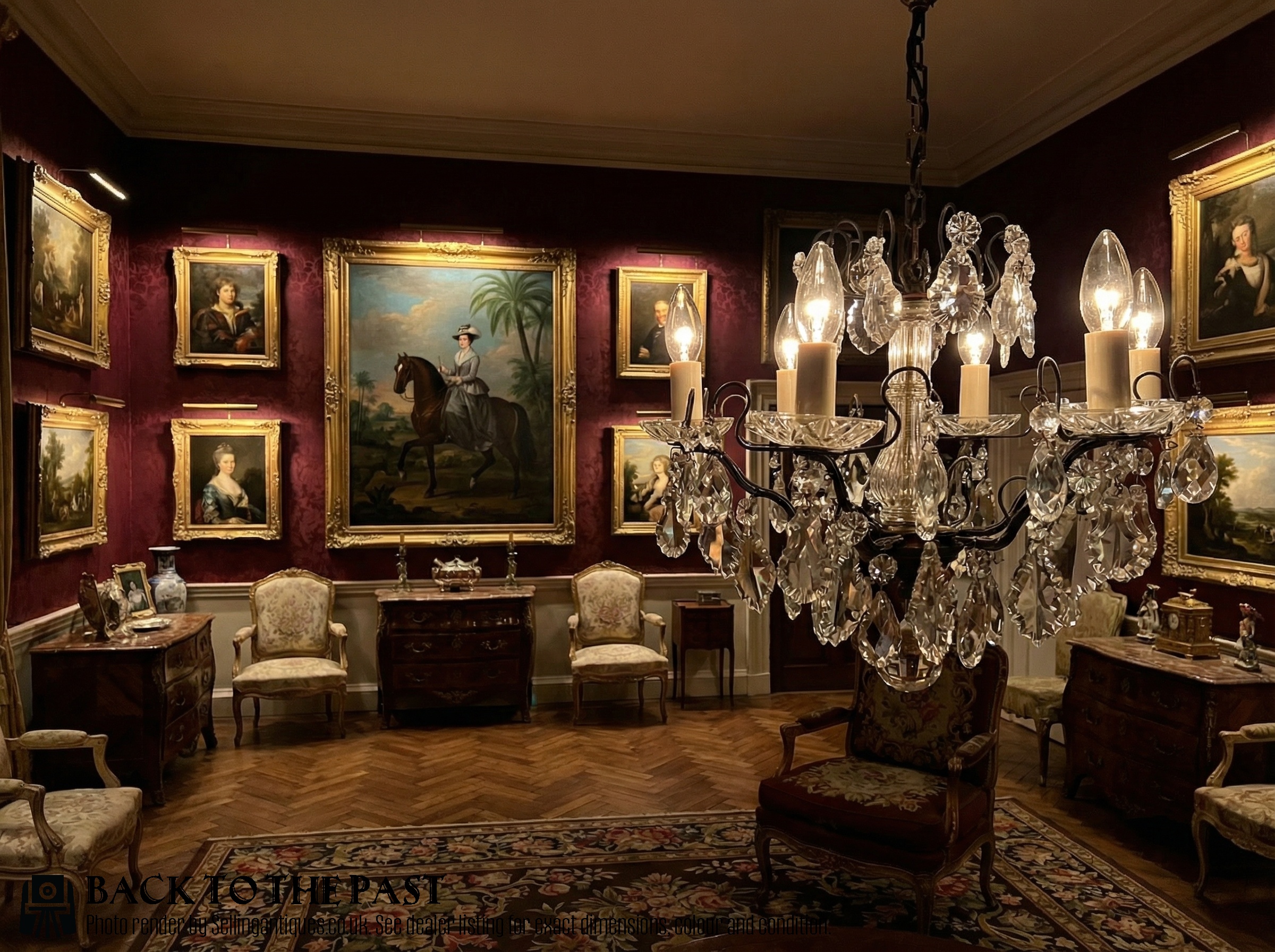
The selection on this page leans heavily toward French gilded bronze chandeliers and English or French brass hall lanterns. Buyers encounter forms ranging from single-light convex lanterns to large multi-arm crystal fixtures.
Origins trace across English, French, Italian, and Swedish workshops utilising brass, gilt bronze, and cut glass. The aesthetic draws on Edwardian, Victorian, French Empire, and Arts and Crafts design idioms.
Materials and construction
Metalwork relies on cast and spun brass, gilt bronze, and silver gilded brass to form the structural frames and lanterns. These metal elements support intricate glass drops, crystal lustres, and hand-blown bullseye or moonstone panes.
Assembly combines mechanical fixings with hand-cut crystal components wired for suspension. Individual glass pieces hang from metal armatures using wire loops or pins, creating reflective multi-light arrays.
Certain early twentieth-century English lights incorporate tactile moonstone and hand-blown bullseye glass panes.
Factors of quality
Quality rests upon the weight and finish of the cast brass or gilt bronze frame and the clarity of the glass. Superior pieces feature crisp chasing on the metalwork alongside heavy, hand-cut crystal lustres that refract light evenly.
Proportion and completeness dictate overall merit within each lighting category. Examples retaining matched sets of original crystals and hand-blown glass panels command greater appreciation than those with replaced elements.
The Traditional Glass Pendant Glossary
- Plafonnier
- A ceiling light fitting that sits flush or close to the ceiling surface rather than hanging on a long drop. These often utilise cut glass or moulded bowls.
- Lustre
- A cut glass or crystal pendant drop suspended from a chandelier to refract light. They appear in various geometric and prismatic shapes.
- Hall lantern
- An enclosed hanging light designed specifically for entryways and corridors, typically featuring glazed panels within a metal frame. They direct illumination downward and outward.
- Bulls eye glass
- A thick glass pane featuring a central circular node or distortion resulting from traditional hand-blowing techniques. It creates textured, diffused light.
- Tent and waterfall
- A chandelier style characterised by an upper triangular tent of crystal beads falling into a wider cascading fringe below. This arrangement maximises glass surface area.
Traditional Glass Pendant: Frequently Asked Questions
What is a traditional glass pendant?
A traditional glass pendant is a hanging ceiling light fixture dating from the nineteenth or early twentieth century. These fixtures combine metal frames in brass or bronze with glass shades or crystal drops.
They serve as functional overhead illumination while providing distinct historical style for domestic interiors.
Where should I hang a hall lantern?
Hall lanterns suit entrance hallways, vestibules, and stairwells where overhead clearance allows for a suspended fixture. Their enclosed glass and metal design protects the light source while casting welcoming illumination across entry spaces.
Position them centrally in the room or along corridors to maintain adequate headroom and balanced lighting.
How do I identify Edwardian lighting?
Edwardian lighting typically dates from the early twentieth century and often incorporates simpler brass framework alongside cut glass or plafonnier shades. The aesthetic moves away from heavy Victorian ornamentation toward cleaner, refined classical revival styles.
Look for hexagonal lanterns, rise and fall mechanisms, and early electrical conversions characteristic of this era.
Are these lights wired for modern use?
Most antique hanging lights require professional electrical installation and may need rewiring to meet contemporary safety standards. Dealers generally describe the current wiring status within individual listings.
Qualified electricians can adapt these fixtures safely while preserving the historic metalwork and glass components.