
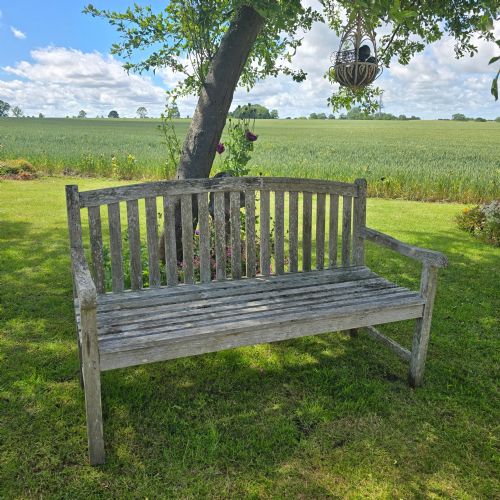
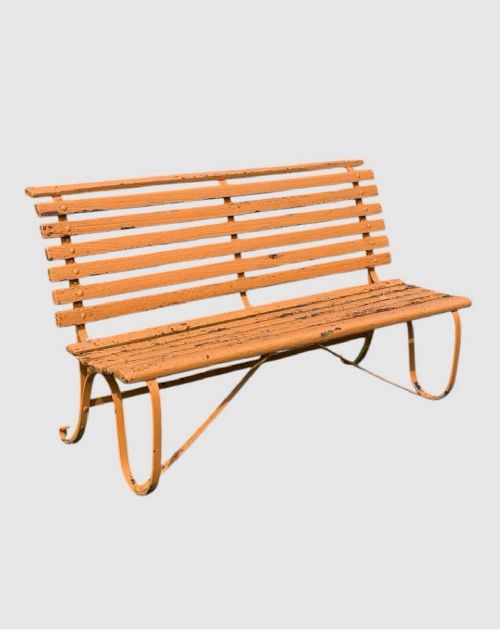
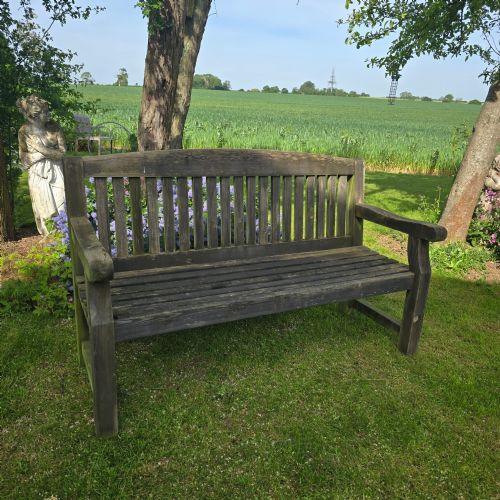
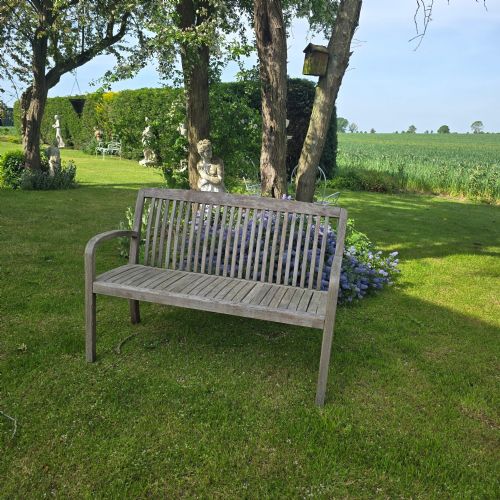


Traditional Garden Seat
These traditional garden seat options bring enduring utility to outdoor spaces, crafted from robust woods and metals to withstand the elements.
Traditional Garden Seat
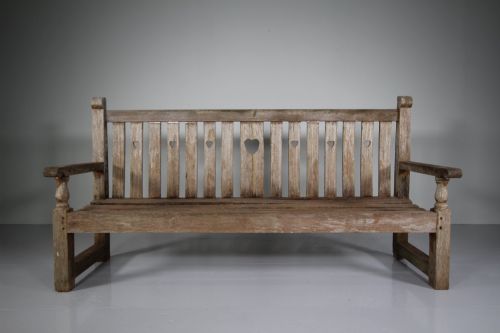
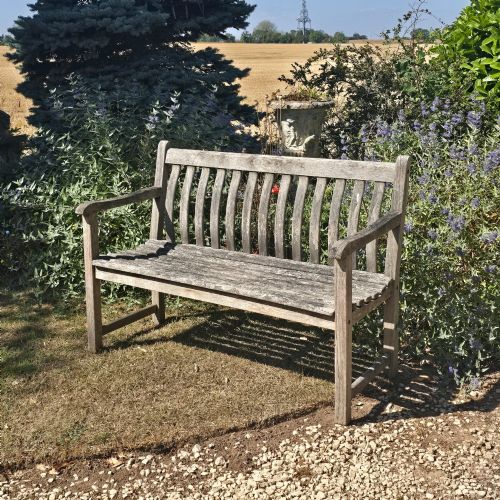
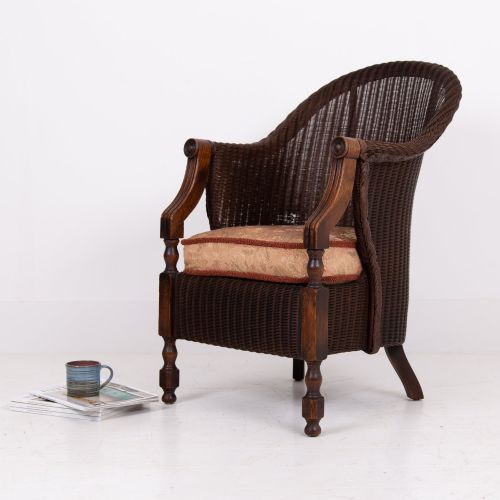
A traditional garden seat serves as a functional resting place in exterior spaces, encompassing forms such as benches, armchairs, and stools.
When searching for a traditional garden seat, buyers encounter items dating from the nineteenth century through to the mid-twentieth century.
How They Were Made
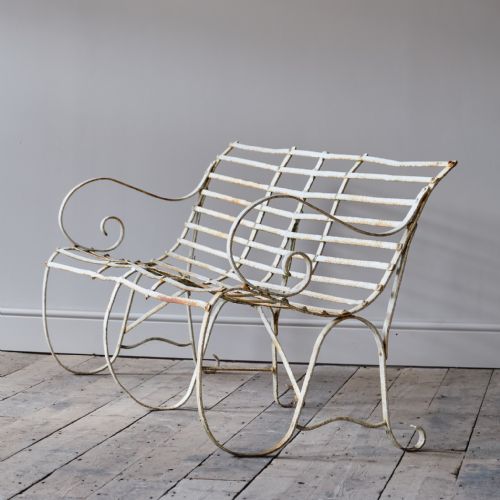
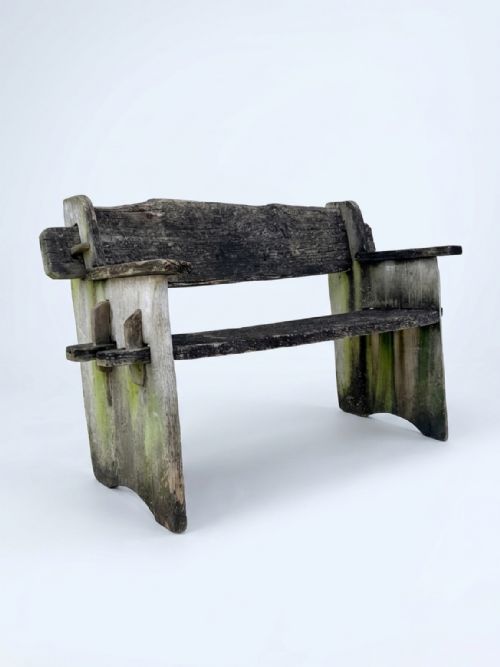
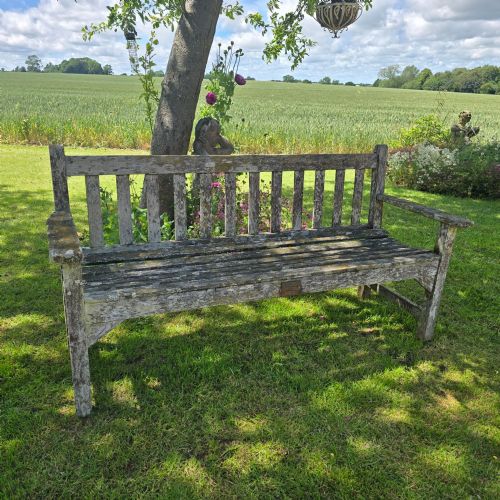
Maker construction relies heavily on durable timbers like teak, oak, and general wood slats, alongside cast iron, wrought iron, and paint.
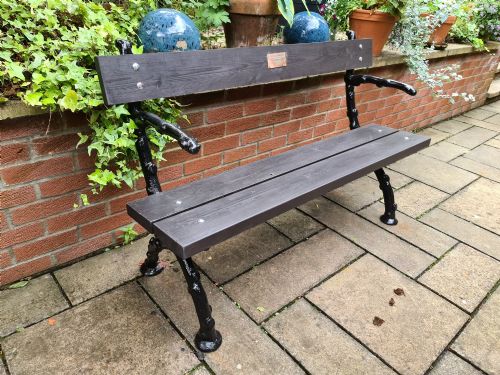
Metal elements utilise casting and strapwork techniques, pairing heavy iron frames with timber slats to create stable outdoor furniture.
Traditional Garden Seat Retail Price Guide 2026
Typical asking prices for traditional garden seat among the pieces listed under this phrase on Sellingantiques today, from the lower quarter to the upper quarter. They describe what is for sale here now, not the wider market.
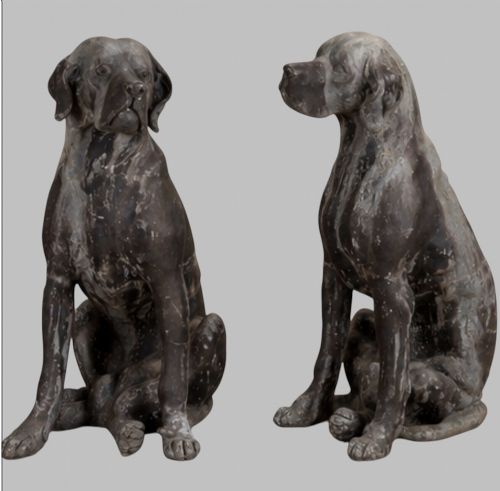
Keep an eye out for stone lions and lead hounds standing guard over the seating.
What Varies in Quality
The calibre of a piece depends on the depth of weathering on the timber and the integrity of the metal components.
Construction methods and material thickness distinguish simpler utility items from more intricate Victorian rustic or cast designs.
The Traditional Garden Seat Glossary
- Teak
- A dense, durable hardwood frequently utilised for outdoor benches due to its natural resistance to weathering. Over time, exposed teak develops a silvered patina.
- Cast Iron
- Molten iron poured into a mould to create rigid structural supports and decorative ends for garden benches. It provides substantial weight and durability.
- Wrought Iron
- Iron heated and hammered into shape by hand, producing strapwork and scroll designs. This material offers resilience and distinct tactile qualities.
- Edwardian
- A stylistic period spanning the early twentieth century, known for lighter proportions and refined interpretations of earlier designs.
Traditional Garden Seat: Frequently Asked Questions
How do I maintain a wooden garden seat?
Teak and other timbers weather naturally outdoors, often developing a silvery grey surface finish over time.
Regular cleaning with mild soap and water removes debris without stripping the natural oils from the wood.
Are cast iron benches weatherproof?
Cast iron elements withstand external conditions well, though older pieces may show surface oxidation.
Applying appropriate protective coatings helps preserve the metal frame over decades of seasonal exposure.
Where should I place a garden seat?
Position benches along pathways, under trees, or within dedicated seating areas to create natural focal points.
Placing wooden legs on stone or gravel rather than damp soil prevents moisture absorption.
How do I identify Victorian garden furniture?
Victorian pieces often feature heavy cast iron frames with elaborate motifs, rustic themes, or robust timber slats.
Construction details, material density, and period-specific design elements help distinguish nineteenth-century examples from later reproductions.