





Traditional Garden Planters
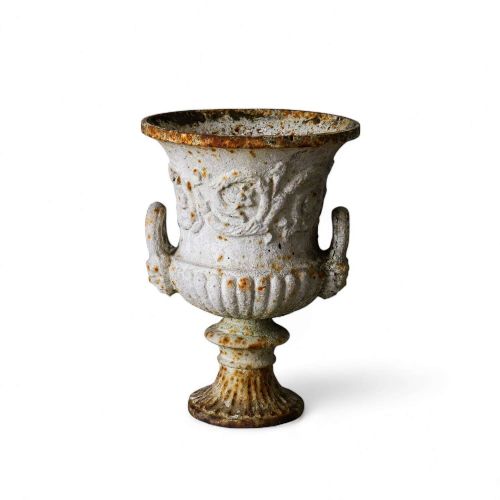
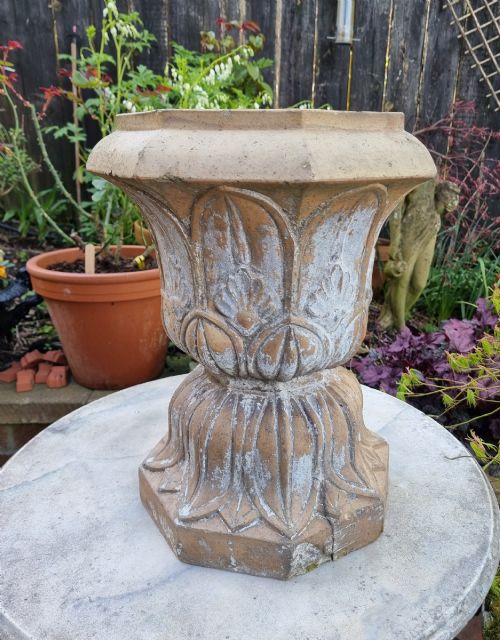
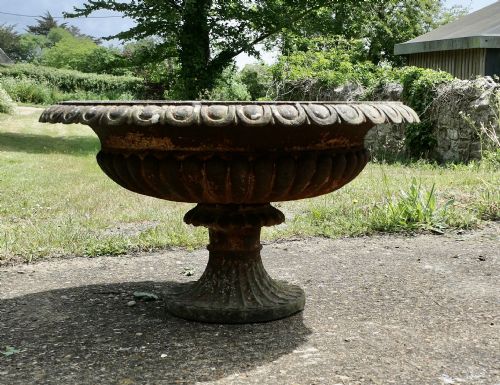
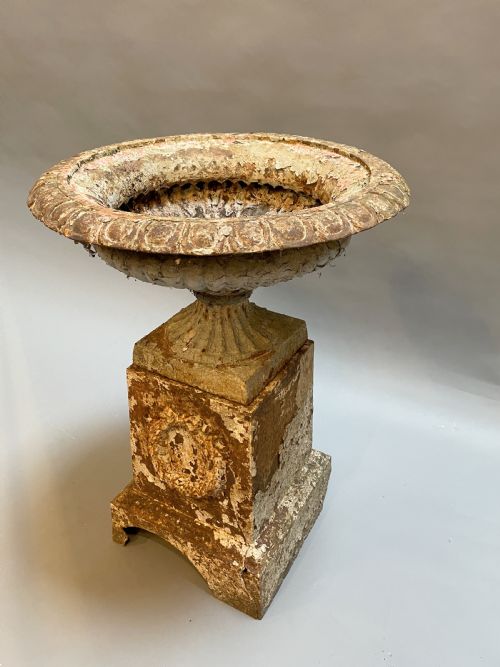
Traditional garden planters bring weight and structure to outdoor spaces through heavy cast iron, weathered terracotta and robust stone.
Traditional Garden Planters
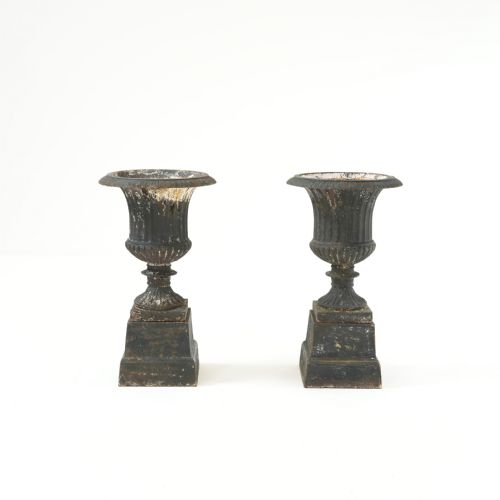
Traditional garden planters encompass sturdy receptacles designed for outdoor cultivation, drawing heavily on nineteenth and early twentieth century forms. When searching for traditional garden planters, buyers encounter robust vessels ranging from classical campana urns to rustic agricultural containers.
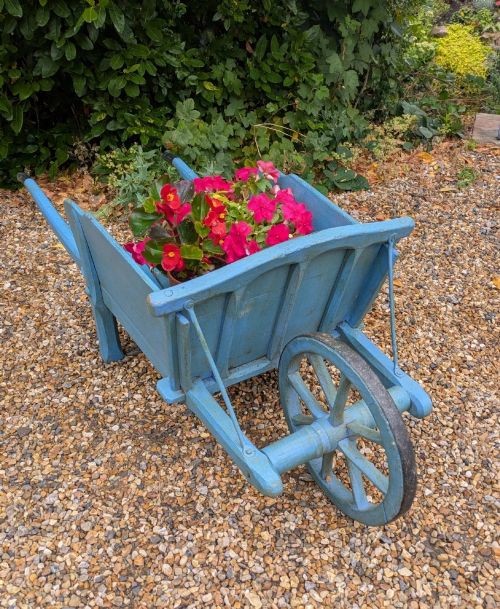
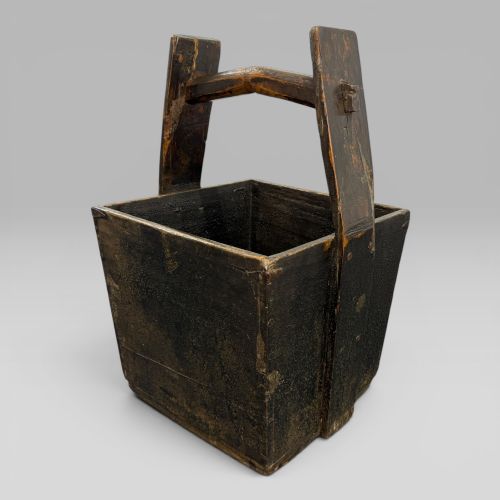
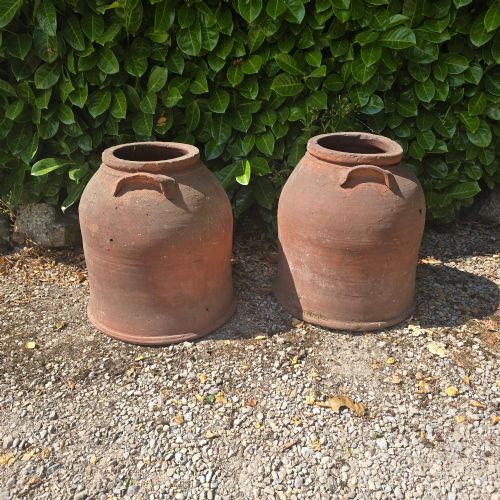
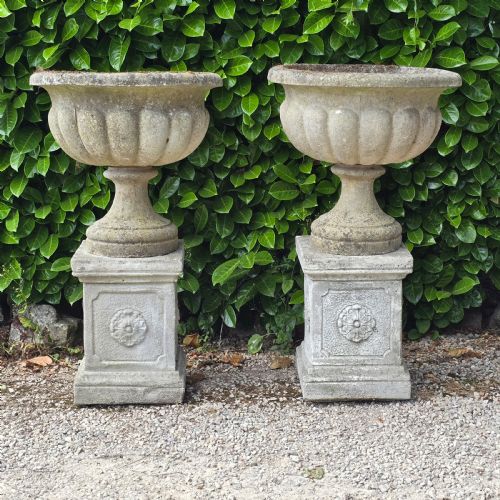
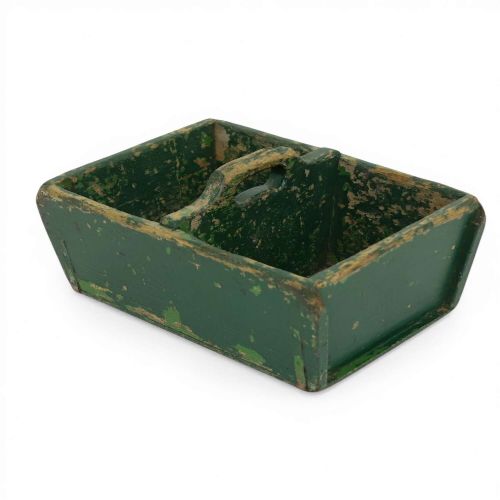
The pieces appearing on this page lean heavily towards cast iron and terracotta constructions, frequently found as matching pairs. Alongside standard garden planters, the selection includes oil jars, rhubarb forcers, and well buckets repurposed for horticulture.
Origins stretch across British, French, and Mediterranean workshops, spanning periods from the Georgian era through to the mid-twentieth century. Buyers select these containers to anchor planting schemes with time-worn materials that integrate naturally into garden settings.
How they were made
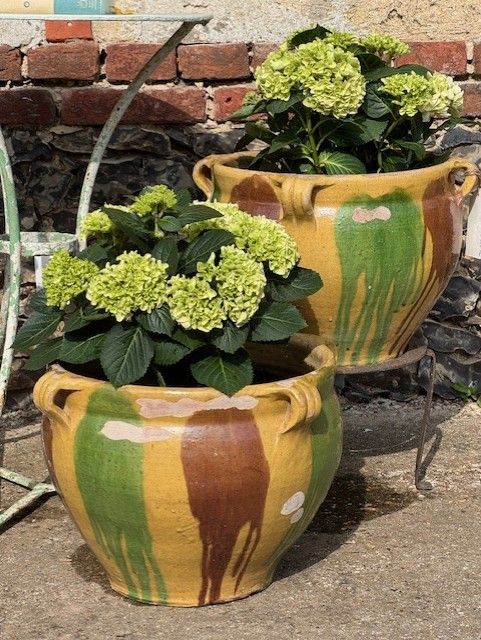
Potters shaped clay and terracotta by hand or on wheels to form amphorae, oil jars, and pancheons, subsequently firing the earthenware to achieve porous bodies suited to plant health. Glazing techniques such as trickle glazes appear on specific continental imports.
Woodworking traditions produced stave-built well buckets and wheelbarrows using traditional joinery methods, incorporating iron bands for structural reinforcement. Stonework relies on carved natural stone or moulded reconstituted stone mixtures.
Listings feature cast iron, terracotta, reconstituted stone, and bronze across the Victorian, Georgian, and twentieth-century periods.
What varies in quality
Cast iron examples display varying degrees of crispness in their moulded ornament, where sharper botanical or classical detailing distinguishes superior foundry work. The thickness of the metal casting and the integrity of historical paint layers also influence the character of the piece.
Terracotta and clay vessels vary according to the density of the fired body and the depth of natural weathering acquired over decades. Hand-thrown earthenware exhibits subtle individual irregularities that separate bespoke regional pieces from mass-produced wares.
Structural completeness, particularly the survival of original mounting plinths, handles, or iron binding bands on wooden items, determines the overall integrity of the container.
Andrew Handyside
The Traditional Garden Planters Glossary
- Campana urn
- A bell-shaped garden vessel with an everted rim, widely cast in iron or formed in terracotta during the nineteenth century.
- Rhubarb forcer
- A tall ceramic cover historically placed over rhubarb crowns to exclude light and encourage early, tender growth.
- Oil jar
- A large terracotta storage vessel originating from Mediterranean regions, frequently repurposed as a prominent garden feature.
- Pancheon
- A wide, shallow earthenware vessel traditionally used in dairies but valued in gardens as a broad planter.
- Usubata
- A traditional bronze vessel type originating from Japan, featuring a distinct tiered or flared profile designed for floral arrangements.
Traditional Garden Planters: Frequently Asked Questions
How do I care for cast iron urns?
Cast iron containers require minimal maintenance beyond checking drainage holes to prevent internal ice expansion during freezing winter conditions.
Applying protective metal treatments helps preserve historical painted surfaces against ongoing moisture exposure.
Can terracotta planters stay outside in winter?
Most dense nineteenth-century terracotta handles frost well, though porous earthenware can crack if water freezes inside unplanted vessels.
Raising pots off the ground on pot feet prevents moisture retention at the base during colder months.
How do I date an iron garden urn?
Nineteenth-century iron pieces often feature multi-part construction bolted together with threaded fixings rather than modern welding techniques.
Examining the surface for layers of accumulated old paint and deep atmospheric pitting helps confirm age.
What were rhubarb forcers originally used for?
Gardeners placed these heavy ceramic cylinders directly over emerging rhubarb shoots to block sunlight, forcing the plant to grow rapidly upward in search of light.
This agricultural method produced pale, tender stalks earlier in the spring season than uncovered plants managed.
Are old oil jars frost resistant?
Mediterranean terracotta oil jars feature thick earthenware walls designed for warmth, but severe freezes can test their structural durability.
Lining the interior with protective material or moving them under cover during harsh winters safeguards the antique clay.