






Traditional French Wooden Chest
These traditional french wooden chest pieces offer honest storage and timeless joinery, bringing authentic regional craft and robust timber into a home.
Traditional French Wooden Chest
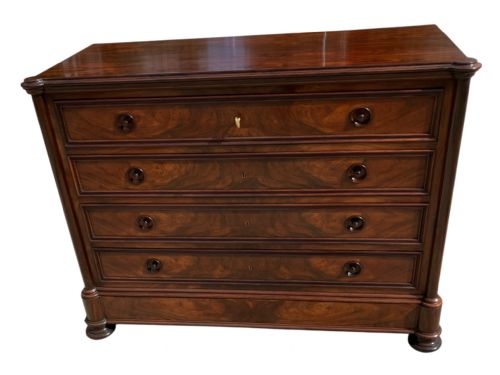
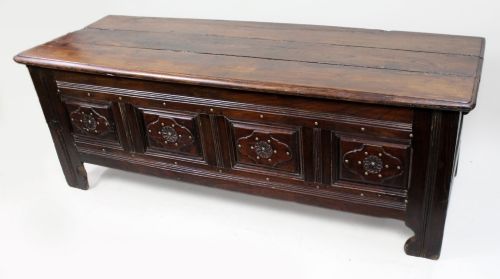
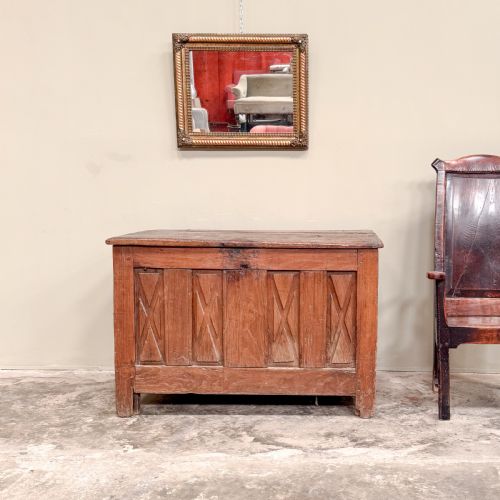
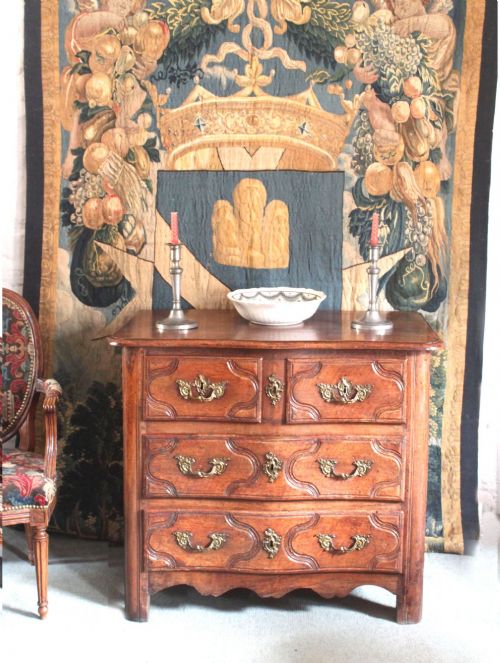
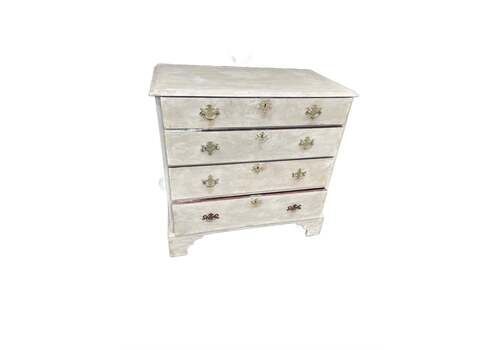
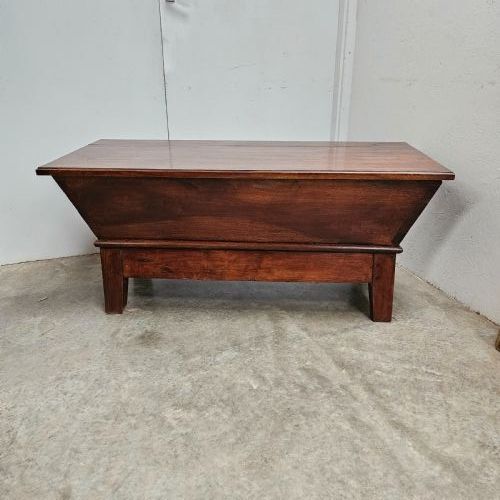
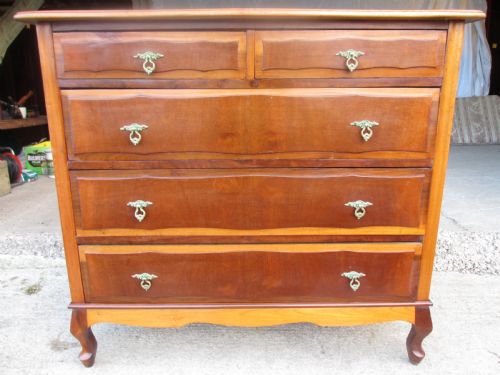
When you search for a traditional french wooden chest, you encounter a varied selection of antique storage furniture spanning centuries of European craftsmanship. The forms range from heavy coffers and blanket boxes to serpentine commodes and tall semainier chests.
The most frequent examples on this page hail from the eighteenth and nineteenth centuries, taking the shape of provincial coffers or fruitwood and walnut commodes. These pieces served practical domestic roles in rural farmhouses and town houses alike before finding their way into modern interiors.
Makers utilised regional timbers suited to local availability, resulting in distinct provincial characters that separate a simple utility box from an elegant town commode. You will find everything from rustic pine and cherrywood to polished rosewood and oak.
How they were made
Joiners constructed these traditional french wooden chest examples using solid timbers such as oak, walnut, pine, cherrywood, fruitwood, and elm. Panels were typically pegged or dovetailed together by hand to accommodate seasonal wood movement without splitting.
Hardware played an essential structural and decorative role, featuring forged iron hinges on robust coffers and cast brass handles or mounts on refined commodes. Some items also incorporate marble tops or painted wood finishes, adding a contrasting surface texture to the timber body.
Traditional French Wooden Chest Retail Price Guide 2026
Typical asking prices for traditional french wooden chest among the pieces listed under this phrase on Sellingantiques today, from the lower quarter to the upper quarter. They describe what is for sale here now, not the wider market.
Object forms include commodes, coffers, blanket boxes, dough bins, and tall semainier chests reflecting French Provincial and Rustic Farmhouse styles.
What varies in quality
The distinction between ordinary utility items and superior pieces rests on the choice of timber and the sophistication of the joinery. Selected hardwoods like figured walnut and quarter-sawn oak demand greater skill from the cabinetmaker than soft pine or utilitarian elm.
Proportion and surface preservation further separate the tiers, as demonstrated by the sweeping lines of serpentine commodes compared to straightforward blanket boxes. Original hardware, undisturbed surface patina, and integrated decorative elements elevate the standing of a piece considerably.
Edwards and Roberts
The Traditional French Wooden Chest Glossary
- Commode
- A low chest of drawers, typically featuring multiple tiers and refined hardware suitable for a formal room.
- Coffer
- A heavy wooden storage box with a hinged lid, historically utilised for safekeeping valuables and textiles.
- Dough bin
- A specialised provincial chest or trough designed for resting and proving bread dough before baking.
- Semainier
- A tall chest of drawers traditionally built with seven tiers, one for each day of the week.
- Serpentine
- A curved furniture front characterised by a central convex shape flanked by concave sections.
Traditional French Wooden Chest: Frequently Asked Questions
What is a traditional french wooden chest?
A traditional french wooden chest encompasses antique storage forms such as coffers, blanket boxes, and commodes originating from France.
These pieces utilise regional hardwoods like oak, walnut, and cherrywood, reflecting centuries of distinct provincial joinery traditions.
How were these chests used historically?
Households utilised these wooden chests for storing textiles, blankets, valuables, and even foodstuffs such as bread dough.
Heavier coffers secured household goods in rural settings, while refined commodes served functional and decorative roles in formal rooms.
How do I care for antique wood furniture?
Maintain antique timber surfaces by placing them away from direct heat sources and sudden humidity fluctuations to prevent splitting.
Apply gentle beeswaxes periodically to nourish the dry wood grain without building up heavy chemical layers.
How can I tell the period of a chest?
Examine the construction methods, tool marks on the timber interior, and the style of the hardware for period clues.
Eighteenth-century examples often display hand-cut dovetails and pegged joints, whereas later nineteenth-century pieces incorporate machine-sawn elements.