

Traditional Floral Wall Art
Traditional floral wall art brings centuries of woven and painted blooms into a room, offering enduring botanical colour.
Traditional Floral Wall Art
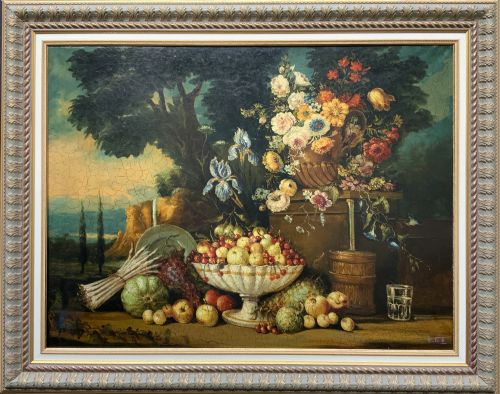
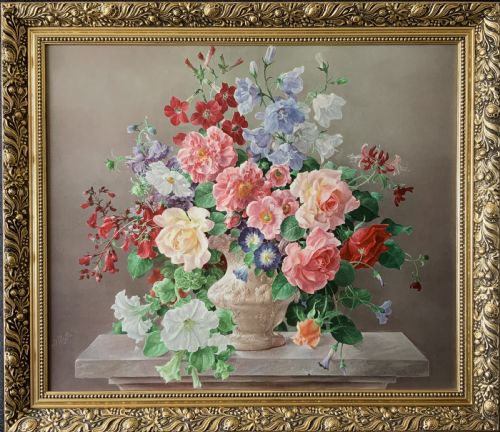
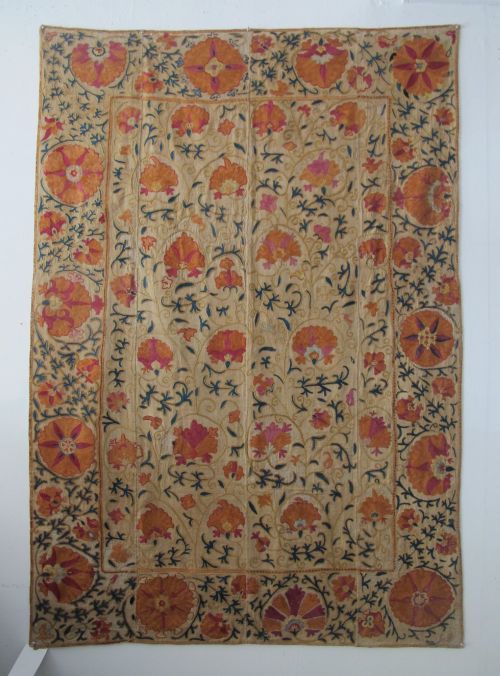
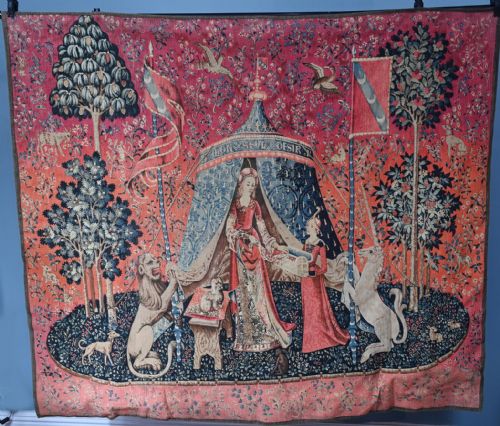
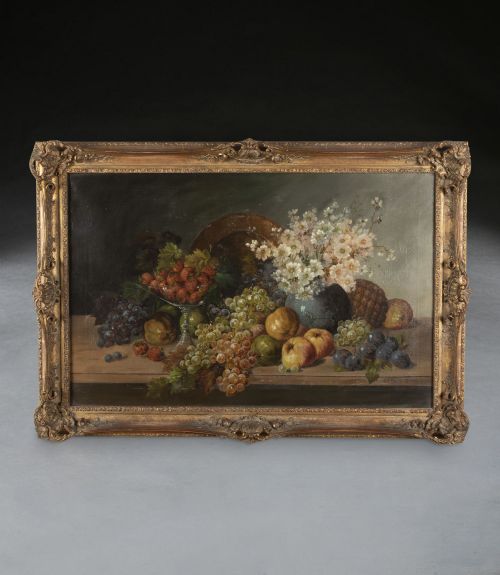
Traditional floral wall art spans oil paintings on canvas, hand-embroidered textiles, and woven tapestries depicting botanical subjects. Buyers searching this phrase encounter everything from grand Dutch-style still life canvases to Central Asian silk suzanis and French wall coverings.
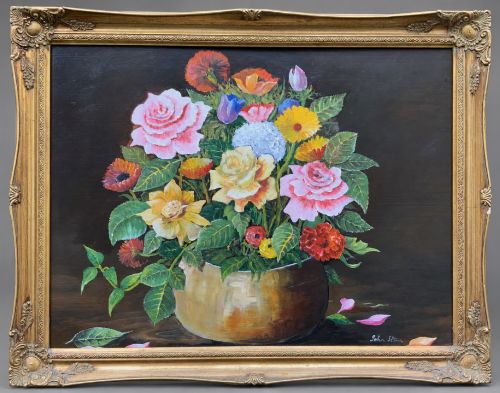
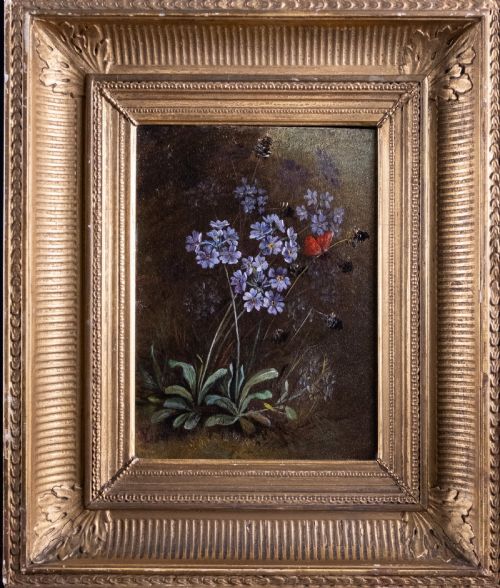
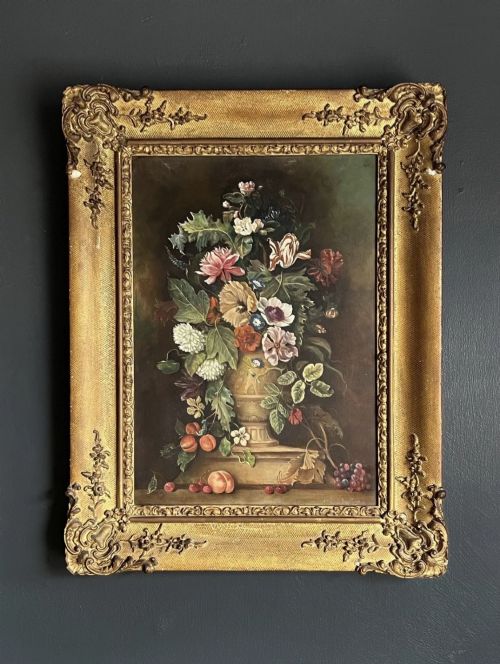
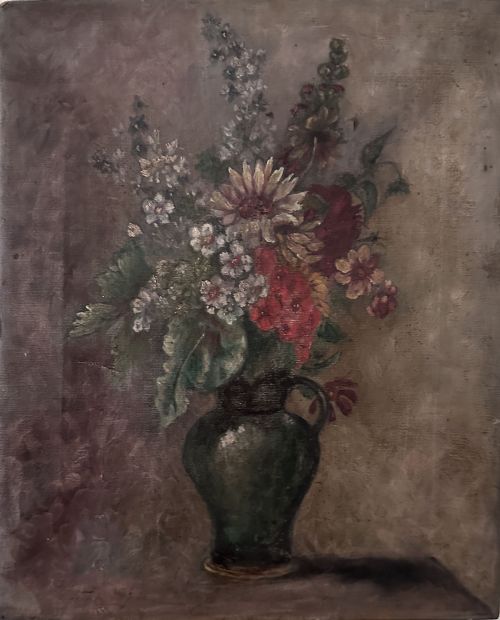
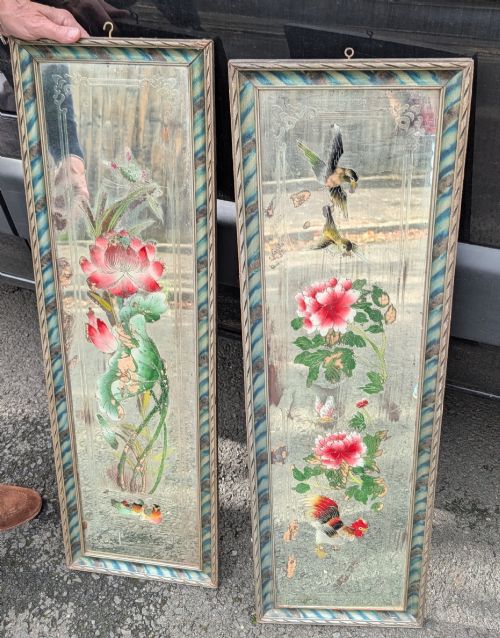
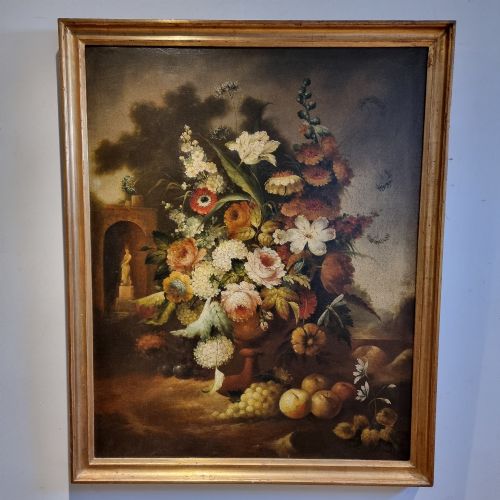
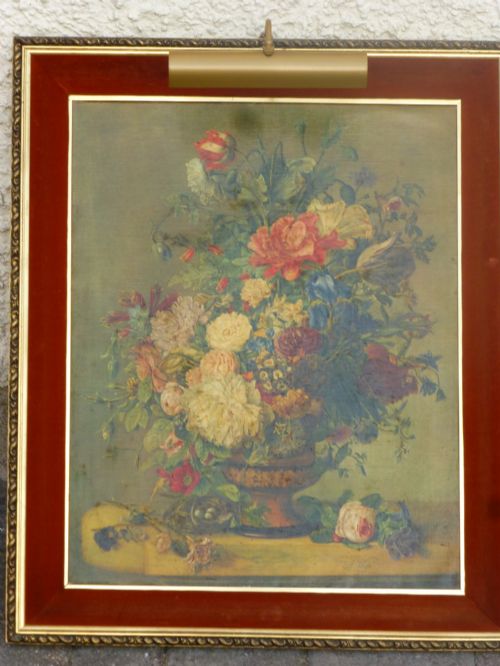
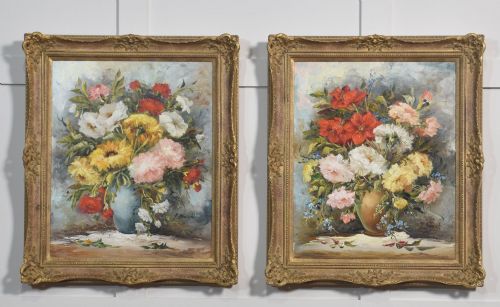
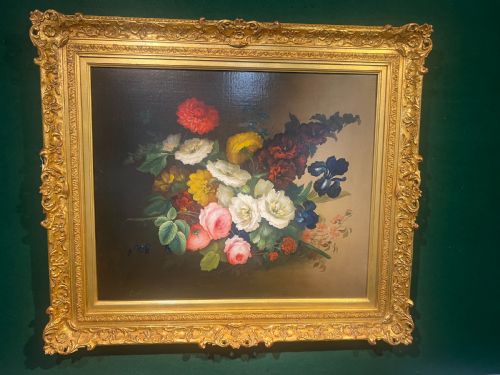
The pieces on this page represent a broad historical timeline, stretching from nineteenth-century oils to mid-century studies and woven works from earlier eras. Oil paintings of vases filled with roses, peonies, and spring flowers sit alongside large embroidered cotton grounds and antique wall hangings.
How they were made
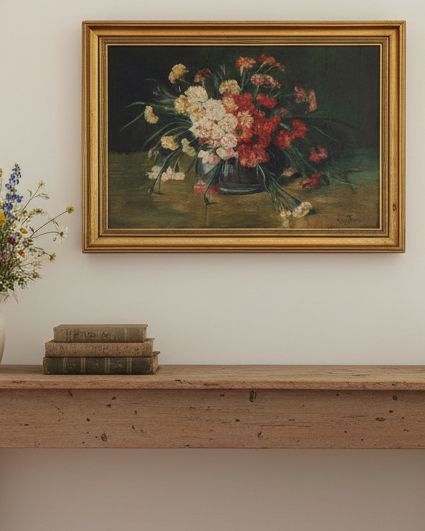
Painted works utilise oil paint on canvas, often housed within moulded and gilt gesso frames that complement the botanical subject matter. Artists built depth through layered brushwork, capturing the delicate petals of lilies, tulips, and carnations with precise realism.
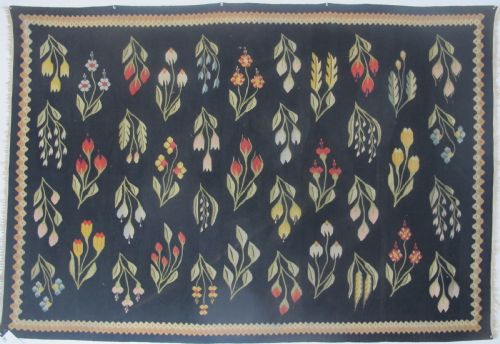
Textiles rely on fine silk or cotton grounds worked with intricate needle embroidery, as seen in Central Asian suzanis and European tapestries. These woven and stitched pieces combine durable natural fibres with dyed threads that retain their vibrant botanical motifs across generations.
Traditional Floral Wall Art Retail Price Guide 2026
Typical asking prices for traditional floral wall art among the pieces listed under this phrase on Sellingantiques today, from the lower quarter to the upper quarter. They describe what is for sale here now, not the wider market.
Listings include oil paintings on canvas, silk embroidered suzanis from Bokhara, and wool tapestries spanning the nineteenth and twentieth centuries.
What varies in quality
Quality in painted pieces rests upon the precision of the brushwork and the naturalism of the floral arrangement. Hand-painted oil studies by listed artists display greater nuance in light and shadow compared to decorative oleograph prints.
For textiles, the density of the stitchwork and the complexity of the silk embroidery determine the finesse of the piece. Well-preserved ground fabrics and finely executed motifs indicate superior workshop origins.
Anton Weiss·Harold Clayton·Edwin Steele·Manuela Bonati·Pierre Joseph Redoute·Henry Schouten·Emily Selinger·Owen Bowen·Gertrude Hayes·Terence Loudon·Margaret Evangeline Wilson·Robin MacKertich
The Traditional Floral Wall Art Glossary
- Suzani
- A type of embroidered silk and cotton hanging originating from Central Asia, featuring bold floral and botanical designs on a red or neutral ground. These textiles were traditionally made as part of a bride's dowry.
- Oleograph
- A mechanical print on canvas that simulates the appearance and texture of an oil painting. They gained popularity in the nineteenth and twentieth centuries as an affordable alternative to original art.
- Gesso
- A plaster-like mixture applied to wooden frames before gilding or painting, providing a smooth surface for ornamentation. Elaborate gesso moulding defines many traditional picture frames.
- Tapestry
- A form of textile art woven by hand on a loom, depicting pictorial scenes or repeating botanical patterns such as mille-fleurs. They served historically as both decoration and insulation on stone walls.
Traditional Floral Wall Art: Frequently Asked Questions
How do I care for antique oil paintings?
Antique oil paintings require stable indoor humidity and protection from direct sunlight to prevent the canvas and paint layers from cracking. Dusting should be done gently with a soft, dry brush without applying pressure.
Avoid using liquid cleaners or water on the painted surface or the gilt frame, as moisture damages delicate gesso and older pigments.
What is a Dutch style still life?
A Dutch style still life depicts arrangements of flowers, often including tulips, roses, and lilies, rendered with meticulous attention to botanical detail. These compositions draw inspiration from seventeenth-century master traditions.
Such paintings frequently emphasise the play of light across petals and vases, creating a dramatic focal point for a room.
How do I date a floral tapestry?
Dating a tapestry involves examining the weave structure, the types of natural or synthetic dyes used in the threads, and the overall stylistic motifs. Earlier examples often feature dense foliage and animal figures, while later pieces focus on specific floral sprays.
Comparing the border design and the selvage edges helps determine whether a textile originates from an eighteenth-century workshop or a later revival period.