

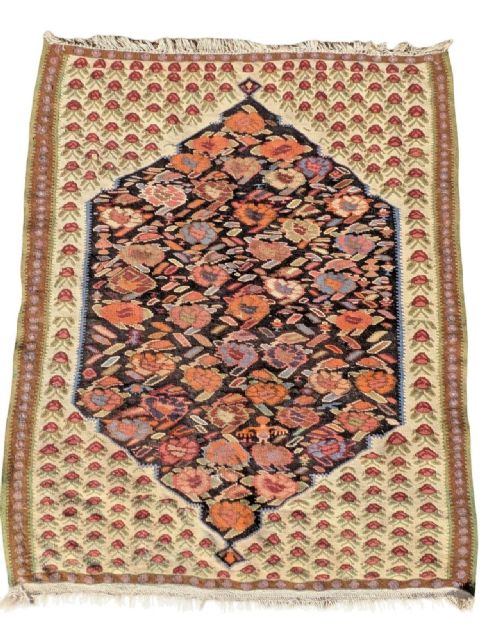
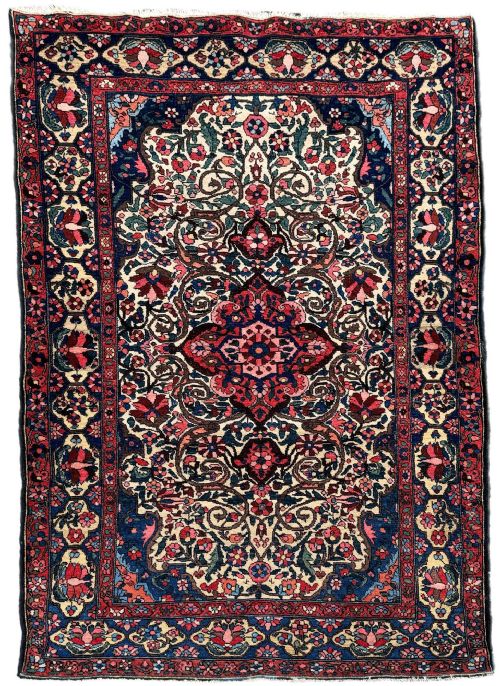
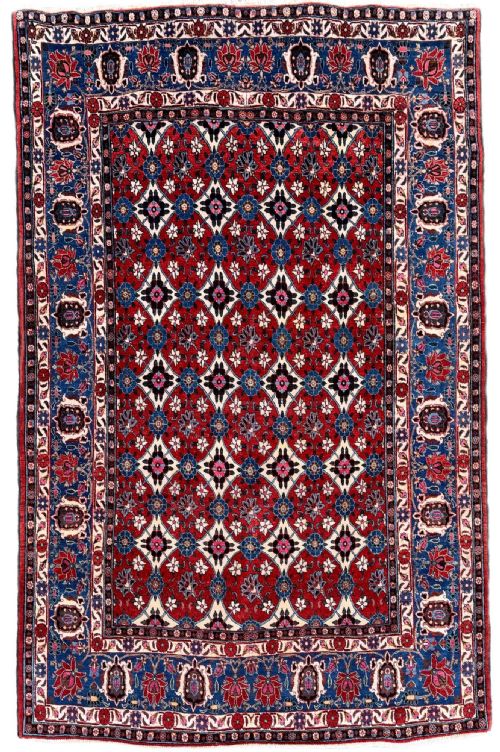
Traditional Floral Persian Rug
A traditional floral persian rug brings centuries of woven artistry into a room, offering rich botanical motifs and deep history underfoot.
Traditional Floral Persian Rug
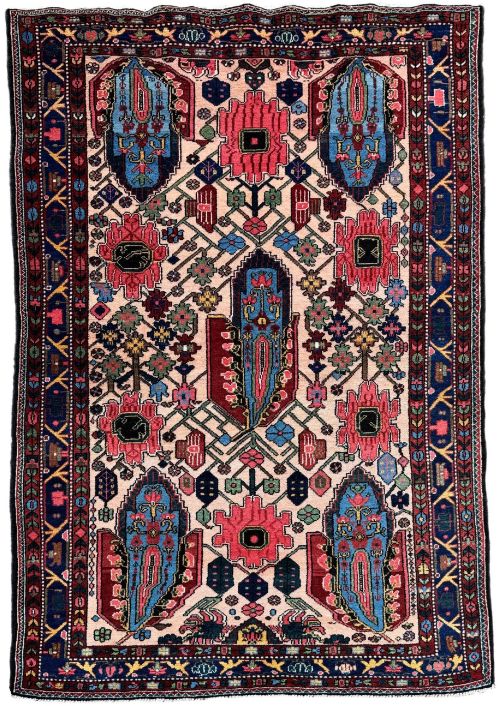
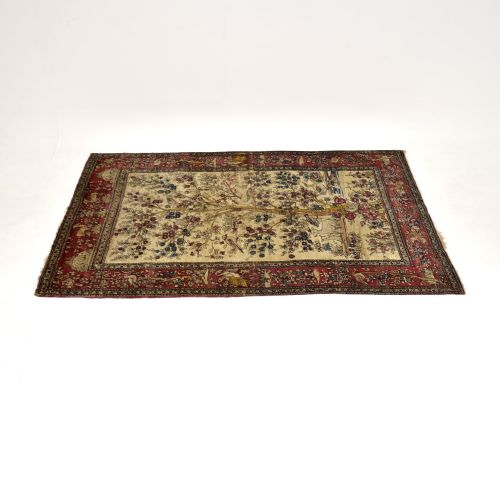
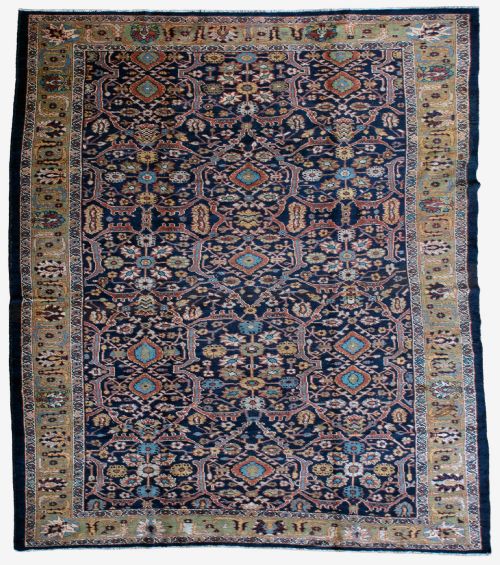
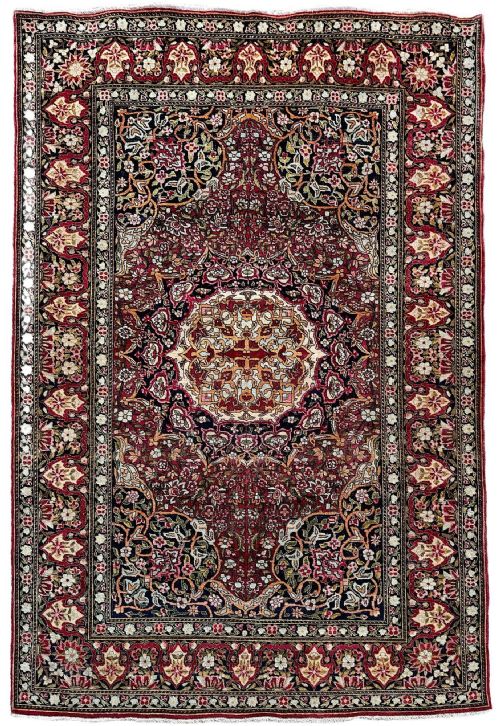
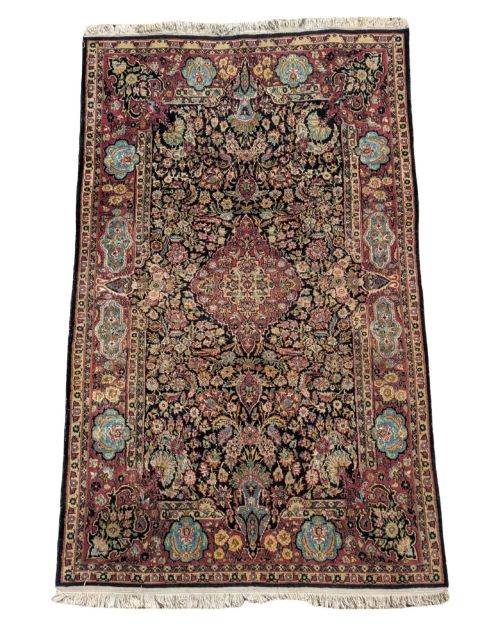
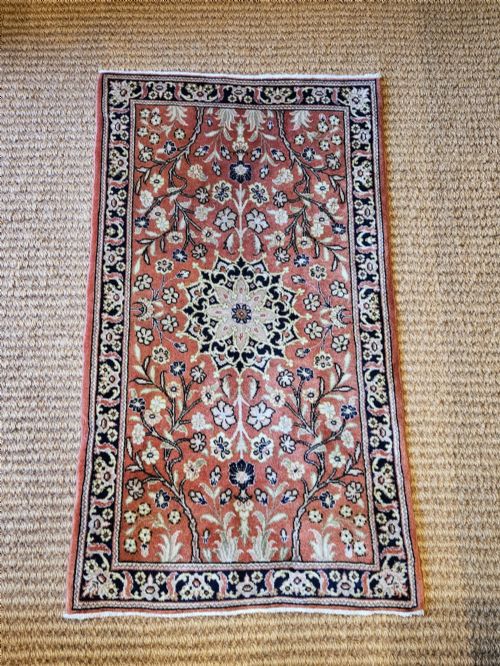
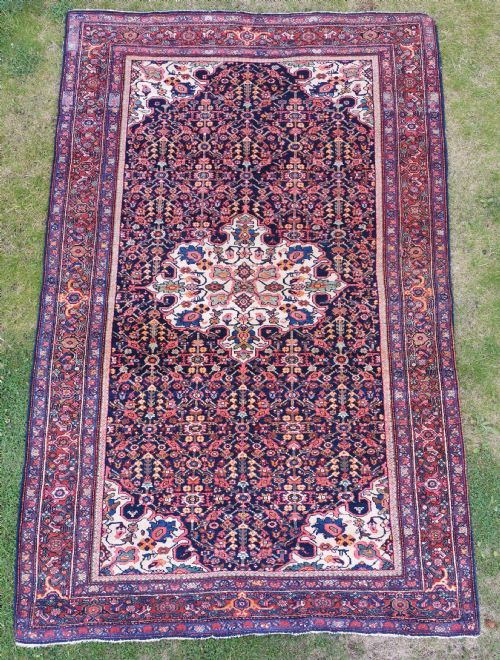
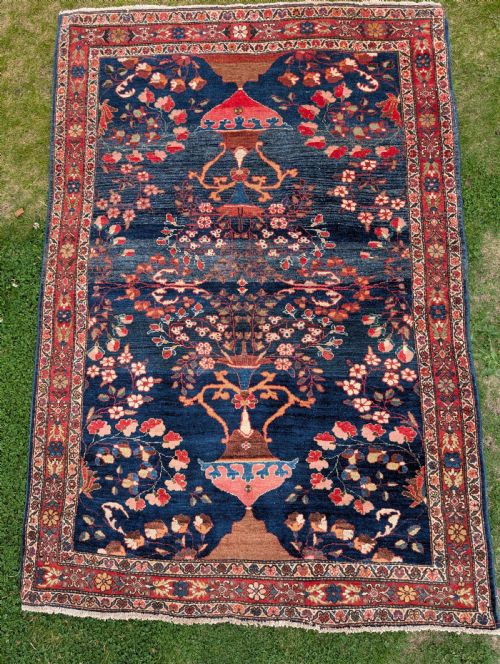
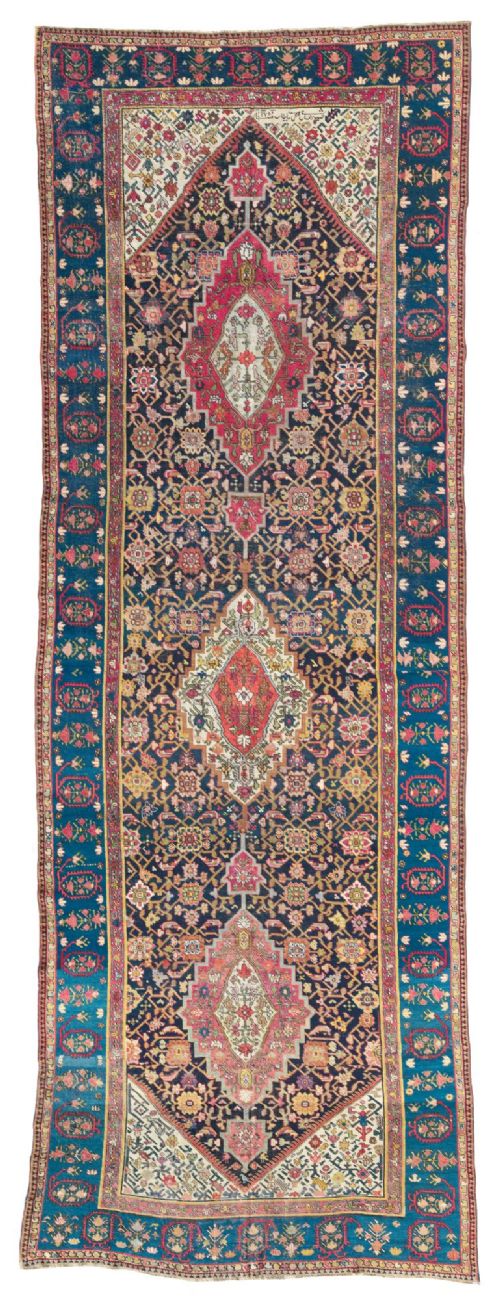
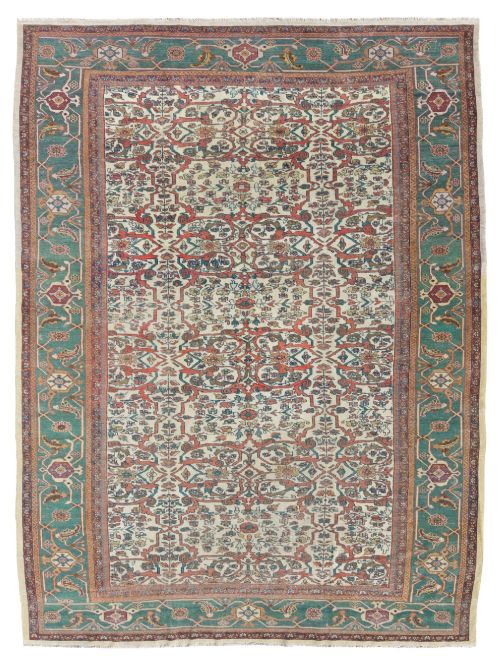
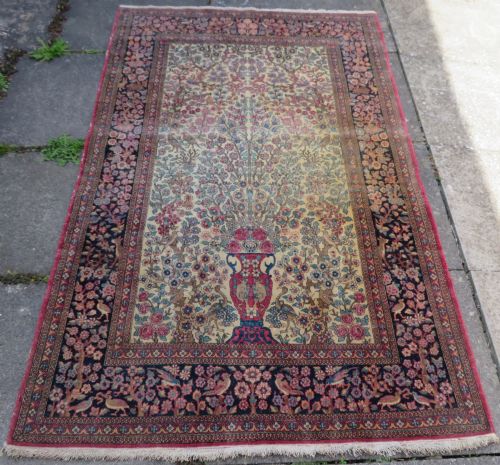
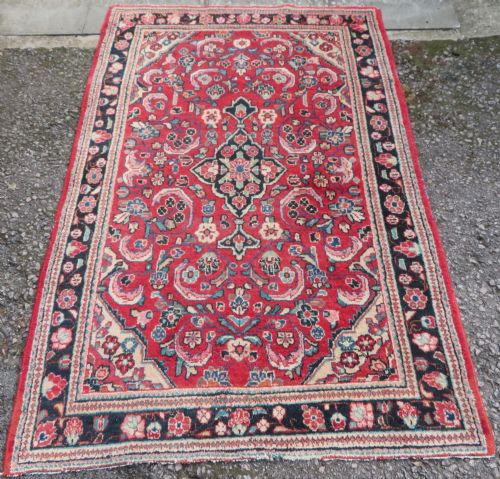
When searching for a traditional floral persian rug, buyers encounter floor coverings originating from historic weaving centres across Persia, spanning the nineteenth and early twentieth centuries. These pieces range from small hearth-sized formats to large room-size carpets woven in styles such as Heriz, Mahal, Tabriz, and Kashan.
The aesthetic relies heavily on botanical compositions, including central medallions, tree of life designs, and dense all-over floral fields. Workshops and village weavers produced these textiles to serve functional purposes while displaying complex regional artistry.
How They Were Made
Makers constructed these textiles predominantly using hand-spun wool and cotton, with occasional silk highlights introduced to emphasise specific design elements. Weavers knotted the pile onto cotton foundations using meticulous hand-tying techniques.
Natural dyeing traditions provided the deep red, blue, and earthen palettes seen across the period. Artisans utilised locally sourced organic materials to achieve enduring colour depth within the wool and silk fibres.
Regional styles represented include Tabriz, Heriz, Mahal, Bakhtiar, and Kashan, alongside village formats like Hamadan and Karabagh.
What Varies in Quality
The grade of a piece rests on knot density and the precision of the botanical drawing. Finer wool selection and disciplined execution by the weaver produce sharper medallion contours and more resilient pile surfaces.
Structural integrity and the retention of original side cords and end finishes distinguish superior examples. Age-related wear alters appearance, but the fundamental artistic execution dictates the standing of each carpet.
The Traditional Floral Persian Rug Glossary
- Medallion
- A symmetrical ornamental motif centred in the field of the rug. It forms the primary focal point of many classical Persian designs.
- Pile
- The upright yarn loops forming the soft surface of the carpet. Wool, cotton, and silk constitute this upper layer.
- Kelleh
- A long, rectangular format traditionally used in Persian rooms. These runners offer narrow proportions distinct from square room-size carpets.
- Warp
- The foundational vertical threads running the length of the rug. Weavers tie knots directly onto these parallel strands.
- Weft
- The horizontal threads passed between rows of knots to secure the pile. They bind the structure tightly together from edge to edge.
Traditional Floral Persian Rug: Frequently Asked Questions
How do I clean an antique rug?
Professional dusting and gentle surface washing preserve the delicate wool and cotton fibres without causing dye bleed.
Harsh chemical treatments and aggressive scrubbing damage the structural integrity of older foundation threads.
Where were these pieces made?
Weavers produced these textiles in distinct Persian towns, villages, and nomadic tribal regions including Tabriz, Heriz, and Mahal.
Each location developed specific colour palettes and structural characteristics unique to its local crafting traditions.
Can I place furniture on them?
Balanced furniture weight distributes evenly across a sturdy room-size carpet without causing concentrated fibre damage.
Using supportive underlays prevents excessive friction between the heavy wool pile and underlying wooden floors.
What materials make up the pile?
Master weavers relied primarily on hand-spun sheep wool for its durability and soft texture underfoot.
Selected carpets incorporate cotton foundations and fine silk highlights to accentuate intricate floral details.