
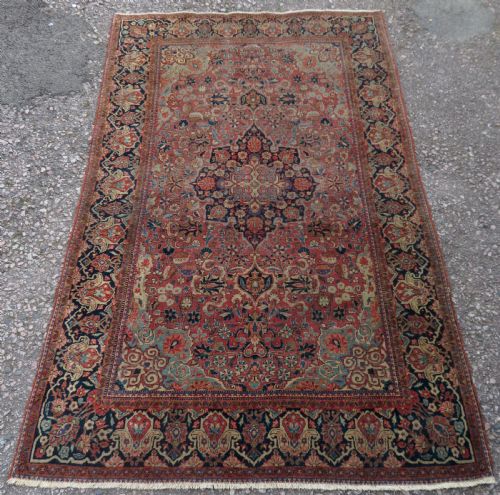
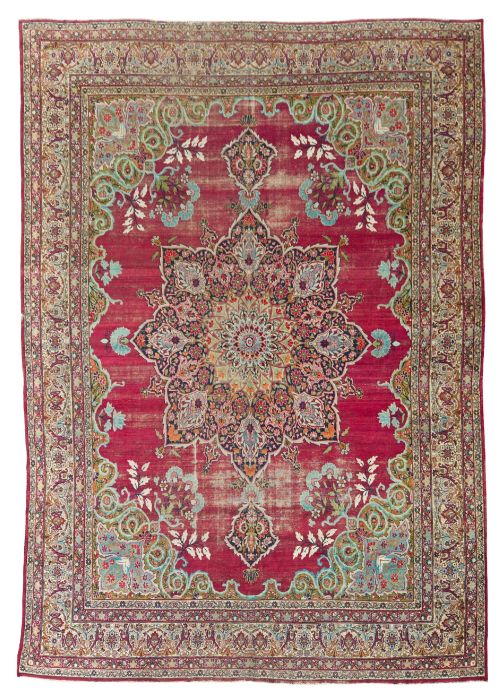
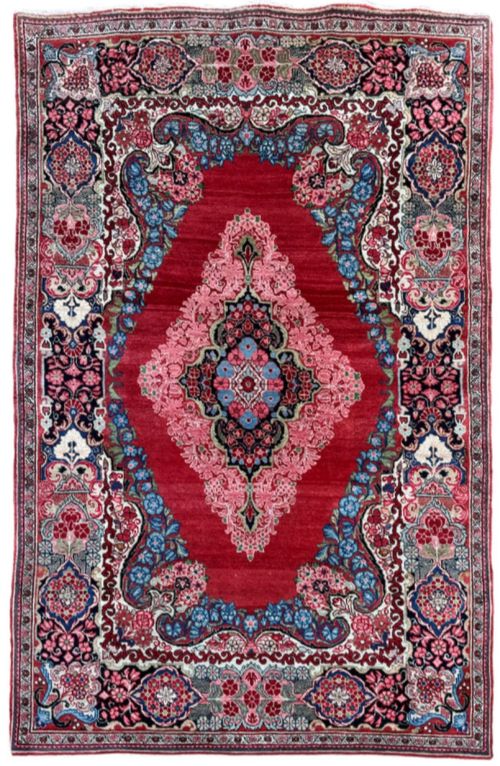

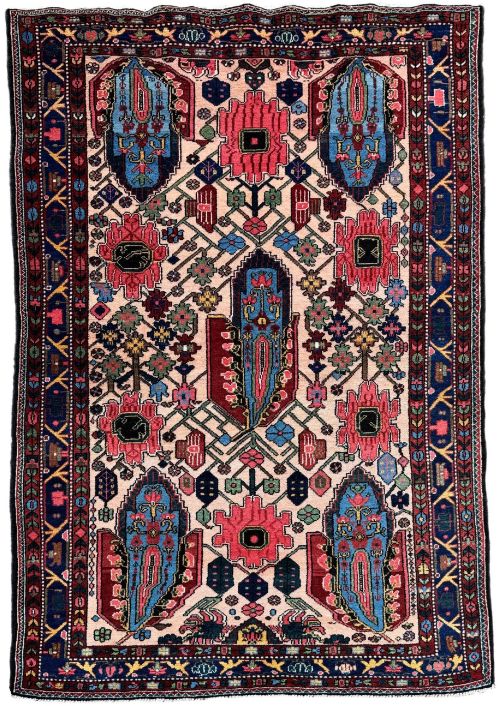
Traditional Floral Medallion Carpet
These hand-knotted room-size carpets and hearth rugs bring centuries of central Asian and oriental design into modern interiors.
Traditional Floral Medallion Carpet
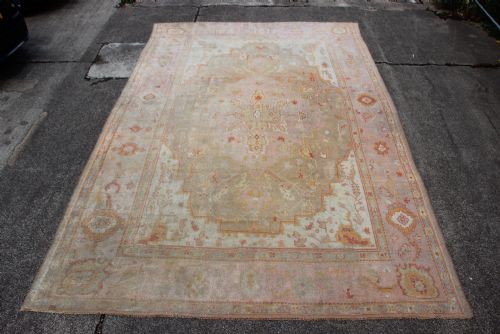
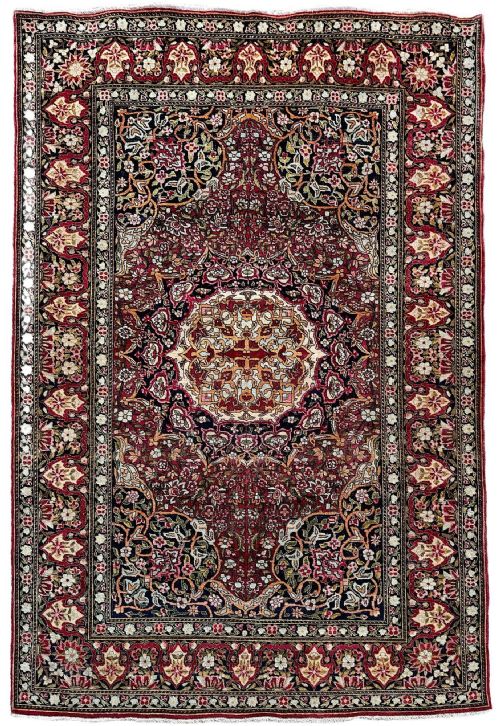
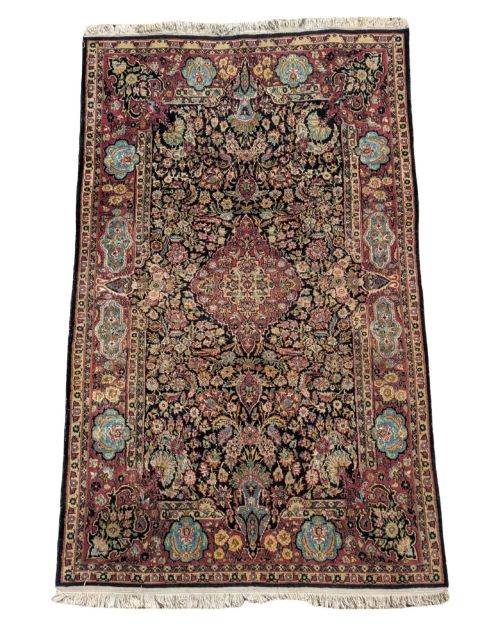
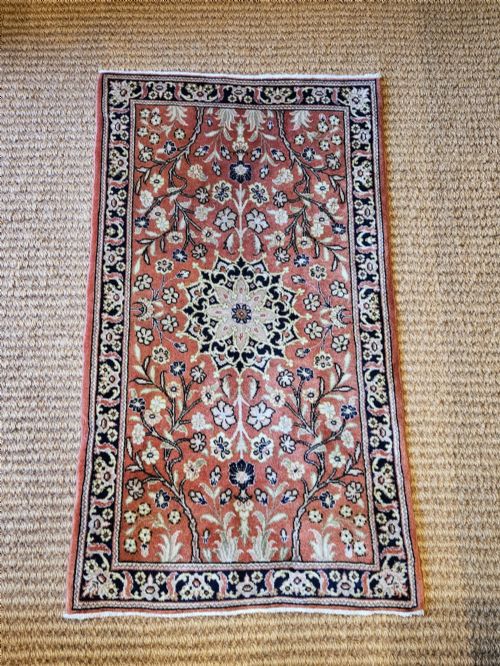
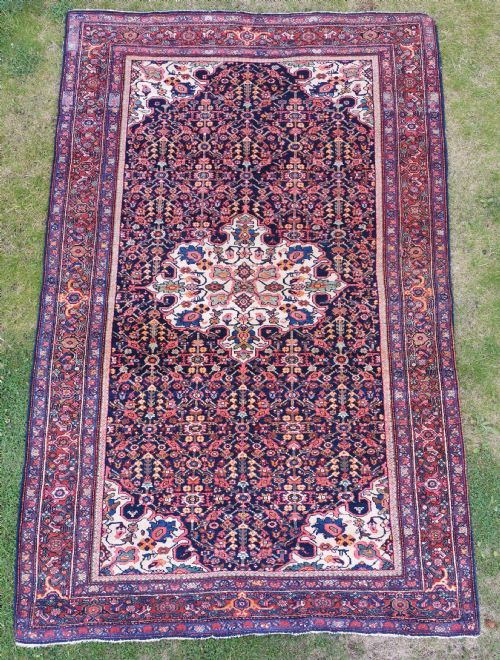
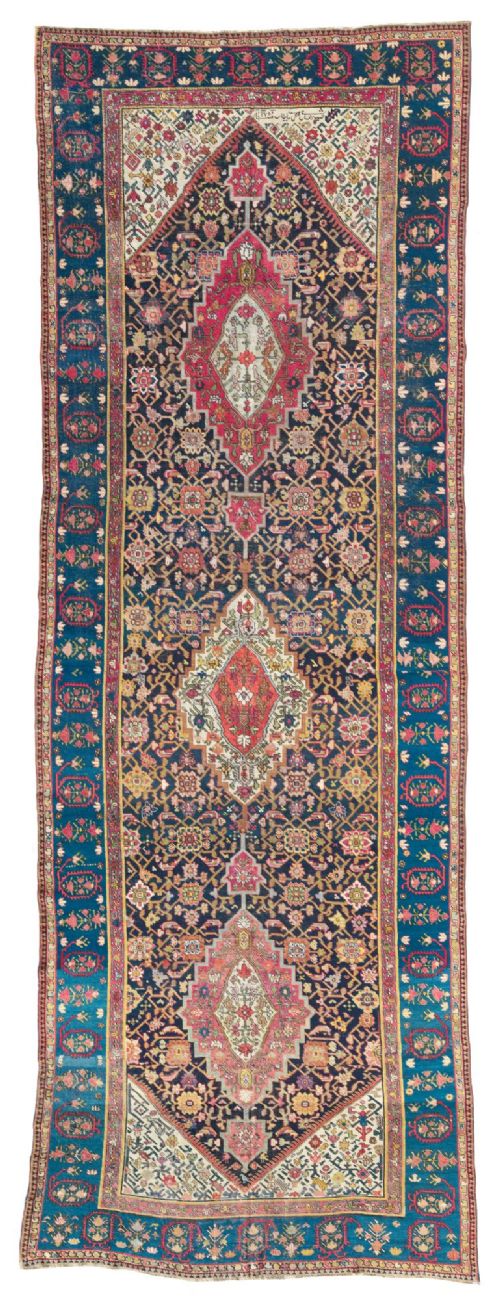
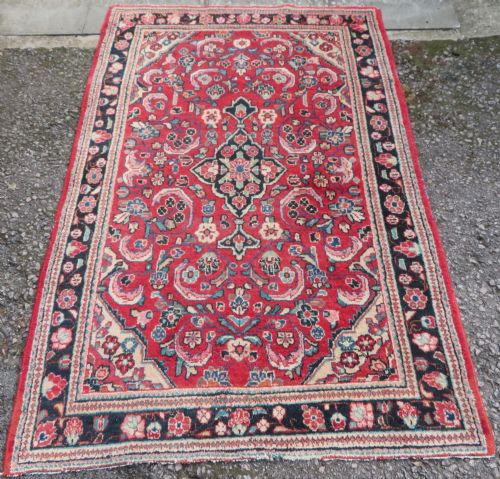
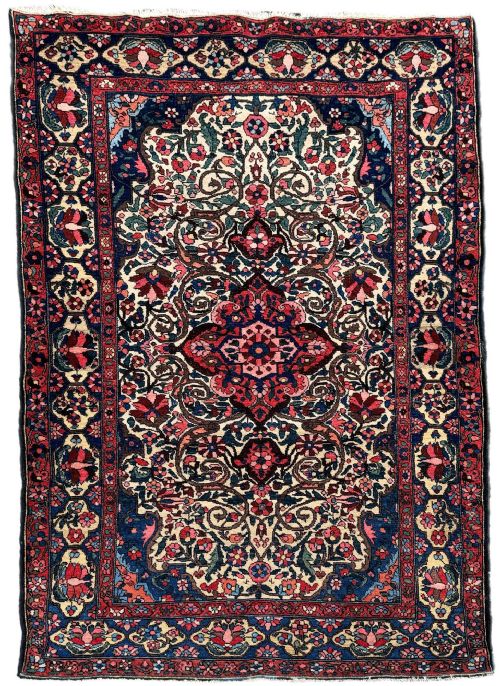
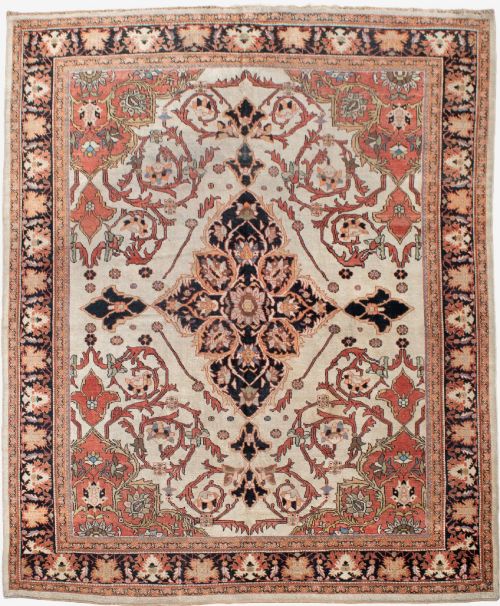
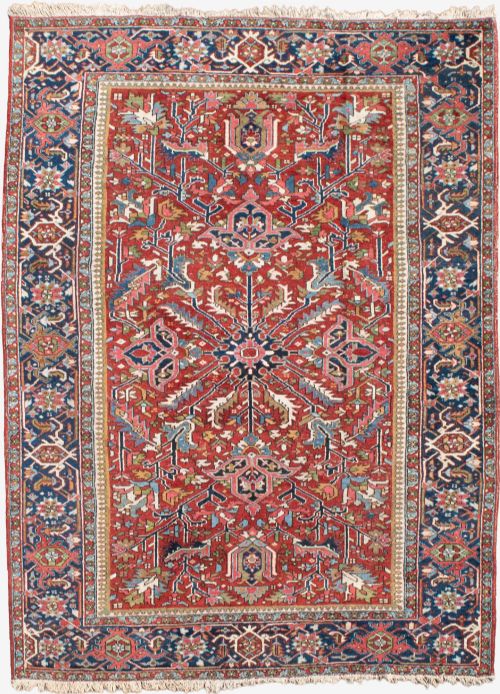
A traditional floral medallion carpet centres on a prominent central motif surrounded by intricate botanical patterns, floral sprays, and geometric vine work. Buyers searching this phrase encounter room-sized carpets and smaller rugs originating from Persia, India, China, and the Caucasus.
The inventory spans from the middle of the nineteenth century through to the early decades of the twentieth century. Common regional types appearing in this selection include Saroukh, Bakhtiar, Oushak, Isfahan, Mahal, Heriz, Tabriz, and Kashan.
Makers ranged from village weavers working on upright wooden looms in domestic settings to larger urban workshops producing grand room-size carpets for international trade.
Materials and construction methods
These floor coverings utilise natural fibres, principally durable wool pile set upon cotton foundations, occasionally incorporating silk highlights or woven entirely as silk carpets.
Weavers knotted the pile by hand using Persian or Turkish knotting techniques, securing the rows with sturdy weft threads before shearing the surface to an even pile height.
Assessing quality in antique floor coverings
Knot density and precision of execution dictate the crispness of the central medallion and surrounding floral details. Finer wool selections yield a softer handle and greater durability under foot.
The depth and harmony of natural dye palettes contribute significantly to the visual weight of each piece, distinguishing utilitarian village work from master workshop commissions.
Benlian
The Traditional Floral Medallion Carpet Glossary
- Medallion
- The central ornamental motif dominating the field of the carpet. It anchors the symmetrical layout of the surrounding floral and geometric decoration.
- Pile
- The vertical or slanted upright yarn that forms the soft surface of the carpet. It is created by knotting wool, cotton, or silk threads onto the foundation warps.
- Kelleh
- A long, narrow room-size carpet format traditionally produced in Persian workshops. These rectangular floor coverings fit narrow rooms and hallways.
- Warp
- The foundational vertical threads stretched tightly upon the loom before knotting begins. The visible fringes at either end of the carpet are extensions of these structural cords.
Traditional Floral Medallion Carpet: Frequently Asked Questions
How do I clean an antique rug?
Surface dust should be removed gently using suction from a vacuum cleaner without a rotating brush head. Professional specialist cleaning remains essential for deep washing to protect natural wool and silk fibres.
Water exposure must be strictly controlled during routine maintenance to prevent dye migration across lighter background areas.
Where should I place a room-size carpet?
Large room-size formats anchor sitting room furniture groupings by sitting beneath the front legs of sofas and armchairs. Dining spaces benefit from dimensions that allow chairs to remain on the woven surface when pulled out.
Placing heavy traffic away from direct, continuous sunlight preserves the rich natural dyes over decades of domestic use.
How do I distinguish regional Persian styles?
Heriz and Bakhtiar pieces often display bolder, more architectural geometric frameworks alongside traditional floral elements. Tabriz and Isfahan examples typically showcase refined curvilinear drawing with intricate floral medallions.
Examining the weave structure and secondary colours helps separate village production from urban workshop output.
What is the difference between a kilim and a carpet?
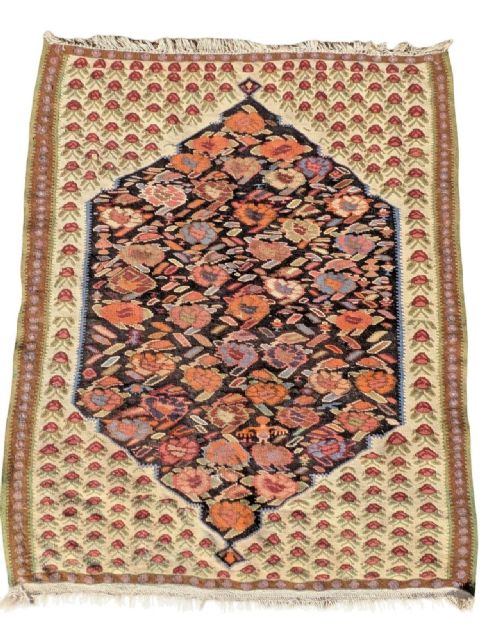
Kilims are flat-woven textiles produced without a raised pile, relying on interlocking weft threads to build geometric patterns. Carpets feature a dense vertical pile knotted onto a foundation.
This structural distinction gives piled carpets a softer, plush texture underfoot compared to the lightweight, reversible nature of flat weaves.