




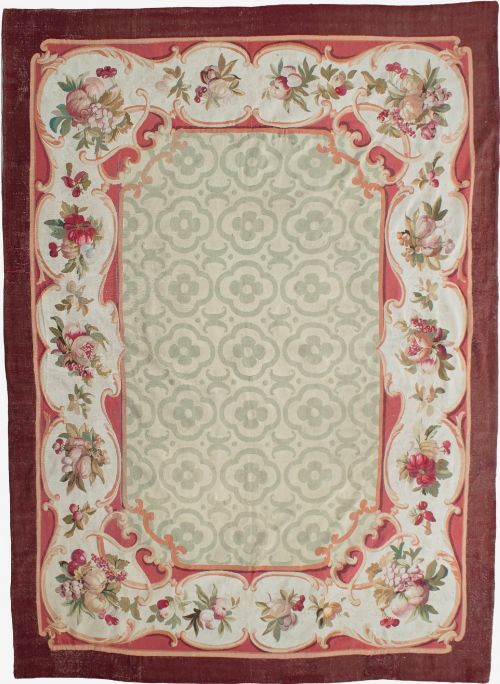
Traditional Flatweave
Traditional flatweave textiles are woven carpets, rugs, and runners prized for their distinct lack of a pile and rich regional patterns.
Traditional Flatweave
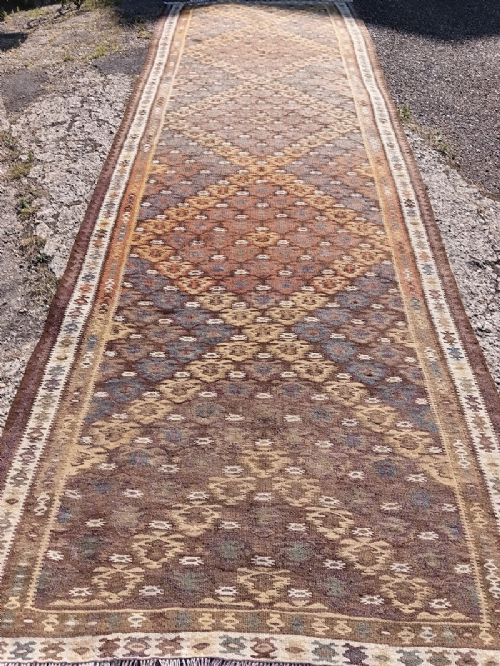
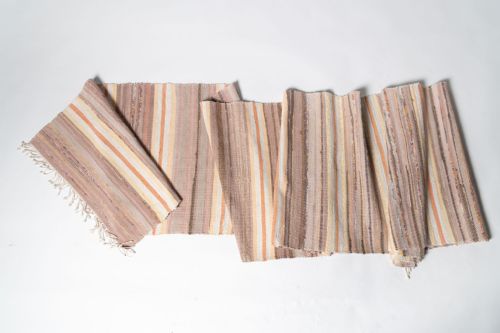
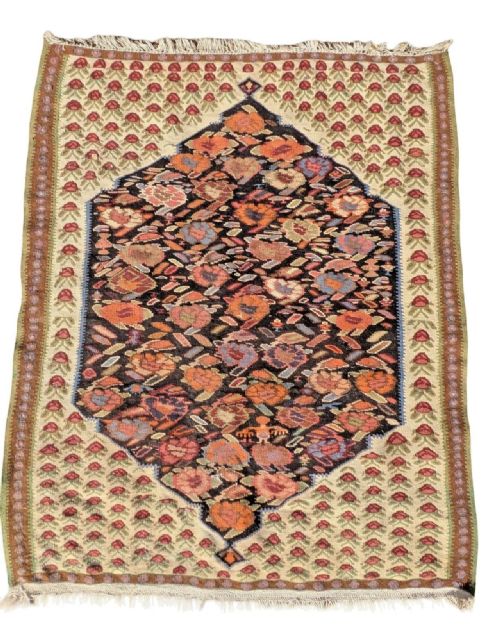
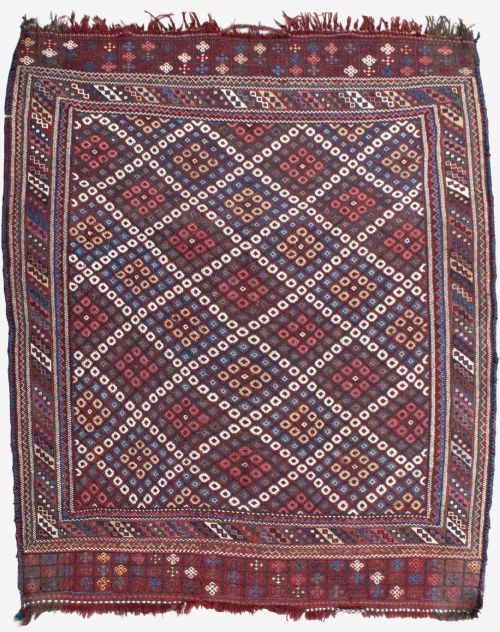
Traditional flatweave textiles encompass an array of rugs, runners, cushions, and carpets originating from tribal and regional weaving centres across the Caucasus, Anatolia, Persia, and Eastern Europe. These items are produced without a knotted pile, relying instead on interlocking or wrapping warp and weft threads to build the design directly into the structure.
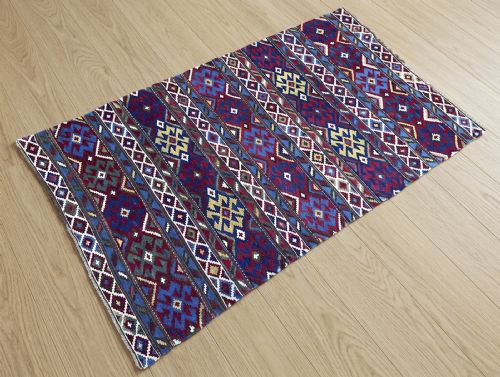
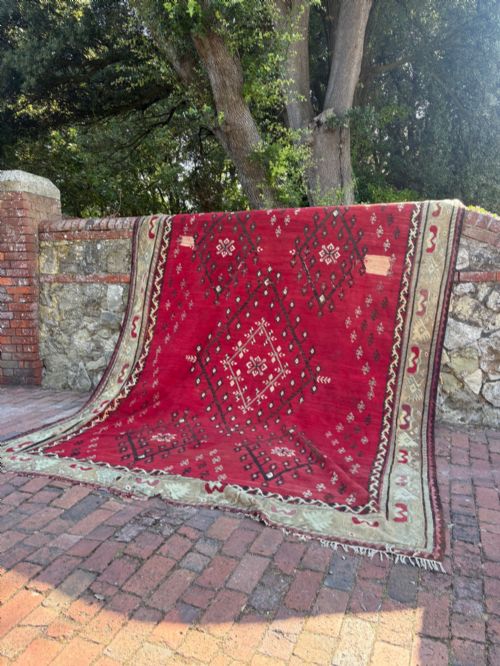
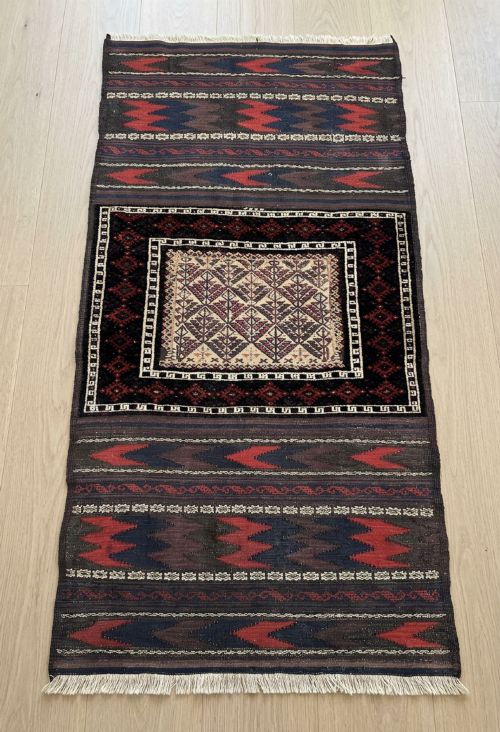
The pieces encountered on this page span several decades from the mid nineteenth century into the twentieth century. Common formats include room-sized carpets, long runners, smaller utility bags, and decorative cushions produced by nomadic or village weavers.
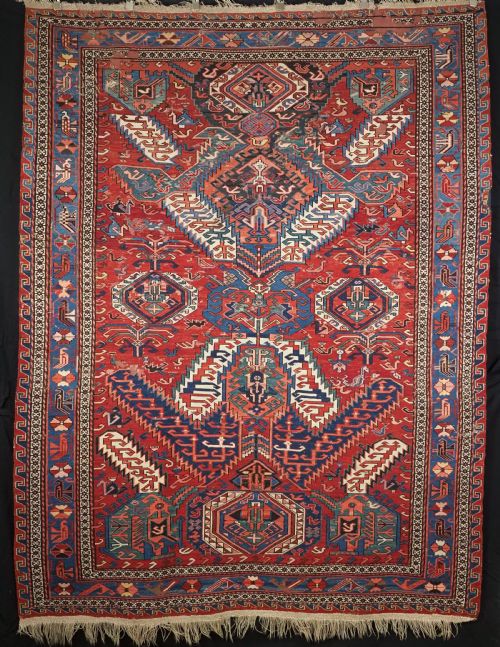
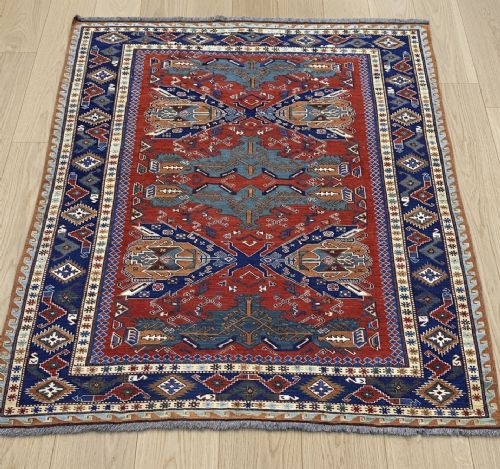
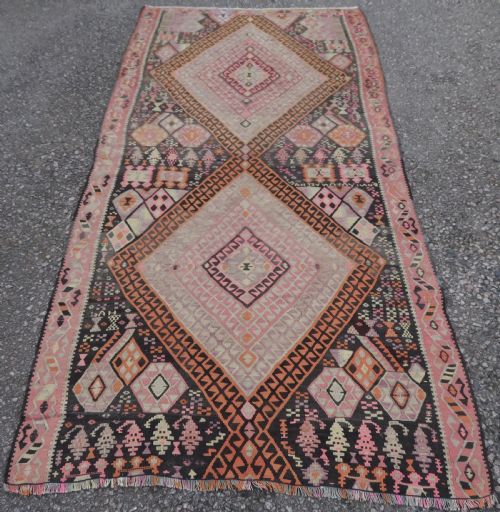
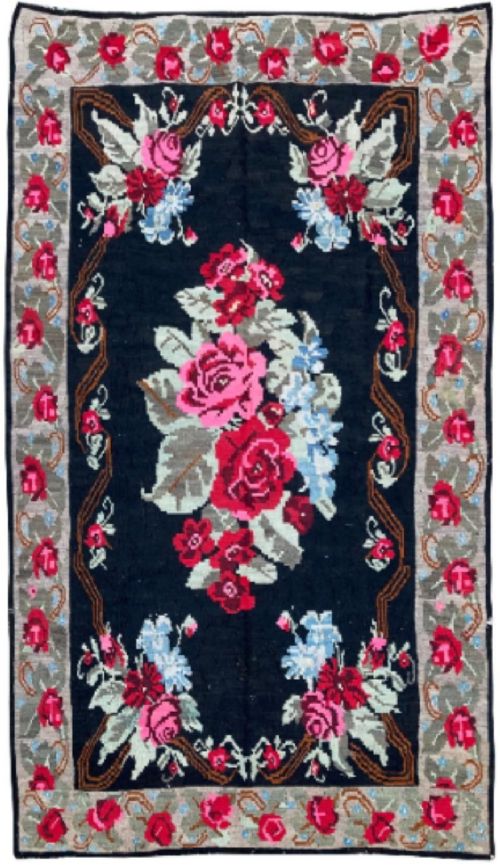
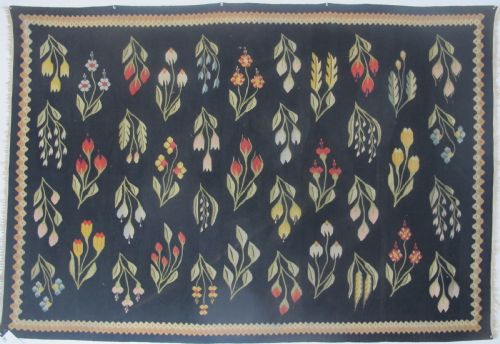
Geographic origins dictate the distinct aesthetic of each piece, ranging from the geometric motifs of Caucasian Soumaks to the floral tapestries of Bessarabia and Romania. Buyers encounter Anatolian kilims, Persian tribal work, and Moroccan runners reflecting local traditions.
Materials and construction methods
The primary material across these textiles is wool, frequently hand-spun and paired with cotton foundations or linen and canvas elements in specific regional types. Natural dyes provide the palette, yielding stable, muted tones that age with considerable character.
Weaving techniques vary by region, utilising slit-taperting for sharp geometric divisions in kilims or soumak wrapping techniques that produce a textured, raised surface on the face of the rug. Needlepoint and chain stitch methods appear in European and Kashmiri pieces.
Traditional Flatweave Retail Price Guide 2026
Typical asking prices for traditional flatweave among the pieces listed under this phrase on Sellingantiques today, from the lower quarter to the upper quarter. They describe what is for sale here now, not the wider market.
Nomadic weavers occasionally embedded minor intentional flaws in their geometric patterns to ward off the evil eye.
Factors determining quality
Quality rests upon the tightness of the weave, the consistency of the hand-spun wool, and the complexity of the design execution. Tightly packed wefts create durable textiles that maintain structural integrity over generations of use.
The purity and depth of the natural dyes separate standard examples from superior ones, as skilled dye work yields harmonious ageing and rich secondary tones. Precision in regional motifs and balanced symmetry further distinguish finer pieces.
The Traditional Flatweave Glossary
- Kilim
- An un-piled flatwoven rug or carpet produced by tightly interweaving warp and weft strands. This technique creates a flat fabric with identical patterns visible on both sides.
- Soumak
- A brocaded flatweave technique where weft threads are wrapped around the warp threads in various sequences. This method results in a textured face and loose floating threads on the reverse.
- Sofreh
- A flatwoven spread or cloth utilised during meals or food preparation among nomadic and village communities. These textiles often feature specific tribal iconography.
- Chuval
- A large storage bag created by nomadic tribes such as the Yomut and Teke. They were traditionally used inside tents for domestic organisation and transport.
- Warp
- The stationary vertical strings stretched on a loom before weaving begins. The entire structure of the flatweave depends on these foundational threads.
Traditional Flatweave: Frequently Asked Questions
What is a traditional flatweave?
A traditional flatweave is a textile constructed on a loom without knotting a pile onto the foundation. The design emerges straight from the interlaced warp and weft.
These versatile pieces include rugs, carpets, cushions, and utility bags produced across the Near East, Caucasus, and Europe.
How do I care for a flatweave rug?
Gentle regular vacuuming without a rotating brush roll prevents dust accumulation within the flat structure. Professional cleaning tailored to antique textiles preserves the natural wool fibres.
Keeping the textile out of direct, harsh sunlight prevents the natural dyes from fading prematurely over the years.
Where were these textiles made?
The pieces originate from diverse regions including Anatolia, the Caucasus, Persia, Central Asia, and Eastern Europe. Nomadic tribes and village communities produced them for daily domestic use.
Specific areas such as Daghestan, Shirvan, and Bessarabia developed distinct local weaving traditions and visual vocabularies.
Are these pieces antique?
The selections date from the mid nineteenth century through the early twentieth century. Each item reflects the historical weaving practices of its specific era and region.
Materials, natural dye palettes, and traditional structural techniques confirm the age and origin of these textiles.