

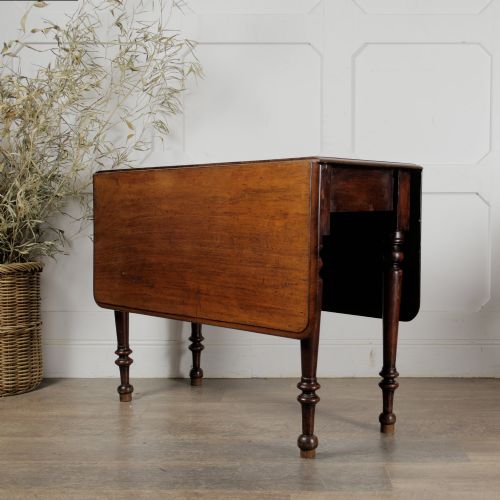
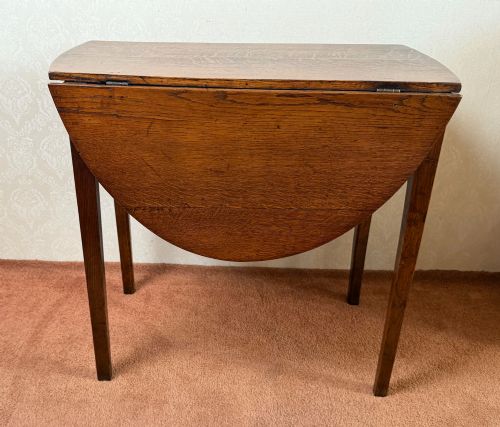
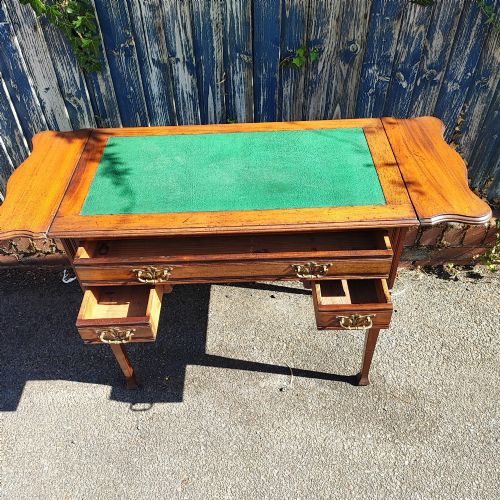
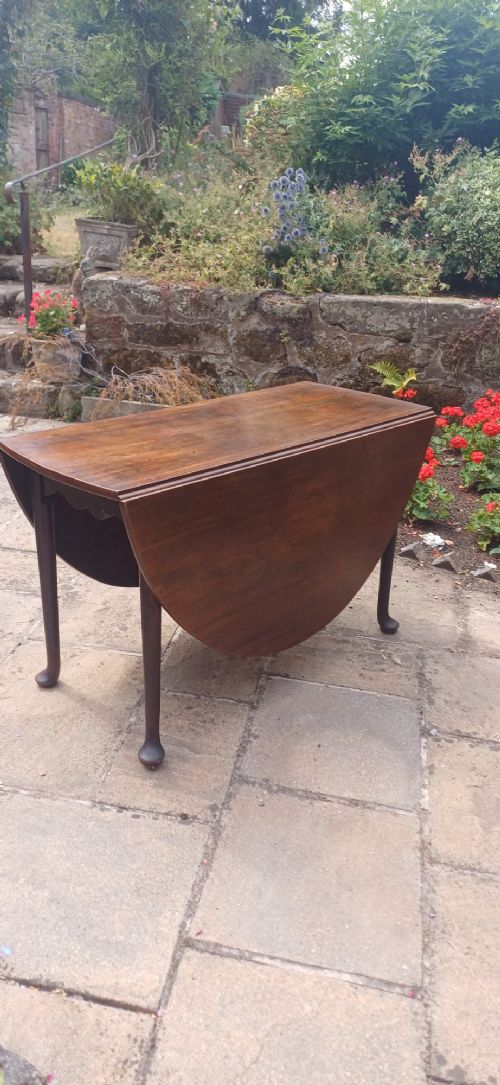
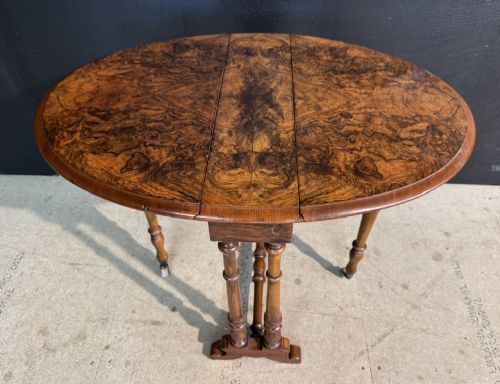
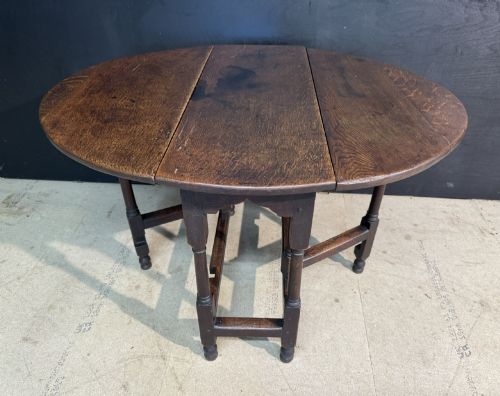
Traditional Flap Table
Traditional flap table designs span centuries of clever carpentry, offering adaptable surfaces in rich timbers like mahogany and oak.
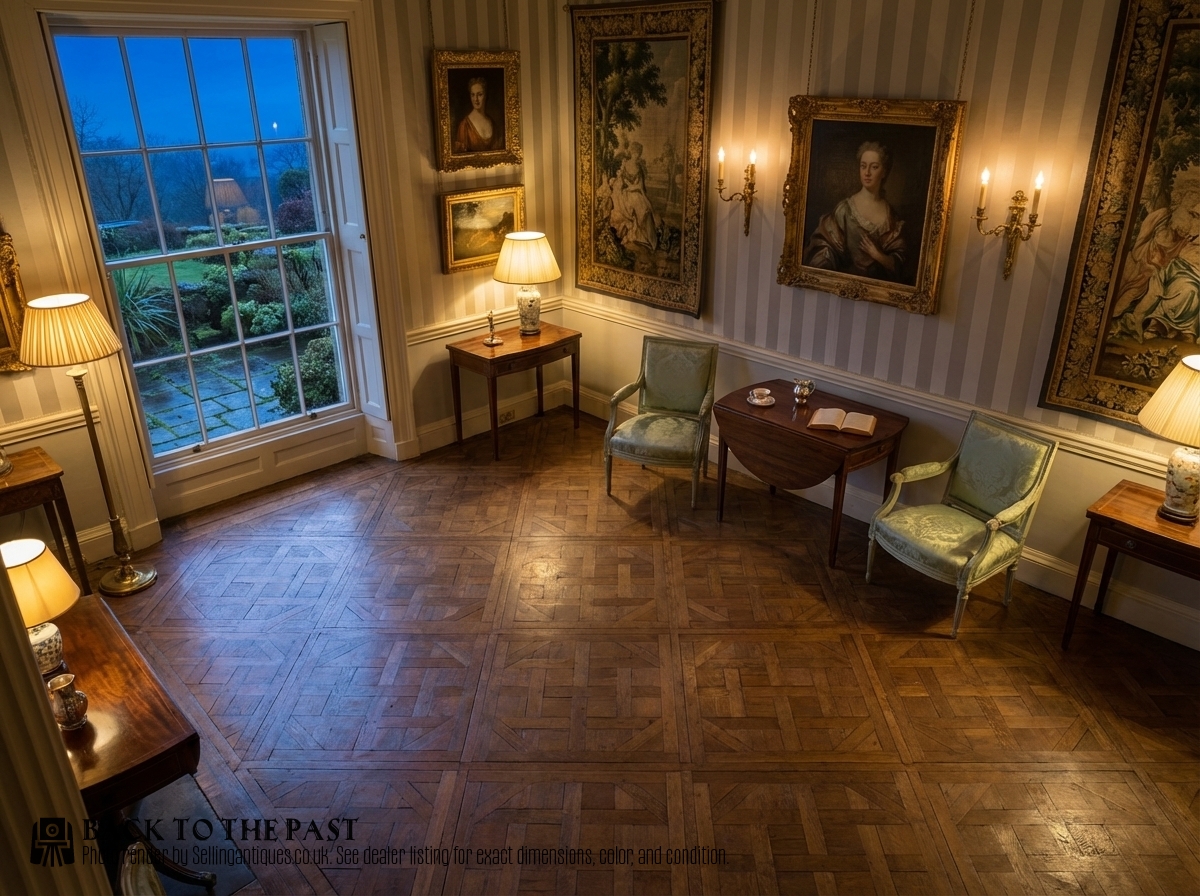
Traditional Flap Table
A traditional flap table provides an expandable surface through hinged leaves that drop or swing out on supporting legs, suiting compact rooms as easily as grand dining spaces. Buyers searching this phrase encounter forms ranging from compact occasional and coffee tables to large gateleg dining tables and Pembroke designs.
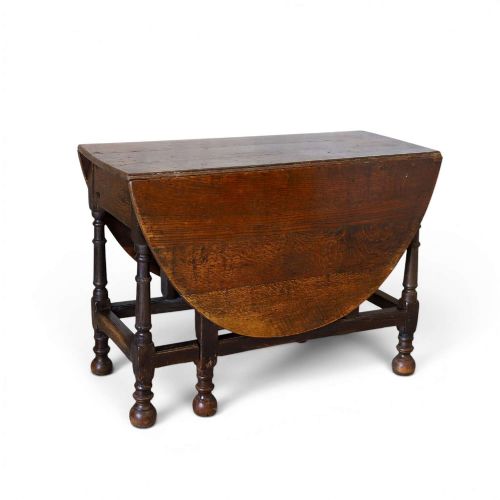
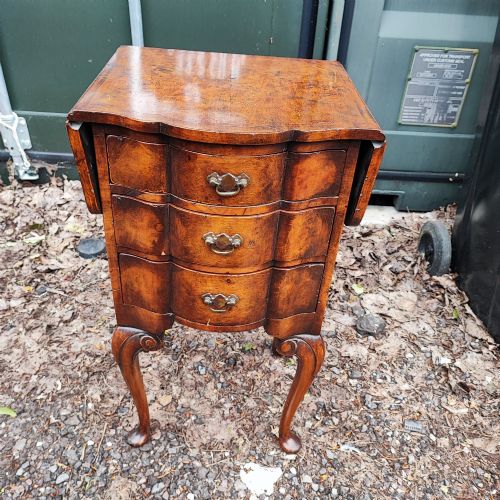
The pieces on this page originate across several distinct eras, spanning robust seventeenth-century oak tables through to Georgian, Victorian, and early twentieth-century interpretations. Timbers include mahogany, oak, walnut, pine, and satinwood, reflecting the changing domestic tastes of their respective periods.
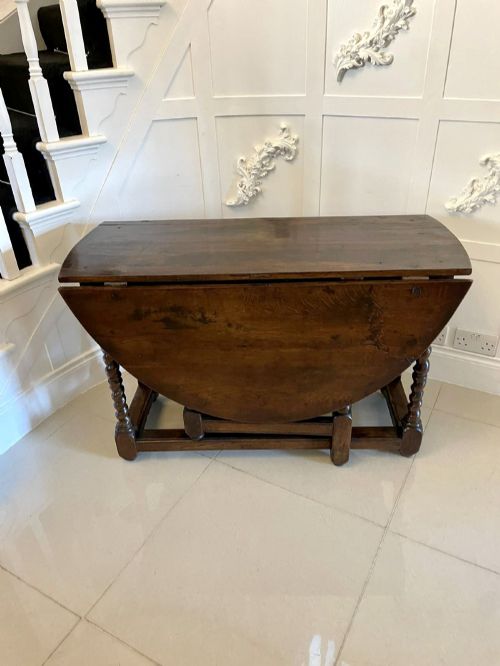
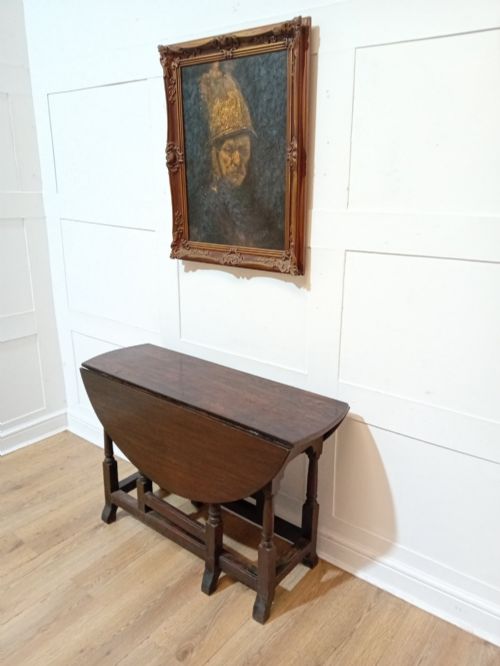
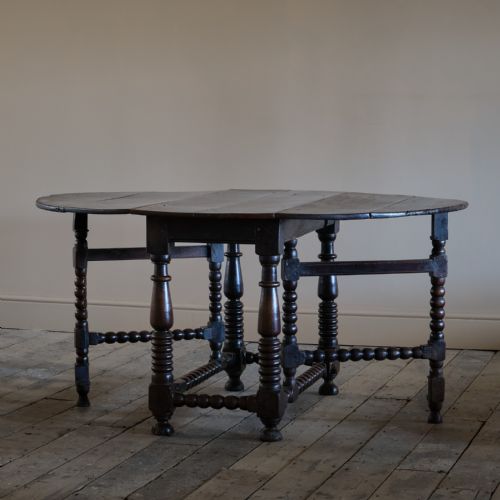
Common functional formats among these listings include gateleg tables, drop-leaf dining tables, and slender Sutherland tables. Each variety utilises folding leaves to save space when not in use.
How they were made
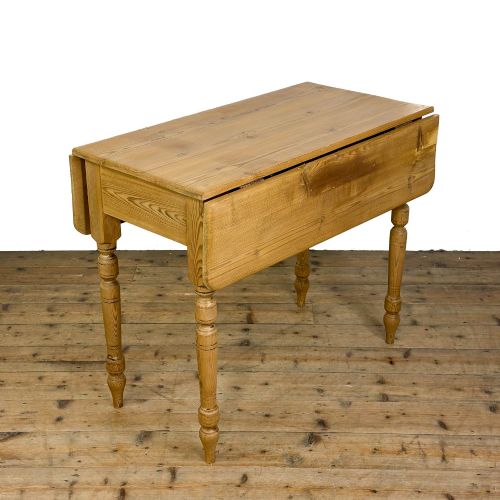
Cabinet makers constructed these tables primarily using solid hardwoods such as oak and mahogany, often pairing them with brass hinges and fittings. Secondary timbers like pine appear in utility or kitchen pieces.
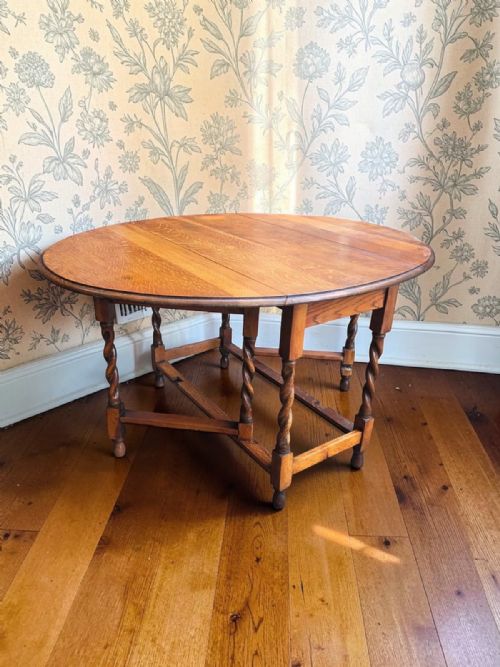
Construction techniques rely heavily on robust gateleg framing, drop leaves, and swivel mechanisms to support the hinged flaps. Turning techniques such as bobbin turning and barley twist legs appear frequently across seventeenth-century and revival examples.
Traditional Flap Table Retail Price Guide 2026
Typical asking prices for traditional flap table among the pieces listed under this phrase on Sellingantiques today, from the lower quarter to the upper quarter. They describe what is for sale here now, not the wider market.
The listings span eight distinct periods, from the seventeenth century through to the 1930s.
What varies in quality
Quality rests in the integrity of the timber selection, the depth of the natural patina accumulated over the centuries, and the precision of the joinery around the folding leaves. Superior pieces maintain original hinges and stable gateleg action without sagging flaps.
The refinement of the leg turning and the weight of the solid mahogany or oak differentiate simpler utility tables from finely proportioned dining and occasional pieces.
The Traditional Flap Table Glossary
- Gateleg table
- A table with hinged leaves supported by legs that swing out like a gate. This design provides sturdy support for large drop leaves.
- Pembroke table
- A small rectangular table featuring two drop leaves on opposing sides and usually a single drawer. It gained popularity during the eighteenth century for breakfast and writing use.
- Sutherland table
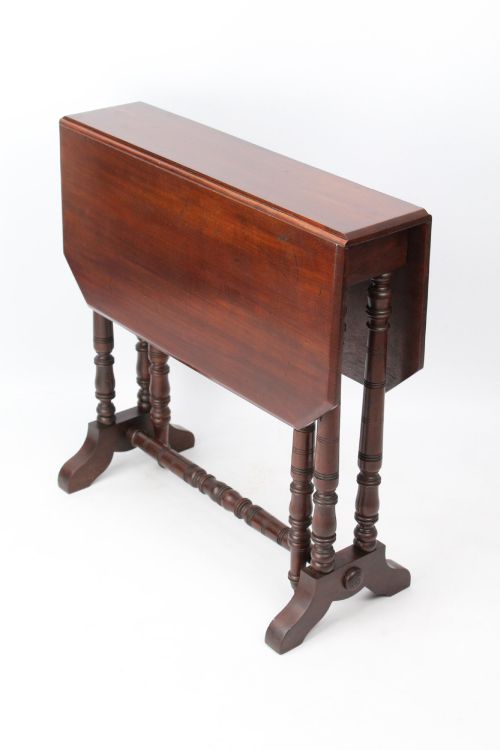
- A narrow drop-leaf table with exceptionally slender legs where the leaves fold down almost vertically. It was designed in the Victorian era to occupy minimal floor space when closed.
- Barley twist
- A type of decorative turning resembling a twisted rope, commonly found on seventeenth-century and revival furniture legs.
- Patina
- The surface sheen and mellowing developed by wood over years of use and polishing. It serves as an indicator of age and careful maintenance.
Traditional Flap Table: Frequently Asked Questions
What is the difference between a Pembroke and a Sutherland table?
A Pembroke table typically includes a drawer and short drop leaves supported by pivoting brackets or swinging legs. It was built for general parlour or bedroom use.
A Sutherland table has much narrower drop leaves and very slender legs, designed to fold into an extremely compact profile.
Which woods were commonly used for these tables?
Oak predominates in seventeenth- and eighteenth-century examples, while mahogany became the favoured timber during the Georgian and Victorian periods.
Pine appears frequently in kitchen and utility tables, alongside occasional uses of walnut, satinwood, and burr walnut.
How do I care for a historic drop-leaf table?
Keep wooden flap tables away from direct heat sources and dramatic humidity shifts to prevent timber warping or cracking at the hinges.
Apply natural wax polish periodically to nourish the surface and maintain the historic patina.