




Traditional Fireplace Tools
Traditional fireplace tools are sturdy hearth sets that bring period character to a room, offering both practical service and genuine antique charm.

What traditional fireplace tools are
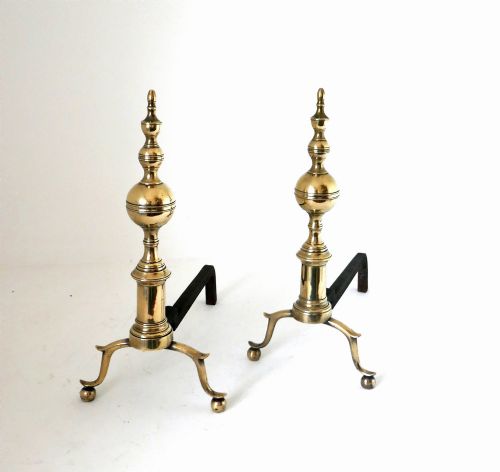
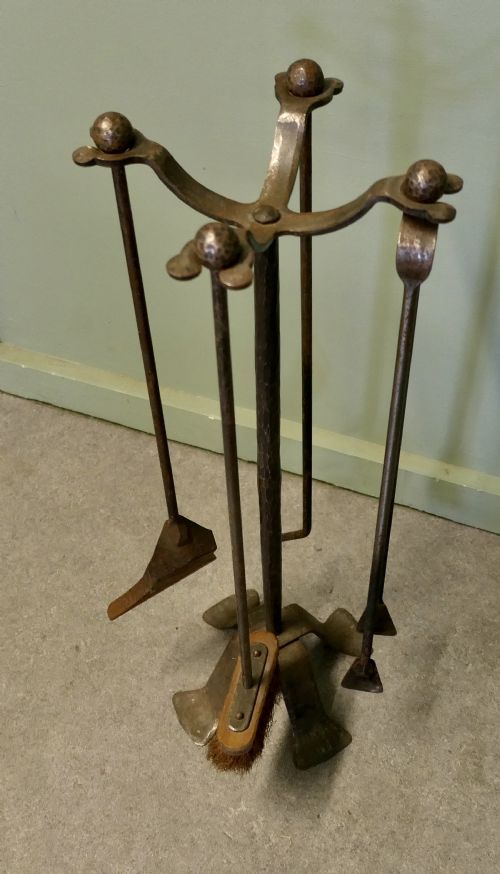
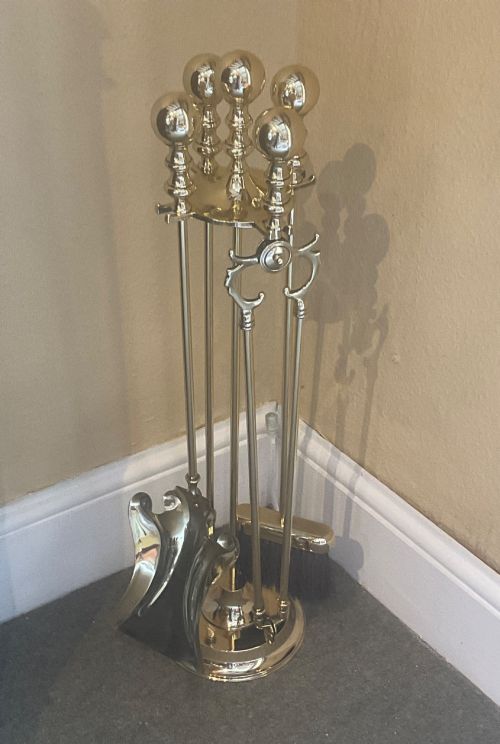
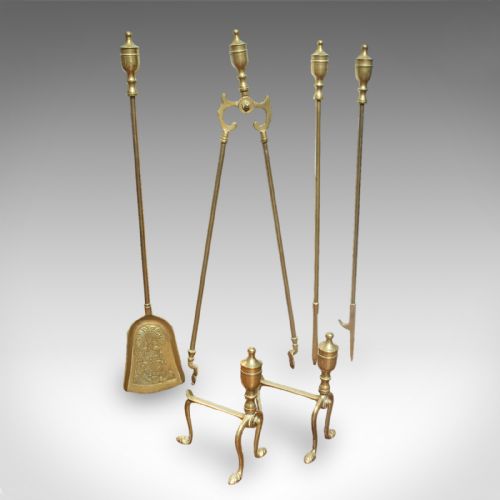
Traditional fireplace tools encompass sets of hearth implements designed for tending an open fire, featuring in periods such as the 18th century, 19th century, and the Edwardian era. These pieces typically include sets of fire irons alongside related hearth accessories like fire dogs and brass and steel fire fenders.
Buyers browsing this selection most frequently encounter Victorian brass examples alongside Edwardian variations and earlier steel sets. Each configuration provides the fundamental equipment needed for managing coal or wood fires within period hearths.
How traditional fireplace tools were made
The materials recorded in these pieces are brass, iron, and steel, often combined within a single set such as steel fire irons paired with brass and steel fire fenders. Blacksmiths and metalworkers shaped these durable metals to withstand intense hearth heat while maintaining structural integrity.
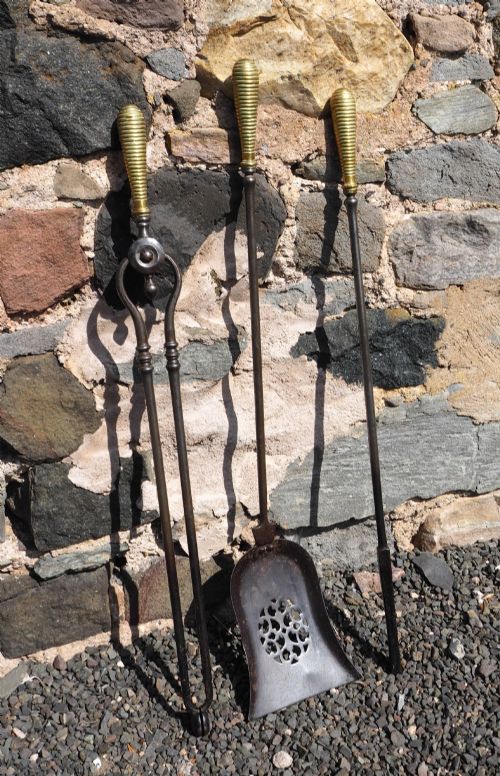
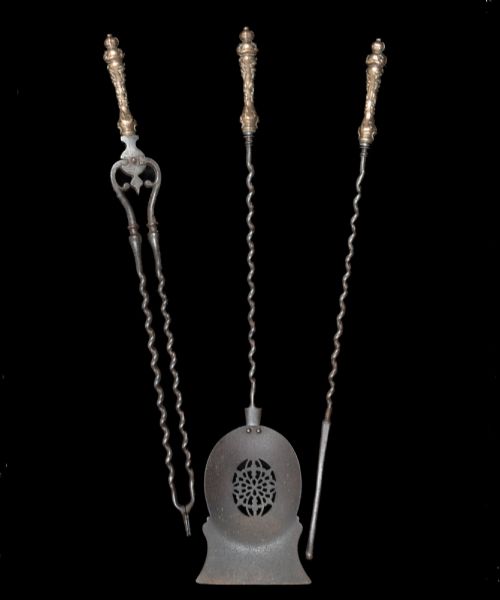
Craftsmen utilised specialised techniques to introduce decorative elements, notably seen in pieces featuring quality rope twist handles on brass shafts. This combination of robust core metals and tactile surface detailing defined the construction of better hearth implements.
Retail Price Guide 2026
Typical UK retail prices for traditional fireplace tools, calculated from the Sellingantiques database of over a million retail prices indexed since 2003. This retail price guide relies exclusively on Sellingantiques data; no external sources or auction records are used, so the figures do not describe the wider market.
Listings span the 18th century, 19th century, 1860, 1880, 1900, and Edwardian periods, utilising brass, iron, and steel.
What varies in quality
Quality in these hearth sets rests upon the crispness of the metalwork and the intentional design of decorative details like rope twist handles. Superior sets display balanced proportions and consistent finishing across every individual iron.
The choice of material and period execution further separates standard items from exceptional examples, with finer sets retaining integrated matching fenders and fire dogs. Weight, rigidity, and the harmony of the complete set distinguish the finer works on offer.
The Traditional Fireplace Tools Glossary
- Fire irons
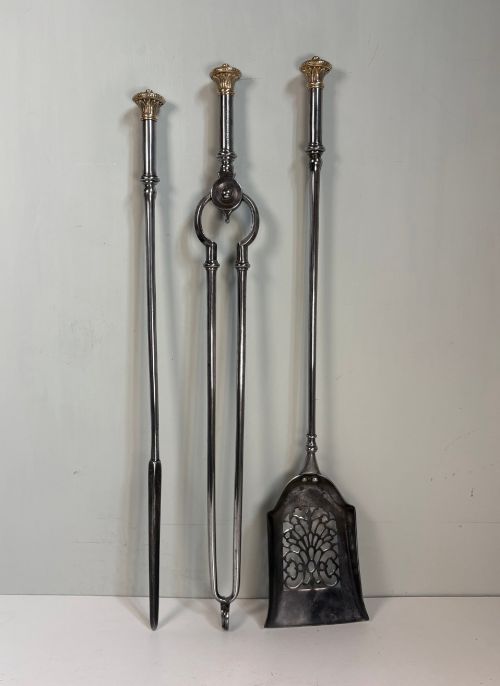
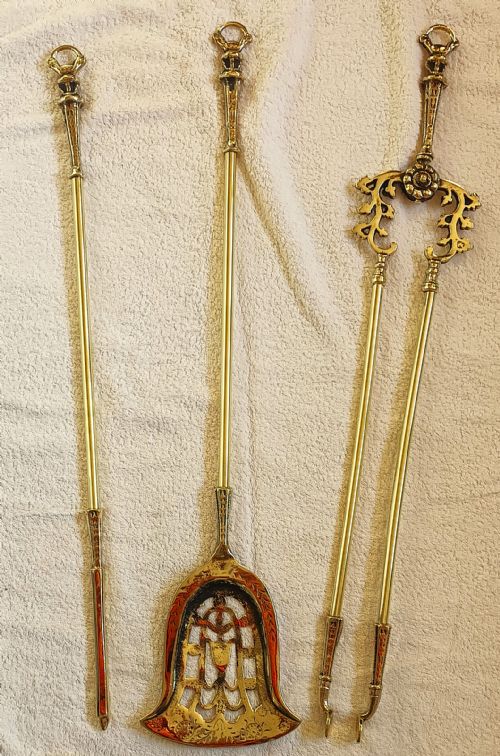
- A matched set of poker, tongs, and shovel used for managing an open hearth fire. These implements usually hang from a stand or rest against a fender.
- Fire fender
- A low metal guard placed around the hearth to contain ash and embers. Edwardian versions frequently incorporated matching sets of fire irons.
- Fire dogs
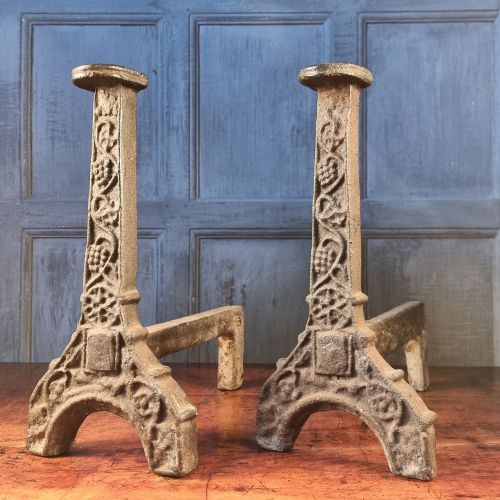
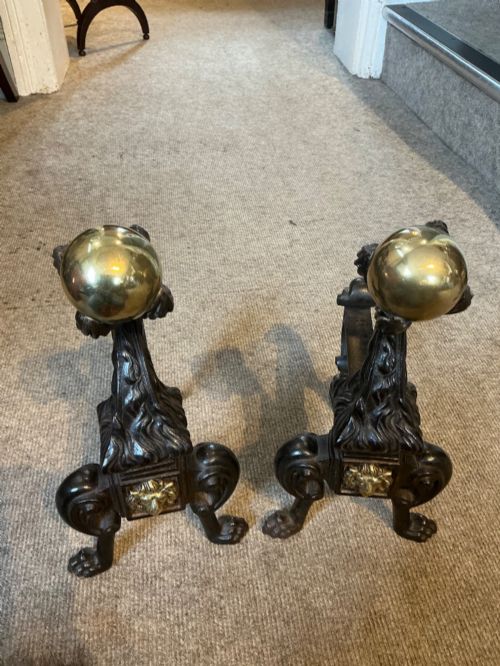
- Andirons used to support logs in an open fireplace. They often appear alongside companion sets of brass or steel hearth tools.
- Rope twist
- A decorative helical pattern worked into metal handles. This tactile detail enhances the grip and visual appeal of brass fire irons.
Frequently Asked Questions
What is included in traditional fireplace tools?
These sets generally comprise a poker, tongs, and a shovel designed for daily hearth maintenance. Some configurations also include supporting fire dogs and a coordinating metal fender.
Together, these matched implements provide a complete functional setup for managing traditional coal or wood burning fires.
How do I date antique fire irons?
Dating relies on observing material choices, manufacturing techniques, and stylistic markers associated with periods like the Georgian, Victorian, and Edwardian eras. Steel was more common in earlier centuries, while polished brass gained prominence later.
Examining the handle construction and decorative motifs provides further clues to the precise era of manufacture.
Are these tools suitable for active use?
Most antique hearth tools are forged from robust iron, steel, or brass built for practical service. They are fully capable of tending a working open fire when handled with reasonable care.
Many buyers choose to use them daily while others display them strictly as period decorative accessories.
How do brass and steel sets differ?
Brass sets offer a bright, reflective appearance that became particularly popular during the Victorian and Edwardian periods. Steel sets often date to earlier periods like the 18th century and provide a darker, more industrial aesthetic.
Some Edwardian arrangements combine both metals by pairing steel implements with brass and steel fenders.