


Traditional Fireplace Shovel
A traditional fireplace shovel is an essential hearth tool crafted for tending solid fuel fires, combining utility with period metalwork.
Traditional Fireplace Shovel
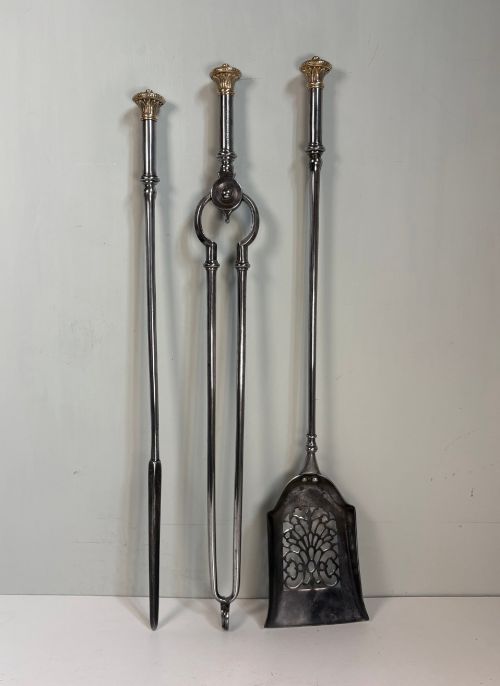
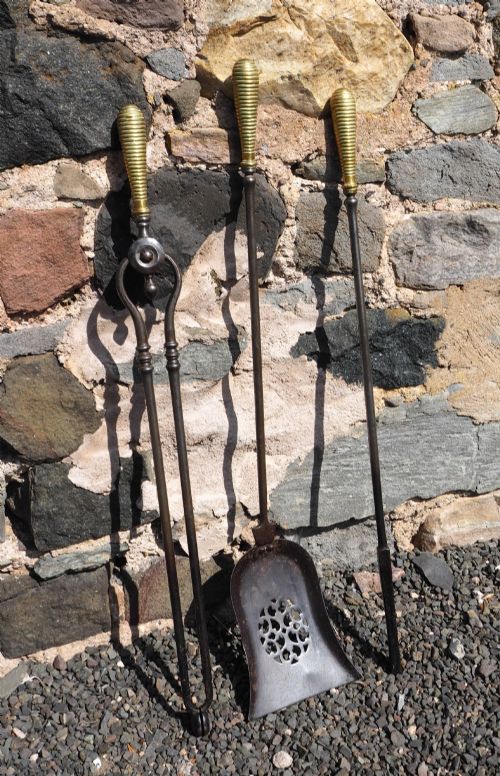
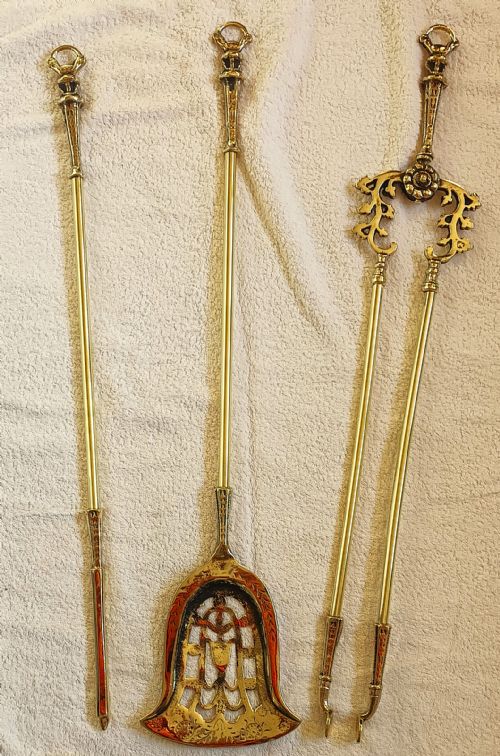
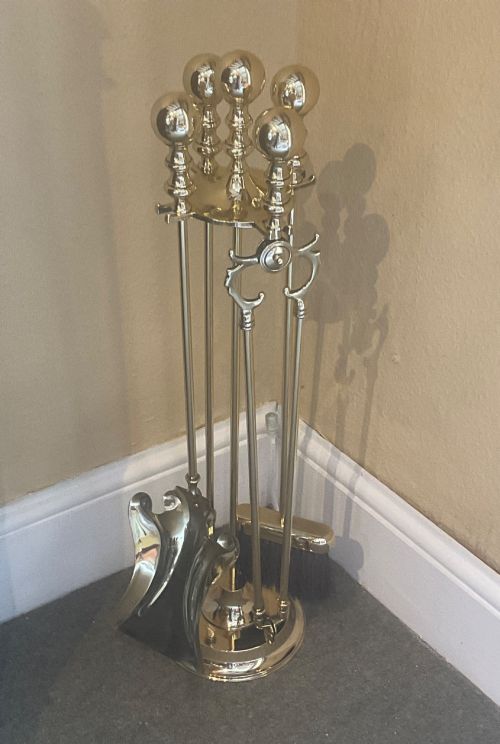
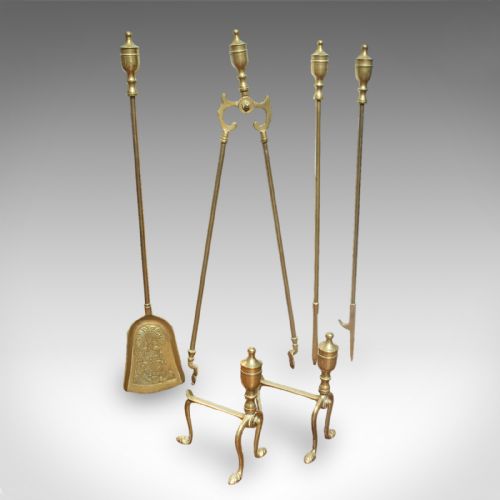
A traditional fireplace shovel is an implement designed for clearing ash and managing fuel in hearths, appearing either as an individual piece or as part of a larger companion set. Buyers seeking this phrase encounter items ranging from standalone nineteenth-century brass pieces to complete sets of fire irons accompanying coal scuttles and fenders.
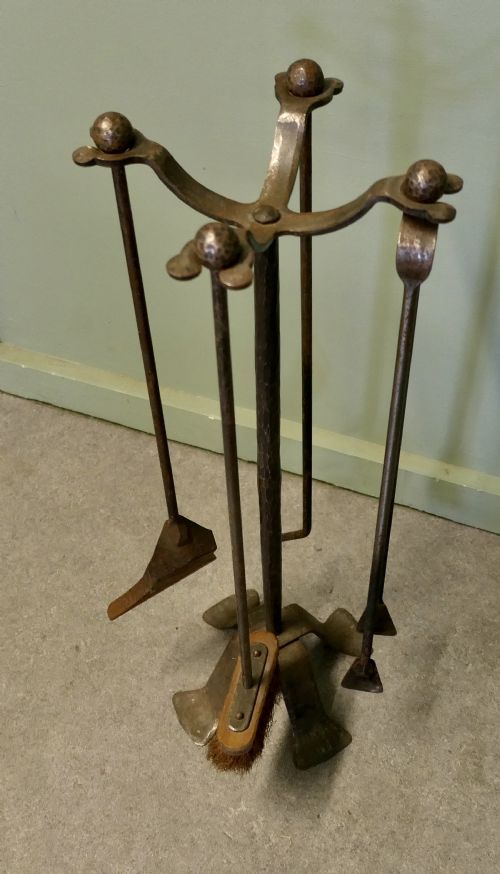
The specimens on this page originate predominantly from the eighteenth, nineteenth, and early twentieth centuries, spanning periods such as the Georgian, Victorian, and Edwardian eras. Forms vary from heavy wrought iron implements suited to country house inglenooks to polished brass and gunmetal designs intended for formal parlours.
Makers utilised various object categories for these items, listing them under fireplace accessories, fireside tools, and companion sets. Most pieces emerge within sets comprising pokers and tongs, though individual shovels paired with coal scuttles also feature.
How they were made
Blacksmiths and metalworkers forged these tools using traditional methods in iron, steel, and brass. Wrought iron and steel provided structural rigidity for heavy utility, while brass offered a bright decorative surface often paired with polished steel blades.
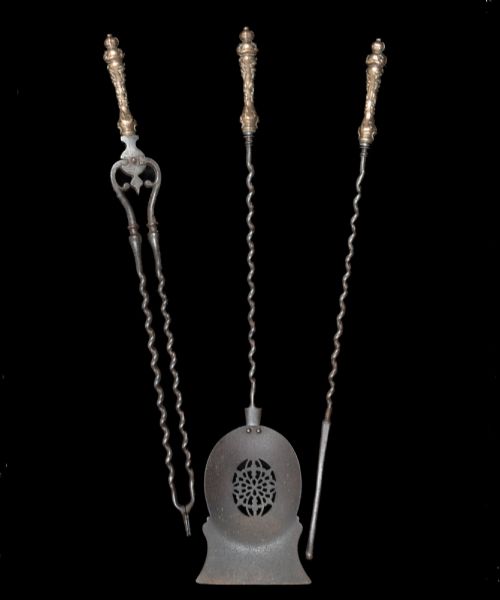
Handles and shafts display specific techniques such as rope twist detailing and riveted construction. Surface finishes range from high polish on steel and brass to the dark, tactile texture of gunmetal and wrought iron.
Materials represented across the inventory include brass, steel, wrought iron, polished gunmetal, and oak.
What varies in quality
Quality in these implements rests upon the weight of the metal and the integrity of the construction rather than mere ornamentation. Heavier gauges of brass and substantial steel shafts distinguish robust companion pieces from lighter, purely decorative items.
Refinement of detail, such as carefully turned handles and clean junctions between the blade and the shaft, separates standard utilitarian tools from finer examples produced during the Victorian and Edwardian periods.
The Traditional Fireplace Shovel Glossary
- Companion set
- A matched group of hearth tools, typically including a shovel, poker, and tongs, housed together near the fireplace.
- Fire irons
- The collective term for the metal implements used to tend a fire, including shovels, pokers, and tongs.
- Gunmetal
- A type of bronze composed of copper, tin, and zinc, valued for its durability and dark grey-brown finish on nineteenth-century tools.
- Fender
- A low metal guard placed in front of a fireplace to contain sparks and ash, frequently sold alongside matching fire iron sets.
Traditional Fireplace Shovel: Frequently Asked Questions
What is a traditional fireplace shovel used for?
These shovels were designed for clearing ash from the hearth and placing coal or wood onto burning fires.
They served both a functional role in solid fuel management and a decorative purpose within the nineteenth-century parlour.
How do I identify a Victorian fireplace shovel?
Victorian examples often feature bright brass construction, heavy gauge metalwork, and distinct handle motifs like rope twist designs.
They frequently form part of a three-piece companion suite alongside fire dogs or fenders.
What materials were used for these tools?
Common materials include brass, steel, wrought iron, and gunmetal, sometimes accented with wooden handles.
Workshops utilised polished steel for blades and brass for shafts to create visual contrast on the hearth.
What is an Edwardian purdonium?
A purdonium is a dedicated Edwardian coal box, frequently constructed from oak to house fuel neatly beside the hearth.
These pieces often incorporated a specialised internal shovel and compartment for daily fire maintenance.